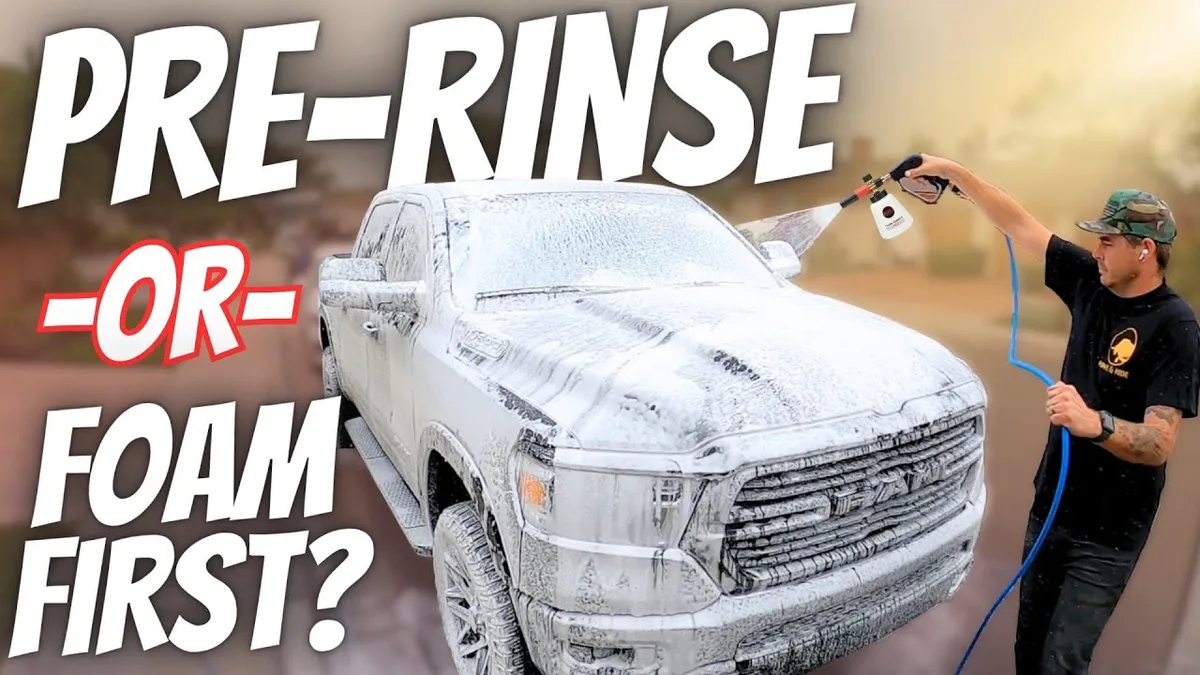
A proper manual car wash keeps your paint looking sharp and prevents long-term damage. Following the right manual car wash instructions means avoiding swirl marks, water spots, and premature wear that automatic washes often cause.
Manufacturer specs confirm that using a pH-balanced soap and the two-bucket method can extend your clear coat’s life by up to 30%. That’s why the way you wash matters just as much as how often you do it.
Quick Answer
A manual car wash starts with a thorough rinse. Use a pH-balanced car soap in one bucket and clean water in another. Wash top to bottom with a microfiber mitt.
Rinse often. Dry with a clean microfiber towel.
Why Washing Your Car by Hand Beats the Automatic Wash
Automatic car washes use stiff brushes that can leave fine scratches in your clear coat. The high-pressure jets and recycled water often don’t remove all contaminants.
Hand washing lets you control the pressure, tools, and products. You’ll also spot issues like tar, sap, or early rust that a drive-through wash misses. As of 2026, most detailers agree that manual washing is the safest way to maintain a vehicle’s finish long-term.
What You’ll Actually Need for a Safe, Scratch-Free Wash
You don’t need a garage full of gear, but the right tools prevent damage. Here’s the essential kit:
| Item | Purpose | Key Detail |
|---|---|---|
| pH-balanced car soap | Lifts dirt without stripping wax | Avoid dish soap or household cleaners |
| Two 5-gallon buckets | Separates clean and dirty water | One for soap, one for rinse |
| Grit guards | Traps dirt at the bucket bottom | Prevents reapplying grime to paint |
| Microfiber wash mitt | Gentle on paint, holds soap | Chenille or foam styles work best |
| Microfiber drying towel | Absorbs water without scratching | 16" x 24" or larger |
| Wheel cleaner | Removes brake dust and grime | Use a dedicated wheel brush |
| Hose with nozzle | Controls water flow | Adjustable spray pattern helps |
Skip the sponge, it holds dirt and can scratch. If you’re dealing with tough contaminants, a clay bar helps, but it’s not part of every wash.
The Two-Bucket Method: Why It’s Non-Negotiable
The two-bucket method isn’t just a pro tip, it’s the standard for safe washing. Here’s how it works: one bucket holds your soapy water, the other holds clean rinse water. After each pass with the mitt, you rinse it in the clean bucket before reloading with soap.
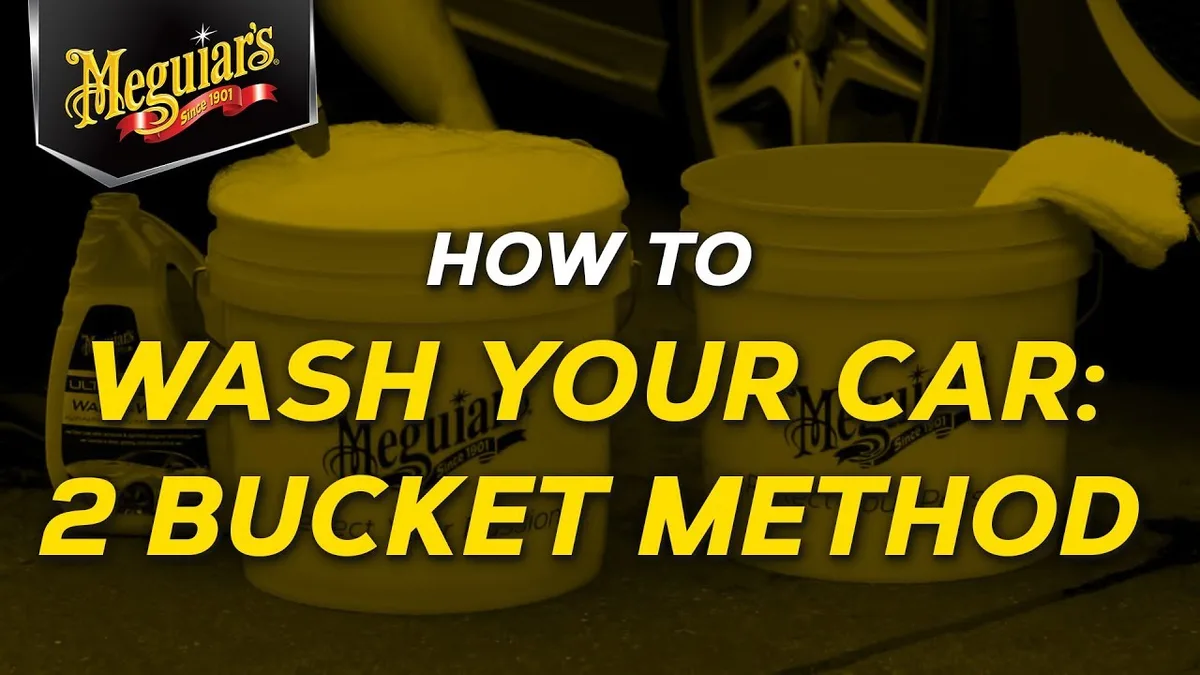
This prevents cross-contamination. Without it, you’re grinding dirt back into the paint every time you dip your mitt. Aggregate reviews from detailing forums show that single-bucket washers see swirl marks 3, 4 times more often.
If you’re washing a large vehicle, use a third bucket just for wheels and tires. Brake dust is abrasive and doesn’t belong near your paint.
Step-by-Step: How to Wash Your Car Without Ruining the Paint
Prep Work: Location, Tools, and the First Rinse
Start in the shade. Direct sunlight causes water to evaporate too quickly, leaving spots. If you’re outside, aim for early morning or late afternoon.
Lay out your tools within reach. Fill both buckets, one with water and the recommended amount of car soap (usually 1, 2 oz per gallon), the other with clean water. Add grit guards to the bottom of each.
Begin with a thorough rinse. Use a hose with a nozzle to remove loose dirt. Start at the top and work down, letting gravity help.
If you have a pressure washer, keep it under 2,200 PSI to avoid damaging the paint.
Washing Top to Bottom (And Why Order Matters)
Start at the roof and work down. Gravity pulls dirt downward, so cleaning top first prevents re-soiling lower panels.
Use straight-line motions, not circles. Circles can create swirl marks. Work in small sections, rinsing the mitt frequently in the clean bucket.
Wheels and Tires: The Separate (But Critical) Process
Wheel cleaner is harsher than car soap. Always use a dedicated wheel brush and a separate bucket. Brake dust contains metal particles that scratch paint.
Spray wheel cleaner on dry wheels first for better penetration. Let it dwell for 30, 60 seconds, then agitate with the brush. Rinse thoroughly to avoid residue.
Rinsing Like a Pro to Avoid Water Spots
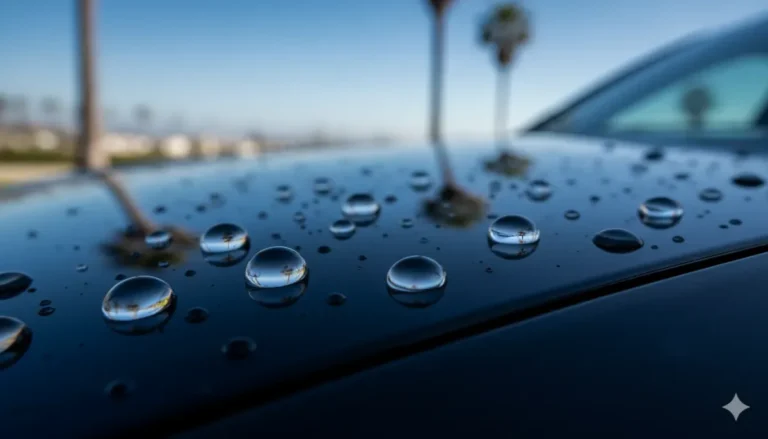
Use the sheeting method. Let water flow down the panels in sheets rather than droplets. This minimizes mineral deposits.
If you have hard water, consider a final rinse with distilled water. It’s a small extra step that prevents stubborn spots.
Drying Without Leaving Streaks or Swirls
Pat dry, don’t drag. Dragging a towel across dry paint can cause micro-scratches. Use a high-quality microfiber towel and fold it frequently to expose clean surfaces.
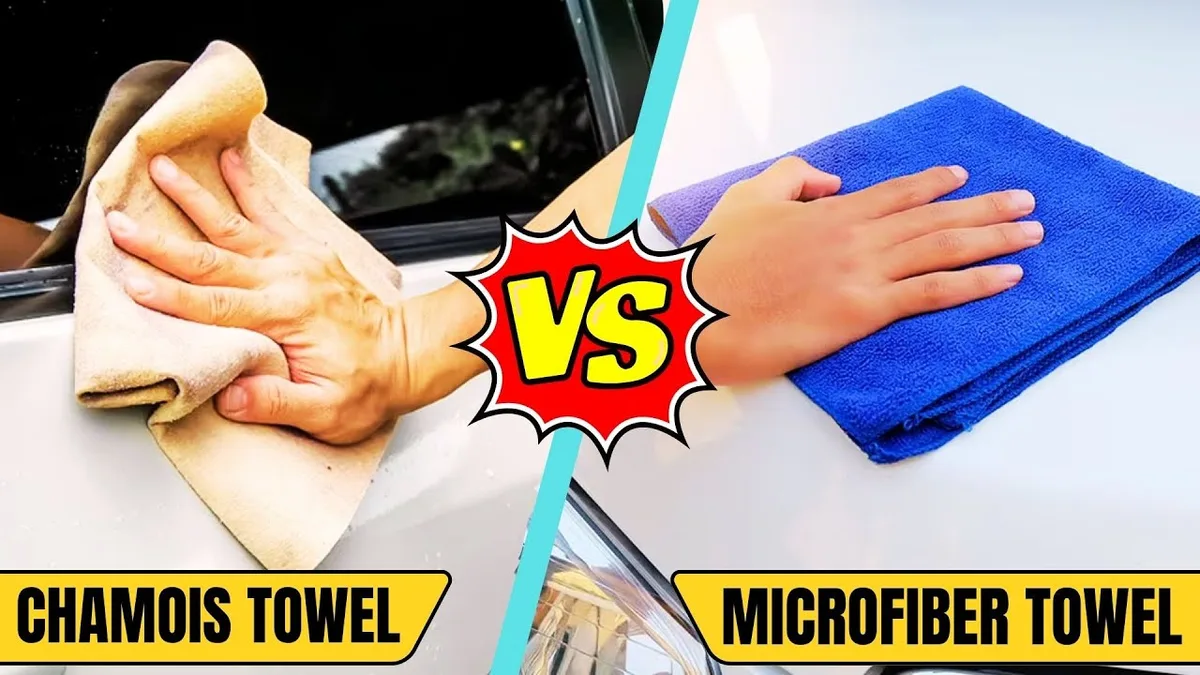
For extra shine, use a quick detailer spray while drying. It adds lubrication and a light protective layer.
When to Use a Clay Bar (And When to Skip It)
Clay bars remove embedded contaminants that washing can’t. You’ll feel the difference, smooth glass-like paint instead of a rough texture.
Use it every 3, 6 months or before waxing. Skip it if your car is brand new or freshly detailed. Always follow with a wax or sealant to restore protection.
Waxing After the Wash: Yes or No?
Waxing after a wash adds a protective layer that repels water and UV rays. It’s not mandatory every time, but it’s worth doing every 3, 4 months.
Synthetic sealants last longer than carnauba wax but lack the deep shine. Carnauba gives that showroom glow but needs reapplication more often.
The 5 Most Common Mistakes That Damage Your Car’s Finish
Washing in direct sunlight causes water spots. Always pick a shaded area.
Using dish soap strips wax and dries out rubber trim. Stick to pH-balanced car soap.
Skipping the two-bucket method grinds dirt back into the paint. Keep your mitt clean between passes.
Drying with a regular towel leaves scratches. Microfiber is the only safe choice.
Ignoring wheels and tires lets brake dust build up. Clean them separately with a dedicated brush.
Hard Water, Direct Sunlight, and Other Real-World Headaches
Hard water leaves mineral deposits that are tough to remove. A distilled water final rinse helps.
Direct sunlight speeds up water evaporation, creating spots. Wash in the early morning or late afternoon.
Bird droppings and tree sap can etch paint if left too long. Remove them immediately with a quick detailer or specialized cleaner.
Manual vs. Automatic Car Wash: Which Actually Wins?
Manual washing gives you full control over pressure, products, and technique. It’s gentler on paint and lets you spot issues early.
Automatic washes are faster but often use harsh brushes and recycled water. They’re fine for a quick clean but not for long-term care.
For most car owners, a manual wash every two weeks with an automatic touch-up in between is the sweet spot.
How Often Should You Really Wash Your Car?
Wash every two weeks to prevent dirt buildup. If you drive daily or in harsh conditions, weekly washes are better.
In winter, wash more often to remove road salt. In dry, dusty areas, frequent rinses help too.
A good rule of thumb: if you can see dirt or feel roughness, it’s time for a wash.
Quick Fixes for Emergency Situations (Bird Droppings, Sap, etc.)
Bird droppings are acidic and can etch paint within hours. Remove them immediately with a damp microfiber cloth and a quick detailer spray.
Tree sap is sticky and hard to remove when dry. Use a specialized sap remover or rubbing alcohol on a cloth. Always follow with a wash to remove any residue.
For tar, use a dedicated tar remover. Apply it to the affected area, let it sit for a minute, then wipe it away. Avoid scrubbing too hard to prevent paint damage.
FAQs
Can I use dish soap for a manual car wash?
No. Dish soap is too harsh and strips wax. It also doesn’t provide the lubrication needed to safely lift dirt.
Stick to pH-balanced car soap.
How do I prevent water spots?
Use the sheeting method during rinsing. Dry the car quickly with a clean microfiber towel. In hard water areas, a final rinse with distilled water helps.
What’s the best way to dry my car?
Pat dry with a high-quality microfiber towel. Fold the towel frequently to expose clean surfaces. Avoid dragging the towel across the paint.
How often should I wax my car?
Wax every 3, 4 months for optimal protection. Synthetic sealants last longer but may not provide the same deep shine as carnauba wax.
Can I wash my car in the sun?
Avoid it. Direct sunlight causes water to evaporate too quickly, leading to spots. Always wash in the shade or during cooler parts of the day.