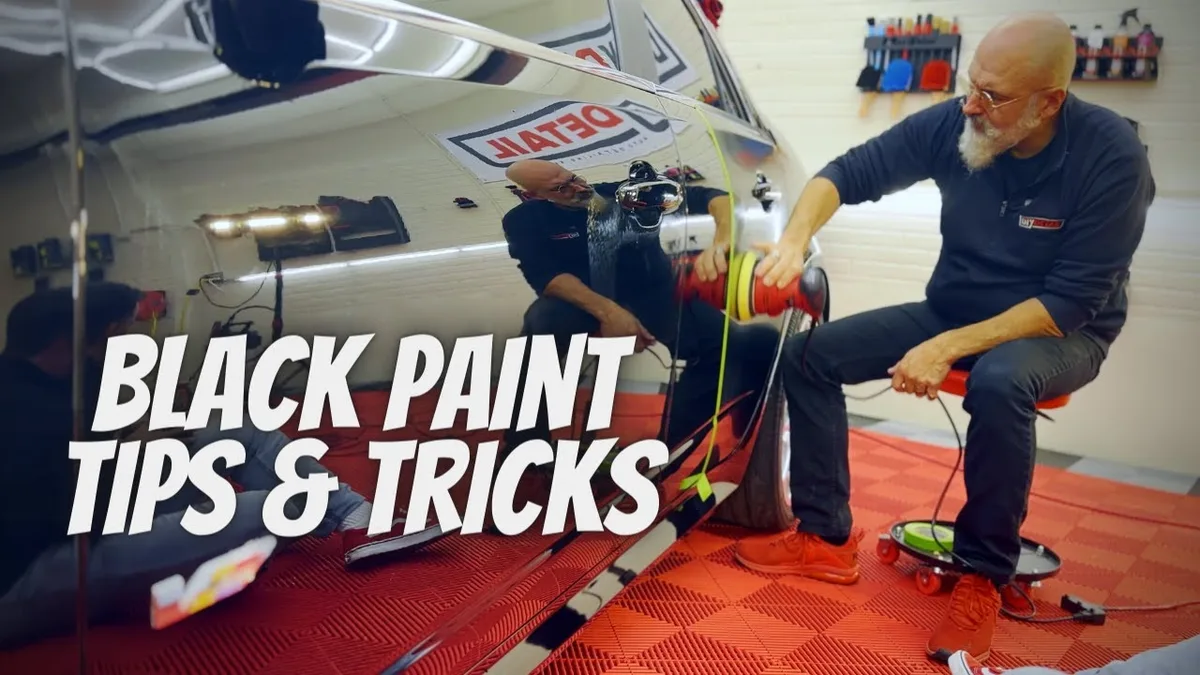
Image source: YouTube / DIY Detail (YouTube thumbnail (fair-use with source credit))
Black cars look stunning until they don’t. Dirt, swirls, and water spots show up instantly on that deep gloss, making how to keep black car clean a constant battle. The good news is that the right process turns frustration into a showroom shine every time.
Manufacturer specs confirm that black paint, especially glossy finishes, requires more frequent and careful maintenance than lighter colors. The clear coat on modern cars is only 1.5 to 2 mils thick, so every scratch and contaminant stands out. Here’s how to keep it pristine without the guesswork.
Quick Answer
Wash your black car every 1, 2 weeks using the two-bucket method. Always dry it immediately to prevent water spots. Use pH-balanced car soap and microfiber towels.
Apply a protective layer like wax or sealant every 3, 6 months.
Why Black Cars Show Every Flaw (And How to Fix It)
Black paint doesn’t hide anything. The darker the color, the more light reflects off imperfections like swirl marks, scratches, and dust. This is due to the way dark surfaces absorb light rather than scatter it.
Oxidation is another culprit. UV rays break down the clear coat over time, leaving the paint dull. Bird droppings, tree sap, and brake dust also etch into the surface if not removed quickly.
The fix starts with understanding these enemies and addressing them systematically.
The Quick Win: 3 Rules to Keep a Black Car Clean Longer
Wash it often. Black cars need more frequent cleaning than lighter ones because contaminants show up immediately. Stick to a bi-weekly schedule, or weekly if you drive daily in dusty or polluted areas.
Dry it properly. Water spots are the fastest way to ruin a black car’s finish. Use a high-quality microfiber towel or a blower to remove water without dragging dirt across the paint.
Protect it always. A layer of wax, sealant, or ceramic coating acts as a barrier against UV rays, bird droppings, and other contaminants. Reapply wax every 3 months, sealant every 6 months, or ceramic coating every 2, 5 years.
What You’re Really Fighting: The 5 Biggest Enemies of Black Paint
Swirl marks
These fine scratches come from improper washing techniques, like using a dirty sponge or drying with a rough towel. They scatter light, making the paint look dull and hazy.
Water spots
Minerals in water leave behind deposits when the water evaporates. On black paint, these spots are highly visible and can etch into the clear coat if not removed quickly.
Oxidation
Prolonged exposure to UV rays breaks down the clear coat, causing the paint to fade and lose its gloss. This is especially problematic in sunny climates.
Contaminants
Bird droppings, tree sap, and brake dust are acidic and can etch into the paint if left untreated. These require immediate removal to prevent permanent damage.
Dust and pollen
These particles stick to the paint and can scratch the surface if wiped off dry. Regular washing and a protective layer help keep them from bonding to the finish.
The Right Tools for Black Cars (And What to Avoid)
You don’t need a garage full of gear, but the wrong tools will scratch or dull the finish. Here’s what actually works:
Essential tools
- pH-balanced car soap: Regular dish soap strips wax and damages the clear coat. Stick to soaps with a pH between 6.5 and 7.5.
- Microfiber wash mitt: Chenille or plush microfiber holds more soap and traps dirt, reducing the risk of scratches.
- Two buckets with grit guards: One for soap, one for rinsing the mitt. Grit guards keep dirt at the bottom of the bucket.
- Microfiber drying towels: Waffle-weave towels absorb more water and reduce the risk of swirls.
- Clay bar: Removes embedded contaminants that washing can’t. Use it every 3, 6 months or when the paint feels rough.
- Car wax or sealant: Provides a protective layer. Wax lasts 1, 3 months, while synthetic sealants can last up to 6 months.
Tools to avoid
- Household sponges or brushes: These can trap dirt and scratch the paint.
- Chamois leather: Can drag dirt across the surface if not cleaned properly.
- Automatic car washes with brushes: The brushes often contain dirt and debris that will scratch black paint.
- Paper towels: Too abrasive for delicate clear coats.

Image source: YouTube / Out of Spec Detailing (YouTube thumbnail (fair-use with source credit))
Step-by-Step: The Safest Way to Wash a Black Car
Pre-Wash: Remove the Worst Without Touching the Paint
Start with a thorough rinse. Use a pressure washer or a hose with a nozzle to remove loose dirt and debris. This step prevents scratching the paint during the contact wash.
For stubborn grime, use a foam cannon to apply a thick layer of soap. Let it dwell for a few minutes to loosen contaminants. This step is especially useful for black cars, as it reduces the need for aggressive scrubbing.
Avoid washing in direct sunlight. The heat causes the soap to dry too quickly, leaving streaks and water spots.
Contact Wash: The Two-Bucket Method That Prevents Swirls
Fill one bucket with soapy water and the other with clean water. Add grit guards to both buckets to trap dirt at the bottom.
Dip the wash mitt into the soap bucket and wash the car in straight lines, not circles. Start from the top and work your way down, rinsing the mitt in the clean water bucket after each pass.
Use a separate mitt for the wheels and tires. Brake dust and road grime are highly abrasive and can damage the paint if transferred from the wheels.
Drying: How to Stop Water Spots Before They Start
Rinse the car thoroughly to remove all soap residue. Use the sheeting method to let water flow off the surface naturally.
Dry the car with a high-quality microfiber towel. Pat the surface dry rather than dragging the towel. For best results, use a blower to remove water from crevices and emblems before toweling.
If water spots appear, remove them immediately with a water spot remover or a quick detailer spray.
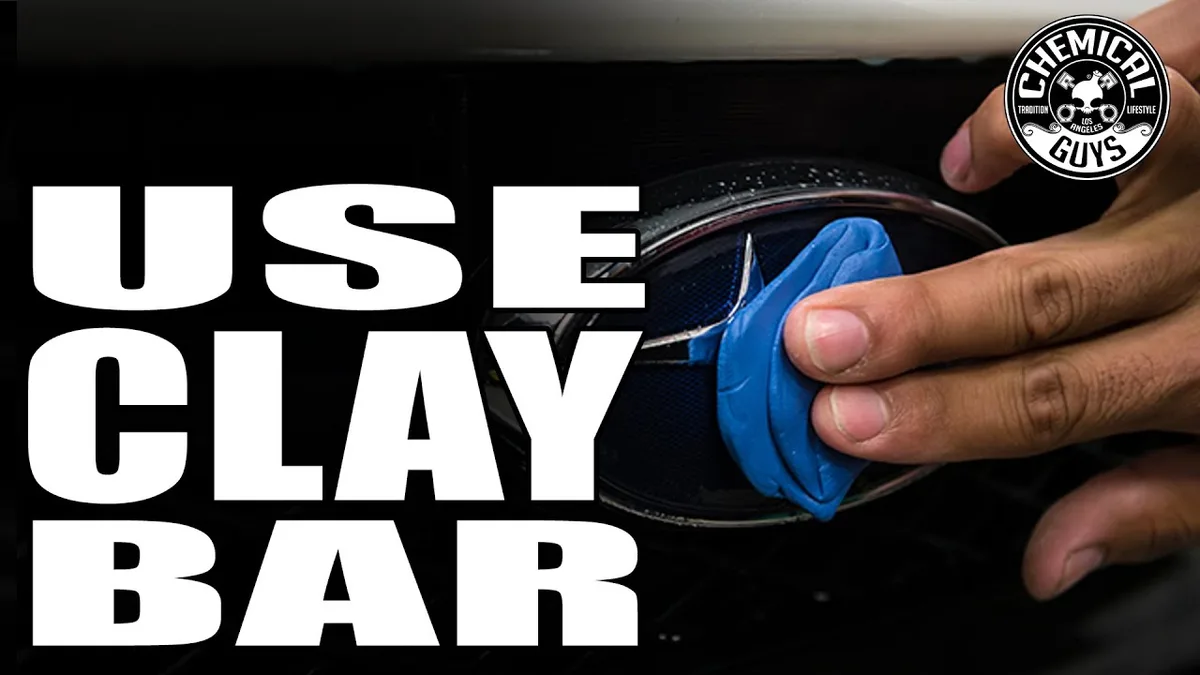
Image source: YouTube / Chemical Guys (YouTube thumbnail (fair-use with source credit))
Decontamination: When a Regular Wash Isn’t Enough
Even a thorough wash won’t remove embedded contaminants like brake dust, industrial fallout, or tar. These bond to the clear coat and require a clay bar or clay mitt to lift them safely.
Start with a clean, lubricated surface. Spray a clay lubricant or diluted car soap onto a small section. Gently glide the clay bar over the paint using light pressure.
If the clay picks up grit, knead it to expose a clean surface.
Work in small sections and dry the area immediately after. The paint will feel glass-smooth to the touch when properly decontaminated.
Protection: Wax, Sealant, or Ceramic Coating?
Black paint needs a protective layer to repel contaminants and UV rays. The right choice depends on your budget, time, and how long you want the protection to last.
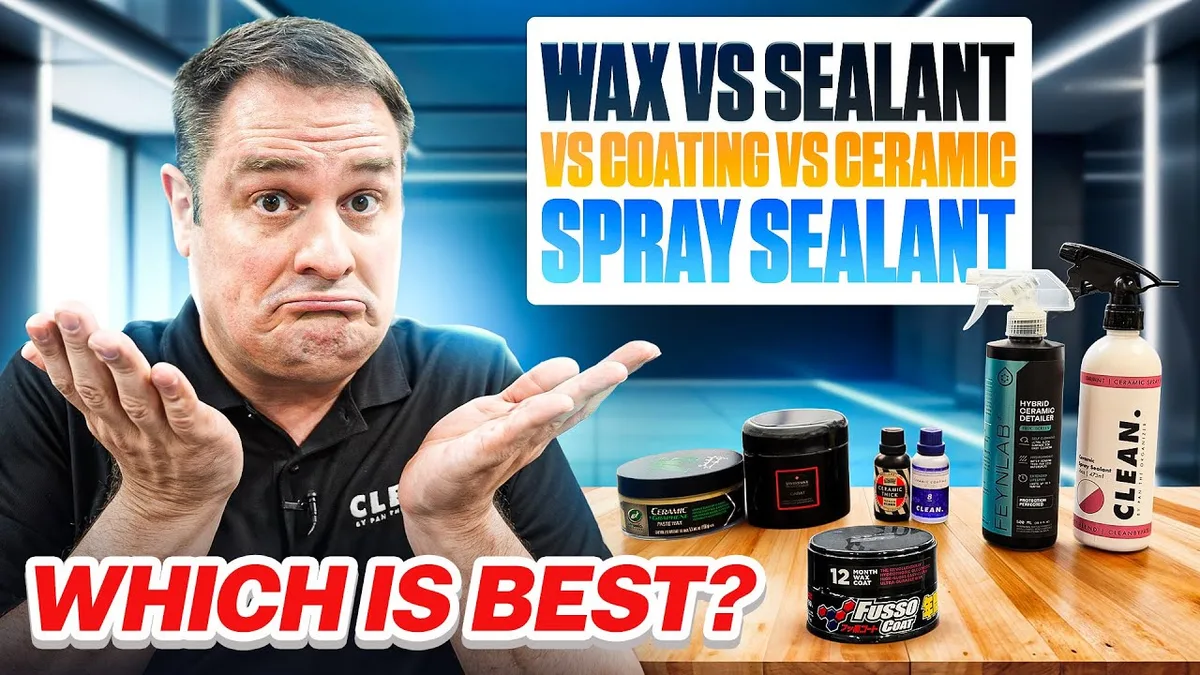
Image source: YouTube / Pan The Organizer (YouTube thumbnail (fair-use with source credit))
Wax
Natural carnauba wax gives the deepest, warmest shine but lasts only 1 to 3 months. It’s easy to apply and remove, making it ideal for enthusiasts who enjoy the process.
Sealant
Synthetic sealants last 4 to 6 months and provide stronger UV protection than wax. They’re more resistant to water spots and contaminants. The finish is glossy but lacks the depth of carnauba wax.
Ceramic coating
This is the longest-lasting option, with protection lasting 2 to 5 years. It creates a hydrophobic surface that repels water and dirt. However, it requires professional application and is more expensive upfront.
| Option | Durability | Shine | UV Protection | Cost | Ease of Application |
|---|---|---|---|---|---|
| Wax | 1–3 months | Excellent | Good | Low | Easy |
| Sealant | 4–6 months | Very Good | Excellent | Moderate | Moderate |
| Ceramic Coating | 2–5 years | Good | Excellent | High | Professional |
Maintenance: The Weekly and Monthly Routine for Black Cars
A consistent routine keeps black paint looking its best. Weekly washes remove surface dirt before it bonds to the finish. Use the two-bucket method and dry thoroughly to prevent water spots.
Monthly, inspect the paint for swirl marks or contaminants. Touch up any areas where the protective layer has worn thin. A quick detailer spray can restore gloss between washes.
Every 3 to 6 months, decontaminate the paint with a clay bar and reapply wax or sealant. Ceramic coatings need less frequent maintenance but still benefit from regular washing.
Common Mistakes That Ruin Black Paint (And How to Fix Them)
Washing in direct sunlight
This causes soap and water to dry too quickly, leaving streaks and spots. Always wash in the shade or during cooler parts of the day.
Using dish soap
Household detergents strip wax and damage the clear coat. Stick to pH-balanced car soap to preserve the finish.
Drying with a regular towel
Paper towels or bath towels can scratch the paint. Use a clean microfiber towel or a blower to dry safely.
Skipping the two-bucket method
A single bucket allows dirt to circulate back onto the paint. The two-bucket system keeps your wash mitt clean and reduces swirl marks.
Not removing contaminants immediately
Bird droppings, tree sap, and brake dust can etch into the clear coat if left too long. Remove them as soon as you notice them with a quick detailer or spot cleaner.
Climate-Specific Tips: Sun, Salt, Dust, and More
High-UV areas
In places like Arizona or Florida, UV rays accelerate oxidation. Apply a UV-protective sealant or ceramic coating and wash the car more frequently to remove dust and pollen.
Urban environments
Pollution and brake dust are constant threats. Use a clay bar every 3 months to remove embedded contaminants. A sealant or ceramic coating adds an extra layer of protection.
Coastal regions
Salt air can corrode the paint and metal parts. Rinse the car regularly to remove salt buildup. Wax or sealant helps create a barrier against corrosion.
Cold climates
Road salt and slush can damage the finish and undercarriage. Wash the car frequently during winter, paying extra attention to the wheels and underbody. Apply a protective coating before winter sets in.
Frequently Asked Questions
How often should I wash my black car?
Wash it every 1 to 2 weeks to prevent dirt buildup. In dusty or polluted areas, weekly washes are ideal. This frequency keeps contaminants from bonding to the paint.
Can I use dish soap to wash my black car?
No. Dish soap strips wax and damages the clear coat. Always use a pH-balanced car soap to protect the finish.
What’s the best way to dry a black car?
Use a clean microfiber towel or a blower. Pat the surface dry instead of dragging the towel to avoid swirl marks. Remove water from crevices first to prevent spots.
How do I remove water spots from black paint?
Use a water spot remover or a quick detailer spray. Apply it to the affected area and gently buff with a microfiber towel. The sooner you treat them, the easier they come off.
Does wax or sealant last longer on black cars?
Sealants last longer, typically 4 to 6 months. Wax provides a deeper shine but needs reapplication every 1 to 3 months. Choose based on your maintenance preferences.
Can I apply ceramic coating myself?
It’s possible but not recommended for beginners. Ceramic coatings require precise application and curing. Professional installation ensures even coverage and maximum durability.