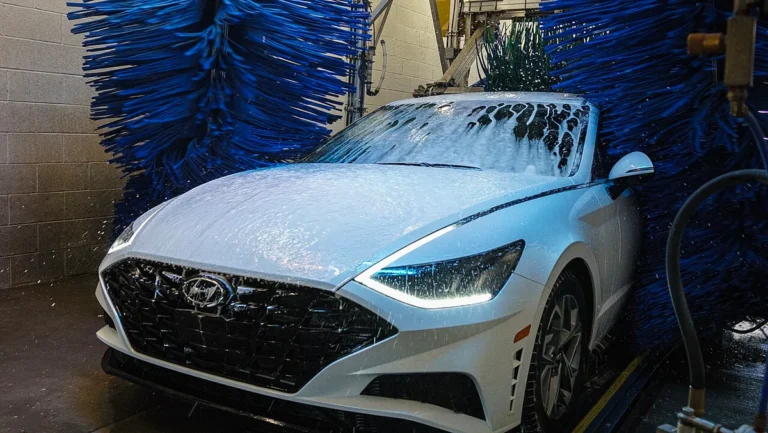
Drive-thru car washes save time but only if you know how to use them right. Learning how to use drive thru car wash properly means avoiding scratches, missed spots, and payment headaches. Most tunnels handle a wash in under 10 minutes, and the average cost runs $8 to $25 depending on the program.
Aggregate reviews show the biggest issues come from skipping prep or ignoring height limits. Here’s what you need to do before, during, and after to get it right.
Quick Answer: How to Use a Drive-Thru Car Wash in 60 Seconds
Pull up to the entrance and select your wash program. Pay at the kiosk with card or cash. Drive slowly onto the conveyor and stay in neutral.
Keep hands off the wheel and let the system guide your car. Exit once the dryer finishes.
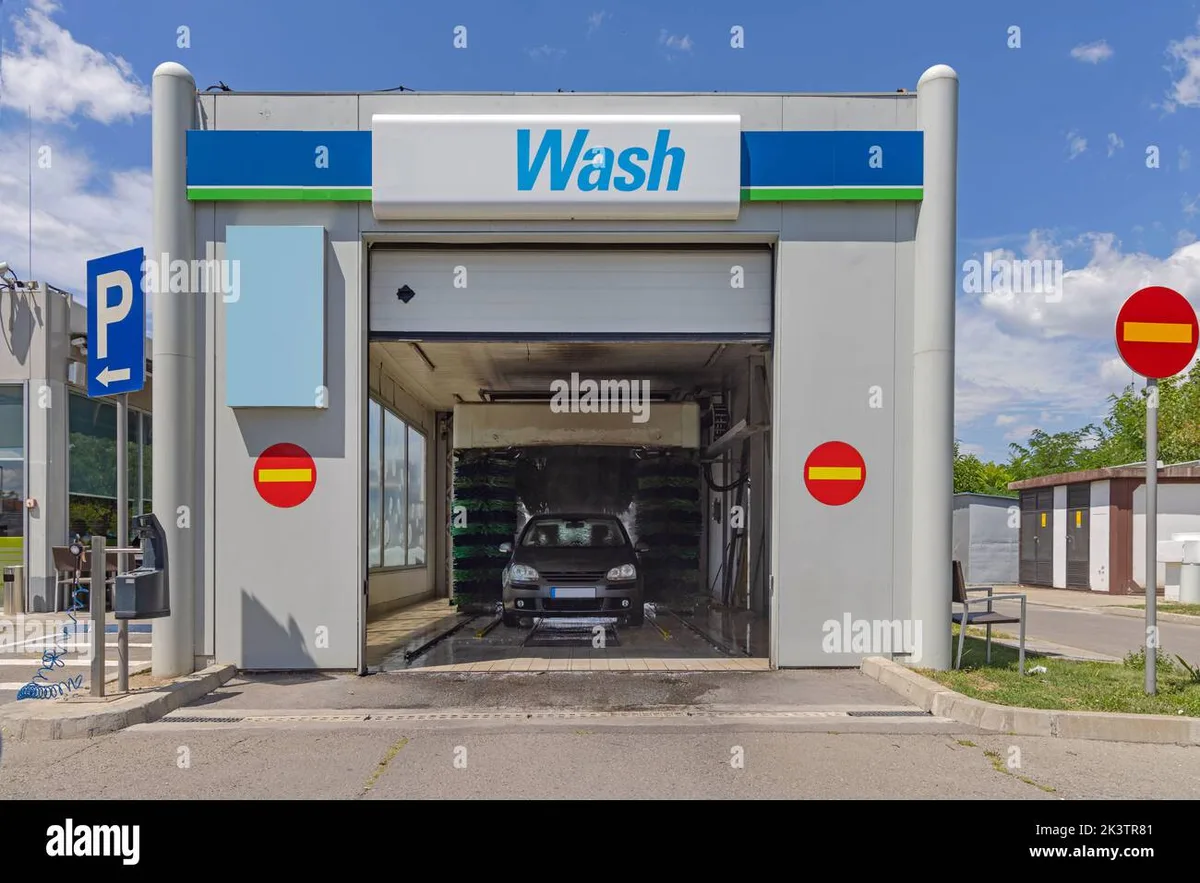
Why Drive-Thru Car Washes Are Worth It (And When They’re Not)
Drive-thru car washes shine for convenience. You get a clean car in minutes without lifting a finger, and most locations use 30 to 70 gallons of water per wash, less than a home hose session. They’re ideal for busy schedules or frequent upkeep, especially in areas with harsh winters where road salt builds up fast.
But they’re not perfect. Soft-cloth brushes can leave micro-scratches on delicate paint or wraps. Touchless systems sometimes miss tight spots like wheel wells.
If your vehicle has aftermarket finishes or loose parts, a hand wash might be the safer choice.
Drive-Thru vs. Touchless vs. Self-Serve: Which One’s Right for You?
Drive-thru (automatic) car wash
- Best for: Daily drivers, quick cleanups, membership users
- Pros: Fast, hands-free, consistent results
- Cons: Brush contact risk, less control over process
Touchless car wash
- Best for: Newer cars, sensitive paint, vehicles with wraps
- Pros: No physical contact, safe for most finishes
- Cons: May miss stubborn dirt, higher detergent use
Self-serve car wash
- Best for: Detail-oriented users, spot cleaning, budget-conscious drivers
- Pros: Full control, customizable
- Cons: Time-consuming, physical effort required

Manufacturer specs confirm touchless systems use high-pressure nozzles (800, 1,200 PSI) instead of brushes. If you prioritize speed and ease, drive-thru wins. If you’re protecting a showroom finish, touchless or self-serve may be better.
What to Do Before You Even Pull In
Start with a quick walk-around. Retract antennas, fold in side mirrors, and remove roof racks or loose items that could snag. Check your tire pressure, low pressure can misalign your car on the conveyor.
Close all windows and sunroofs to prevent water from entering the cabin. If your vehicle has a convertible top, confirm it’s fully secured unless the car wash explicitly allows soft-tops.
Step-by-Step: How to Use a Drive-Thru Car Wash Without Messing Up
Follow the lane markers and stop at the payment kiosk. Select your wash program, basic, standard, or premium, and pay. Most systems accept credit cards, cash, or app-based payments.
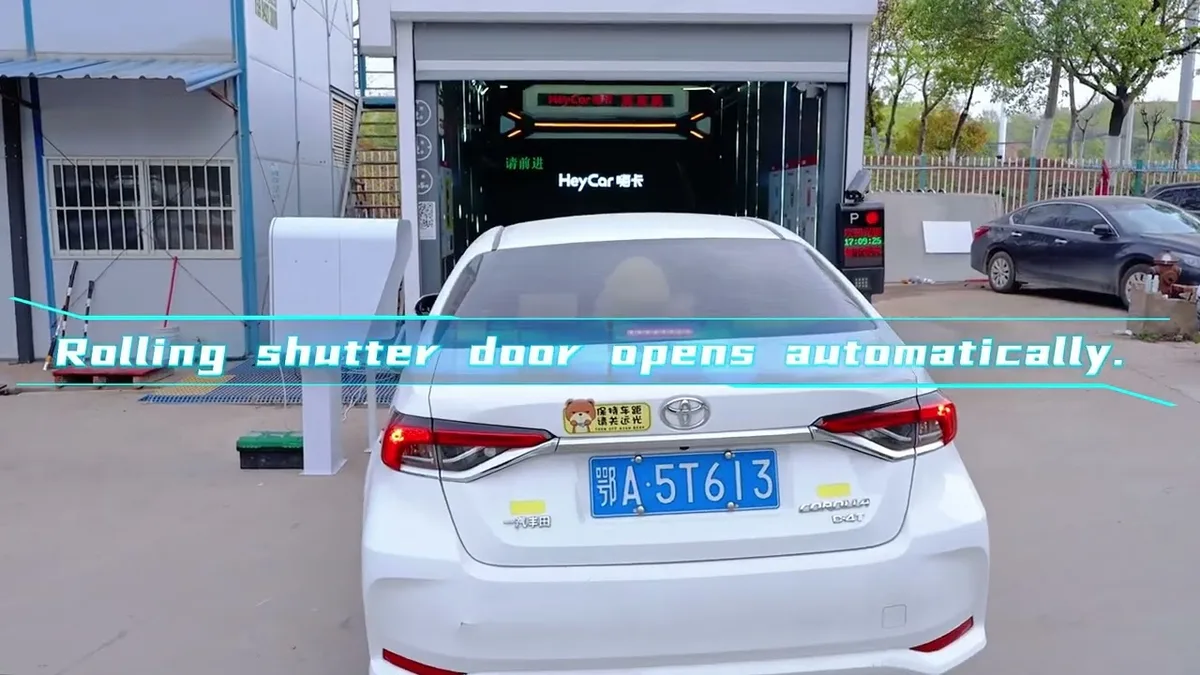
Once the light turns green, drive slowly onto the conveyor. Shift into neutral and take your foot off the brake. Keep your hands visible on the wheel but don’t steer unless the system prompts you.
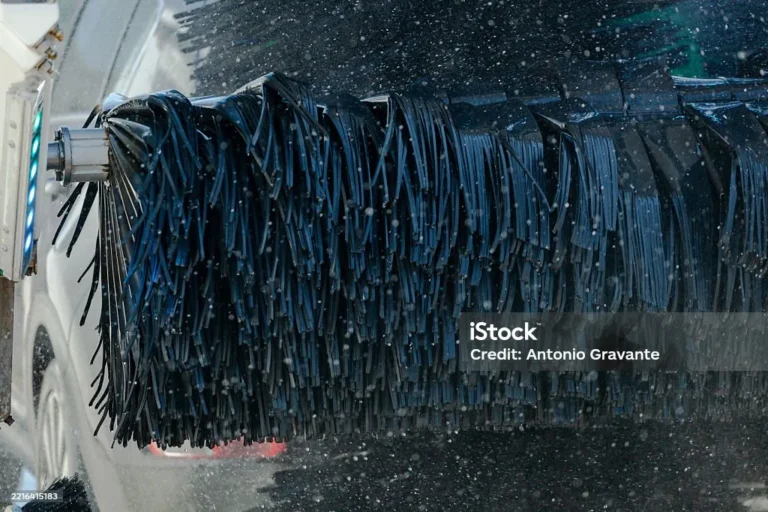
The pre-soak will loosen dirt, followed by high-pressure nozzles and brushes (if applicable). Stay in the car until the dryer cycle completes. If the conveyor stops unexpectedly, wait for staff instructions, never exit the vehicle.
Common Mistakes That Ruin Your Car (Or Your Day)
Leaving side mirrors extended is a top cause of damage. The brushes or tunnel walls can clip them, especially in tighter car washes. Always fold them in before entering.
Ignoring height limits is another frequent issue. Most tunnels cap at 6’6” to 8’ tall. If your roof rack or lifted truck exceeds this, you risk getting stuck or damaging equipment.
Skipping the pre-wash prep leads to missed spots. Dirt caked on wheels or trim won’t come off with a standard wash. A quick rinse at home first helps the car wash do its job better.
Can Your Car Handle a Drive-Thru Wash? Vehicle-Specific Warnings
Convertibles with soft tops often can’t go through automatic washes. The high-pressure water and brushes can damage the fabric or mechanisms. Check your owner’s manual first.
Vehicles with aftermarket paint or vinyl wraps need extra caution. Some wraps can peel under high-pressure nozzles or brush friction. Touchless washes are usually the safer bet.
Classic cars or those with delicate trim may also fare better with hand washing. The automated process can be too aggressive for vintage finishes or loose chrome.
Memberships, Add-Ons, and Hidden Costs: What’s Actually Worth It
Unlimited wash memberships typically cost $20 to $50 per month. If you wash your car more than twice a month, the membership pays for itself. Some chains offer family plans for multiple vehicles.
Add-ons like undercarriage washes or wax coatings can add $3 to $10 per session. These are worth it in winter to remove road salt or if you want extra protection between detail sessions.
Watch out for hidden fees. Some locations charge extra for vehicles over a certain size or with roof racks. Always check the fine print before committing.
What to Do If Something Goes Wrong Mid-Wash
If the conveyor stops, stay in your car and wait for staff. Exiting the vehicle can trigger safety protocols or cause injury. Most systems have emergency stop buttons monitored by attendants.
If the brushes get stuck on your car, don’t try to reverse. Turn on your hazard lights and wait for assistance. Forcing movement can damage your car or the equipment.
Payment errors happen. If the kiosk rejects your card, try another payment method or ask an attendant for help. Some locations have backup terminals or manual override options.
Pro Tips for a Spotless Finish Every Time
Use the pre-soak cycle if available. It loosens dirt so the main wash can clean more effectively. This is especially helpful for mud or bug splatter.
Choose the right program for your needs. A basic wash works for light dust, but heavy grime or salt buildup calls for a premium or undercarriage option.
Dry your car immediately after exiting. Water spots can form if you let it air-dry in the sun. Use a microfiber towel for the best results.
Frequently Asked Questions
Can I take a Tesla through a drive-thru car wash?
Yes, but check the manual first. Tesla recommends touchless washes for Model S, 3, X, and Y to avoid brush damage. Always retract the charge port cover and fold mirrors before entering.
Will a car wash damage my paint?
Soft-cloth washes can leave micro-scratches over time. Touchless systems are safer for sensitive finishes. Regular waxing helps protect your paint between washes.
How often should I wash my car?
Every two weeks is ideal for most climates. In winter, wash weekly to remove road salt. If you park under trees, more frequent washes prevent sap buildup.
What if my car gets stuck in the tunnel?
Stay in the vehicle and turn on your hazard lights. Staff will notice and assist. Never try to reverse or exit the car mid-cycle.
Are car wash memberships worth it?
If you wash your car more than twice a month, yes. Memberships typically cost $20 to $50 monthly and include unlimited basic washes. Some offer discounts on premium services.
Can I wash a car with a sunroof?
Yes, but close it completely first. Water can leak in if the sunroof isn’t sealed. Check for any gaps or damage before entering the wash.