Black Friday deals are live on Amazon · limited-time discounts, grab them before they’re gone
Grab the deals

ByMax Lee
Is It Easier to Wash White Car Or Black Car: Ultimate Clean Showdown
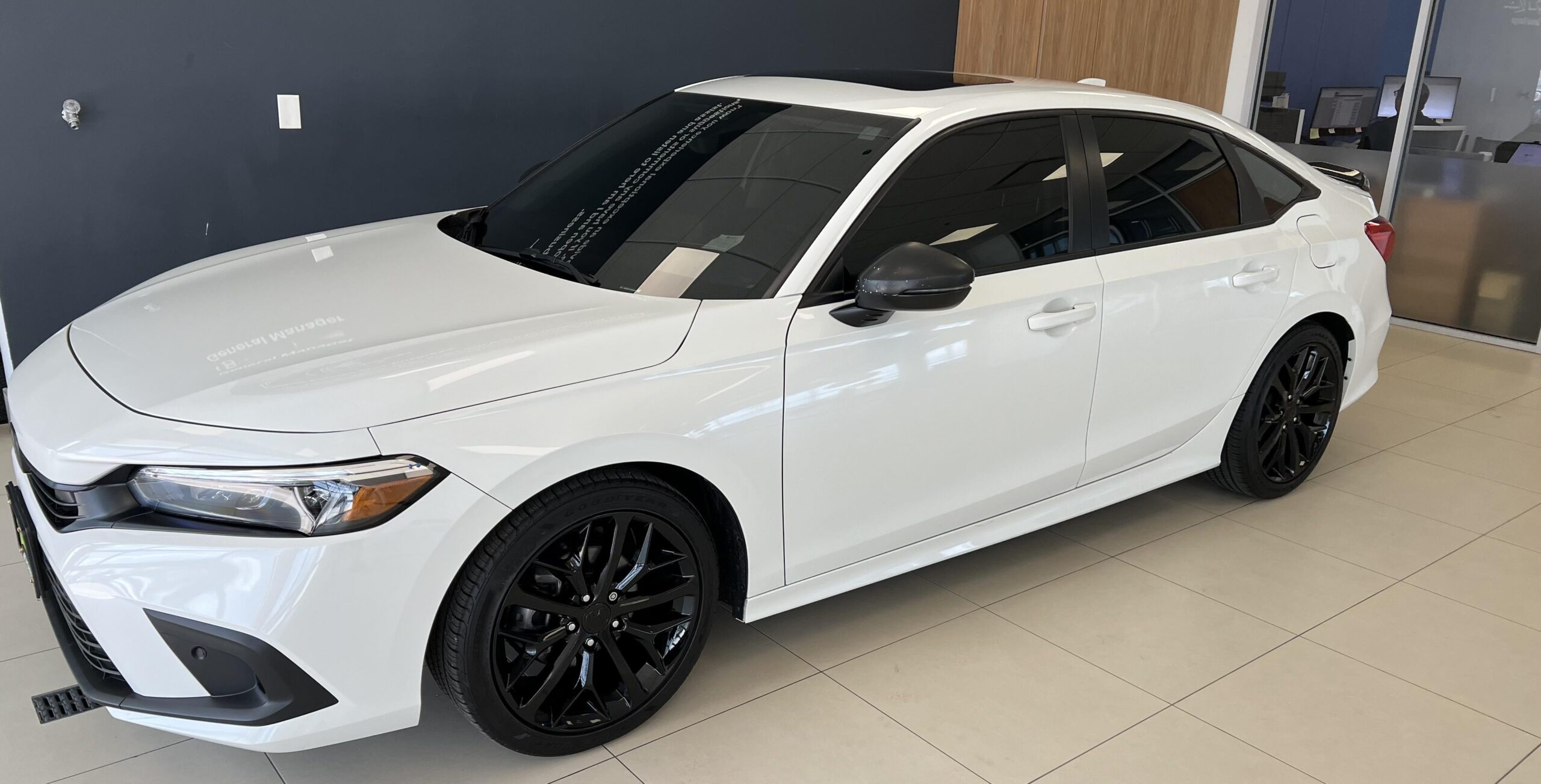
If your main goal is a car that looks clean with less effort, a white car is generally easier to maintain than a black car. White paint hides light dust and minor swirl marks, while black paint makes dust, pollen, fingerprints, water spots, and fine scratches highly visible.
That does not mean white cars never look dirty. Mud, greasy road film, bird droppings, and dark stains can stand out sharply against white paint. The real difference is how each color displays contamination and paint defects after washing. You can also read our guide on what is needed to wash a black car.
This guide compares white and black cars by washing frequency, dirt visibility, water spotting, scratches, fading, drying, and long-term paint care.
Quick Answer: White or Black Is Easier to Keep Clean?
For most drivers, white is the easier color to wash and keep looking presentable.
| Cleaning factor | White car | Black car |
|---|---|---|
| Light dust | Usually blends in | Highly visible |
| Dark mud | Very visible | Moderately visible |
| Pollen | Often less noticeable | Easy to see |
| Water spots | Less obvious from a distance | Very obvious |
| Fingerprints | Usually subtle | Easy to notice |
| Swirl marks | Better concealed | Stand out clearly |
| Drying demands | Moderate | High |
| Best for low-maintenance ownership | Yes | No |
| Maximum visual shine when perfect | Very good | Excellent |
White paint is more forgiving when the car has a light layer of dust or a few small washing imperfections. Black paint can look spectacular when freshly cleaned, but it usually requires more frequent and careful maintenance. You can also read our guide on best car wash for white cars.
Why Paint Color Changes the Cleaning Experience
The amount of dirt on a vehicle does not depend only on its paint color. Driving conditions, paint protection, weather, parking location, and washing technique matter more mechanically. However, color strongly affects contrast.
A pale layer of dust has relatively little contrast against white paint. The same dust forms a visible gray film on black paint. Dark water minerals contrast strongly with black paint, while they may be harder to notice on white. You can also read our guide on what is the safest sponge to wash black cars.
Paint color also changes how defects reflect light:
- Fine scratches scatter reflected light and appear gray or white on black paint.
- Swirl marks become visible when sunlight or a strong light hits the panel.
- White paint can conceal minor defects because its surface already reflects a broad range of light.
- Black paint shows both contamination and imperfections against a dark, glossy background.
This is why two cars can receive the same wash yet appear to have very different results.
How White Cars Display Dirt
White cars usually hide loose dust, light pollen, and ordinary road film better than black cars. That can make a white vehicle appear cleaner between washes, particularly in dry, dusty conditions.
However, white paint has its own obvious trouble spots:
- Brown or red mud splashes
- Grease and oily road film
- Bird droppings
- Tree sap
- Rust-colored iron particles
- Dark brake dust around wheels
- Asphalt and tar spots
- Insect residue on the front bumper
White paint can also develop a dull yellow or gray appearance when contamination bonds to the surface. The car may not look dramatically dirty from several feet away, yet the paint can feel rough when touched. You can also read our guide on can i use touchless car wash to wash black car.
A common mistake is assuming that hidden dirt is harmless. Contaminants such as bird droppings, tree sap, and road salt should be removed promptly because they can stain or etch the clear coat regardless of the vehicle’s color.

Credit: www.reddit.com
Dark road spray is especially noticeable against otherwise bright white paint.
How Black Cars Display Dirt
Black cars reveal almost every surface contaminant. Even a thin layer of dust can make a freshly washed vehicle look dull the next day. You can also read our guide on why does my black car look dirty after washing.
Black paint commonly shows:
- Dust and pollen
- Fingerprints around door handles
- Dried water droplets
- Soap residue
- Mineral deposits
- Fine scratches
- Swirl marks
- Towel lint
- Bird droppings and insect remains
The trade-off is visual impact. When a black car is properly washed, dried, and protected, its reflections can look deeper and sharper than those of a lighter vehicle. That dramatic finish is why many owners accept the extra work.
In practice, black paint rewards process discipline. A clean wash mitt, plenty of lubrication, separate wheel tools, and careful drying make a noticeable difference. Reusing a dirty sponge or dragging a towel across a dry panel can create defects that are immediately visible. You can also read our guide on best car wash products for white cars.
Which Color Needs More Frequent Washing?
Black cars generally need more frequent washing to look clean, not necessarily because the paint becomes physically dirtier faster.
A practical schedule depends on conditions:
- Dusty or pollen-heavy areas: rinse or wash when the film becomes visible, often more frequently on black paint.
- Rainy or muddy weather: wash either color soon after heavy road spray dries.
- Winter roads: remove salt and brine from paint, wheel wells, suspension areas, and underbody regularly.
- Coastal areas: rinse salt deposits before they remain on the finish for extended periods.
- Urban driving: remove greasy traffic film and airborne contaminants before they accumulate.
White cars may go longer between appearance-focused washes. Black cars often need attention sooner because a small amount of contamination affects their appearance. You can also read our guide on do car washes scratch black cars.
Regardless of color, avoid leaving bird droppings, tree sap, bug residue, or road salt on the paint. Those substances can damage a clear coat even when the car still looks acceptable.
Are White Cars Easier to Wash?
Yes, in most cases. White cars are more forgiving during the washing and drying process.
Small amounts of dust left behind after a rinse may be difficult to see. Minor towel marks and light swirl defects are also less apparent. This does not make poor technique safe, but it reduces the visual penalty for small mistakes. You can also read our guide on how to wash and dry a black car.
For a safer wash, use a two-bucket system with a dedicated wash mitt and grit guards. The clean-water bucket is for rinsing the mitt, while the soapy bucket holds fresh wash solution. This paint-safe bucket routine helps reduce the chance of dragging abrasive grit across the panels.
A reliable white-car wash process
- Park in shade and let the paint cool.
- Rinse loose dirt from the roof downward.
- Clean the wheels with separate tools.
- Wash one small panel at a time using lubricating car shampoo.
- Rinse the mitt frequently.
- Rinse the vehicle thoroughly from top to bottom.
- Dry with a clean, plush microfiber drying towel.
- Inspect the lower doors, rear bumper, and wheel arches for remaining mud.
- Remove tar, sap, or iron contamination with the appropriate product rather than scrubbing aggressively.
- Apply a compatible sealant or wax if the surface needs additional protection.
White paint benefits from periodic decontamination. If the surface feels gritty after washing, a chemical iron remover or clay treatment may be appropriate. Use these products carefully and follow their instructions; aggressive claying can add marring if the surface is not well lubricated. You can also read our guide on how often should i wash my black car.
Are Black Cars Harder to Wash?
Black cars are not fundamentally harder to clean, but they are less tolerant of rushed or abrasive methods.
The biggest risks are not the soap itself. They are:
- Rubbing loose grit over the paint
- Washing in direct sun
- Using a dirty sponge
- Allowing shampoo to dry on the panel
- Drying with an old or contaminated towel
- Wiping dust from a dry surface
- Using excessive pressure on a dirty panel
- Reusing wheel towels on painted surfaces
A black car should be washed from the cleanest areas to the dirtiest areas:
- Roof and glass
- Hood and upper panels
- Upper doors and fenders
- Lower doors and rear panels
- Wheels, tires, and wheel arches with separate equipment
Do not use one towel for every task. Keep separate microfiber towels for paint, glass, wheels, and door jambs. A towel that touched brake dust should never return to the hood.
How to Wash a Black Car Without Swirl Marks
The safest approach is to remove as much loose contamination as possible before making contact with the paint.
Before touching the paint
- Work in shade.
- Rinse the entire car thoroughly.
- Use a pressure washer or hose with care, keeping the nozzle at a safe distance.
- Clean wheels and tires with separate tools.
- Prepare fresh wash solution.
- Use a clean, high-quality microfiber mitt.
During the contact wash
Wash one panel at a time, using straight passes rather than hard circular scrubbing. Rinse the mitt after each panel or whenever it picks up visible dirt. Let the shampoo provide lubrication; pressure should be light. You can also read our guide on how to keep a black car clean between washes.
If a spot does not come off easily, do not repeatedly grind at it with a mitt. Rinse, apply an appropriate cleaner, and allow it time to work. Stubborn tar, sap, and mineral deposits often require chemical treatment rather than more force.
Drying
Dry black paint immediately after rinsing. Water left to evaporate can deposit minerals, especially where the local water supply is hard. A large, clean drying towel or filtered air can reduce contact with the paint. You can also read our guide on how to wash a black car without water spots.
Compressed air is useful for mirrors, badges, grille openings, wheel spokes, and trim gaps. If you use an air compressor, the right air-system setup should deliver clean, dry air without blowing accumulated dirt from a dirty hose or fitting onto the vehicle.
Do not wipe a visibly dusty black car with a dry towel. Rinse it first.
Which Color Shows Water Spots More?
Black cars show water spots more clearly, particularly in direct sunlight. A water spot is often a mineral residue left behind when water evaporates. The visible ring is not always dirt that can be removed with ordinary shampoo. You can also read our guide on how to wash a black car without swirl marks.
White cars can still develop water spots, but the contrast is usually lower. This makes them less noticeable, not immune.
To reduce spotting:
- Avoid washing in direct sun.
- Do not allow rinse water to dry on warm panels.
- Dry from the top down.
- Use a clean drying towel.
- Rinse thoroughly to remove shampoo residue.
- Consider filtered or softened rinse water if mineral deposits are a persistent problem.
- Use a suitable water-spot remover for established deposits, testing it on an inconspicuous area first.
If spots remain after washing, do not immediately use an abrasive polish. First determine whether they are surface minerals, bonded contamination, or etching in the clear coat.
Which Color Shows Scratches and Swirl Marks?
Black cars show scratches and swirl marks more readily than white cars. This is one of the largest practical differences between the two colors.
Many apparent “scratches” on black paint are actually wash-induced micro-marring. These fine defects may come from:
- Dirty wash media
- Contaminated drying towels
- Automatic brushes
- Dry dusting
- Poor storage of microfiber towels
- Pressing too hard while cleaning
White paint can also be scratched, but fine defects usually have less visual contrast. Deeper scratches that reach through the clear coat or paint will remain visible on either color.
Paint protection can make washing easier, but no coating makes a vehicle scratch-proof. Ceramic coatings, sealants, and waxes can improve water behavior and reduce bonding, yet safe washing remains essential.
Does Black Paint Fade Faster Than White Paint?
Black paint can become hotter in direct sunlight because dark surfaces absorb more visible light. However, it is too simplistic to say that every black car will fade faster than every white car.
Long-term fading depends on:
- Ultraviolet exposure
- Clear-coat condition
- Paint formulation
- Manufacturing quality
- Parking habits
- Climate
- Washing chemicals
- Neglected oxidation
- Whether the vehicle has a protective coating
White paint often stays cooler to the touch, while black paint can show oxidation, haze, and loss of gloss more dramatically. Regular washing removes abrasive contamination, and a paint protectant helps limit exposure to environmental contamination and UV-related deterioration.
For older vehicles, preserving the finish is only one part of ownership. Keeping up with broader older-car maintenance can help prevent cosmetic neglect from becoming a larger restoration issue.
White vs. Black: Which Looks Dirty Faster?
The answer depends on the type of dirt.
White usually looks dirtier with:
- Brown mud
- Black grease
- Tar
- Bird droppings
- Rust-colored contamination
- Heavy insect residue
Black usually looks dirtier with:
- Fine dust
- Pollen
- Dried water
- Fingerprints
- Soap residue
- Light road film
- Fine scratches and swirl marks
In dry climates, black may look dirty within a day because dust contrasts so strongly with the paint. In muddy or rainy conditions, white may show splash marks more dramatically.
Seasonal and regional factors
Your environment can change the answer:
- In dusty regions, white is usually easier to keep presentable.
- In areas with frequent mud, both colors need prompt washing.
- In snowy regions, either color can collect salt and brine that should be rinsed away.
- In tree-covered parking areas, both colors are vulnerable to sap and bird droppings.
- In mountainous or winter-road conditions, removing abrasive road residue is more important than the paint color; practical mountain driving preparation can also affect how much grime reaches the vehicle.
How Glass and Trim Affect the Final Result
A clean paint finish can still look neglected if the glass, tires, and exterior trim are dirty.
Use a dedicated glass towel and automotive glass cleaner. If the vehicle has aftermarket window film, avoid ammonia-based products unless the film manufacturer specifically permits them. Clean glass with light pressure to prevent dragging grit across the surface. Understanding window-film care requirements is useful when maintaining tinted side windows, although local legal limits are separate from cleaning instructions.
Dress tires sparingly. Excessively shiny tire products can sling onto white bodywork and create dark spots along the lower panels. On black cars, greasy trim dressing can also make the finish look uneven.
A Practical Maintenance Routine for Either Color
After every wash
- Inspect the lower panels and rear bumper.
- Dry mirrors, badges, and trim gaps.
- Clean visible bird droppings or sap promptly.
- Shake out and separate used microfiber towels.
- Check for remaining water spots before the car sits in the sun.
Every few months
- Test whether the paint feels rough after washing.
- Remove bonded iron or tar contamination as needed.
- Inspect the clear coat for haze or marring.
- Refresh wax, sealant, or another compatible protectant.
- Clean door jambs and the area around the fuel door or charging port.
When the vehicle is heavily soiled
Do not try to make a heavily muddy car perfect with repeated hand rubbing. Rinse first, use a suitable pre-wash product, and work in sections. For severe contamination, a professional detailer may be safer than aggressive home scrubbing.
When washing near a storm drain, keep dirty runoff and chemical residue under control. The U.S. Environmental Protection Agency provides broader guidance on protecting waterways from polluted runoff; local rules may also apply to commercial car-wash wastewater and household washing practices.

Credit: www.reddit.com
The comparison illustrates how the same surface contamination has different visual contrast on light and dark paint.
Final Verdict: Is White or Black Easier to Wash?
White cars are easier for most owners to keep looking clean. They hide light dust, pollen, and minor wash marks better, and they usually require less appearance-focused maintenance between washes.
Black cars demand more care but offer a stronger visual payoff. They show dust, water spots, fingerprints, and swirl marks quickly, yet a properly washed and protected black car can have an exceptionally deep, reflective finish.
Choose white if you prioritize:
- Less frequent appearance-focused washing
- Better concealment of light dust
- A more forgiving finish
- Lower visibility of minor swirl marks
Choose black if you prioritize:
- Maximum gloss and visual depth
- A dramatic freshly detailed appearance
- Willingness to wash and dry carefully
- Regular paint protection and maintenance
The best color is ultimately the one that matches your environment and cleaning habits. Whichever color you own, rinse before rubbing, use clean wash media, dry promptly, and remove harmful contaminants before they bond to the paint.
Frequently Asked Questions
Is a white car easier to keep clean than a black car?
Usually, yes. White paint hides fine dust and light pollen better than black paint. However, mud, grease, tar, bird droppings, and rust-colored contamination can stand out sharply on white panels.
Do black cars need to be washed more often?
Black cars do not necessarily collect dirt faster, but they show it sooner. Owners often wash them more frequently because dust, water spots, fingerprints, and pollen are much easier to see.
Which car color shows water spots more?
Black cars generally show water spots more clearly. Minerals left behind after evaporation create strong contrast against dark glossy paint, while the same deposits may be less noticeable on white.
Are black cars more likely to get scratches?
The paint is not automatically weaker because it is black. Black vehicles simply make fine scratches and swirl marks easier to see. Poor wash media, dry wiping, and abrasive automatic brushes can damage any paint color.
Does white paint hide scratches?
White paint can hide fine micro-marring and light swirl marks better than black paint. Deep scratches, chips, and defects that expose a lower paint layer remain visible on both colors.
Is a touchless wash safer for black paint?
A properly maintained touchless wash avoids brush contact, which can reduce the risk of wash-induced marring. However, touchless systems may use stronger chemicals and may not remove all bonded contamination. Rinse thoroughly and inspect the finish afterward.
How can I keep a black car clean between washes?
Use a garage or covered parking space when possible, remove bird droppings promptly, avoid wiping dry dust from the paint, and use a waterless or rinseless product only according to its instructions and with sufficient lubrication. A protective sealant can also make contamination easier to remove.
Should I wax a white or black car?
Both can benefit from a compatible wax, sealant, or coating. Protection will not prevent scratches, but it can improve water behavior and make routine washing easier. Follow the product instructions and prepare the surface properly before applying it.








