If you’re wondering about the Massachusetts blue and red light prohibition for private motor vehicles, the rule is clear: these colors are reserved for authorized emergency vehicles only. Private cars, trucks, or motorcycles can’t legally display them under state law.
Per Massachusetts General Laws Chapter 85, violating this can mean fines and even vehicle inspection failures. So before adding any aftermarket lights, it’s worth knowing exactly what’s allowed.
Quick Answer
The Massachusetts blue and red light prohibition for private motor vehicles bans these colors on non-emergency cars. Only police, fire, and EMS vehicles may use them. Amber lights are the legal alternative for non-emergency warning.
Fines apply for violations.
What Massachusetts Law Says About Blue and Red Lights on Private Vehicles
Massachusetts General Laws Chapter 85, Section 3 explicitly prohibits blue and red lights on private vehicles. These colors are restricted to authorized emergency vehicles like police cruisers, fire trucks, and ambulances.
The law also covers flashing and rotating lights, not just steady illumination. This ensures public safety by preventing confusion or impersonation of emergency responders.
Quick Answer: Are Blue or Red Lights Legal for You?
No. Private vehicles in Massachusetts cannot legally display blue or red lights under any circumstance. The only exceptions are for authorized emergency and certain volunteer responder vehicles.
If your car has these lights installed, you’re in violation of state law. Removal is the only compliant solution.
The Exact Rules in Massachusetts General Laws
The core rule is in MGL Chapter 85, Section 3, which states that no private motor vehicle may have blue or red lights visible from any direction. This includes light bars, flashing units, or any aftermarket installations.
Section 7 of the same chapter outlines the exemptions, which apply only to:
- Police vehicles
- Fire department vehicles
- Ambulances and other EMS vehicles
- Certain authorized volunteer emergency responders
The Massachusetts Registry of Motor Vehicles enforces these rules during inspections. As of 2026, violations can result in fines starting at $50, with higher penalties for repeat offenses.
Who’s Allowed to Use Blue and Red Lights (And Who Isn’t)
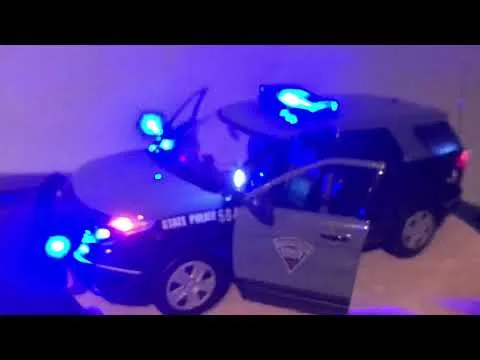
Authorized emergency vehicles are the only ones permitted to display blue and red lights in Massachusetts. This includes:
- Police cars (state, local, and campus police)
- Fire trucks and rescue vehicles
- Ambulances and EMT vehicles
- Certain government or military vehicles on official duty
Private vehicles, even those used for security or towing, are not exempt. The only legal non-emergency light color is amber, which is permitted for warning purposes on vehicles like tow trucks or construction equipment.
For volunteer emergency responders, exemptions exist but require proper authorization and vehicle registration. Without this, the same prohibitions apply.
Exemptions You Might Qualify For
Volunteer firefighters and emergency medical responders may qualify for exemptions under MGL Chapter 85, Section 7. These require:
- Official authorization from a fire or EMS department
- Proper vehicle registration with the Massachusetts RMV
- Compliance with specific light placement and usage rules
Security vehicles and private tow trucks do not qualify for blue or red light exemptions. Amber lights are the only legal option for these uses.
If you’re unsure whether you qualify, check with your local fire or police department. Unauthorized use can still result in fines, even if you believe you’re eligible.
What Happens If You Break the Law
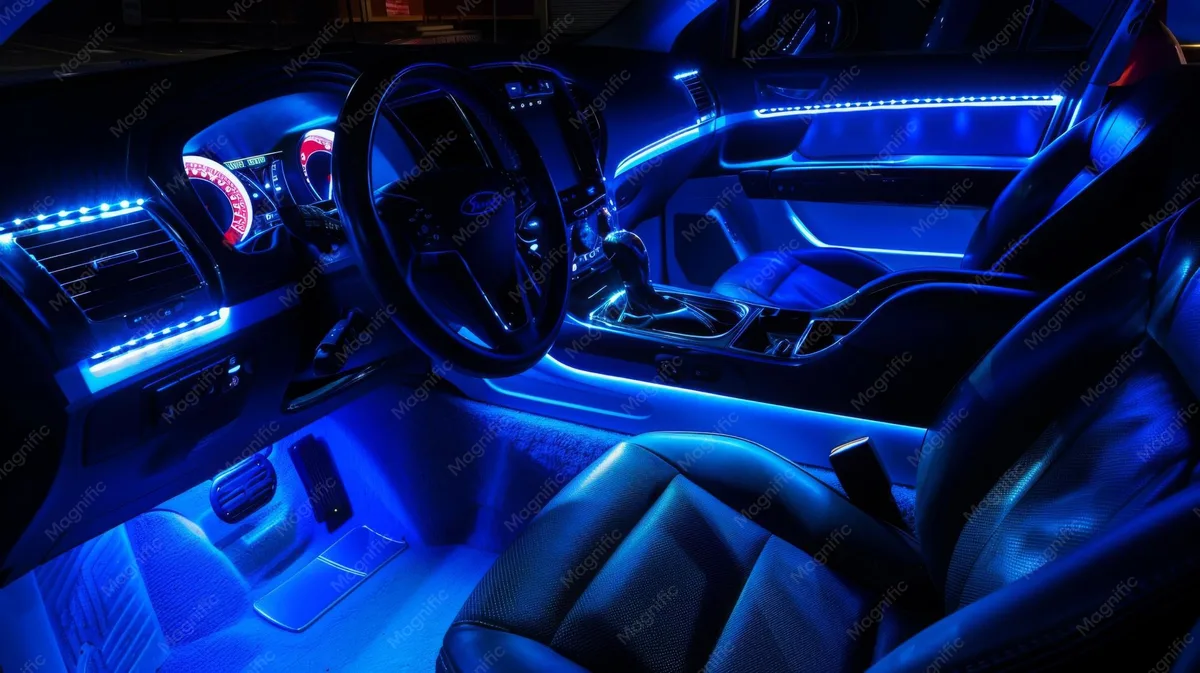
First-time violations typically result in a $50 to $200 fine. The exact amount depends on the municipality and the officer’s discretion.
Repeat offenses can lead to higher fines and even vehicle impoundment. The Massachusetts State Police actively enforce these rules during traffic stops.
Your vehicle may also fail its next inspection if non-compliant lights are installed. Inspectors check for illegal lighting during the standard safety inspection process.
How to Check If Your Vehicle’s Lights Are Compliant
Start by examining all exterior lights on your vehicle. Look for any blue or red illumination, including aftermarket additions.
Check the light color against the legal standards. Amber is the only non-emergency warning color permitted in Massachusetts.
If you find any blue or red lights, remove them before your next inspection. Non-compliant lighting is an automatic failure point.
What to Do If You Already Have Non-Compliant Lights
Remove the lights immediately to avoid fines. Most aftermarket light bars can be uninstalled with basic tools.
If you’re unsure about the removal process, consult a professional mechanic. They can ensure the job is done safely and completely.
After removal, keep the receipt as proof of compliance. This can be helpful if you’re stopped by law enforcement before your next inspection.
Amber Lights: The Legal Alternative for Non-Emergency Vehicles
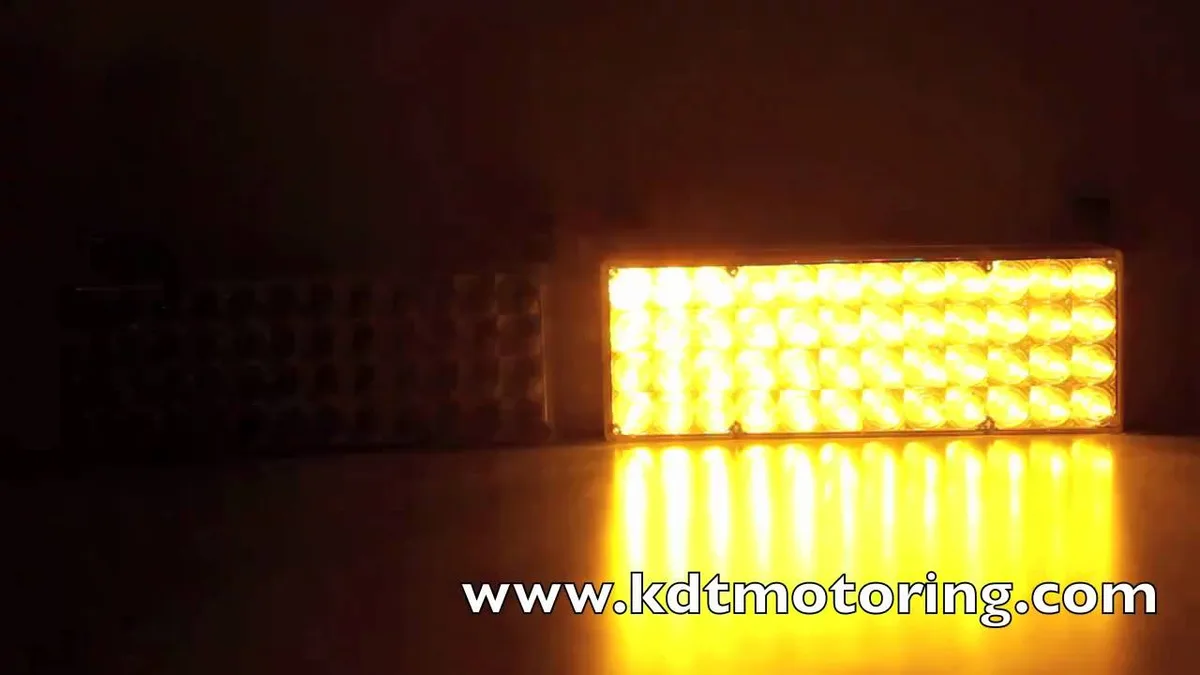
Amber lights are the only legal warning color for non-emergency vehicles in Massachusetts. This includes tow trucks, construction vehicles, and utility vehicles.
These lights must be used only for warning purposes, not for emergency signaling. They should be visible but not distracting to other drivers.
Amber lights are widely available and easy to install. They provide the visibility you need without violating state law.
How Enforcement Works in Massachusetts
The Massachusetts State Police and local law enforcement agencies actively monitor for illegal light use. Officers can pull over vehicles displaying blue or red lights during routine patrols.
During vehicle inspections, RMV inspectors check for compliance with lighting regulations. Non-compliant vehicles will not pass inspection until the issue is resolved.
If you’re stopped for illegal lights, you’ll likely receive a citation. The fine must be paid, and the lights must be removed to avoid further penalties.
Common Mistakes That Get Drivers in Trouble
Assuming aftermarket lights are legal if they’re not blue or red is a common error. Some drivers install green or white flashing lights, which are also restricted for private vehicles.
Another mistake is keeping emergency lights from a previous owner. Even if the vehicle was once authorized, the exemption doesn’t transfer to the new owner.
Some drivers believe dim or internal lights are acceptable. The law prohibits any visible blue or red illumination, regardless of brightness or placement.
How to Report Illegal Light Use
If you see a private vehicle with blue or red lights, you can report it to local law enforcement. Provide the vehicle’s location, make, model, and license plate number if possible.
The Massachusetts State Police non-emergency line is another option. They can direct your report to the appropriate agency.
For ongoing issues, contact your local police department’s traffic division. They can investigate patterns of illegal light use in your area.
Volunteer Emergency Responder Exemptions
Volunteer firefighters and EMS personnel may qualify for blue or red light exemptions. This requires official authorization from their department.
The vehicle must be registered with the RMV as an emergency responder vehicle. Personal vehicles used for volunteer work don’t automatically qualify.
Exemptions typically apply only during active emergency response. Using the lights for non-emergency purposes can still result in penalties.
Frequently Asked Questions
Can I use blue lights if I’m a security guard?
No. Security vehicles in Massachusetts are not exempt from the blue and red light prohibition. Amber lights are the only legal option for non-emergency warning purposes.
Are underglow lights legal in Massachusetts?
Underglow lights are generally permitted as long as they’re not blue or red. However, they must not be visible from the front of the vehicle and cannot flash or rotate.
What if my car came with blue accent lights from the factory?
Factory-installed blue accent lights that aren’t visible as emergency lights may be permissible. However, any light that could be mistaken for an emergency vehicle light is prohibited. When in doubt, check with the RMV.
Do the rules apply to motorcycles?
Yes. The same prohibitions on blue and red lights apply to all private motor vehicles, including motorcycles. Amber is the only legal warning color for non-emergency use.
Can I get a permit to use blue lights on my personal car?
No permits are available for private vehicles to use blue or red lights. The only exceptions are for authorized emergency and certain volunteer responder vehicles.