ByMax Lee
Maine Tractor Road Laws & Flashing Light Rules
YouTube / LEADO Lighting (YouTube thumbnail (fair-use with source credit))
If you’re moving a tractor on Maine roads, you need to know the exact rules to stay legal and safe. The Maine farm tractor road use laws and flashing light requirements spell out what lighting, emblems, and equipment are mandatory before you hit public pavement.
Per the Maine Department of Transportation, tractors must display an orange Slow-Moving Vehicle emblem and amber flashing lights when traveling under 25 mph. Get this wrong, and you risk fines or worse, an accident.
Quick Answer
Maine requires farm tractors on public roads to have a visible SMV emblem and amber flashing lights. The emblem must be mounted 3, 5 feet above the road. Flashing lights need to be visible from 500 feet in daylight.
These rules apply to any agricultural vehicle traveling under 25 mph.
Why Maine’s Farm Tractor Road Laws Matter for Safety and Compliance
These laws exist to prevent collisions between slow-moving farm equipment and faster traffic. A tractor without proper lighting or emblems is nearly invisible to drivers approaching from behind, especially at dawn, dusk, or in poor weather.
Non-compliance isn’t just a ticket risk, it can void insurance coverage if an accident occurs. The Maine DOT enforces these rules to protect both farmers and the public.
Maine’s Core Road Use Rules for Farm Tractors
Farm tractors are classified as slow-moving vehicles in Maine when traveling under 25 mph. This triggers specific equipment requirements under state law.
Key rules include:
- Speed limit: Tractors must not exceed 25 mph on public roads unless designed for higher speeds.
- Width restrictions: Equipment wider than 10 feet may require permits.
- Time of day: Lighting rules apply 24/7, not just at night.
YouTube / K53PassRight (YouTube thumbnail (fair-use with source credit))
Local ordinances can add extra restrictions, so always check with your county. State troopers and local police actively enforce these regulations during planting and harvest seasons.
Flashing Light Requirements: What You Must Have
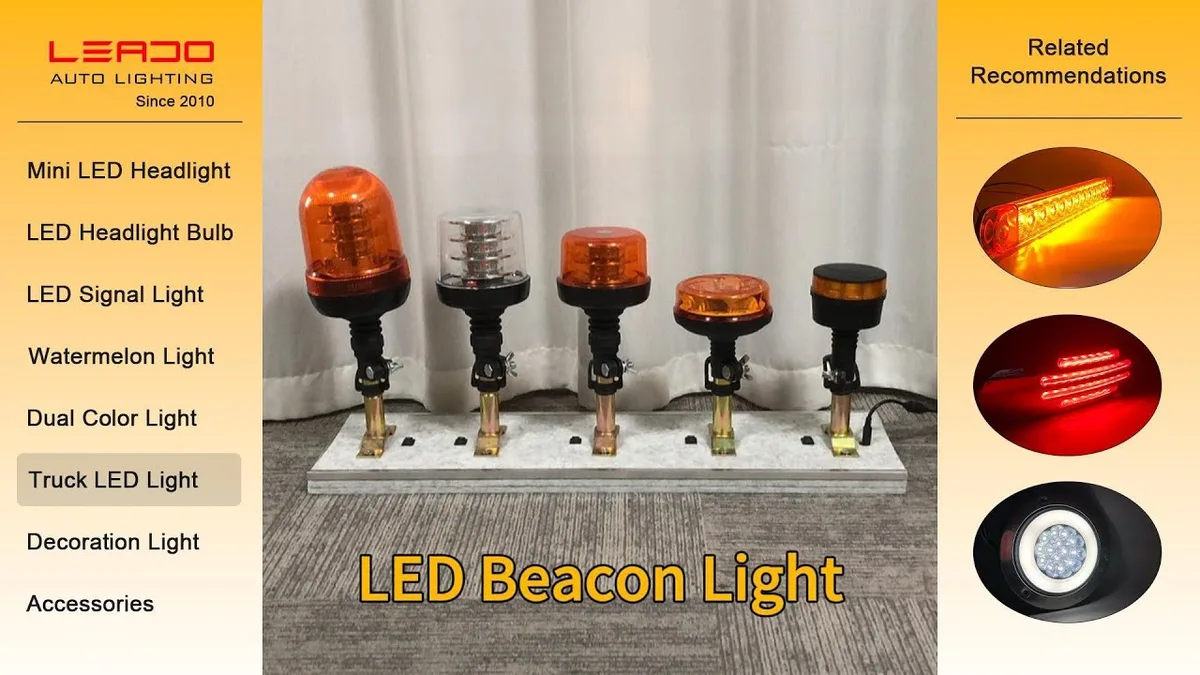
Maine mandates amber flashing lights for tractors on public roads. These must be visible from at least 500 feet in normal daylight conditions.
The lights should be mounted as high as practical, typically on the roof or rear of the tractor. They must flash at a rate of 60, 120 times per minute. LED lights are acceptable if they meet brightness standards.
YouTube / Hardline Products® (YouTube thumbnail (fair-use with source credit))
SMV Emblem Rules and Where to Place It
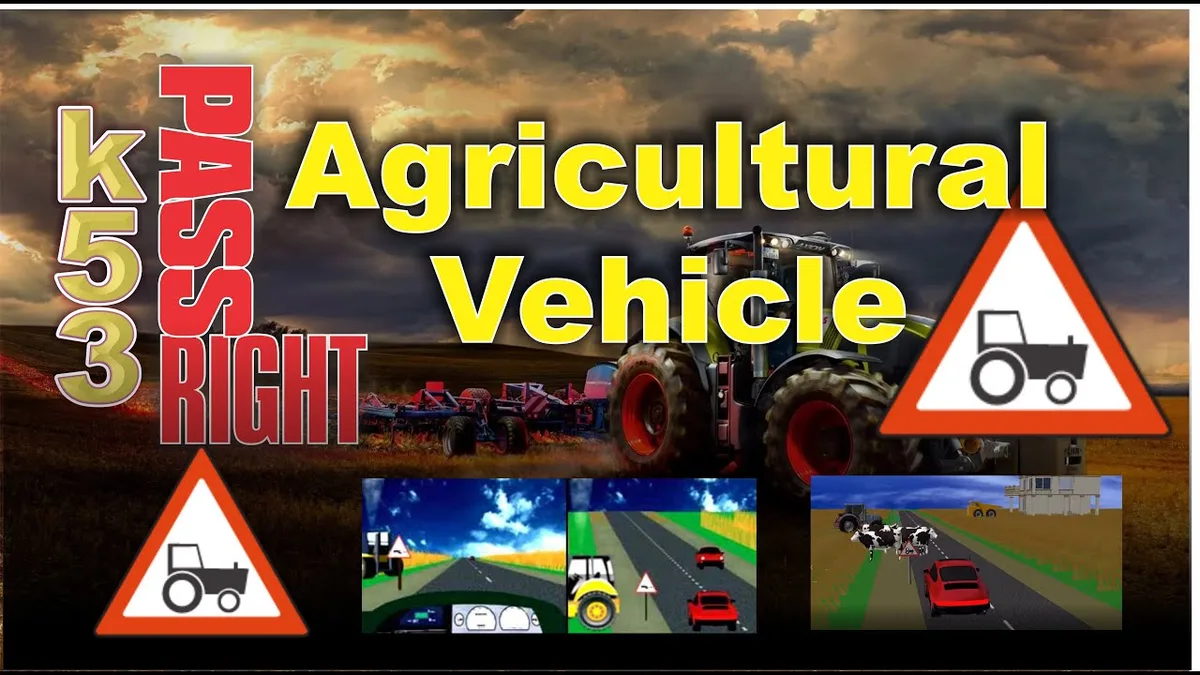
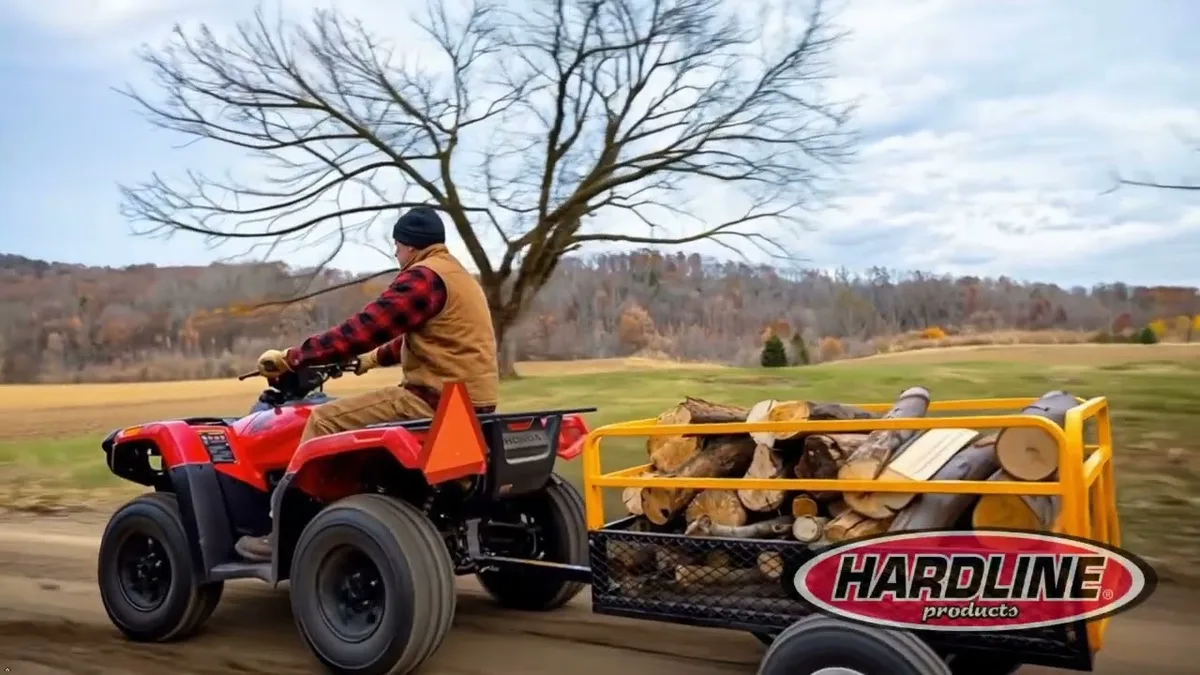
The Slow-Moving Vehicle emblem is a reflective orange triangle with a red border. It must be mounted on the rear of the vehicle, 3, 5 feet above the road surface.
The emblem should be kept clean and unobstructed. If your tractor is towing equipment, the emblem must be visible on the rearmost implement. Replacement emblems must meet ASABE S276.5 standards, which the American Society of Agricultural and Biological Engineers defines.
Speed Limits, Width Restrictions, and Other Key Limits
Maine caps farm tractor speeds at 25 mph on public roads unless the vehicle is designed for higher speeds. This applies even if the tractor could technically go faster.
Width limits are strict. Anything over 8.5 feet wide needs an oversize load permit. Height is generally capped at 13.5 feet, but local bridges may have lower clearances.
Weight restrictions also apply. Single axles over 18,000 lbs or tandem axles over 34,000 lbs require special permits. Always check with the Maine DOT before moving heavy equipment.
When Do These Rules Apply (and When They Don’t)
The rules kick in the moment your tractor hits a public road. This includes moving between fields that require crossing or traveling on a highway.
Private property is exempt. If you’re only operating on your own land or a neighbor’s with permission, these road use laws don’t apply.
Seasonal exemptions don’t exist. Some farmers assume harvest season gets special treatment, but Maine enforces these rules year-round.
Common Mistakes That Get Farmers Fined
Skipping the SMV emblem is the most common violation. Without it, your tractor is nearly invisible to other drivers.
Improper lighting is another frequent issue. Flashing amber lights must be visible from all directions, not just the rear.
Many farmers forget to clean their emblems. A dirty or faded SMV triangle doesn’t meet visibility standards.
Step-by-Step: How to Make Your Tractor Road-Legal in Maine
First, inspect your SMV emblem. It should be clean, unobstructed, and mounted 3, 5 feet above the road.
Next, check your lighting. Amber flashing lights must be functional and visible from 500 feet in daylight. Replace any burnt-out bulbs immediately.
Bing (Web (fair-use with source credit))
Then, verify your speed and dimensions. Ensure your tractor doesn’t exceed 25 mph and stays within width and height limits.
Finally, test everything. Drive a short distance on a quiet road to confirm all lights and emblems are visible.
Local vs. State Laws: What to Watch For
Maine’s state laws set the baseline, but local ordinances can add extra rules. Some towns require additional permits for farm equipment on certain roads.
County regulations may also apply. Always check with your local police department or town office before moving equipment.
State troopers enforce the baseline rules, but local officers can cite you for violating town-specific ordinances. When in doubt, ask both.
What Happens If You’re Not Compliant?
You’ll face fines starting at $100 for missing or improper SMV emblems. Flashing light violations carry similar penalties.
Worse, non-compliance can void your insurance if an accident occurs. That means you’re personally liable for damages.
Law enforcement can also impound your equipment until it meets legal standards. This can delay critical farm operations during planting or harvest.
Expert Tips to Stay Safe and Avoid Trouble
Always do a pre-trip inspection. Check that all lights are working and the SMV emblem is clean and visible.
Travel during daylight hours when possible. Visibility is better, and other drivers are more alert.
Use an escort vehicle for wide loads. This is required for anything over 12 feet wide in Maine.
Frequently Asked Questions
Do I need a driver’s license to operate a tractor on the road?
Yes, you need a valid driver’s license to operate farm equipment on public roads in Maine. A CDL isn’t required unless the vehicle exceeds 26,000 lbs.
Can I drive my tractor on the interstate?
No, tractors are generally prohibited from interstate highways in Maine. They’re only allowed on local and state roads.
How often do I need to replace my SMV emblem?
Replace it when the reflective material becomes dull or faded. Typically, this is every 3, 5 years depending on exposure.
Are LED lights acceptable for flashing amber lights?
Yes, as long as they meet Maine DOT brightness and visibility standards. Check that they’re labeled as DOT-compliant.
What’s the minimum age to operate farm equipment on public roads?
Maine allows 14- and 15-year-olds to operate farm equipment on public roads with a valid farm permit. They must be accompanied by a licensed adult.