ByMax Lee
Minnesota Hands-Free Law: No Phones While Driving
Minnesota’s distracted driving law and handheld device prohibition exist to cut down on preventable crashes. The rules are clear: holding your phone while driving is illegal, even at a stoplight. As of 2026, the law applies statewide, and enforcement is strict.
Data from the Minnesota Department of Public Safety shows distracted driving contributes to roughly one in five crashes in the state. That’s why knowing exactly what’s allowed, and what isn’t, can save you from a ticket or worse.
Quick Answer
Minnesota distracted driving law and handheld device prohibition bans holding a phone while driving. Hands-free use is legal. First offenses start at $50 plus fees.
Exceptions exist for emergencies. The law applies to all drivers on all roads.
The Handheld Ban: What’s Illegal vs. What’s Allowed
The core rule is simple: you cannot hold your phone in your hand while driving. This includes texting, scrolling, taking photos, or making calls without a hands-free system. The law covers all public roads, not just highways.
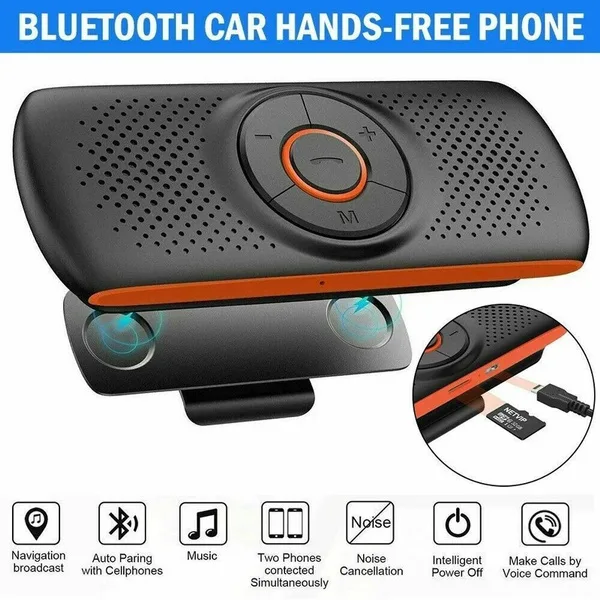
What is allowed is hands-free use. This means Bluetooth connections, voice commands, or single-touch activation to start or end a call. GPS is permitted if the phone is mounted or voice-activated.
Web (Bing) / wish.com (Web image (fair-use with source credit))
You can also use your phone if you’re lawfully parked or stopped in a safe location off the road. But if you’re in traffic, even at a red light, holding your phone is still a violation.
Who the Law Applies To (And Who Gets Stricter Rules)
This law applies to every driver in Minnesota, regardless of age or license type. However, some groups face additional restrictions.
School bus drivers are held to an even higher standard. They’re prohibited from using any wireless communication device, even hands-free, while the bus is in motion. Commercial drivers must also follow federal regulations, which often go beyond state laws.
Novice drivers with provisional licenses have extra limitations. In Minnesota, they’re banned from using any wireless device, hands-free or not, except in emergencies.
How Minnesota Enforces the Law (And What Happens If You’re Caught)
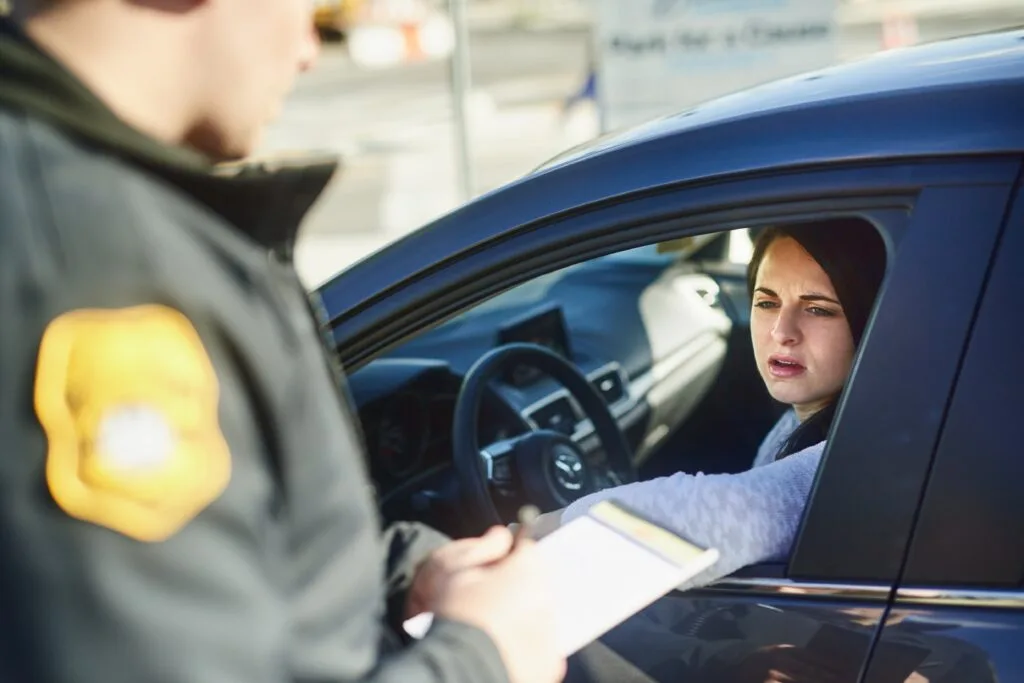
Minnesota treats distracted driving as a primary offense. This means police can pull you over solely for holding your phone while driving, even if you’re not speeding or breaking another law.
If you’re cited, the penalties start at $50 for a first offense, but with court fees, the total can exceed $130. Repeat offenses come with higher fines and could even lead to license suspension. These citations also go on your driving record, which may increase your insurance premiums.
Web (Bing) / kylalee.ca (Web image (fair-use with source credit))
Enforcement isn’t just about punishment. The Minnesota State Patrol and local agencies actively patrol for distracted driving, especially in high-risk areas like school zones and construction zones.
Hands-Free Solutions That Keep You Legal
The easiest way to comply is to use your phone’s hands-free features. Most modern vehicles have built-in Bluetooth systems that let you make calls, send texts via voice, and even stream music without touching your phone.
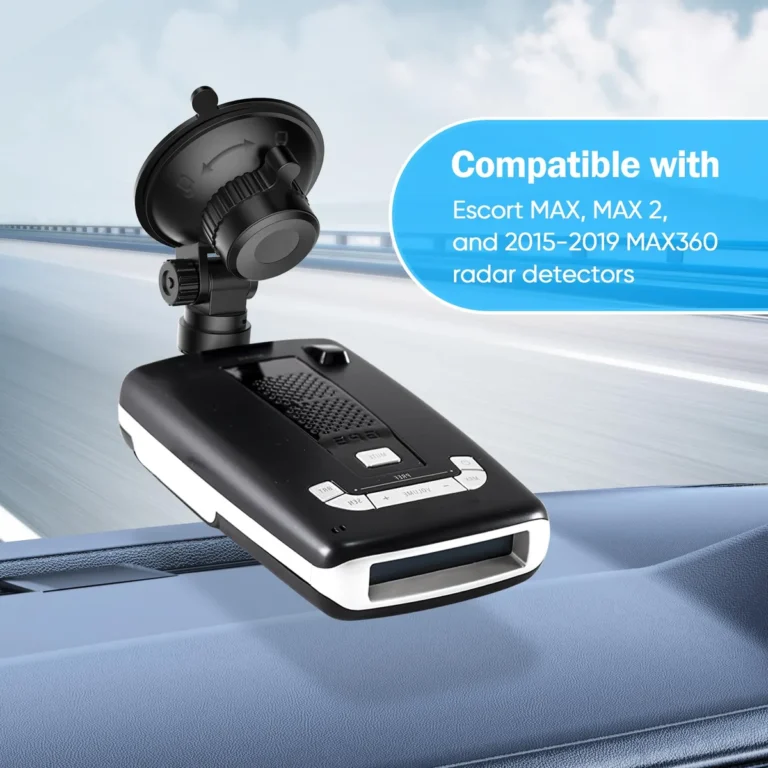
If your car doesn’t have Bluetooth, aftermarket solutions are widely available. A simple Bluetooth headset or a dashboard mount with voice command capabilities can keep you within the law. Just ensure the setup doesn’t distract you further.
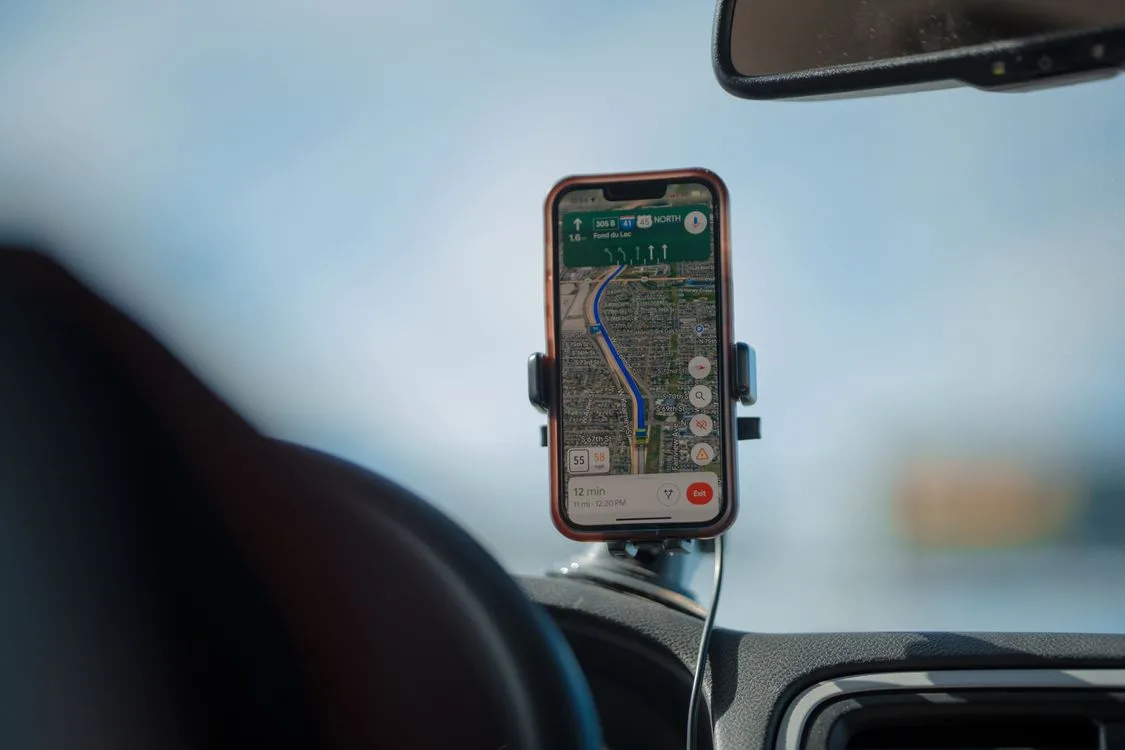
For drivers who rely on navigation, a mounted phone or a dedicated GPS device is the way to go. The key is to set your destination before you start driving. Adjusting your route while moving, even with a mounted phone, can still be distracting and unsafe.
Common Mistakes That Still Get You a Ticket
Many drivers assume they’re in the clear if they’re not texting. But the law is broader than that. Holding your phone to check social media, take a photo, or even adjust your GPS is still illegal.
Another misconception is that hands-free means risk-free. While it’s legal, using voice commands or Bluetooth can still take your focus off the road. The safest practice is to minimize phone use entirely while driving.
Some drivers think they can use their phone if they’re stopped at a light or in slow traffic. The law doesn’t make exceptions for these situations, holding your phone is prohibited anytime the vehicle is in motion or in traffic.
The Fines and Long-Term Costs of a Distracted Driving Citation
First offense fines start at $50. Court fees push the total to about $130.
Second offenses cost more. Repeat violations can lead to license suspension.
Insurance rates often rise after a citation. Some insurers treat it like a moving violation.
When You Can Use Your Phone While Driving (The Exceptions)
Emergency calls to 911 are allowed. This is the only handheld exception.
Lawfully parked vehicles permit phone use. This means off the roadway, not in traffic.
First responders on duty are exempt. This includes police, fire, and EMS personnel.
How to Set Up Your Car for Hands-Free Compliance
Use your car’s built-in Bluetooth. Most modern vehicles have this feature.
A dashboard mount keeps your phone visible. Position it at eye level for safety.
Web (Bing) / pexels.com (Web image (fair-use with source credit))
Voice commands work for calls and texts. Set these up before driving.
Real-World Scenarios: What’s Safe and What’s Not
Holding your phone at a stoplight is illegal. Even stopped in traffic counts.
Dropped phone while driving? Pull over to retrieve it. Never grab it mid-drive.
Passengers can use phones freely. But drivers can’t hand their phone to a passenger.
Minnesota vs. Other States: How Our Law Compares
Minnesota’s law is similar to 24 other states. All ban handheld phone use.
Enforcement is primary here. Police can stop you for phone use alone.
Fines start lower than in some states. But total costs end up comparable.
Quick Compliance Checklist Before You Drive
Set up hands-free before starting the engine. Pair your phone to the car’s Bluetooth or a dashboard mount.
Enable "Do Not Disturb While Driving" on your phone. This silences notifications automatically.
Pre-program your GPS route. Never input an address while moving.
Pull over for non-emergency calls or texts. Even hands-free use can distract.
Set up hands-free before starting the engine. Pair your phone to the car’s Bluetooth or a dashboard mount.
Enable "Do Not Disturb While Driving" on your phone. This silences notifications automatically.
Pre-program your GPS route. Never input an address while moving.
Pull over for non-emergency calls or texts. Even hands-free use can distract.
Frequently Asked Questions
Is texting while driving illegal in Minnesota?
Yes. Texting while driving is illegal under Minnesota’s distracted driving law. This includes reading, typing, or sending any text-based communication while holding your phone.
Can I use my phone for GPS while driving in Minnesota?
You can use your phone for GPS only if it’s mounted on the dashboard or windshield, or if you’re using voice commands. Holding the phone to check directions is against the law.
What’s the fine for a first distracted driving offense in Minnesota?
The base fine is $50. With court fees and surcharges, the total typically exceeds $130.
Are there any exceptions to Minnesota’s handheld phone ban?
Yes. You can use your phone to call 911 in an emergency. You can also use it if you’re lawfully parked or stopped off the roadway.
Does Minnesota’s law apply to out-of-state drivers?
Yes. The law applies to all drivers on Minnesota roads, regardless of where your license was issued.
Can I use a single earbud while driving in Minnesota?
No. Using earbuds in both ears is illegal. A single-ear headset is permitted, but hands-free options are safer.