ByMax Lee
Minnesota License Plate Frame Rules & Visibility Laws
Minnesota license plate frame law and state name visibility requirements can save you from a fix-it ticket if you know the rules. The state is clear about what can and can’t be covered on your plate, and a simple frame mistake can cost you.
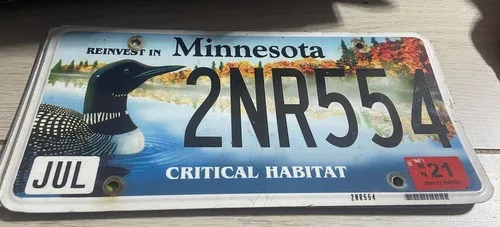
Per Minnesota Statute 169.79, your plate’s numbers, letters, and the word "Minnesota" must stay fully visible. That means no frames, stickers, or decorations blocking any part of the official markings.
Quick Answer
Minnesota license plate frame law and state name visibility requirements prohibit any obstruction of the plate’s alphanumeric characters or state name. Frames can be used if they don’t cover these elements. The law applies to both front and rear plates.
Enforcement is strict, and violations can result in fines.
Bing (Web (fair-use with source credit))
What Minnesota’s License Plate Frame Law Actually Says
Minnesota Statute 169.79 requires all letters, numbers, and the state name on your license plate to be clearly visible at all times. This includes the registration stickers.
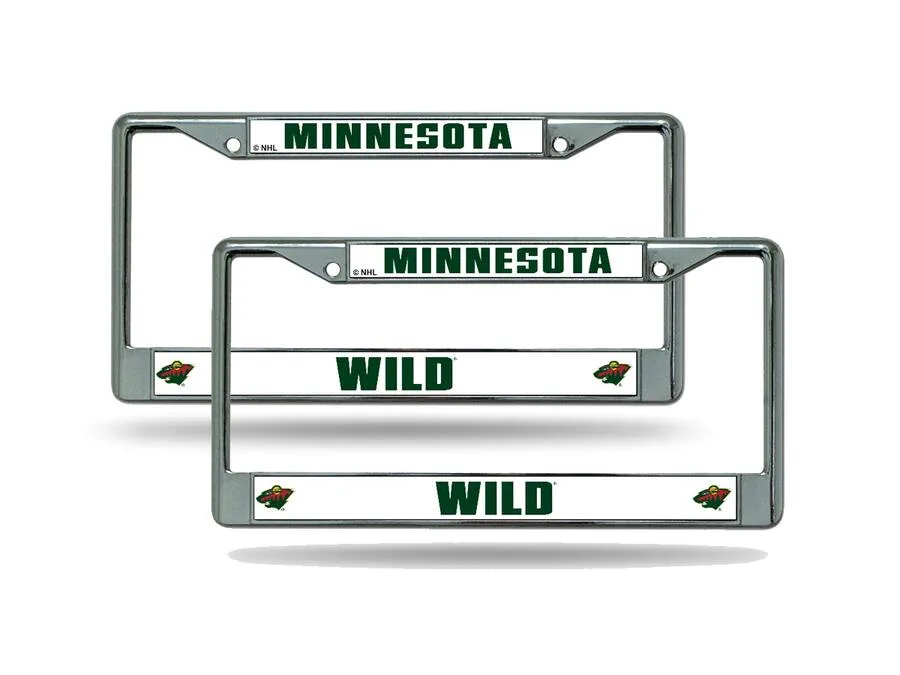
Frames are allowed only if they don’t interfere with readability. No part of the frame can cover the plate’s edges, the state name, or the registration stickers.
The Quick Rule: Can You Use a Frame or Not?
Yes, but with conditions. The frame must not cover any part of the plate’s alphanumeric characters, the word "Minnesota," or the registration stickers.
Dealer-installed frames are usually compliant, but aftermarket frames may not be. Always check before installing.
How Much of the Plate Must Be Visible in Minnesota
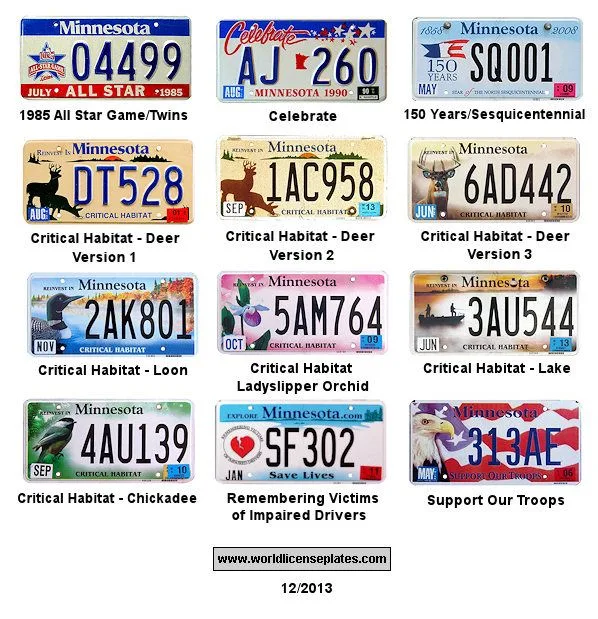
The entire plate must be visible, including all letters, numbers, and the state name. The top, bottom, and sides of the plate cannot be covered by a frame or any other obstruction.
Registration stickers must also remain fully visible. Even partial coverage of these elements can lead to a violation.
Web (Bing) / pinterest.com (Web image (fair-use with source credit))
For clarity, here’s what must stay unobstructed:
- All alphanumeric characters
- The word "Minnesota" at the top
- Registration stickers
- The plate’s borders
What Happens If Your Frame Covers the State Name
If your frame covers the state name or any part of the plate’s alphanumeric characters, you’re in violation. Law enforcement can issue a fix-it ticket, requiring you to correct the issue within a specified timeframe.
Ignoring the ticket can lead to fines. The most common penalty is a petty misdemeanor citation, typically around $30, $100 as of 2026.
Bing (Web (fair-use with source credit))
Dealer Frames vs. Aftermarket Frames: What’s Allowed
Dealer-installed frames are usually designed to comply with state laws. They’re often tested to ensure they don’t obstruct any part of the plate.
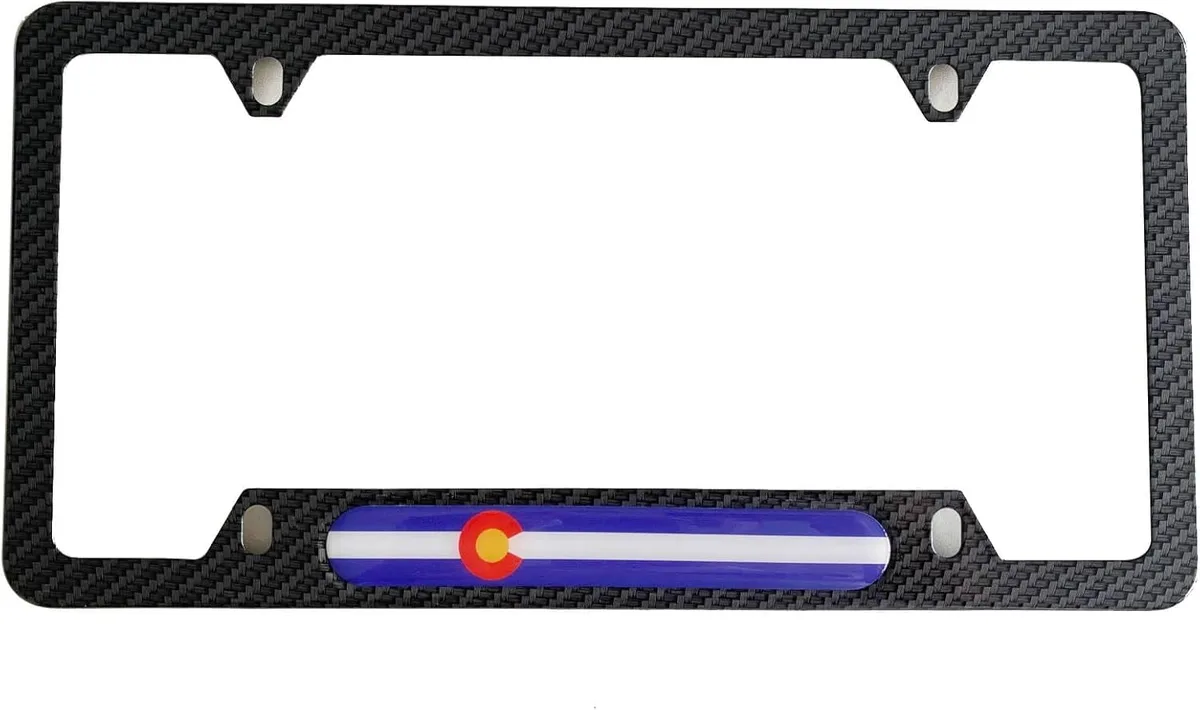
Aftermarket frames vary widely. Some may cover the plate’s edges or the state name, making them non-compliant. Always check the fit before purchasing.
| Frame Type | Likely Compliant? | Risk of Obstruction | Best For |
|---|---|---|---|
| Dealer-installed | Usually yes | Low | New car buyers |
| Aftermarket | Often no | High | Customization (if checked) |
| DIY/Handmade | Rarely | Very high | Not recommended |
How to Check If Your Frame Is Legal in 30 Seconds
Stand about 50 feet away from your vehicle. If you can’t read every letter, number, and the word "Minnesota" clearly, your frame is likely non-compliant.
Next, inspect the plate up close. Ensure the frame doesn’t cover any part of the plate’s edges, the state name, or the registration stickers.

Bing (Web (fair-use with source credit))
For a foolproof check:
- Stand directly behind your vehicle and look at the plate.
- Check all four corners for sticker visibility.
- Run your finger along the edge of the plate. If the frame extends over the plate’s surface, it’s a violation.
Common Frame Mistakes That Get You Pulled Over
The most frequent violation is a frame that covers the state name at the top of the plate. Even a small overlap can trigger a ticket.
Another common issue is frames that hide the registration stickers. These stickers must be fully visible.
Thick or decorative frames can also be problematic. If the frame’s design includes raised edges or logos that cast shadows over the plate, it may be considered non-compliant.
Minnesota’s Exact Legal Wording (No Guesswork)
Minnesota Statute 169.79, Subdivision 2, states that every vehicle must display a license plate that is "clearly legible." All letters, numbers, and the state name must be unobstructed.
The law also specifies that plates must be mounted horizontally. The front plate must be at least 12 inches off the ground, and the rear plate must be at least 18 inches off the ground.
For the full text, refer to the Minnesota Office of the Revisor of Statutes.
What to Do If You Get a Fix-It Ticket for Your Frame
Don’t ignore it. A fix-it ticket typically gives you 10 to 14 days to correct the issue. The ticket will specify what needs to be fixed.
Once you’ve corrected the problem, have the fix verified. This usually involves visiting a law enforcement agency or a designated inspection station.
If you fail to address the issue within the given timeframe, the ticket may convert to a fine.
Frequently Asked Questions
Are license plate frames legal in Minnesota?
Yes, but only if they don’t cover any part of the plate’s alphanumeric characters, the state name, or the registration stickers.
Can a license plate frame cover the state name in MN?
No. Covering the state name is a direct violation of Minnesota law. Even partial coverage can result in a ticket.
How do I know if my frame is compliant?
Stand 50 feet away from your vehicle and check if the entire plate is readable. Then inspect up close to ensure the frame doesn’t overlap any part of the plate or stickers.
What’s the fine for an obscured license plate in Minnesota?
The fine for a non-compliant frame or obscured plate is typically around $30 to $100 as of 2026.
Do dealer-installed frames always comply with Minnesota law?
Not always. While dealer frames are often designed to be compliant, it’s still your responsibility to verify that nothing is obscured.