Nebraska horse drawn vehicle and animal rider highway sharing rules keep rural roads safer for everyone who uses them. If you've ever driven through the Amish communities in central Nebraska, you know those quiet country roads can become tense fast. Cars zoom past horse-drawn buggies at speeds that leave little room for error.
The state has built a set of rules to protect riders, drivers, and the animals in between.
Per Nebraska Revised Statute 60-6,266, any vehicle moving slower than 25 mph must display a slow-moving vehicle emblem and meet specific lighting requirements. That means a properly marked buggy or a rider on horseback isn't just expected to stay visible, they're legally required to.
Why Nebraska's Horse-Drawn Vehicle and Animal Rider Rules Matter
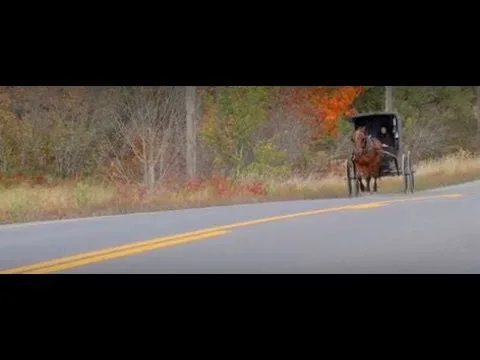
Nebraska's rural highways tell a different story than busy city streets. You'll pass farm equipment, livestock trailers, and horse-drawn buggies all on the same two-lane roads. The state has one of the largest Amish populations in the Midwest, particularly in Lancaster, Seward, and Boone counties.
That means these laws aren't theoretical, they're part of daily life for thousands of residents.
The stakes are genuinely high. A car traveling at 55 mph covers 81 feet every second. That's not a lot of time to react when a horse spooks or a buggy crosses unexpectedly.
Wrong advice here doesn't just mean a ticket, it can mean a severe accident involving a rider, a driver, or an animal.
Our research into Nebraska traffic statutes shows the state takes this seriously. The laws cover everything from equipment requirements to right-of-way rules. They also differ from neighboring states, so if you're driving through from somewhere else, assumptions won't keep you safe.
Other states have their own approaches. For context, our research into Louisiana slow moving vehicle laws markings yielding shows how different regions handle these same situations. The principles overlap, but the details matter a lot.
Quick Answer: What Nebraska Law Says About Sharing Roads with Horses
Nebraska horse drawn vehicle and animal rider highway sharing rules require specific equipment and behavior from both sides of the road. Horse-drawn vehicles must carry a slow-moving vehicle emblem and meet lighting standards after dark. Animal riders must ride on the right side of the road and use hand signals when turning.
Motorists must give horse-drawn vehicles a full lane of space when passing. Failure to comply can result in fines and increased liability in an accident.
The Core Rules for Horse-Drawn Vehicles in Nebraska
Nebraska treats horse-drawn vehicles as legitimate road users, but with clear conditions. The main statute governing this is Nebraska Revised Statute 60-6,139. It covers what those vehicles need to operate legally on public highways.
Let's break down the essentials:
- Horse-drawn vehicles are allowed on most public roads except interstates and limited-access highways.
- Operators must keep the vehicle to the right side of the roadway when practical.
- A slow-moving vehicle emblem is required if the vehicle travels below 25 mph.
- Proper lighting and reflectors are mandatory from sunset to sunrise and during low-visibility conditions.
The 25 mph threshold for the SMV emblem is critical. Many horse-drawn buggies travel at 5 to 10 mph, so they absolutely need that orange triangle. It's the universal signal that tells approaching drivers to slow down and prepare to pass carefully.
You also need to understand what counts as a horse-drawn vehicle under Nebraska law. The statutes include buggies, wagons, surreys, and any animal-drawn conveyance. That means if you're hauling hay in a wagon or riding in a carriage to a community event, these rules apply to you.
Horseback riders fall under a separate but related set of guidelines. The state recognizes that an animal on horseback moves differently than a wheeled vehicle. Riders have the right to use the road, but they also have responsibilities.
The language in these statutes is straightforward, but the real-world application matters more. A buggy on a narrow gravel road looks different from one on a wide paved highway. Local enforcement can vary by county, too.
That's why knowing the baseline state law is your starting point.
Some counties may adopt additional ordinances for extra safety. Louisiana implements of husbandry farm equipment guide and Louisiana farm tractor road rules safety requirements cover similar agricultural equipment considerations in other states. The idea is the same, even if the rules differ.
If you're new to sharing Nebraska roads with horse-drawn vehicles, start with these basics. They'll keep you legal and, more importantly, they'll keep everyone safer.
Lighting, Reflectors, and SMV Emblem Requirements
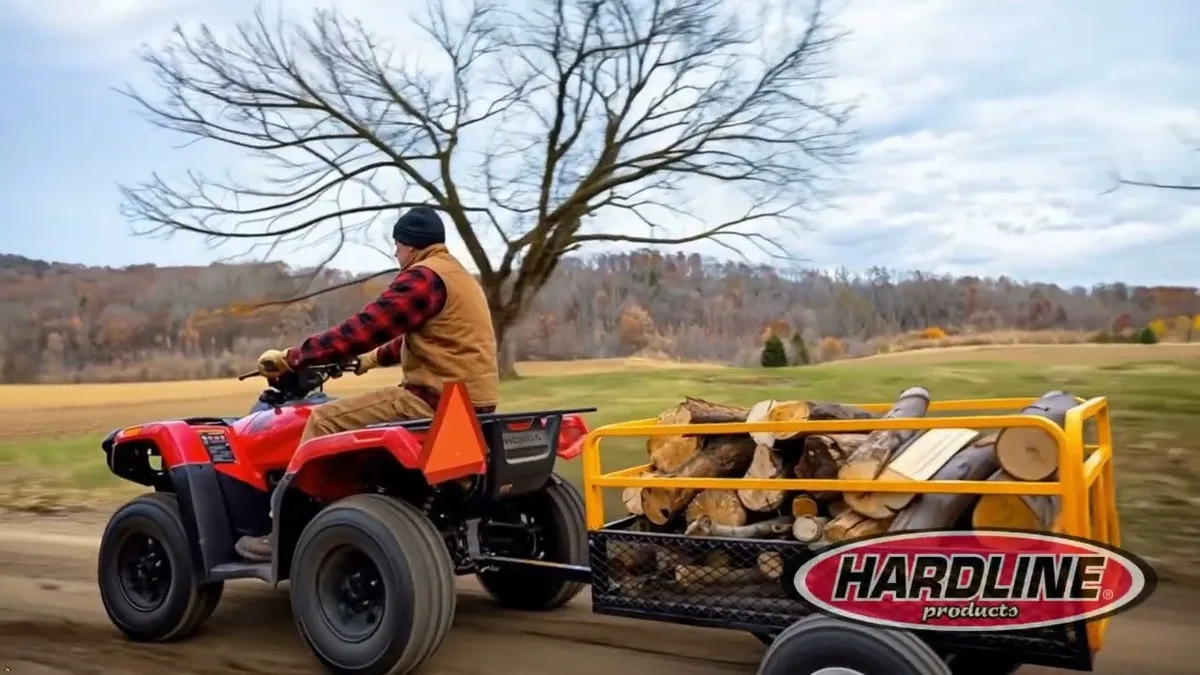
Proper visibility is non-negotiable when you're operating a horse-drawn vehicle on Nebraska roads. The state has clear requirements, and missing any of them can lead to a citation, especially after an incident.
Here's what the law requires:
- Slow-moving vehicle emblem: An orange-centered red triangular reflector, no larger than 25 inches on each side. It must be mounted at least 2 feet but no more than 6 feet above the ground.
- Rear lighting: White lights visible from 500 feet during darkness.
- Side reflectors: Red reflectors on the left side and white on the right, visible from 600 feet when illuminated by headlights.
- Turn signals or hand signals: Either automated blinking lights or clear hand gestures when turning or stopping.
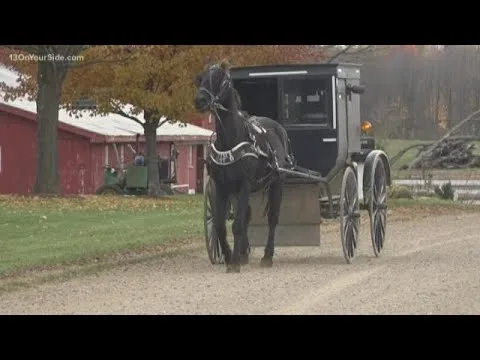
The SMV emblem is your most visible safety feature. Without it, drivers may not realize they're approaching something slow until it's too late. The triangle gives them a clear warning at a distance.
Nebraska law also requires that vehicles display lights from half an hour after sunset to half an hour before sunrise. That's the official window, not a suggestion. Many rural roads have minimal street lighting, so your own lights are the only thing giving drivers ahead any warning.
Side reflectors are easy to overlook but equally important. They make your vehicle visible from angles that front and rear lights alone won't cover. A driver approaching from a side road needs to see your reflective surfaces to judge your speed and position.
Here's a practical comparison to keep in mind:
| Requirement | Minimum Standard | Why It Matters |
|---|---|---|
| SMV Emblem | 25-inch triangle, mounted 2-6 feet high | Warns drivers of slow speed from a distance |
| Rear White Light | Visible 500 feet at night | Lets following drivers see you in darkness |
| Side Reflectors | Red left, white right, visible 600 feet | Provides angle visibility for cross-traffic |
| Turn Indication | Lights or hand signals | Communicates intent to changing drivers |
Proper lighting isn't just about avoiding a ticket. It's about making sure the drivers around you can see you, judge your speed, and react in time. A well-lit buggy on a dark rural road is dramatically safer than one without.
If you're preparing a horse-drawn vehicle for road use, check each of these requirements before heading out. Ideal foam cannon soap mixing ratio get thick lasting foam might seem unrelated, but the principle is the same: preparation and attention to detail prevent problems down the line.
Right-of-Way and Road Position Rules for Animal Riders
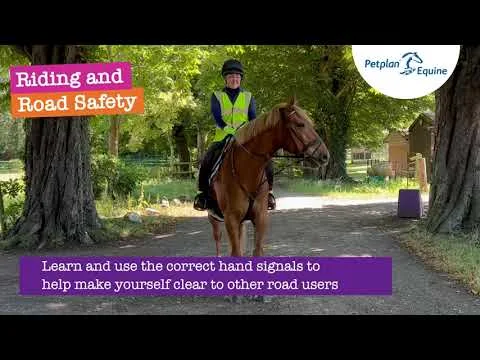
Right-of-way rules for animal riders on Nebraska highways can be confusing if you've never encountered them. The key principle is simple, but the details matter a lot for everyone's safety.
First, a direct answer to the most common question. Yes, animal riders generally have the right-of-way over motor vehicles on Nebraska public roads. But that comes with conditions.
Here's how the rules work in practice:
- Riders must travel on the right side of the road, as close as practical to the edge.
- Two riders may travel side by side, but single-file is the legal default.
- Hand signals are required when turning or stopping, just like any vehicle operator.
- Motorists must yield when it's safe to do so and allow ample passing space.
The hand signals themselves are straightforward. A left arm extended horizontally means a left turn. A left arm extended upward at a 90-degree angle signals a right turn.
A left arm extended downward with a pumping motion indicates stopping or slowing down.
When a car approaches from behind, the rider should move as far right as possible. That gives the driver room to pass safely without squeezing past. If the road is narrow, the rider may need to pull onto a shoulder or turnout to let traffic pass.
Drivers need to understand something important too. Passing a horse and rider isn't like passing a car. Horses spook easily, and sudden movements or loud noises can startle them.
Nebraska law expects drivers to slow down significantly and give at least a full lane of clearance when passing.
This is where real-world judgment comes in. The law sets the baseline, but safe passing requires reading the situation. Is the road wide enough?
Is visibility good? Is the rider signaling? A defensive driver adjusts their behavior to match the conditions, not just the letter of the law.
For riders, staying predictable is your best tool. Keep to the right, use clear signals, and make eye contact with approaching drivers when possible. A wave or nod can communicate a lot on a quiet rural road.
Where Horse-Drawn Vehicles Are (and Aren't) Allowed
Not every road in Nebraska is open to horse-drawn vehicles, and knowing the restrictions can save you a legal headache, or worse, a dangerous situation.
The general rule is straightforward. Horse-drawn vehicles may use most public roads and highways. The big exception is the Interstate Highway System.
Federal law prohibits animal-drawn vehicles on interstates, and Nebraska follows that restriction without question.
Here's a quick breakdown of where you can and cannot go:
| Road Type | Allowed? | Notes |
|---|---|---|
| Interstate highways | No | Federal prohibition applies |
| Limited-access highways | No | Same as interstates |
| State highways (non-interstate) | Yes | With proper equipment and lighting |
| County roads | Yes | Primary area of use for Amish communities |
| City streets | Varies | Check local ordinances, some cities have restrictions |
| Turnpikes | No | Similar to interstate restrictions |
Local city and county ordinances can add additional layers. Some municipalities within or near Amish communities have specific rules about when and where buggies can travel. Rural townships might restrict certain county roads during peak traffic hours or seasonal events.
If you're traveling through an area with horse-drawn vehicle traffic, watch for signs. The image above shows the type of warning sign you'll encounter in areas where animals share the roadway regularly.
Your best move is to assume these vehicles may appear on any non-interstate road in rural Nebraska. Stay alert, slow down, and give them space. That attitude will serve you better than assuming a road is too busy or too modern for buggies.
Common Mistakes That Lead to Fines or Accidents
The most frequent violation is missing the SMV emblem. Drivers assume the orange triangle is optional, but Nebraska law treats it as mandatory for any vehicle under 25 mph. That includes buggies, wagons, and even some farm equipment.
Another common error is improper lighting at night. Many operators use a single lantern instead of the required white rear light and side reflectors. A single light source doesn't give approaching drivers enough warning, especially on dark rural roads.
Riders often forget to signal turns. Hand signals aren't just polite, they're legally required. Without them, drivers can't predict your next move, which leads to dangerous situations at intersections.
Motorists make mistakes too. Passing too closely is the biggest issue. Nebraska expects drivers to give horse-drawn vehicles a full lane of space when passing.
Crowding a buggy can spook the horse and cause a serious accident.
Here's what to avoid:
- Driving a horse-drawn vehicle without an SMV emblem
- Using inadequate lighting after dark
- Failing to signal turns or stops
- Passing without leaving enough space
- Assuming interstates allow horse-drawn traffic
Safety Best Practices for Drivers, Riders, and Horse Operators
Drivers should slow down immediately when they see a horse-drawn vehicle ahead. Reduce speed well below the limit and prepare to stop if needed. Horses can react unpredictably to sudden movements or loud noises.
Riders need to stay visible. Wear bright or reflective clothing, especially at dawn, dusk, or night. Add reflective tape to the buggy or wagon for extra visibility.
The more you stand out, the safer you'll be.
Horse operators should keep their animals calm. If a horse seems nervous, pull over and let traffic pass. A spooked horse is a danger to everyone on the road.
Both drivers and riders should make eye contact when possible. A simple nod or wave can confirm that both parties see each other and understand the situation. Communication prevents misunderstandings.
Here are key safety tips:
- Drivers: Slow down, increase following distance, pass only when safe
- Riders: Use hand signals, stay to the right, wear reflective gear
- Operators: Ensure proper lighting, keep horses calm, pull over if needed
What to Do If You’re in a Dispute or Accident
If you're involved in an incident, stop immediately and check for injuries. Nebraska law requires you to remain at the scene and exchange information with the other party. Call 911 if there are injuries or significant damage.
Document everything. Take photos of the scene, the vehicles, and any road conditions that may have contributed. Get contact information from witnesses if possible.
This evidence will be crucial for insurance claims or legal proceedings.
Report the incident to local law enforcement. Even minor accidents should be documented. A police report provides an official record of what happened, which can help resolve disputes later.
If the dispute involves a horse-drawn vehicle and a motorist, Nebraska's traffic laws will apply. The officer will determine who had the right-of-way and whether any laws were broken. Be prepared to explain your actions clearly.
Here's what to do:
- Stop and check for injuries
- Exchange information with the other party
- Document the scene with photos
- Report the incident to law enforcement
- Consult an attorney if needed
County-Specific Rules and Local Ordinances to Check
Some Nebraska counties add extra rules for horse-drawn vehicles. Lancaster County, for example, requires additional reflectors on buggies during certain hours. Always check with the local county clerk's office for specifics.
City ordinances can differ too. Omaha and Lincoln may have restrictions on where and when horse-drawn vehicles can operate within city limits. Rural townships often have the most lenient rules.
Final Takeaway: Stay Safe and Legal on Nebraska Roads
Know the state laws, but don't stop there. Local rules and common sense fill the gaps. Proper equipment, clear signals, and mutual respect keep everyone safe.
When in doubt, slow down and give space. That simple approach prevents most accidents and keeps Nebraska's roads working for all users.
Frequently Asked Questions
Do horse-drawn vehicles need license plates in Nebraska?
No, Nebraska does not require license plates for horse-drawn vehicles. However, they must display a slow-moving vehicle emblem if traveling below 25 mph.
Can I ride a horse on the shoulder of a Nebraska highway?
Yes, you can ride on the shoulder if it's safe and practical. Nebraska law allows animal riders to use the shoulder when available. You must still follow all other rules, including right-of-way and signaling requirements.
What's the fine for passing a horse-drawn vehicle too closely?
Nebraska does not specify a fixed fine for this violation. However, passing too closely can result in a citation for unsafe passing or failure to yield. Fines vary by county but typically range from $50 to $200.
Are there special rules for horse-drawn vehicles at night?
Yes, horse-drawn vehicles must have proper lighting from sunset to sunrise. This includes a white rear light visible from 500 feet and side reflectors. The slow-moving vehicle emblem must also be visible.
Do these rules apply to all Nebraska roads?
Mostly, but not all. Horse-drawn vehicles are prohibited on interstates and limited-access highways. Some city streets may have additional restrictions, so check local ordinances.