ByMax Lee
NJ Abandoned Vehicle Removal: Public & Private Property
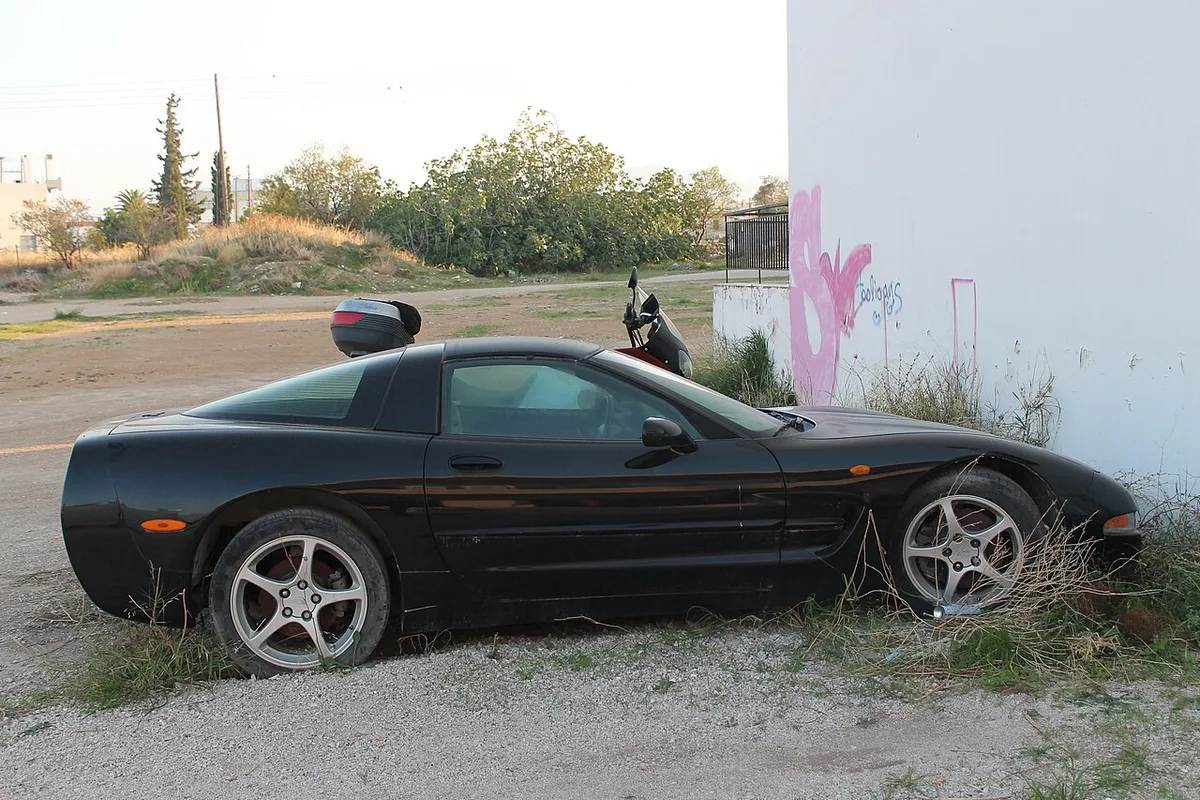
Wikimedia Commons / Charlie from United Kingdom (CC BY)
The New Jersey abandoned vehicle removal process on public and private property can feel confusing until you know the rules. Whether it's a rusted car blocking your driveway or an eyesore on a public street, the steps differ based on location and ownership.
As of 2026, New Jersey law requires a 48-hour notice for public property in some cases and a 10-day notice for private property before removal. Here's how to handle it without running into legal trouble.
Quick Answer
The New Jersey abandoned vehicle removal process on public and private property starts with reporting to police. Public property may allow removal after 48 hours. Private property requires a 10-day notice to the owner.
Towing follows only after proper authorization. Costs typically fall to the vehicle owner.
How Abandoned Vehicle Laws Work in New Jersey
New Jersey defines an abandoned vehicle as one left unattended on public or private property for a set period. The key difference lies in where the vehicle sits and who has the authority to remove it.
Public property includes streets, highways, and government-owned lots. Private property covers driveways, business parking areas, and residential land. The process changes based on this distinction.

YouTube / Fardeen Farooqui Vlogs (YouTube thumbnail (fair-use with source credit))
Public Property vs. Private Property — What's the Difference?
On public property, local police or municipal authorities handle removal. They follow state laws and may act faster due to public safety concerns.
On private property, the owner must follow specific notice requirements before towing. This protects against wrongful removal claims. The NJ Motor Vehicle Commission outlines these rules in detail.
Reporting an Abandoned Vehicle on Public Property
If you spot an abandoned vehicle on a public street or lot, the first step is to report it to your local police department. They'll verify whether it meets the legal definition of abandonment.
Police will check for expired registration, missing plates, or signs of disrepair. If confirmed, they may authorize towing within 48 hours in some cases.
YouTube / Bergen Car Company (YouTube thumbnail (fair-use with source credit))
Step 1: Identify Whether It's Legally Abandoned
Look for obvious signs like flat tires, broken windows, or expired tags. A vehicle left for more than 48 hours without movement may qualify.
Step 2: Report to Your Local Police Department
Call the non-emergency line or visit the station. Provide the vehicle's location, make, model, and license plate if visible.
Step 3: The 48-Hour Rule
In many municipalities, police can authorize removal after 48 hours if the vehicle remains unattended. This timeframe can vary by town.
Step 4: Towing and Impoundment
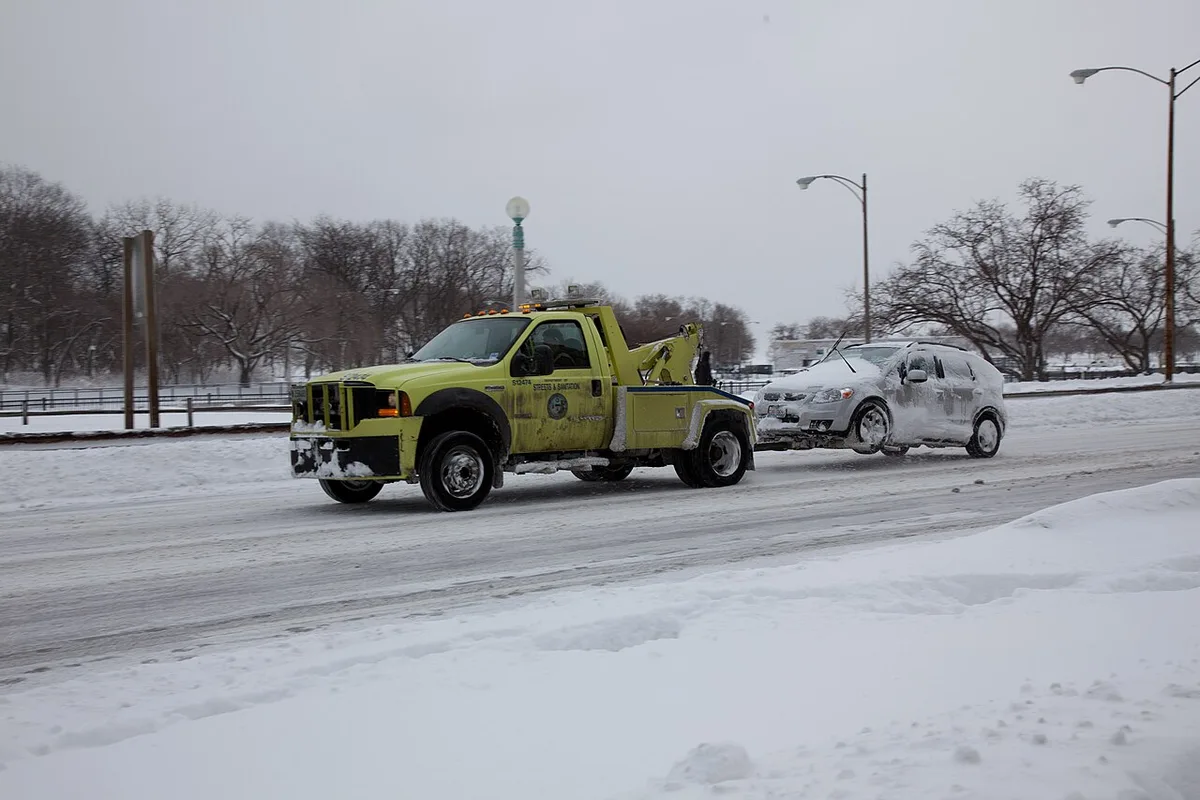
Once authorized, a licensed towing company removes the vehicle. It's taken to an impound lot where the owner has a set period to reclaim it.
Step 5: What Happens If the Owner Claims It
The owner must prove ownership and pay towing and storage fees. If unclaimed, the vehicle may be sold at auction after 30 days.
Removing an Abandoned Vehicle from Private Property
Property owners have the right to remove abandoned vehicles but must follow strict procedures. Skipping steps can lead to legal liability.
The process starts with identifying the owner if possible. If the owner can't be found, a notice must be posted on the vehicle.

YouTube / titlesandrecovery (YouTube thumbnail (fair-use with source credit))
Step 1: Determine If You Can Tow Without Permission
You can't tow immediately. New Jersey law requires a 10-day notice period for private property.
Step 2: Locate the Vehicle Owner (If Possible)
Check for registration documents inside the vehicle or run the plates through the NJ MVC. If the owner is identifiable, send a written notice.
Step 3: Send the Required 10-Day Written Notice
The notice must include the vehicle description, location, and intent to tow. Post it on the windshield and send a copy to the owner if their address is known.
Step 4: Contact Law Enforcement for Authorization
After 10 days, contact local police to confirm the notice period has passed. They'll authorize the tow if all requirements are met.
Step 5: Arrange Towing and Storage
Hire a licensed towing company to remove the vehicle. Storage fees begin accruing immediately.
Step 6: The Lien Process for Unpaid Fees
If the owner doesn't reclaim the vehicle, the towing company can place a lien on it. After a set period, they may sell it to recover costs.
How Much Does Abandoned Vehicle Removal Cost in New Jersey
Towing and storage fees vary by municipality and towing company. Expect to pay between $100 and $250 for the initial tow on public property. Private property tows may cost more due to access challenges.
Daily storage fees typically range from $25 to $50 per day. These accumulate until the owner reclaims the vehicle or it's sold at auction.
Wikimedia Commons / Paul Kehrer (CC BY)
Public Property Towing and Storage Fees
Municipalities often have set rates for abandoned vehicle removal. Some cover the cost upfront and bill the owner later. Others require the towing company to absorb the cost if the vehicle is unclaimed.
Private Property Removal Costs
Property owners usually pay the towing fee upfront. You can recover this cost if the vehicle is sold at auction. Keep all receipts and documentation.
Who Pays — Property Owner, Municipality, or Vehicle Owner
The vehicle owner is ultimately responsible for all fees. If they don't pay, the towing company can sell the vehicle to cover costs. Property owners may need to cover initial fees if the owner never claims the car.
Recovering Costs After Auction
If the vehicle sells for more than the towing and storage fees, the surplus may go to the property owner. This depends on local ordinances and the towing company's policies.
Common Mistakes That Can Get You in Legal Trouble
Skipping the notice period is the most common error. Even on private property, you must give the owner 10 days to respond before towing.
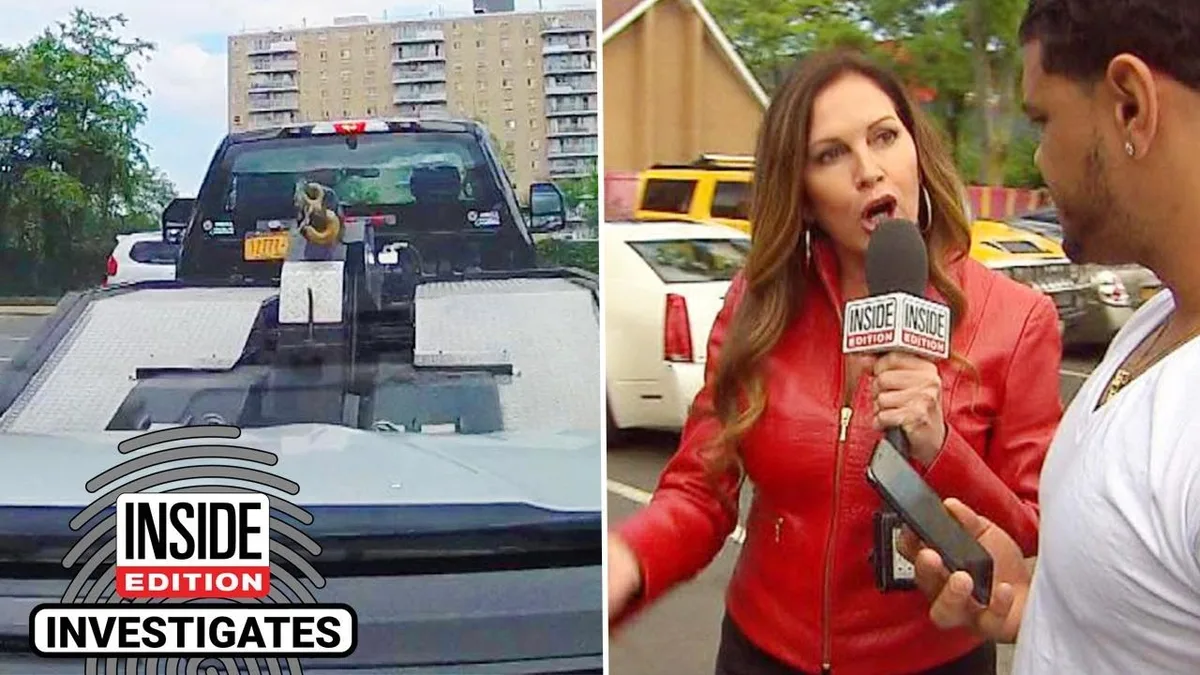
Another mistake is towing without police authorization. This can lead to lawsuits if the owner disputes the removal.
YouTube / Inside Edition (YouTube thumbnail (fair-use with source credit))
Towing Without Proper Authorization
Always get written approval from local law enforcement. Verbal agreements aren't enough if the owner challenges the removal.
Skipping the Required Notice Period
Posting a notice is mandatory on private property. Without it, you risk being sued for wrongful towing.
Misidentifying a Temporarily Parked Car as Abandoned
Not every unused vehicle is abandoned. Check for signs of recent use before taking action.
Not Documenting Vehicle Condition
Take photos of the vehicle before towing. This protects you if the owner claims damage occurred during removal.
Attempting Removal Without Police Involvement
Police must be involved in public property cases. On private property, they still need to confirm the notice period was followed.
When to Seek Professional or Legal Help
If the vehicle owner disputes the removal, consult an attorney. They can help navigate small claims court if necessary.
Hiring a licensed towing company is always the safest option. They understand the legal requirements and can handle the paperwork.
Situations That Require an Attorney
Legal help is wise if the owner threatens a lawsuit. An attorney can also assist if the vehicle has a lien or other complications.
When to Hire a Licensed Towing Company
Use a professional for any removal. They have the equipment and insurance to do the job correctly.
What to Do If the Vehicle Owner Disputes Removal
Stay calm and provide all documentation. This includes photos, notices, and police reports.
New Jersey Abandoned Vehicle FAQs
How Long Does a Car Have to Sit Before It's Considered Abandoned in NJ?
A vehicle is typically considered abandoned after 48 hours on public property. On private property, the 10-day notice period applies before removal.
Can I Tow a Car Parked in My Driveway in New Jersey?
Yes, but you must follow the 10-day notice process. Post a written notice on the vehicle and contact police after the period expires.
What If the Abandoned Vehicle Belongs to a Neighbor?
The same rules apply. Give the required notice and follow the legal process. Personal relationships don't override the law.
Can a Property Owner Keep the Abandoned Car Instead of Towing It?
No. The law requires proper removal and disposal. Keeping it could lead to legal issues.
What Happens to Unclaimed Abandoned Vehicles in New Jersey?
After 30 days, the towing company can sell the vehicle at auction. Proceeds cover towing and storage fees, with any surplus handled per local rules.
Does NJ Have a Dedicated Form for Reporting Abandoned Vehicles?
Some municipalities provide forms. Check with your local police department or the NJ MVC for specifics.
How Do I Know If a Towing Company Is Licensed in New Jersey?
Ask for their state license number. You can verify it through the NJ Division of Consumer Affairs.
What Are the Penalties for Dumping a Vehicle on Someone Else's Property?
It's illegal and can result in fines. The vehicle may also be towed at the dumper's expense.
Can I Have a Car Towed If It's Overdue on Registration?
Registration status alone doesn't qualify it as abandoned. You still need to follow the notice and removal process.
How Long Does It Take for an Abandoned Vehicle to Be Removed?
On public property, it can be as quick as 48 hours. On private property, the 10-day notice period must pass first.
Decision Guide: What Should You Do Right Now?
If the Vehicle Is on Public Property
Report it to your local police department. They'll handle the verification and removal process.
If the Vehicle Is on Private Property
Post a 10-day notice on the vehicle. Contact police after the period expires to authorize towing.
If You're a Property Manager or HOA
Follow the same private property rules. Document every step to protect against liability.
If You're the Vehicle Owner Facing Removal
Act quickly to reclaim your vehicle. You'll need to pay towing and storage fees before it's sold at auction.