ByMax Lee
NJ Lemon Law: New Car Protection & Repair Rights
You bought a brand-new car in New Jersey, only to watch it spend more time in the shop than on the road. When the same defect refuses to stay fixed, you’re not stuck with a money pit, New Jersey’s lemon law exists exactly for moments like this. It’s a state-level consumer shield that forces manufacturers to either repair the flaw, swap in a replacement, or buy the car back with a full refund.
Per New Jersey lemon law statutes (N.J.S.A. 56:12-29 et seq.), coverage runs for 24 months or 24,000 miles from delivery. If your vehicle has suffered three or more repair attempts for a substantial problem (or has been out of service for at least 20 cumulative days), you may have a claim. Here’s how the law actually works and what you can do next.
Quick Answer: What the NJ Lemon Law Actually Does
New Jersey lemon law for new vehicle consumer protection and repair standards gives you legal leverage when a new car or truck can’t be fixed after a reasonable number of attempts. It applies only to vehicles purchased or leased in New Jersey while under the manufacturer’s original warranty. If your car has a defect that seriously impairs its use, value, or safety, and the dealer or manufacturer hasn’t cured it within 24 months or 24,000 miles, you can demand a buyback or replacement.
The law covers cars, trucks, SUVs, and vans (including leased vehicles). It does not cover used cars unless they are still under the remaining original warranty. You must have documented repair orders and clear mileage records to prove your case.
Does New Jersey’s Lemon Law Cover Your New Car?
Short answer: yes, if your vehicle was purchased or leased in New Jersey and is still under the manufacturer’s original warranty. The law protects you from defects that make the car unsafe, unreliable, or unusable, and give the dealer a run-around.
New Jersey’s lemon law (often called the “Lemon Aid Law”) applies to new motor vehicles sold, leased, or registered in the state. It covers cars, trucks, SUVs, vans, and even motorcycles. The coverage window is tight: 24 months or 24,000 miles from the original delivery date, whichever comes first.
Not every repair complaint qualifies. The defect must be covered by the warranty and must substantially impair the vehicle’s use, value, or safety. Cosmetic issues, minor glitches, or problems caused by your own negligence don’t count.
The law also excludes vehicles over 10,000 pounds (heavy-duty trucks) and off-road vehicles.
If you’re wondering whether your specific situation qualifies, start by checking your warranty booklet and your repair invoices. For more on how different state laws compare, our look at Puerto Rico trailer registration 5 vs 10 year options highlights how consumer protections vary by region.
How the New Jersey Lemon Law Works (And Who It Protects)
The New Jersey lemon law is a consumer-protection statute that forces manufacturers to take responsibility for defective new vehicles. It’s not a class-action lawsuit; it’s a personal remedy that shifts leverage to the buyer.
Here’s the core framework:
- Coverage period: 24 months or 24,000 miles from delivery (whichever comes first).
- Qualifying defect: A problem that substantially impairs use, value, or safety.
- Repair attempts: Three or more for the same issue, or one for a serious safety defect (brakes, steering, airbags).
- Days out of service: 20 or more cumulative days (for any defect) during the warranty period.
- Remedies: Full refund (price plus taxes, fees, finance charges, minus a mileage offset) or a comparable replacement vehicle.
The law protects new-car buyers and leaseholders who live in New Jersey and purchased or leased the vehicle here. It does not extend to used cars sold “as-is” unless they still fall under the original manufacturer’s warranty.
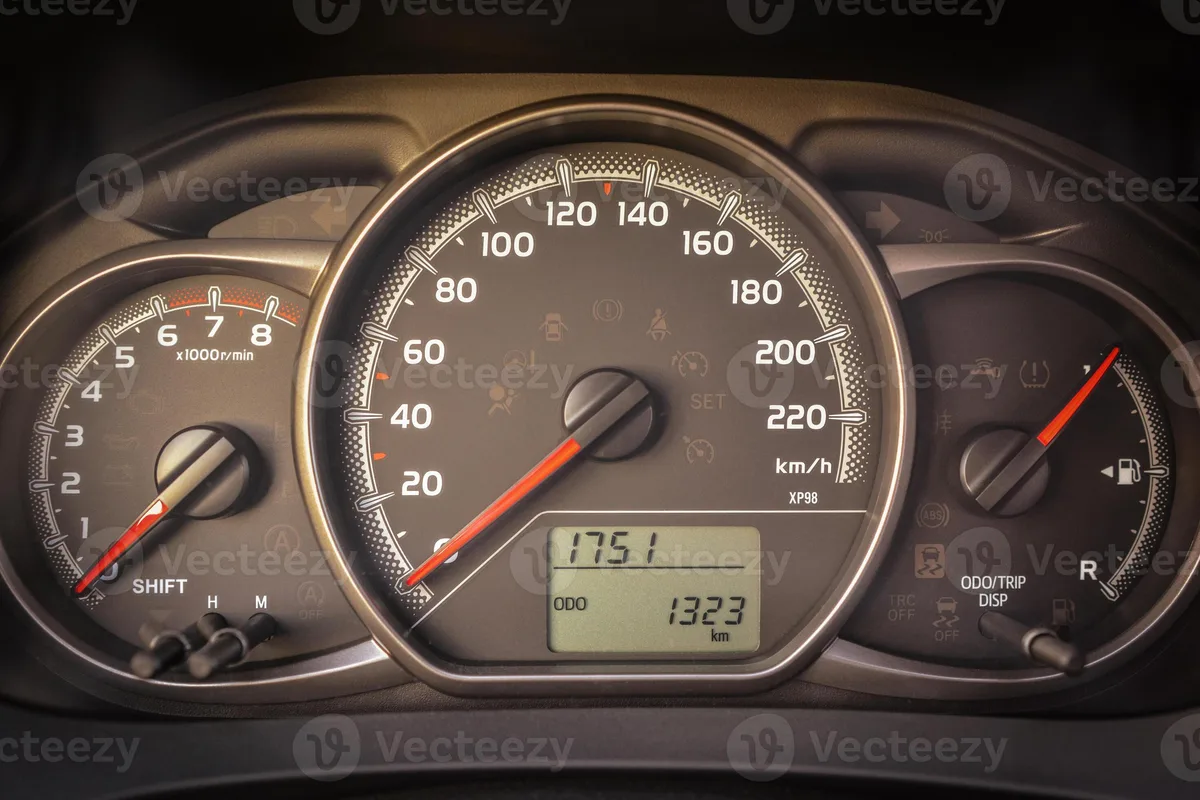
If you’re trying to decide whether your vehicle falls within this window, start by locating your original delivery date and current odometer reading. Many lemon law cases hinge on whether the defect appeared inside that 24-month/24,000-mile window, and whether you kept clear records of every repair visit.
The 3 Ways Your Vehicle Qualifies as a Lemon
New Jersey law recognizes three distinct pathways to a lemon-law claim. You only need to meet one of them.
1. Three or more repair attempts for the same defect
If the dealer has tried to fix the same substantial problem three times (or more) and it still isn’t resolved, you’ve hit the threshold. “Substantial” means the defect seriously affects the vehicle’s use, value, or safety, not just a minor annoyance.
2. One repair attempt for a serious safety defect
A single attempt on a critical safety issue (faulty brakes, steering failure, airbag malfunction, etc.) can qualify if the defect makes the car dangerously unroadworthy.
3. Twenty or more cumulative days out of service
If your vehicle has been in the shop for 20 days or more (any combination of repair visits) during the warranty period, you can claim a lemon regardless of how many times they tried to fix it. “Out of service” means you couldn’t reasonably use the car for its intended purpose.
These pathways are exclusive, meaning you can’t stack them to inflate your claim. But meeting any one of them is enough to trigger the manufacturer’s buyback or replacement duty.
To strengthen your case, gather every repair order, invoice, and mileage log. Note the dates, the work described, and the technician’s sign-off. Clear documentation is what separates a weak claim from a winning one.
What Counts as a “Reasonable Number of Repair Attempts”?
The phrase “reasonable number of repair attempts” is the legal standard in New Jersey lemon law. The statute itself spells out the most common interpretations.
For non-safety defects:
Three attempts is the presumptive limit. If the same substantial problem persists after three repair tries, the law assumes the manufacturer has had a reasonable opportunity to cure it.
For safety defects:
One attempt on a critical safety issue (brakes, steering, airbags, fuel system) can be enough. The legislature recognized that some flaws pose immediate danger and shouldn’t require multiple failed repairs before action is taken.
For cumulative downtime:
Twenty days out of service (any combination of repairs) triggers the presumption, even if the dealer claims each visit was for a different issue. The rationale is simple: a car that’s constantly in the shop is, by definition, not fit for use.
It’s important to understand that “reasonable” doesn’t mean “perfect.” The manufacturer only gets a set number of tries, not an open-ended mandate to keep tinkering. Once the threshold is crossed, the ball is in your court to pursue a buyback or replacement.
The Exact Steps to File a Lemon Law Claim in NJ
Filing a lemon law claim in New Jersey follows a clear sequence. Rush it and you might lose your rights; do it carefully and you’ll put the manufacturer on notice.
Step 1: Document everything
Collect your purchase/lease agreement, warranty booklet, and every repair order. Record dates, mileages, the specific complaint, and how many days the car was out of service.
Step 2: Notify the manufacturer in writing
Send a certified-mail demand letter to the manufacturer’s lemon-law department. State your name, vehicle details (VIN, mileage), the defect, the repair history, and your demand (buyback or replacement). Keep a copy.
Step 3: Allow a final repair attempt (if applicable)
In some cases, the manufacturer will request one last chance to fix the problem before arbitration. You may accept or decline, depending on your confidence in a cure.
Step 4: File for arbitration
You can choose the manufacturer’s internal program or the state-run arbitration process through the New Jersey Division of Consumer Affairs. State arbitration is often faster and carries more formal weight.
Step 5: Attend the hearing
Present your documentation, repair invoices, and any expert testimony if needed. The arbitrator will issue a binding decision (if you chose state arbitration) or a non-binding recommendation (if you used the manufacturer’s program).
Step 6: Appeal or enforce
If the manufacturer’s program issues an unfavorable non-binding decision, you can still sue in civil court. If the state arbitrator rules in your favor, the manufacturer must comply or face penalties.
Throughout this process, avoid signing any settlement release until you’ve fully reviewed the terms. Manufacturers sometimes offer partial refunds or trade-down allowances that fall well short of what the law entitles you to.
Documents You Must Have (Or Your Claim Gets Denied)
You can’t win a lemon law case without proof. The arbitrator or court will dismiss your claim if you lack the right paperwork.
Essential documents:
- Purchase or lease agreement (shows delivery date, price, and warranty terms)
- Warranty booklet (confirms coverage period and what’s included)
- Repair orders/invoices (dates, mileage, defect described, work performed)
- Mileage logs (track odometer readings before and after each repair)
- Written communications (emails, letters, texts with the dealer or manufacturer)
Missing even one repair invoice can sink your case. Manufacturers often argue that undocumented visits didn’t happen or weren’t for the claimed defect. Keep everything in a single folder, organized by date.
If you’re missing a document, request copies from the dealer immediately. They’re legally required to provide them under New Jersey’s consumer protection laws.
Manufacturer Tricks That Can Sink Your Case
Manufacturers and dealers don’t always play fair. Knowing their common tactics helps you counter them.
Delaying repairs to push you past the 24-month/24,000-mile window is a classic move. They might claim parts are on backorder or that the issue is “normal.” Don’t let them stall. Demand a written timeline for repairs.
Blame-shifting is another favorite. They’ll argue the defect was caused by your driving habits, aftermarket modifications, or lack of maintenance. Fight back with service records showing you followed the manufacturer’s recommended maintenance schedule.
Lowball settlements are common. They might offer a partial refund or a trade-in credit for a cheaper model. New Jersey law entitles you to a full refund (including taxes, fees, and finance charges) or a comparable replacement.
Don’t accept less.
Ignoring your demand letter is a red flag. If they don’t respond within 40 days, you can escalate to arbitration or court. Always send demand letters via certified mail with return receipt requested.
What You’re Entitled To: Refund, Replacement, or Cash Settlement
Winning a lemon law claim in New Jersey means one of three outcomes. The manufacturer must comply with the arbitrator’s decision or face legal penalties.
Full refund is the most common remedy. You get back the purchase price, plus taxes, title fees, registration fees, and finance charges. The manufacturer may deduct a mileage offset for the time you drove the car before the defect appeared.
Vehicle replacement means the manufacturer provides a comparable new car. It must be the same make and model (or equivalent) with similar features and options. You won’t pay extra, but you also won’t get cash back for upgrades.
Cash settlement is less common but possible. Some manufacturers offer a cash payout to avoid a buyback or replacement. This is often a last resort if you want to keep the car but need compensation for your troubles.
The refund or replacement must be completed within 30 days of the arbitrator’s decision. If the manufacturer drags their feet, you can take them to court to enforce the ruling.
NJ Lemon Law vs. Federal Law vs. Other States
New Jersey’s lemon law is more consumer-friendly than many others. But it’s worth understanding how it compares to federal protections and other state laws.
New Jersey vs. Federal (Magnuson-Moss Warranty Act):
- NJ law covers new vehicles only (unless under original warranty). Federal law covers used vehicles if they’re still under warranty.
- NJ’s coverage period is 24 months/24,000 miles. Federal law has no set mileage limit but requires the defect to appear within the warranty period.
- NJ requires 3 repair attempts (or 1 for safety defects). Federal law uses a “reasonable number” standard, which is vaguer.
New Jersey vs. Other States:
- California has a longer coverage period (18 months/18,000 miles for some defects, 24 months/24,000 miles for others).
- Florida requires 3 attempts or 30 days out of service, but only covers the first 24 months.
- New York mirrors NJ’s 24/24 rule but includes used cars under certain conditions.
If you bought your car out of state but registered it in New Jersey, NJ’s lemon law may still apply. Check with the New Jersey Division of Consumer Affairs to confirm.
When to Hire a Lemon Law Attorney (And When You Don’t Need One)
You don’t always need a lawyer to win a lemon law case. But in some situations, hiring one can tip the scales in your favor.
Hire an attorney if:
- The manufacturer denies your claim and you’re preparing for arbitration or court.
- The defect is complex (e.g., electrical issues, intermittent problems) and requires expert testimony.
- The manufacturer is dragging out the process or offering an unfair settlement.
You may not need an attorney if:
- Your case is straightforward (clear defect, documented repair attempts, within the 24/24 window).
- You’re using New Jersey’s state-run arbitration program, which is designed for consumers without legal representation.
- The manufacturer is cooperating and seems likely to settle fairly.
In New Jersey, if you win your case, the manufacturer typically pays your attorney’s fees. This means you can often hire a lawyer at no out-of-pocket cost to you. Many lemon law attorneys work on contingency, so they only get paid if you win.
Common Mistakes That Cost Consumers Thousands
Waiting too long to act is the biggest error. The 24-month/24,000-mile window is absolute, and once it passes, you lose your leverage.
Another frequent misstep is accepting verbal assurances from the dealer. Always get repair promises in writing, with clear timelines and mileage readings. Without documentation, your claim is far harder to prove.
Many consumers also underestimate the value of their case. A full refund includes taxes, fees, and finance charges, not just the base price. Don’t let the manufacturer lowball you with a partial offer.
Real NJ Lemon Law Cases (And What You Can Learn)
One New Jersey driver won a full buyback after their new SUV spent 25 days in the shop for transmission issues within the first year. The manufacturer initially offered a partial refund, but the state arbitrator ruled in the consumer’s favor.
Another case involved a persistent electrical defect that caused the car to stall unexpectedly. After four repair attempts failed, the arbitrator ordered a replacement vehicle of equal value. The key was meticulous documentation of each repair visit.
These cases show that persistence and paperwork win. Even if the manufacturer pushes back, a well-documented claim often prevails.
FAQs About New Jersey’s Lemon Law
Does the NJ Lemon Law cover used cars?
No, it only applies to new vehicles or those still under the original manufacturer’s warranty. Used cars sold “as-is” are not covered.
How long do I have to file a claim?
You must file within 4 years from the original delivery date. However, the defect must appear within the first 24 months or 24,000 miles.
Can I still file if I modified my car?
Modifications can void your claim if they caused or contributed to the defect. Stick to manufacturer-approved changes to stay protected.
What if the dealer says the issue is “normal”?
If the defect substantially impairs use, value, or safety, it doesn’t matter if the dealer calls it normal. Document the problem and push for repairs.
Do I need a lawyer to file a claim?
No, but hiring one can help if the manufacturer denies your claim or offers an unfair settlement. Many attorneys work on contingency.
What happens if the manufacturer ignores the arbitrator’s decision?
You can take them to court to enforce the ruling. New Jersey law requires manufacturers to comply with binding arbitration decisions.