The Oregon school bus stop law for all drivers on divided highways has clear rules, but many drivers still get them wrong, especially if they’re visiting from out of state. Misreading these rules doesn’t just lead to a costly ticket, it puts kids at serious risk during morning and afternoon bus stops. We’ve broken down exactly what you need to know, no fluff, just the current rules as of 2026.
Per Oregon Revised Statutes § 811.165, illegal passing of a stopped school bus carries fines up to $1,000, and repeat offenses can lead to license suspension. These rules apply to every driver on Oregon roads, whether you’re a local, a new driver, or just passing through. We’ll start with the quick, no-fuss answer to the most common question.
Oregon School Bus Stop Law: Divided Highway Rules
Why Oregon’s School Bus Stop Law on Divided Highways Matters
Dozens of children in Oregon are injured each year while boarding or exiting school buses, many of those incidents involve drivers misunderstanding stop laws. For drivers on divided highways, the confusion is even worse, because the rules differ from undivided roads, and vary state by state. Oregon’s law is designed to protect kids while reducing unnecessary traffic stops on high-speed divided routes.
Getting this right doesn’t just keep you out of trouble, it keeps vulnerable students safe during the busiest parts of the day.
The Quick Answer: Do You Stop or Not?
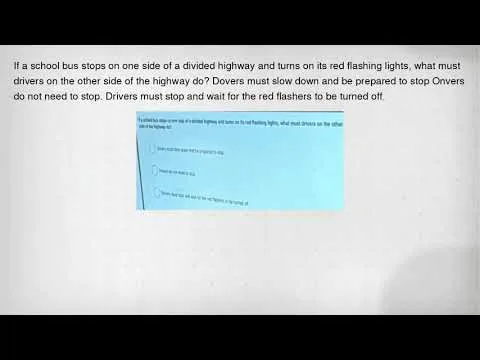
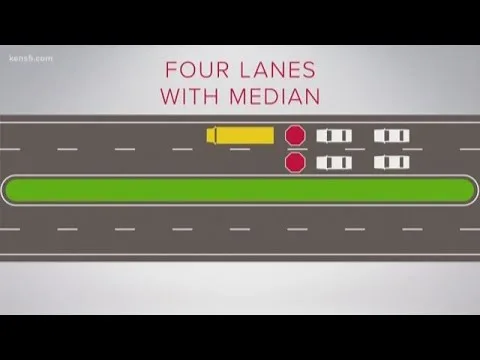
On Oregon divided highways, you only stop for a stopped school bus if you travel the same direction as the bus. Traffic moving the opposite direction does not need to stop, as long as a physical barrier separates the two sides. This exception only applies if the divider meets Oregon’s legal divided highway definition.
If there is no physical barrier, all traffic in both directions must stop. The bus has flashing red lights and an extended stop arm when loading or unloading students.
How Oregon Defines a Divided Highway
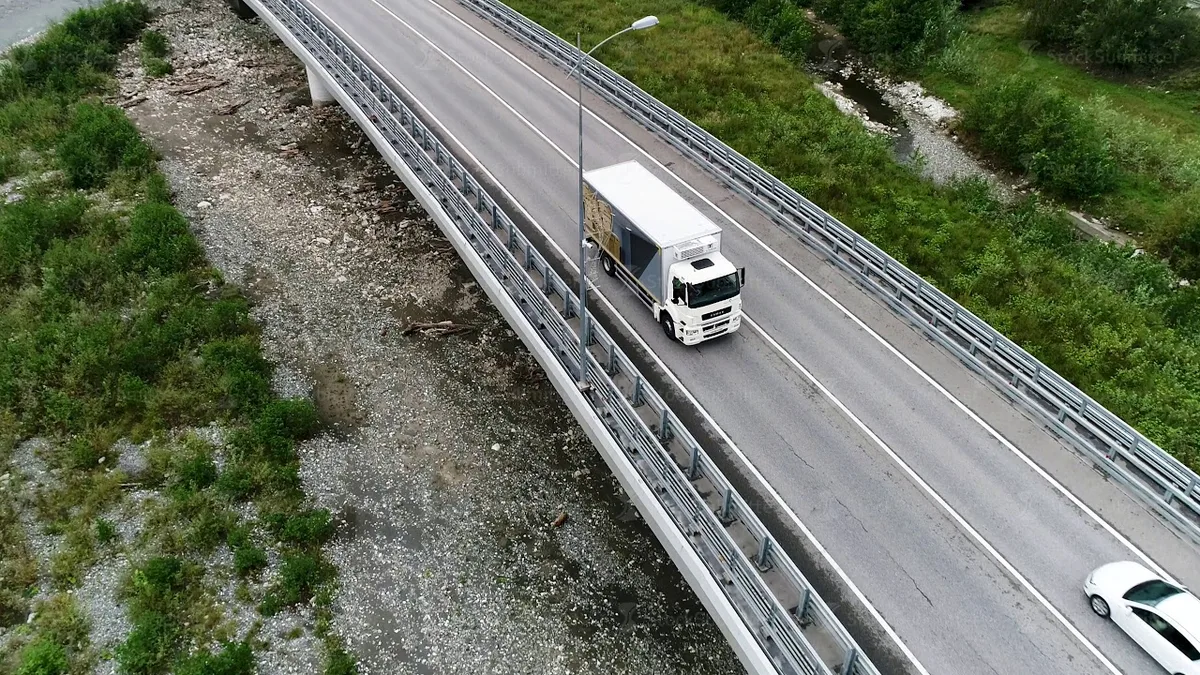
Oregon’s rule for whether opposite-direction traffic must stop hinges entirely on whether the road counts as a divided highway under state law. Per ORS 801.300, a divided highway is any road with two or more lanes in each direction, separated by a physical barrier or an unpaved median at least 5 feet wide. Painted lines or narrow grass strips do not count as valid dividers under this definition.
This is the line that separates drivers who have to stop from those who don’t, so it’s worth paying attention to when you’re on unfamiliar roads. As of 2026, the Oregon Department of Transportation maintains a list of classified divided highways across the state, though most major interstates and multi-lane rural routes fall into this category by default. You can find official guidance on their road classification page.
If you’re ever unsure, assume the road is not divided until you see a clear physical barrier separating traffic flows.
The Exact Rules for Drivers on Divided Highways
The divided highway exception is the part of the law that trips up most drivers, especially those moving to Oregon from states that require all traffic to stop. The rule is simple: only drivers traveling in the same direction as the stopped bus are required to halt, as long as the road meets the legal divided highway definition.
| Road Type | Same Direction as Bus | Opposite Direction from Bus |
|---|---|---|
| Divided highway with valid physical barrier | Must stop | Do not stop |
| Undivided road (no valid barrier) | Must stop | Must stop |
| One-way divided highway | Must stop | No oncoming traffic applies |
This table aligns with official ODOT guidance, which clarifies that the barrier must be a permanent, physical structure, not just a painted median or rumble strip. Out-of-state drivers often assume the rules are the same as their home state, but Oregon’s exception is more permissive than many states, which require all traffic to stop regardless of divider type. If you are ever in doubt, stop anyway, as the cost of a false stop is far lower than a $1,000 fine or a preventable accident.
What the School Bus Lights Mean (Amber vs. Red)
School buses use two distinct light signals to warn drivers of an upcoming stop, and knowing the difference is half the battle. Amber flashing lights mean the bus is about to stop to load or unload students, and you should slow down and prepare to stop. Red flashing lights, paired with an extended stop arm, mean the bus is fully stopped and students are crossing the road.
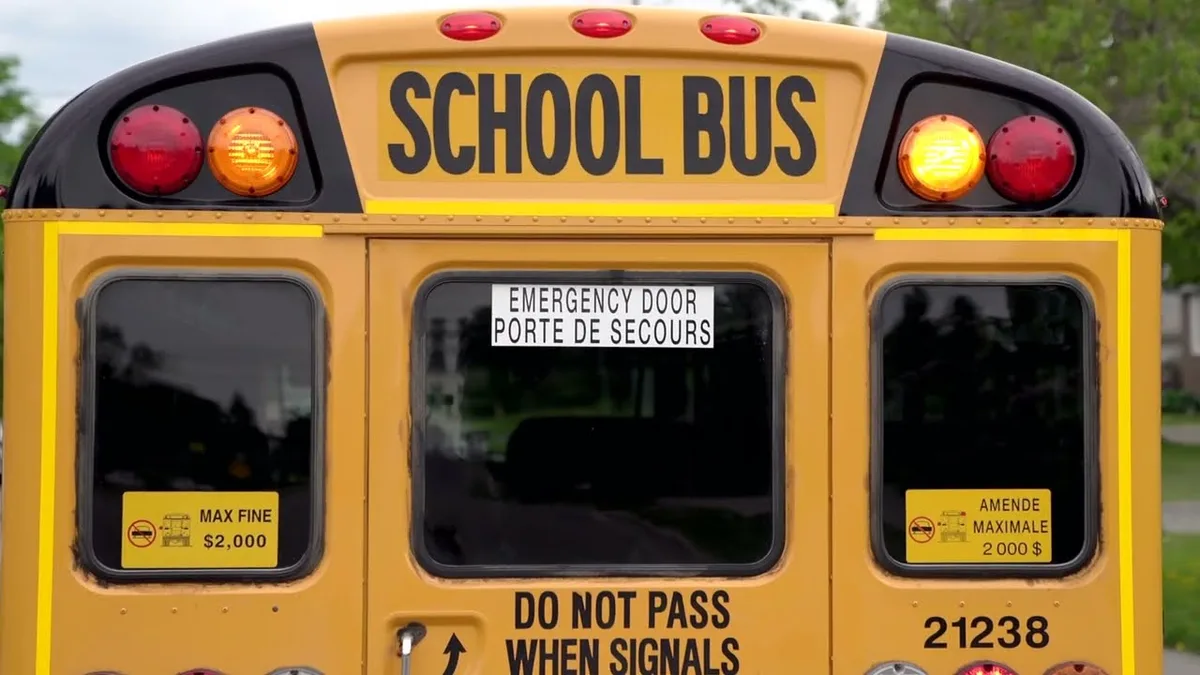
You will never see red lights flashing without the stop arm extended, and vice versa, on a compliant Oregon school bus. The amber lights typically activate 100 to 300 feet before the bus stops, giving you enough time to react safely. Never speed up to beat a bus that is activating its amber lights, as students may be running to catch the bus from unexpected directions.
Step-by-Step: What to Do When You See a School Bus
First, watch for amber lights. When you see them flashing, slow down and prepare to stop, as the bus is about to pick up or drop off students. The bus will activate its red lights and extend its stop arm when it comes to a full stop.
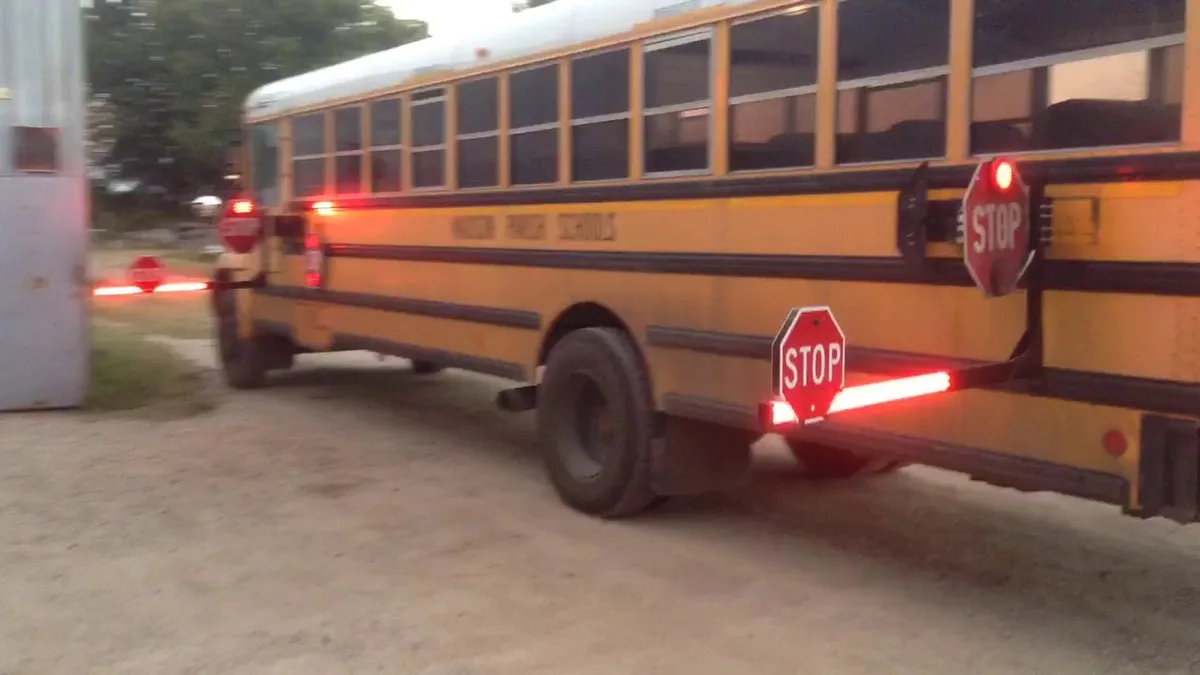
If you are traveling in the same direction as the bus, come to a complete stop at least 20 feet away. Do not proceed until the red lights stop flashing and the stop arm retracts. If you are on the opposite side of a divided highway with a valid physical barrier, you may continue driving with caution.
Common Mistakes That Get Drivers Ticketed
The most frequent violation is passing a stopped school bus with its red lights flashing and stop arm extended. Many drivers assume they can keep going if they are on the opposite side of the road, but this only applies to divided highways with a valid physical barrier. Narrow grass medians and painted lines do not count as valid dividers under Oregon law.
Another common mistake is speeding up to pass a bus with amber lights flashing. Amber lights mean the bus is about to stop, and you should slow down and prepare to stop. Never assume that children won’t be crossing the road unexpectedly, even if you don’t see them at first.
Oregon’s Penalties for Violating School Bus Stop Laws
Violating Oregon’s school bus stop law is a Class B traffic violation. The fine for a first offense can reach up to $1,000. Repeat offenses may result in higher fines and potential license suspension.

These penalties are in place to emphasize the seriousness of the offense and the importance of protecting children. In addition to fines, violating this law can result in points on your driving record, which may lead to increased insurance premiums.
Why the Rules Differ from Undivided Roads
On undivided roads, all traffic in both directions must stop for a school bus with flashing red lights and an extended stop arm. This is because children may need to cross the entire road to reach their destination. The divided highway exception exists because a physical barrier reduces the risk of children crossing into oncoming traffic.
This distinction is crucial for drivers to understand, as the rules change based on the type of road they are on. Always be aware of whether the road you are traveling on is divided or undivided to ensure compliance with the law. If you are ever unsure, assume the road is undivided and stop in both directions.
Real-Life Scenarios (With Clear Answers)
You are driving on a four-lane road with a concrete median, and a school bus stops with its red lights flashing on the opposite side. You do not need to stop, as the concrete median qualifies as a valid physical barrier.
You are driving on a two-lane road with a double yellow line, and a school bus stops with its red lights flashing. You must stop in both directions, as the road is not considered divided under Oregon law.
You see a school bus with amber lights flashing ahead of you. Slow down and prepare to stop, as the bus is about to come to a full stop to load or unload students. Do not speed up to pass the bus before it stops.
FAQs About Oregon’s School Bus Stop Law
Do I have to stop for a school bus on a divided highway in Oregon?
No, you only stop if you are traveling in the same direction as the bus. Opposite-direction traffic does not need to stop on a divided highway with a valid physical barrier.
What counts as a divided highway in Oregon?
A divided highway has two or more lanes in each direction separated by a physical barrier or an unpaved median at least 5 feet wide. Painted lines or narrow grass strips do not qualify.
What do amber lights on a school bus mean?
Amber flashing lights mean the bus is about to stop to load or unload students. You should slow down and prepare to stop.
Can I pass a school bus with red lights flashing on a divided highway?
No, you cannot pass a school bus with red lights flashing and stop arm extended if you are traveling in the same direction. Opposite-direction traffic may proceed with caution on a divided highway.
What is the fine for passing a stopped school bus in Oregon?
The fine for a first offense is up to $1,000. Repeat offenses may result in higher fines and potential license suspension.
Final Takeaway: Stay Safe and Legal
The rules are straightforward once you know the difference between divided and undivided roads. Same direction as the bus means stop, no exceptions. Opposite direction on a properly divided highway means you can keep moving, but only if there’s a real physical barrier.
When in doubt, stop. The life you save could be a child’s, and the fine you avoid could be your own. Oregon’s laws exist to protect the most vulnerable road users, and following them keeps everyone safer.