Moving can feel like a game of whack-a-mole. You update your streaming service, tell your bank, forward your mail but somewhere in the chaos, you miss a critical notification. Reporting changes in address or ownership sounds straightforward.
Miss one step and you could be on the hook for someone else's parking tickets or a property tax reassessment you weren't expecting.
Our research shows that over 40 million Americans move each year. Yet a surprising number of people forget to notify the agencies that actually enforce the rules. As of 2026, state deadlines still range from 10 to 30 days, and the penalties add up fast.
That's why we built this decision tree: it walks you through exactly who needs to know and when.
Quick Answer
Report your address change to USPS first. Then update your DMV within 10 to 30 days. For ownership transfers, file release of liability immediately.
Deadlines vary by state. Check your state's DMV website for exact timeframes. Never assume forwarding mail is enough.
The Two Big Categories: Address Change vs. Ownership Transfer
These two situations sound similar but follow completely different rules. An address change means you're the same person living somewhere new. An ownership transfer means property or a vehicle has changed hands entirely.
Address changes require you to notify agencies so they can find you. Ownership transfers require you to prove you no longer own the asset. That distinction matters because the liability shifts.
Address change example: You move across town. You keep your car. You just need to tell the DMV your new street address.
Ownership transfer example: You sell your car to a neighbor. The DMV needs to know you're done with it. If your neighbor runs a red light next week and the title is still in your name, the ticket comes to you.
If you're dealing with both at once (you moved and sold your old car), handle the ownership transfer before the address change. Start with the highest-stakes notification (ownership) then do the address updates.
Why Getting This Wrong Costs You Real Money and Time
The penalties for missing a notification aren't theoretical. They hit your wallet and your time in very concrete ways.
Vehicle ownership misses:
- You remain legally liable for the new owner's actions
- You can be charged for toll violations, parking tickets, even accidents
- Some states impose a late fee ($10 to $200) for not filing within the window
- You may have trouble registering a new car later
Address change misses:
- Tax refunds go to your old address
- Jury duty summons get lost (and you miss the court date)
- Insurance claims can be denied if your policy address is wrong
- Voter registration lapses
One real example from our research: a California driver sold his car to a private party and forgot to file the release of liability. The buyer racked up $800 in toll violations over three months. Because the seller's name was still on the title, the DMV sent the bills to him.
He had to pay them before he could renew his own registration. That's a costly oversight that a five-minute online form would have prevented.
Just like using the wrong technique can cause swirling car wash brush damage, skipping a simple notification can cause legal headaches. The stakes are real.
Quick Decision Tree: Who Do You Need to Notify?
Here's a simple way to figure out your list. Answer these three questions.
Question 1: Did you move to a new address?
If yes, you need: USPS, DMV, IRS, SSA, voter registration, banks, insurers, utilities, subscription services, any professional license board.
Question 2: Did you sell or buy a vehicle?
If you sold: file release of liability with DMV immediately, notify your insurer, cancel or transfer plates (state-dependent).
If you bought: transfer title into your name, register the vehicle, insure it before you drive it off the lot.
Question 3: Did you transfer property or a business?
If property: record the deed at the county recorder's office, notify the tax assessor, update your homeowner's insurance.
If business: file an amendment with the secretary of state, request a new EIN if ownership structure changed, update your business license.
If you answered yes to more than one question, work through them in order: ownership first, then address. The ownership notifications have hard deadlines. Address changes are more flexible.
| Situation | Priority Level | Reporting Window |
|---|---|---|
| Vehicle sale (transfer) | High | 5 to 30 days (state dependent) |
| Property deed recording | High | Varies by county, often 30 days |
| Address change (DMV) | Medium | 10 to 30 days (state dependent) |
| Address change (USPS) | Low | Anytime, but do it first for mail |
Address Change: Who to Notify First and When
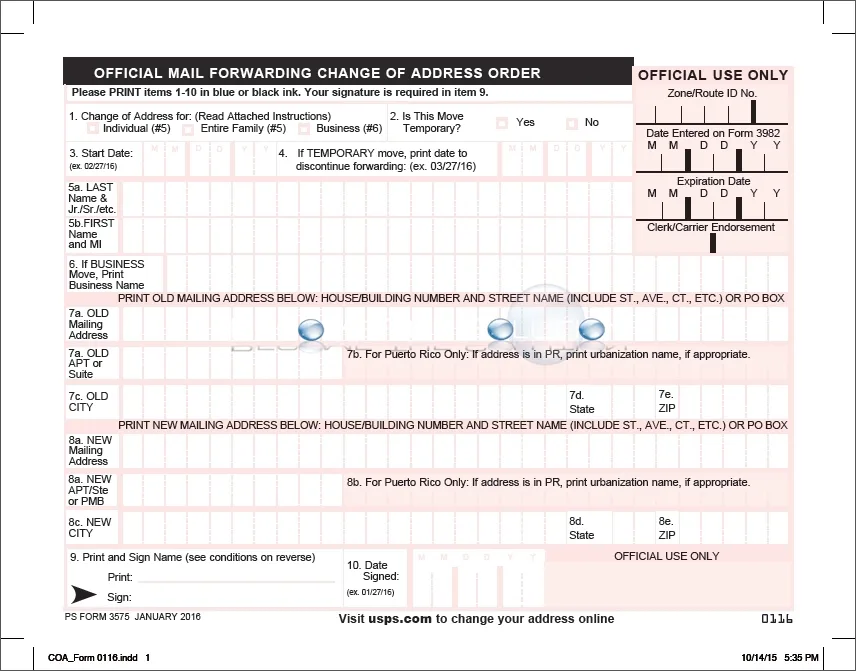
Start with the USPS. Their change-of-address form forwards your mail for 12 months (6 months for businesses). Do this online or at the post office.
You'll get a confirmation code. Keep that code.
But here's the trap: USPS forwarding is not a substitute for notifying agencies directly. The post office only forwards mail class by class. Some government agencies (like the IRS) do not forward.
They use the address on file. So you need to tell them yourself.
Next up: the DMV.
Every state has its own deadline. In Texas you have 30 days. In California you have 10 days.
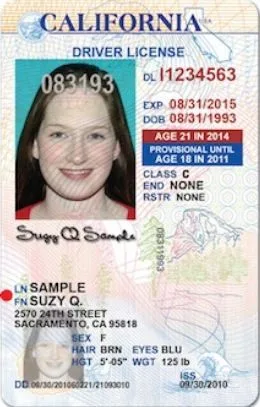
Check your state's exact requirement. You can usually do this online through your state DMV portal. You'll need your driver's license number and new address.
Then the IRS.
If you filed a tax return last year, the IRS has your old address. File Form 8822 for individuals or Form 8822-B for businesses. Processing takes four to six weeks.
If you're waiting on a refund, do this immediately.
Don't forget the SSA.
The Social Security Administration requires you to update your address if you receive benefits. You can do this by phone or in person. It rarely works online, so plan for a short phone call.
Banks and insurers.
Credit card companies, mortgage lenders, auto insurers, health insurers all need your new address. Do these after the government agencies but before your next statement cycle. Setting up paperless billing helps but doesn't automatically update your address.
Voter registration.
Each state has its own portal. Many let you update online. If you wait until election season, the lines are longer.
Do it as soon as you've unpacked.
If you're planning a move, start the process two weeks before you actually move. The USPS change takes effect within 7 to 10 business days. The DMV update is instant online but the card takes weeks to arrive.
For a more detailed checklist, our guide on preparing for touchless washing follows the same principle: do the prep work first, and the outcome improves.
Ownership Transfer: The Right Way to Release Liability
Ownership transfer is the highest-stakes notification you'll make. Getting it wrong means you remain legally responsible for something you no longer own.
For vehicles:
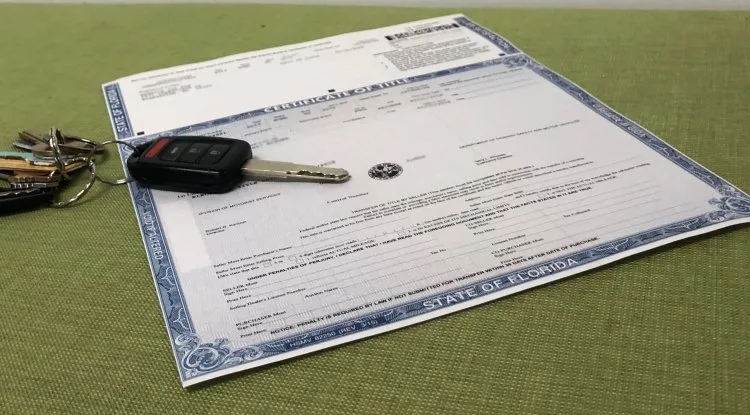
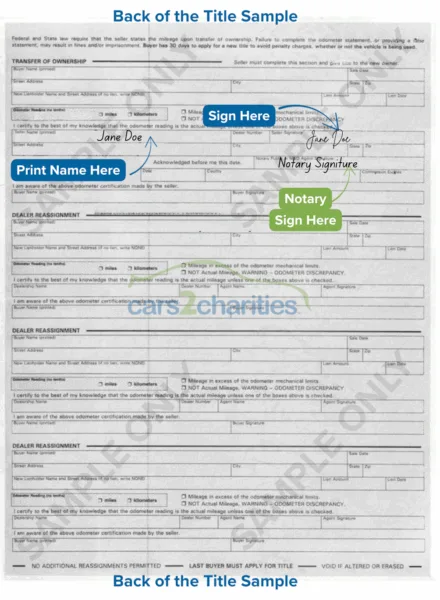
The moment you sign the title over to a buyer, you have a short window to file a release of liability with your state's DMV. In most states, this is an online form. You'll need:
- The buyer's name and address
- The vehicle identification number (VIN)
- The date of sale
- The odometer reading (if the title requires it)
- The sale price (some states ask for this)
File this form even if you think the buyer will do it themselves. They might forget. They might lie.
The release of liability is your proof that you no longer own the vehicle.
Some states also require you to turn in the license plates. Check your state's rule. If plates stay with the seller (common in some states), you need to surrender them or transfer them to your next car.
For property:
Transferring real estate requires a deed. The two most common types are warranty deeds (the seller guarantees the title is clean) and quitclaim deeds (the seller transfers whatever interest they have, no guarantees). Most buyers require a warranty deed.
After signing, the deed must be notarized. Then it must be recorded with the county recorder or registrar of deeds in the county where the property sits. This is a public record.
It establishes the chain of title.
For businesses:
If you sell a business or change its ownership structure, you need to file an amendment with the secretary of state in your state of incorporation. If the ownership change is significant, the IRS may require a new Employer Identification Number (EIN). Sole proprietorships often pass through without a new EIN, but LLCs and corporations usually need one.
Notify your business insurer immediately. A change in ownership can void your existing policy.
One common mistake: sellers think the buyer will handle the paperwork. In our research, that's the number one source of liability claims. Always file your own notification.
Always keep a copy of the confirmation.
The same principle applies to keeping your car washed properly after a ceramic coating: the right steps at the right time prevent problems later.
When the Change Goes Wrong: Legal and Compliance Traps
This is where the real trouble hides. Most people know they need to notify the DMV. But other traps are less obvious.
Property tax reassessment.
In states like California, transferring property ownership triggers a reassessment. If the property value has risen significantly, the new owner's tax bill can jump dramatically. Proposition 13 protections don't always transfer.
If you're buying a home from a family member, check whether a parent-child exclusion applies. If not, you could be in for a surprise.
Identity theft from unforwarded mail.
Your old mailbox is a goldmine for identity thieves. Bank statements, credit card offers, tax documents all end up there if you don't redirect them. Even with USPS forwarding, some mail goes to the old address for months.
Set up informed delivery through USPS to see what's coming.
Insurance gaps.
If you move and don't update your auto insurance address, your policy may not cover a claim at your new location. Some insurers define different rates by territory. If you move to a higher-risk area and don't report it, your claim could be denied.
Business penalties.
If your business address on file with the state is outdated, you may miss important compliance notices. Annual report reminders, tax notices, even lawsuits. Missing a response deadline can result in administrative dissolution of your LLC or corporation.
That's hard to undo.

Vehicle liability after sale.
This is the most expensive trap. If you don't file a release of liability, and the new owner gets into an accident, you can be named in the lawsuit. The DMV database still shows you as the owner.
The victim's lawyer will come after you. Even if you eventually win, the legal bills will hurt.
A cautionary story from our research: a seller in Florida sold a car to a friend. They didn't file the release because "they trusted him." The friend drove without insurance, hit a pedestrian, and fled. The police traced the plates back to the seller.
The seller spent six months and thousands in legal fees proving he wasn't driving. An online form would have taken five minutes.
If you've ever wondered what to do when a car key goes through the washing machine, you know that small mishaps snowball. Ownership notifications work the same way. A simple step skipped becomes a big problem.
The best approach is to treat each notification like a task with a hard deadline. Put it on your calendar. Set a reminder.
Do it the same day you sign the papers. That's the only way to guarantee you don't forget.
Step-by-Step: Address Change Workflow
Let's turn the checklist into a sequence you can follow without backtracking.
Week before you move:
- Set up USPS mail forwarding online. You get a confirmation email within 24 hours.
- Update your address with your bank and credit cards. Do this online. Most take effect immediately.
- Notify your employer's payroll department. They need your new address for W-2 forms.
Day of the move:
- File your DMV address change online if your state allows it. Many states let you do this without visiting an office.
- Start the IRS Form 8822 process. Mail or fax it. Online filing is limited for this form.
- Call your auto and renters insurance. Read them your new address. Ask if your rate changes.
Week after you move:
- Update voter registration through your state's portal.
- Notify the SSA if you receive benefits. Call them. Do not rely on the online system.
- Change your address on any professional licenses or certifications.
- Update subscription services and streaming accounts. These are low priority but easy to miss.
One trip we see often: someone updates USPS but forgets the DMV. Their car registration renewal goes to their old address. They miss the deadline and pay a late fee.
Our main blog covers the full moving checklist for situations like this.
Step-by-Step: Ownership Transfer Workflow
This workflow has hard deadlines. Treat every step as urgent.
For vehicle sales:
- Sign the title in front of the buyer. Fill in the odometer reading and sale price.
- Take a photo of the signed title for your records.
- File the release of liability with your state DMV within 24 hours. Do not wait.
- Turn in license plates if your state requires it. Some states let you transfer plates to your next vehicle.
- Cancel or transfer your insurance policy. Tell them the exact date of sale.
For property transfers:
- Sign the deed in front of a notary public. Both buyer and seller must be present.
- Record the deed with the county recorder's office. You will pay a recording fee.
- Notify the county tax assessor. They need to update the property tax records.
- Transfer utility accounts out of your name. Schedule this for the closing date.
For business ownership changes:
- File an amendment with the secretary of state. Include the new owner's information.
- Request a new EIN from the IRS if the ownership structure changed.
- Update your business license with the city or county.
- Notify your business insurer. A change in ownership can void coverage.
Common Mistakes That Lead to Penalties or Liability
We've seen the same errors come up in our research. These five account for most of the headaches.
Mistake 1: Trusting the buyer to file.
This is the most expensive mistake. You sell a car. The buyer promises to transfer the title.
They don't. You get the tickets. File the release yourself.
Always.
Mistake 2: Thinking USPS forwarding covers everything.
Government agencies do not forward mail through USPS. The IRS, DMV, and SSA use the address on file. If you do not tell them directly, they will mail important documents to your old address.
Mistake 3: Forgetting the notary.
A deed without a notary stamp is not valid in most states. The county recorder will reject it. You will have to find the other party again and re-sign.
That is hard if you already moved.
Mistake 4: Missing the DMV window.
Each state has a specific deadline. Ten days in California. Thirty days in Texas.
If you miss it, you pay a late fee. Some states also suspend your registration.
Mistake 5: Not updating insurance after a move.
Your auto insurance rate is based on your location. If you move to a different zip code and do not tell them, your policy might not cover claims in the new area.
Costs, Timelines, and Fee Ranges
Knowing the costs helps you plan. Here is what you can expect for each major notification.
| Notification | Typical Fee | Processing Time | Late Penalty |
|---|---|---|---|
| USPS change of address | $1.10 (online) | 7-10 business days | None |
| DMV address update | $0 to $30 | Instant to 4 weeks | $10 to $200 |
| DMV title transfer | $15 to $50 | 2 to 6 weeks | $10 to $200 |
| IRS Form 8822 | Free | 4 to 6 weeks | Delayed refund |
| Property deed recording | $30 to $100 per document | 1 to 4 weeks | Varies by county |
| Notary public fee | $5 to $15 per signature | 15 minutes | Rejected deed |
| EIN request | Free | Online: instant | None |
Timeline notes:
USPS forwarding lasts 12 months for individuals and 6 months for businesses. You can renew once for six more months.
DMV title transfers can take up to eight weeks in some states. Do not expect the new title to arrive quickly.
IRS address changes take four to six weeks. If you are waiting on a refund, file the form immediately.
Quick Answers to Common Questions
How long do I have to report an address change to the DMV?
Most states give you 10 to 30 days from the move date. California gives 10 days. Texas gives 30.
Check your state DMV website for the exact window. Late fees apply after the deadline.
Do I need a new title if I move to a different state?
Yes. When you move to a new state, you must register your vehicle in that state. You will surrender your old title and receive a new one from the new state.
You have 30 to 90 days depending on the state.
Can I transfer ownership without a notary?
It depends on your state. Some states require notarization for vehicle title transfers. Most require it for property deeds.
Check your state's specific rules before you sign. A rejected form means you start over.
What happens if I don't tell the IRS about my address change?
The IRS will mail notices and refunds to your old address. If you miss a notice about a tax issue, it can lead to penalties. You might also miss a refund check.
File Form 8822 as soon as you move.
Do I need to notify my bank if I change my business address?
Yes. Your bank uses your address on file for compliance checks. An outdated address can trigger fraud alerts.
It can also delay important account notices. Update it the same week you change your business registration.
Final Decision Guide: Your Custom Workflow Based on Situation
You now have the full picture. Here is how to apply it to your specific situation.
If you are moving to a new home (address change only):
Start with USPS. Then do your DMV, IRS, and SSA in that order. Finish with banks, insurers, and voter registration.
Give yourself two weeks before the move to complete the government notifications. The rest can wait until after you unpack.
If you are selling a car (ownership transfer):
File the release of liability the same day you sign the title. Take a photo of the signed title. Cancel or transfer your insurance.
Turn in plates if your state requires it. Do not let the buyer leave without your confirmation number from the DMV.
If you are buying or selling property:
Use a warranty deed for most transactions. Get it notarized immediately. Record it at the county recorder within 30 days.
Notify the tax assessor. Transfer utilities on the closing date. Keep copies of everything.
If you are changing business ownership:
File the amendment with the secretary of state first. Request a new EIN if needed. Update your business license.
Notify your insurer. Then update your address with banks and vendors. Business notifications have cascading deadlines.
Do them in order.
If you are dealing with both an address change and an ownership transfer:
Handle the ownership transfer first. It has the hardest deadlines and the highest liability. Then do the address change.
The ownership paperwork is time-sensitive. The address change can wait a week without serious consequences.
The key takeaway is simple: file your own notifications. Never rely on someone else to do it for you. A five minute online form saves months of headaches.