Dust on your car isn’t just ugly, it’s abrasive. If you’ve ever wondered how to wipe dust off car without scratching, the key is using the right method for your surface and tools. A single wrong move with a dry paper towel can leave permanent swirl marks.
Manufacturer specs confirm that microfiber cloths with 300+ GSM are safest for automotive paint. Let’s break down why this happens and how to avoid it.

Quick Answer
Use a clean microfiber cloth misted with quick detailer or water. Wipe in straight lines, not circles. Always blow off loose dust first if possible.
Never use paper towels or household rags.
Why Dust on Your Car Is More Than Just an Eyesore
Dust particles are microscopic but sharp. When you drag them across your car’s clear coat, they act like sandpaper. Over time, this creates swirl marks that dull the finish and reduce resale value.
The clear coat on modern cars is only 1.5 to 2 mils thick as of 2026. That’s thinner than a human hair, so even light scratching adds up fast.
What You’re Actually Dealing With (Dust vs. Dirt vs. Grime)
Dust is fine, dry particles, usually pollen, soil, or organic matter. It sits on the surface and can often be blown off.
Dirt is heavier and may stick, requiring lubrication to remove safely. Grime is a mix of dust, dirt, and oils that bonds to the paint. Each type needs a different approach.
The Tools You Need—and the Ones You Should Never Use
| Safe Tools | Avoid These |
|---|---|
| 300+ GSM microfiber cloth | Paper towels |
| Leaf blower (100-200 CFM) | Household sponges |
| Quick detailer spray | Dish soap |
| Soft-bristle brush | Old T-shirts or rags |
| Distilled water | Tap water (if hard water) |
Microfiber cloths with a high GSM rating hold more dust and release it less. A waffle weave is best for glass, while plush microfiber works for paint.
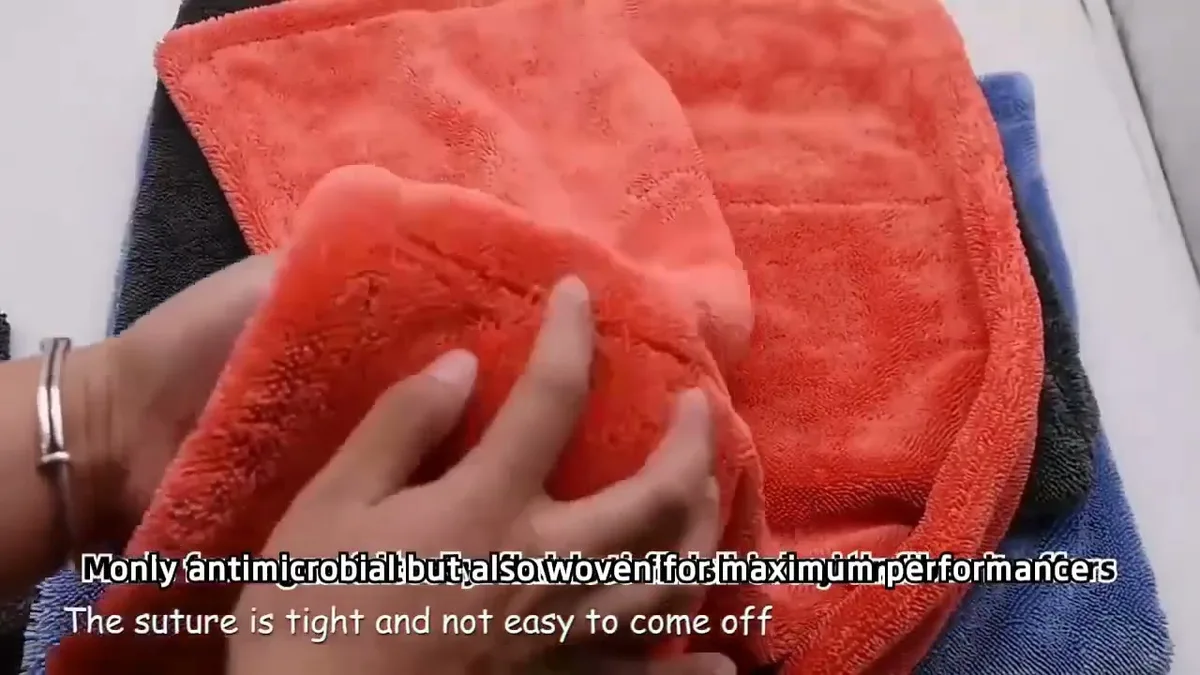
The wrong tool turns a simple dusting into a scratching session. Even a "soft" cotton cloth can trap grit and drag it across your clear coat.
The Decision Tree: Which Method Fits Your Situation?
You Have a Blower or Air Compressor
Start here if you have access to one. A blower removes loose dust without contact, eliminating the risk of scratches entirely.
Use a variable-speed blower set to low. Hold it 12-18 inches from the surface and work in sections. Avoid pointing it directly at seams or trim, where dust can get trapped.
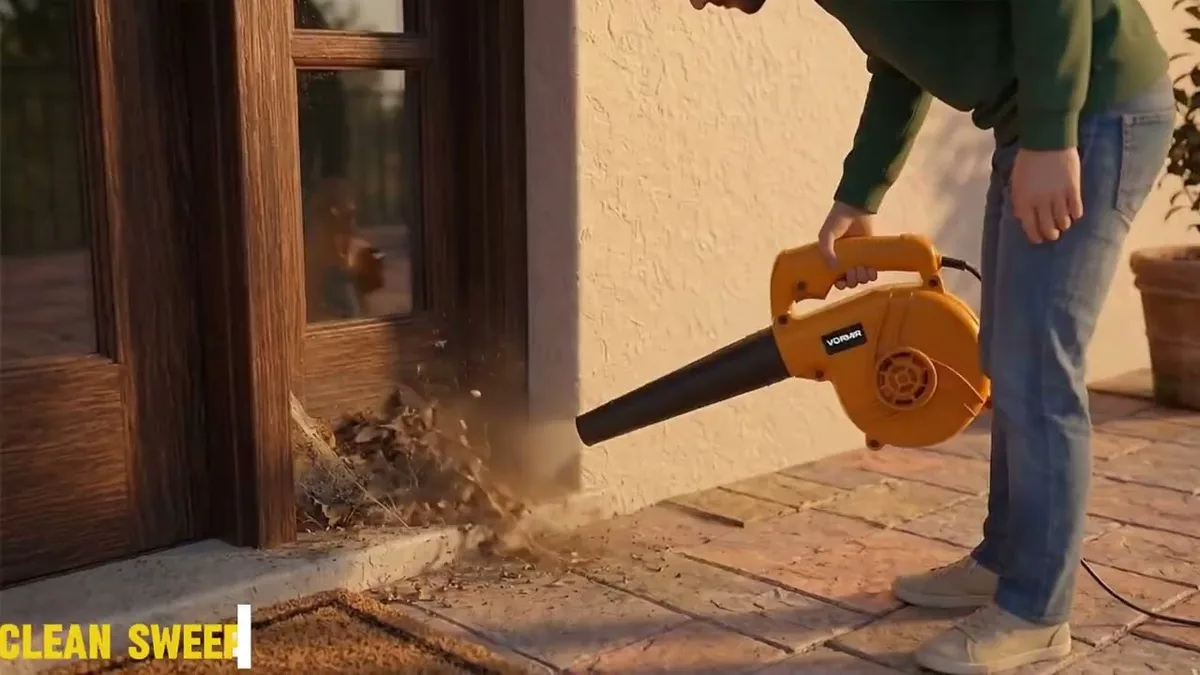
This method is fastest and safest for light dust. It’s also ideal for hard-to-reach areas like grilles and wheel wells.
You Only Have Microfiber Cloths
This is the most common scenario. The key is to use a clean, high-GSM cloth and add lubrication.
Mist the cloth with quick detailer or distilled water first. Wipe in straight lines, flipping the cloth frequently to avoid reapplying dust. Never press hard, let the lubricant do the work.
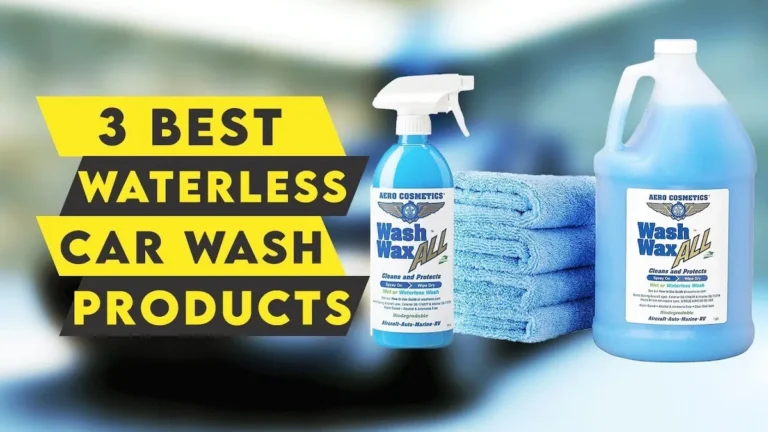
You’re Working with a Waterless Wash or Quick Detailer
These products are designed for dust and light dirt. They add lubrication to lift particles safely.
Spray directly onto the surface or the cloth. Work in small sections, typically 2×2 feet at a time. Buff with a second dry microfiber to prevent streaks.
Quick detailers often include light polymers that enhance shine. They’re not a substitute for wax but help maintain it between washes.
You’re in a Rush with Just Water
Distilled water is safest to avoid mineral deposits. Tap water can leave spots, especially in hard water areas.
Dampen the cloth, then wring it out well. Too much water can cause streaking. Dry immediately with a second cloth to prevent water spots.
Step-by-Step: The No-Scratch Dust Removal Process
Start by parking in the shade. Hot surfaces cause water or detailer to evaporate too quickly.
Blow off loose dust with a blower if available. Then mist your cloth or the surface with quick detailer or water. Wipe in straight lines, overlapping your passes.
Finish with a dry microfiber to remove any remaining moisture. For glass, use a separate cloth to avoid cross-contamination.
Where Most People Go Wrong (And How to Fix It)
Using a dry cloth on dusty paint is the top mistake. It drags particles across the surface, creating swirl marks.
Another common error is using the same cloth for wheels and paint. Wheel dust contains brake particles that can scratch. Always use separate cloths for different surfaces.
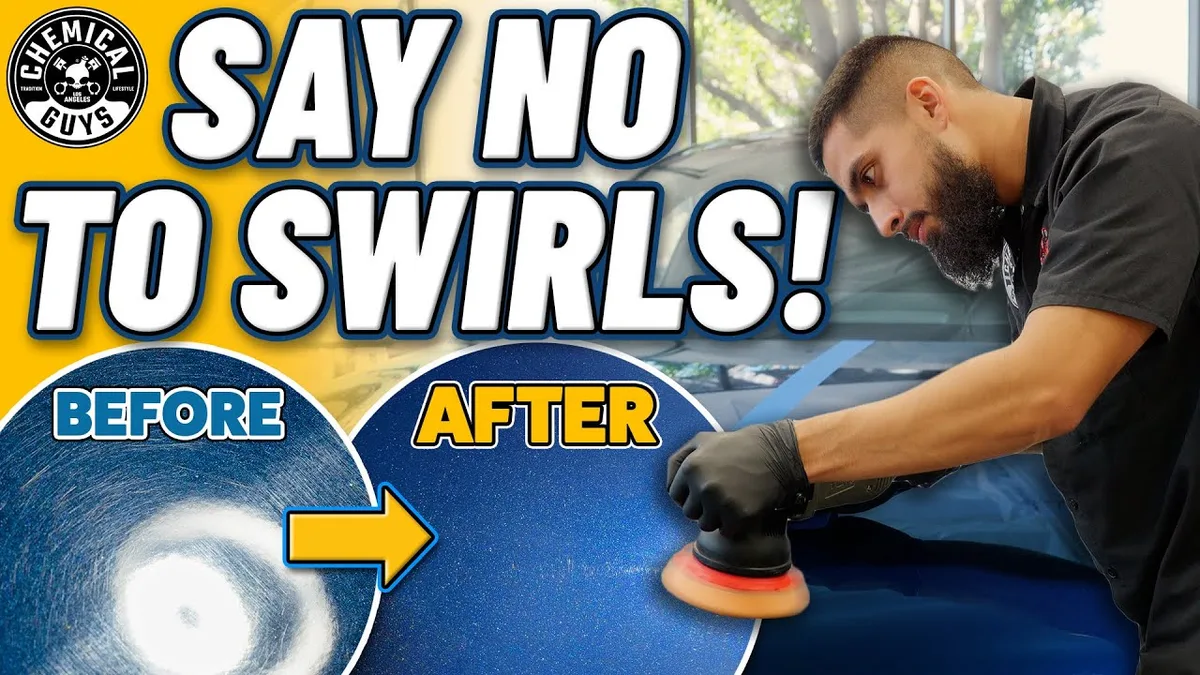
Static cling can make dust resettle quickly. A quick detailer with anti-static properties helps. Avoid wiping in direct sunlight, which causes premature drying and streaks.
Microfiber Deep Dive: What GSM, Pile, and Weave Really Mean
GSM stands for grams per square meter. It measures the cloth’s density and absorbency. Higher GSM means more padding and better dust retention.
Pile refers to the length of the fibers. Short pile is better for glass, while long pile works well for paint. Waffle weave has a grid pattern that traps less dust and is ideal for drying.
A 300-400 GSM microfiber with a plush pile is the sweet spot for automotive paint. Lower GSM cloths are fine for interior surfaces or glass.
When to Skip the Wipe and Do a Full Wash Instead
Heavy dust buildup or visible dirt requires a full wash. Wiping alone won’t remove embedded grime safely.
If the dust is mixed with mud, bird droppings, or tree sap, a wash is necessary. These contaminants can etch the paint if left too long.
A full wash also restores the protective layer of wax or sealant. It’s the only way to ensure a truly clean surface.
Pro Tips for Stubborn Dust, Static, and Hard-to-Reach Spots
For stubborn dust, use a soft-bristle brush to loosen it before wiping. A detailing brush works well for crevices and emblems.
Static cling can be reduced with an anti-static quick detailer. Avoid wiping in dry, windy conditions when dust is more likely to resettle.
For hard-to-reach spots like wheel wells or grilles, a blower is the safest option. It removes dust without contact.
Keeping Your Tools in Top Shape (So They Don’t Ruin Your Paint)
Wash microfiber cloths separately from other laundry. Use a mild detergent and avoid fabric softeners, which can clog the fibers.
Air-dry cloths or use low heat. High heat can melt the fibers and reduce absorbency.
Store cloths in a clean, dry place. Fold them to avoid creases that can trap dirt.
Frequently Asked Questions
Can I use a regular towel to wipe dust off my car?
No. Regular towels, even soft ones, can trap dust particles and scratch the paint. Stick to high-GSM microfiber cloths designed for automotive use.
How often should I clean my microfiber cloths?
Wash them after every use if heavily soiled. For light dust, washing every 3-4 uses is usually sufficient. Always use a mild detergent and avoid fabric softeners.
Is a leaf blower safe for my car’s paint?
Yes, if used correctly. Keep the blower on a low setting and hold it 12-18 inches from the surface. Avoid pointing it directly at seams or trim.
Why does my car get dusty so quickly?
Static electricity, dry climates, and urban pollution all contribute. Parking under trees or near construction sites increases dust buildup.
Can I use household cleaners on my car?
No. Many household cleaners contain ammonia or abrasives that can damage automotive paint and clear coat. Use products specifically designed for cars.