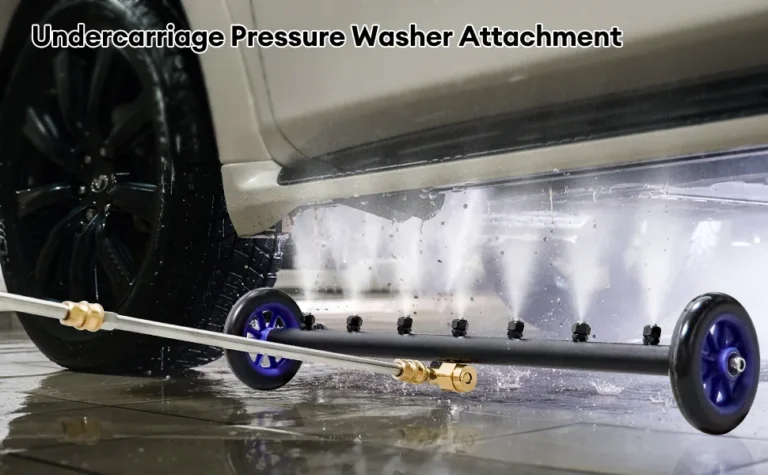
If you have ever pulled a full eight-hour shift in a car wash wearing ordinary sneakers, you already know the problem. Your socks are soaked before the first break. Your feet slide on every patch of wet concrete.
And within a few weeks the soles start peeling apart or the stitching gives out entirely. That is why finding proper shoes for carwashers is not about looking good, it is about staying upright, keeping your feet dry, and not burning through a new pair every two months.
Slip-and-fall accidents account for a large share of workplace injuries in wet environments, and commercial car washes are no exception. Per ASTM F2913 testing standards, a truly slip-resistant shoe should maintain a coefficient of friction of at least 0.40 on wet, soapy surfaces. Most casual sneakers do not come anywhere close.
So what actually works on the wash bay floor?
The Problem: Why Your Regular Shoes Won't Cut It
A car wash is a uniquely harsh environment for footwear. The combination of constant water, alkaline soaps, chemical degreasers, and pressure-washed grit attacks shoes from every angle. Here is what happens to a standard shoe in that environment:
- Water soaks through. Most sneakers use mesh or thin canvas. Within minutes your feet are wet, which leads to blisters, fungal issues, and general misery.
- Slipping becomes a hazard. Standard rubber outsoles lose grip on wet concrete, especially when soap film is involved. A slip can mean a nasty fall onto a wet bay floor or into a moving vehicle.
- Chemicals eat the materials. Car wash soaps and tire cleaners are alkaline or solvent-based. They break down cheap glues, dissolve synthetic uppers, and cause sole separation in weeks.
- Standing fatigue sets in. Eight hours on hard concrete with minimal cushioning leads to sore feet, aching knees, and lower back pain by the end of the week.
If you work in a tunnel wash or a manual bay, your feet take a beating from all sides. That is why the right shoe is not a luxury, it is a piece of safety equipment. The manual cleaning equipment used in car wash setups can add extra hazards with high-pressure hoses and wet hoses lying on the floor, so solid footing matters even more.
Quick Answer
Shoes for carwashers need slip-resistant outsoles, waterproof uppers, and anti-fatigue support. Look for ASTM F2913 rated soles and sealed seams. Non-marking rubber prevents floor scuffs.
Breathable models drain water faster. Expect to spend 60 to 150 dollars for quality that lasts six to twelve months.
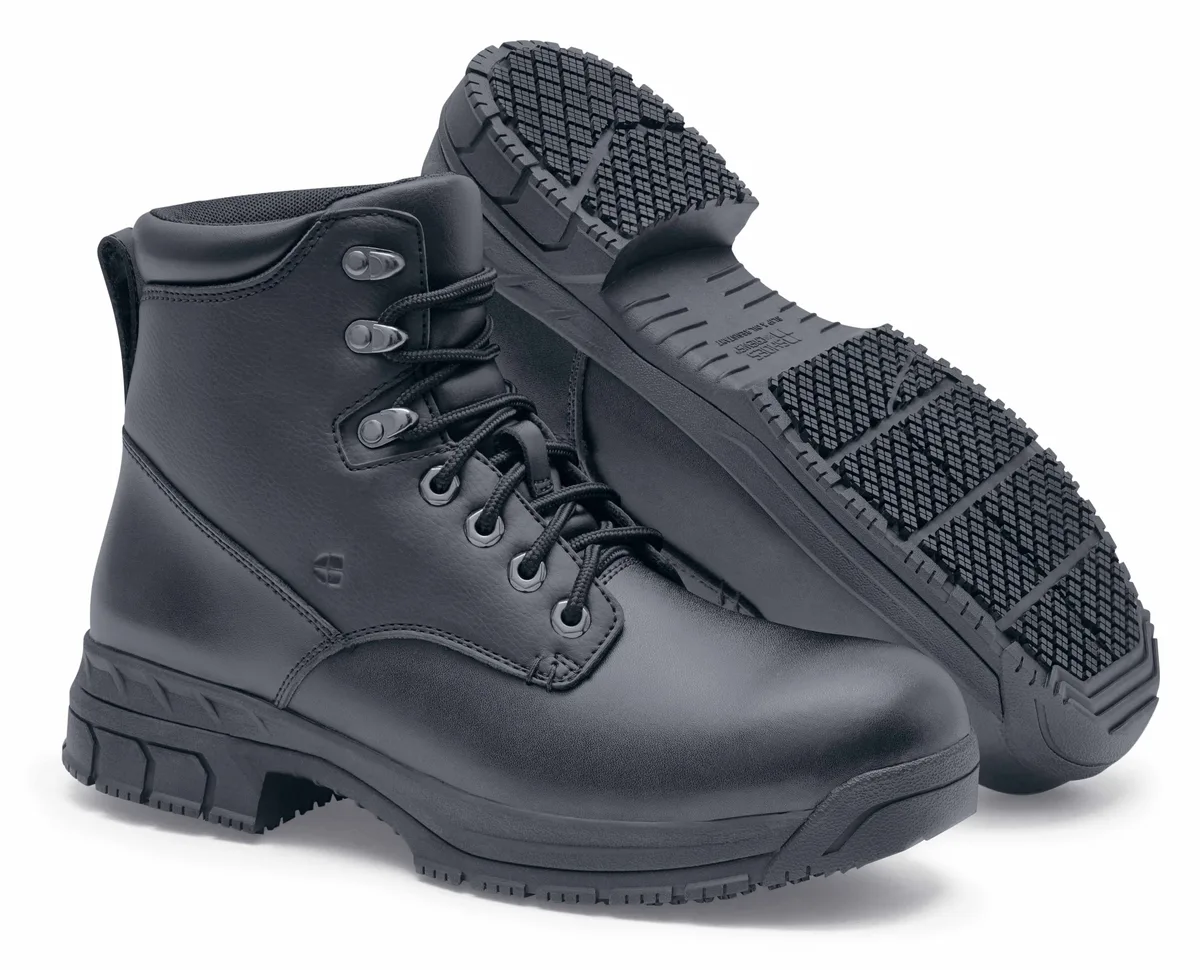
The Big Trade-Offs: Boot vs Sneaker, Waterproof vs Quick-Dry, Toe vs No Toe
Before you pick a model, you need to understand the three major trade-offs that define every shoe for carwash work. Each choice comes with clear pros and cons.
Boot versus Sneaker Style
| Style | Best For | Trade-Off |
|---|---|---|
| Low-top sneaker | Warm climates, mobile detailers, workers who need agility | Less splash protection, more water entry |
| Mid or high boot | Cold weather, tunnel wash bays, heavy water exposure | Heavier, less breathable, more restrictive |
| Rubber clog or boot | Full immersion, chemical-heavy wash tunnels | No ankle support, sweat build-up, heavy |
If you work in a touchless automatic wash where you stand near a spray arch, a boot gives you better splash protection. If you hand-wash cars all day and move quickly between bays, a low-top sneaker keeps you agile.
Waterproof versus Quick-Dry
This is the most misunderstood choice. A waterproof shoe uses a membrane (like Gore-Tex or a proprietary film) to keep water out entirely. That sounds perfect, but there is a catch: once water gets inside over the top of the collar, it cannot escape.
Your feet stay wet for the rest of the shift.
A quick-dry shoe (usually mesh with drainage ports) lets water in but drains and dries fast. It is better for workers who get soaked repeatedly, the shoes will be wet for twenty minutes but dry by the next cycle.
Rule of thumb: If your feet stay below the top of the shoe all day, go waterproof. If you regularly get water over the collar, go quick-dry.
Toe Protection: Steel, Composite, or None
| Toe Type | Weight | Conducts Cold | Safety Rating | Metal Detector Issue |
|---|---|---|---|---|
| Steel toe | Heaviest | Yes | Highest impact protection | Triggers detectors |
| Composite toe | Moderate | No | Comparable to steel | Safe for detectors |
| Alloy toe | Moderate | Slightly | High | Triggers detectors |
| No toe | Lightest | N/A | No drop protection | N/A |
Most car wash workers do not need a reinforced toe. The main hazard is slipping, not dropping a transmission on your foot. But if you work in a shop that also does mechanical work or if your employer requires safety toes, composite is usually the better choice because it does not conduct cold and stays lighter.
For a deeper look at options in a different market, the botas para carwash guide covers rubber and synthetic work boot alternatives that work well in wet conditions.
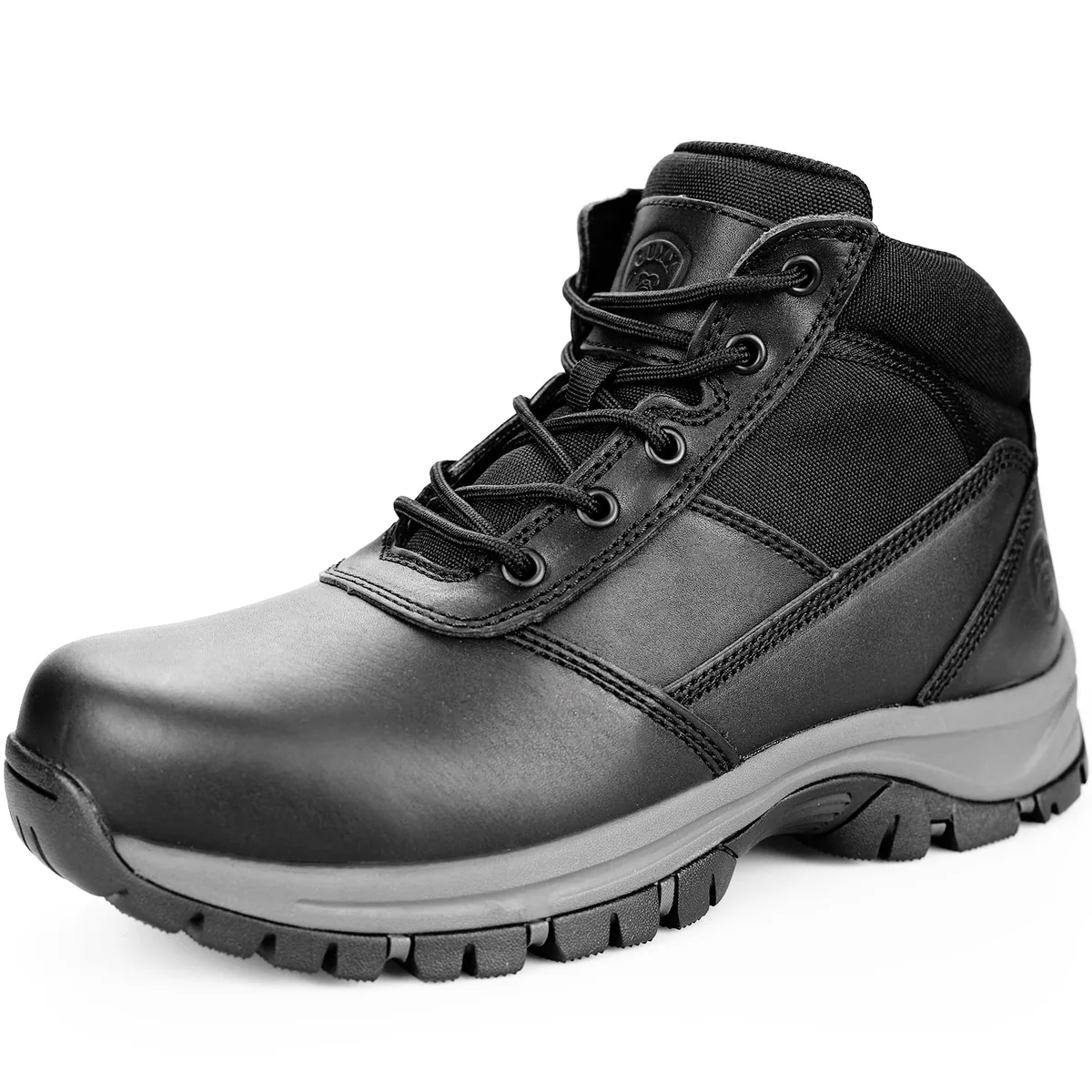
Key Features That Matter (and Some That Don't)
After looking at what holds up in real car wash conditions and what fails fast, here is what separates a good shoe from a waste of money.
Must-Have Features
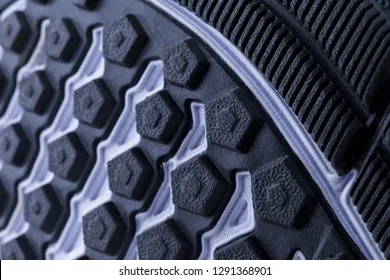
- Slip-resistant outsole rated to ASTM F2913. This is the single most important spec. Look for models that advertise a coefficient of friction of 0.40 or higher on wet surfaces. Brands like Skechers for Work, Timberland PRO, and Keen Utility typically publish these numbers.
- Non-marking rubber compound. Car wash floors are often sealed or painted concrete. A marking sole leaves black streaks that are hard to remove and look terrible on customer vehicles.
- Waterproof upper or fast-draining design. Pick one based on your work style (see the trade-off section above). Sealed seams and gusseted tongues matter more than a brand name membrane.
- Anti-fatigue midsole. Thick EVA foam or gel inserts reduce the impact of eight hours on concrete. Memory foam footbeds help but compress over time, look for replaceable insoles.
- Chemical-resistant outsole glue. Water-based adhesives fail fast. Heat-bonded or vulcanized construction lasts much longer when exposed to soap and degreasers.
Nice-to-Have But Not Critical
- Electrical hazard rating. Only matters if you work near live electrical equipment, which is rare in most car washes.
- Steel or composite toe. Only needed if your employer mandates it. For pure car wash work, it is extra weight with no real benefit.
- High ankle cut. Offers more splash protection but reduces mobility. A mid-height boot is a fair compromise.
- Reflective trim. Useful for visibility in low-light tunnel washes but not a deal breaker.
Features That Do Not Matter
- Brand logos and fashion colors. Nobody cares what your shoes look like when they are covered in soap foam and grit.
- "Athletic" style labels. A shoe marketed for cross-training is not automatically good for wet concrete. The outsole compound is what matters.
- Hype around "waterproof" without a spec. Many shoes claim waterproofing but only resist light rain. Look for a specific membrane name or a submersion rating.
Side-by-Side: Top Shoe Styles for Car Wash Work
The market offers several distinct categories of shoes that work well on the wash bay. Each has a different balance of durability, cost, and comfort.
Low-Top Slip-Resistant Sneakers
These are the most popular choice among car wash workers for warm-weather months. Brands like Skechers Flex Advantage and New Balance 626v2 lead this category.
Pros: Lightweight, good mobility, cool in summer, easy to hose off.
Cons: Limited splash protection, water seeps through the tongue area, soles wear faster.
Best for: Hand-wash bays in warm climates, mobile detailers, anyone who hates heavy footwear.
Mid-Height Waterproof Work Boots
Timberland PRO Powertrain and Keen Utility Lexington are strong examples here. These offer better ankle support and splash protection than low-tops.
Pros: Good splash resistance, solid ankle support, durable outsoles that last 8-12 months.
Cons: Heavier, less breathable, more expensive (usually 110-180 dollars).
Best for: Tunnel washes with standing water, cold-weather operations, workers who need boot-level durability.
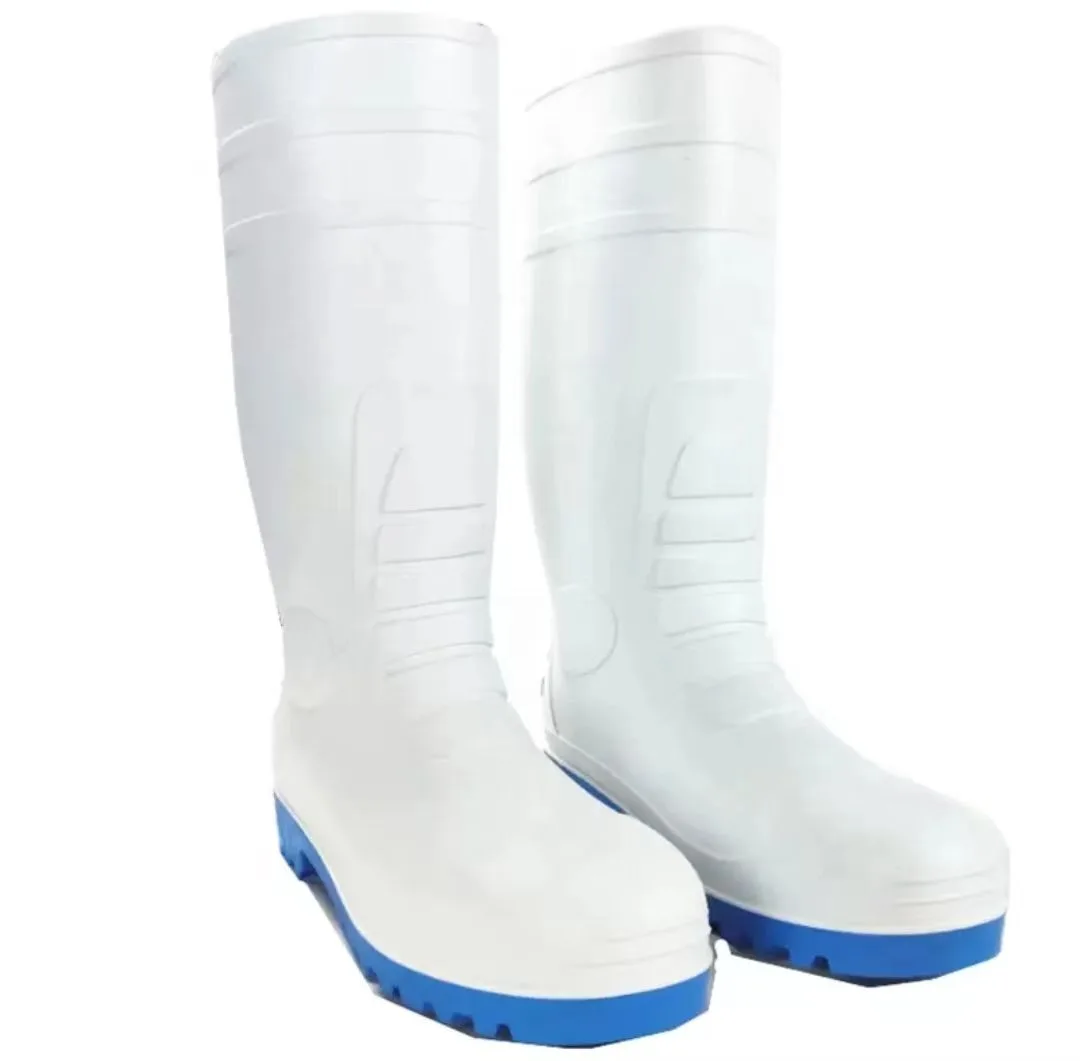
Rubber Clogs and Industrial Boots
Crocs at Work Bistro and Dunlop industrial boots fall into this category. They are fully waterproof and resist chemicals very well.
Pros: Complete waterproofing, easy to clean with a hose, excellent chemical resistance.
Cons: No breathability (feet sweat), heavy, no ankle support, poor fit for narrow feet.
Best for: Full-immersion environments like automatic wash arches, chemical mixing areas, or pressure washing stations.
Drainage Footwear
Some manufacturers make shoes designed specifically for wet work. These have mesh uppers and drainage ports in the midsole.
Pros: Water drains immediately, dry fast between cycles, very lightweight.
Cons: No protection from debris, no warmth in cold weather, shorter lifespan.
Best for: Summer-only workers, mobile detailers who move between jobs, anyone who hates wet feet but gets soaked every shift.
When you are choosing between these styles, consider your specific work setup. A tunnel wash operator who stands near spray arches all day will want something different from a mobile detailer who works on driveways with a pressure washer. The what to expect in a drive through car wash article covers those different work environments in more detail if you are trying to match your shoe to your actual shift conditions.