Black Friday deals are live on Amazon · limited-time discounts, grab them before they’re gone
Grab the deals

ByMax Lee
The Hidden Settings You Must Enable Before Any Automatic Wash for 2026 BMW X3: Ultimate Protection Tips
An automatic wash is convenient, but the 2026 BMW X3 is not a completely “drive in and forget it” vehicle. Automatic wipers, powered mirrors, parking sensors, cameras, electric parking brakes, and driver-assistance systems all need to be handled correctly before the conveyor starts moving.
The most important point is that there may not be one universal Car Wash Mode on every 2026 BMW X3. Equipment, software, market, trim level, and the type of wash all affect the correct procedure. Use this guide as a practical checklist, then confirm the final instructions in your X3’s owner’s manual or the on-screen BMW guidance. BMW’s official owner resources are the best place to verify model-specific controls: BMW USA. You can also read our guide on tesla wheel covers should you remove aero caps before an automatic wash.
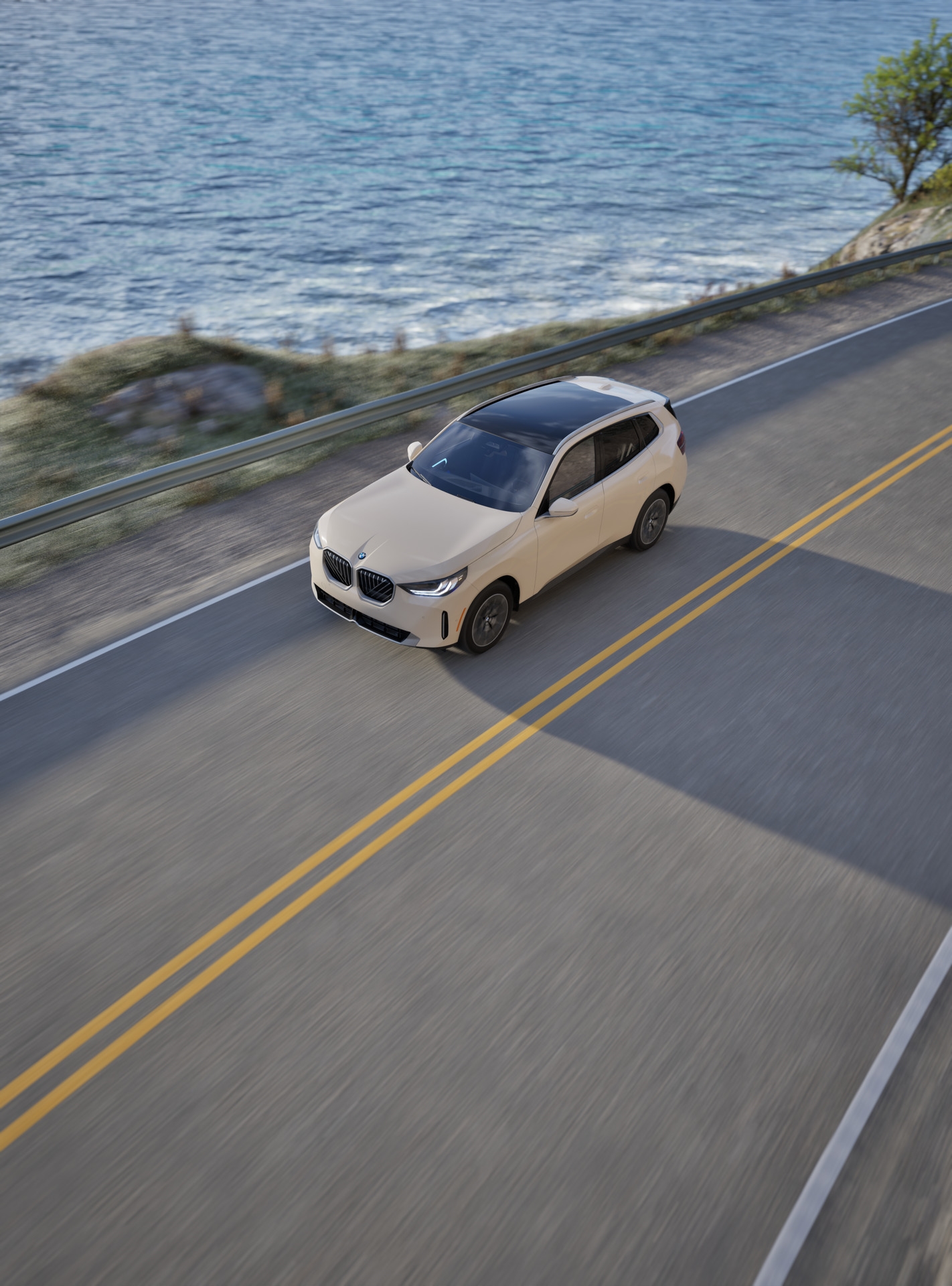
The X3 should be secured and configured before entering the wash conveyor.
Credit: www.bmwofbridgewater.com
The Most Important Automatic-Wash Settings
Before entering, check these controls in the following order:
| Control or setting | What to do | Why it matters |
|---|---|---|
| Automatic windshield wipers | Switch automatic wiper activation off | Prevents the wipers from starting when water hits the glass |
| Front and rear wipers | Confirm they are fully parked | Reduces the risk of blade or arm damage |
| Power-folding mirrors | Fold them only if the wash allows or requires it | Helps protect mirror housings from brushes and guide rails |
| Windows and glass roof | Close every window and the panoramic roof completely | Prevents water and cleaning chemicals from entering the cabin |
| Parking sensors | Expect warning tones and do not rely on them | Spray, brushes, and conveyor equipment can trigger false alerts |
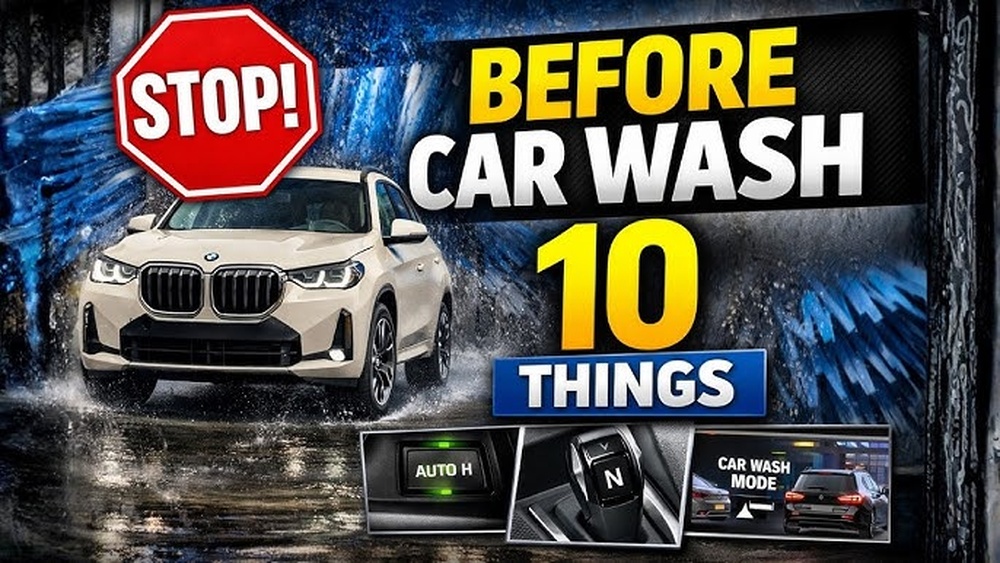
| Parking brake and transmission | Follow the wash’s conveyor instructions precisely | The correct setting depends on whether the vehicle must roll in Neutral |
| Auto Hold | Turn it off when the vehicle must move freely on a conveyor | Prevents unwanted braking or stopping |
| Engine and ignition | Use the wash’s required engine setting | Some conveyor washes require the engine running; others require it off |
| Comfort Access | Lock the X3 and keep the key away from the door handles | Prevents accidental unlocking during cleaning |
The word enable can be misleading here. Some protections involve turning a feature on, such as mirror folding. Others require disabling an automatic function, such as rain-sensitive wipers or Auto Hold.
1. Turn Off Automatic Wipers Before the Wash
This is the setting most likely to cause trouble if it is overlooked.
The X3’s rain sensor can interpret water from the wash as rainfall. If the wiper stalk is left in an automatic position, the blades may activate while the vehicle is stationary or while brushes and drying equipment are passing over the windshield.
Before joining the queue:
- Move the wiper control out of its automatic setting.
- Confirm the front wipers are completely parked.
- Check that the rear wiper is off, especially if the vehicle has one fitted to the tailgate.
- Do not leave the wiper stalk in an intermittent or rain-sensing position unless BMW or the wash operator specifically instructs you to do so.
Do not confuse the rain sensor with a feature that needs to be covered. Normal wash water will not usually damage the sensor, which is mounted behind the windshield. The concern is unintended wiper movement, not ordinary water exposure.
After the wash, restore the automatic wiper setting if you normally use it. A common mistake is leaving the system disabled and then assuming the wipers will respond automatically during the next rainstorm.
2. Decide How to Handle the Exterior Mirrors
The X3’s power-folding mirrors are vulnerable to side brushes, narrow wash guides, and improperly positioned equipment. Whether they should be folded depends on the wash design.
- Touchless wash: Folding is generally optional, but follow the bay instructions.
- Conveyor wash with side brushes: Fold the mirrors if the wash specifically permits or requires it.
- Track or guide-rail wash: Use the operator’s instructions rather than guessing.
- Any wash with oversized equipment: Ask an attendant before entering.
You can usually fold the mirrors with the dedicated mirror-folding control or through the vehicle settings, depending on equipment and software. Do not force a power-folding mirror by hand unless the owner’s manual says manual movement is permitted.
Also check for accessories that extend beyond the body:
- Clip-on mirror extensions
- Bicycle or ski attachments
- Roof-mounted cargo equipment
- Flexible antennas
- Loose trim or aftermarket lighting
Remove detachable accessories before washing. A wash’s rotating equipment can catch items that appear secure during normal driving.
3. Close the Windows, Panoramic Roof, and Tailgate
Before the wheels reach the conveyor, verify every opening from outside the vehicle if possible:
- Front windows
- Rear windows
- Panoramic glass roof
- Sunshade position, if applicable
- Tailgate
- Charging or service flaps, where fitted
- Any manually opened vent or quarter window
Do not rely only on the key fob. A window can remain slightly open after a remote command, and a roof panel may stop before reaching its fully closed position if an obstruction is detected.
Aftermarket roof racks, cargo boxes, and crossbars deserve special attention. Some automatic washes prohibit them because brushes or dryers can catch their edges. If the wash attendant says the equipment is not compatible, use a touchless bay or hand wash instead.
For the safest manual alternative, follow a proven paint-safe washing method with clean wash media and separate rinse water.
4. Lock the X3 and Manage Comfort Access
Comfort Access can create an unexpected problem at a wash. If the vehicle detects the key nearby, touching a handle may unlock the doors. An operator, brush assembly, or your own movement around the vehicle could also trigger the system.
Before the wash begins:
- Close all doors and the tailgate.
- Remove the key from your pocket if you will be walking around the vehicle.
- Lock the X3 using the normal locking control.
- Keep the key several feet away from the vehicle when the wash is operating.
- Do not repeatedly touch the door handles to check the locks.
The exact locking behavior can vary by equipment and vehicle settings. If the wash requires you to remain inside, lock the doors from the interior and follow the attendant’s instructions. Never leave the key inside an unattended vehicle.
5. Handle Parking Sensors and Cameras Correctly
You generally do not need to cover the X3’s cameras or parking sensors for an ordinary automatic wash. They are designed to operate outside the vehicle and can get wet during normal driving.
However, expect temporary warning messages or repeated parking tones. Water droplets, foam, hanging cloth, and nearby wash structures can confuse ultrasonic sensors and camera-based systems. That does not necessarily indicate damage.
Before entering:
- Cancel an active parking-assistance maneuver.
- Do not rely on parking sensors to judge the conveyor or wash rails.
- Keep your foot ready to control the vehicle when entering the bay.
- Follow the attendant’s hand signals instead of the parking display.
- Wipe the camera lenses after the wash if the image remains blurred.
Never spray high-pressure water directly into an open panel, damaged trim piece, or electrical connector. If a warning remains after the vehicle is dry and restarted, document the message and contact BMW service rather than repeatedly clearing it.
6. Turn Off Auto Hold When the Vehicle Must Roll
Auto Hold is useful in traffic, but it can be inappropriate on a conveyor. A vehicle that needs to roll freely must not unexpectedly apply its brakes.
Before entering a conveyor wash:
- Stop outside the entrance.
- Turn off Auto Hold if it is active.
- Confirm the instrument display reflects the change.
- Follow the wash’s instructions for selecting Neutral.
- Keep your hands and feet ready to respond to the operator.
The correct procedure is not the same for every automatic wash. Some systems pull the vehicle through while the driver selects Neutral. Others require the engine to remain running, while some tunnel instructions call for the engine to be switched off after the vehicle is secured.
Do not apply the electric parking brake simply because it sounds safer. On a moving conveyor, an engaged parking brake may prevent the vehicle from rolling and could create a dangerous situation. The wash operator’s instructions and the BMW manual take priority.
7. Choose the Correct Transmission and Ignition Setting
This is the setting most likely to depend on the wash type.
Conveyor or tunnel wash
Many conveyor systems require the driver to:
- Enter slowly when instructed.
- Keep the wheels straight.
- Select Neutral.
- Release the brake pedal when the vehicle is captured.
- Keep the steering wheel still.
- Avoid shifting gears until the vehicle exits the conveyor.
Some systems have different instructions for all-wheel-drive vehicles or vehicles with specific tire arrangements. Read the signs before entering and ask the attendant if anything is unclear.
Touchless automatic bay
A touchless bay may allow the vehicle to remain in Park while the equipment moves around it. In that case, apply the parking brake as directed and follow the bay’s posted instructions.
Engine-off requirement
Do not assume the engine should always be turned off. Turning the vehicle off at the wrong time can disable functions the wash needs, lock the transmission in an unsuitable state, or cause the vehicle to stop before it is safely positioned.
The safe rule is simple: match the BMW X3’s transmission, brake, and ignition settings to the specific wash’s operating instructions.
A Complete Pre-Wash Checklist
Use this checklist immediately before entering:
- Automatic front wipers switched off
- Rear wiper switched off
- Windows fully closed
- Panoramic roof fully closed
- Tailgate and doors latched
- Detachable antennas and exterior accessories removed
- Roof rack or cargo box confirmed wash-compatible
- Active parking maneuver canceled
- Auto Hold disabled if the vehicle must roll
- Mirrors folded only as the wash directs
- X3 locked where appropriate
- Key kept away from exterior door handles
- Correct gear selected for the wash
- Parking brake used only as instructed
- Driver-assistance warnings understood
- Steering wheel held straight on the conveyor
If an attendant gives instructions that differ from a generic internet checklist, ask for clarification rather than improvising.
Brush Wash or Touchless Wash: Which Is Safer?
A touchless wash eliminates direct contact from brushes and cloth strips, but it often uses stronger detergents and higher-pressure water. A friction wash may clean stubborn road film more effectively, but dirty brushes can introduce fine scratches and swirls.
Touchless wash advantages
- No shared brushes touching the paint
- Lower risk of transferring grit between vehicles
- Convenient for regular winter rinsing
- Usually better for delicate exterior accessories
Touchless wash limitations
- May leave traffic film behind
- Strong chemicals can reduce wax or sealant durability
- High-pressure spray can expose loose trim or damaged paint
Friction wash advantages
- Better physical removal of heavy grime
- Often includes more effective drying
- Can clean areas that pressure alone misses
Friction wash limitations
- Shared material may contain abrasive dirt
- Brushes can catch loose trim or accessories
- Repeated use may contribute to visible wash marks
For a newer X3 with a clean, well-maintained finish, a reputable touchless wash is often the lower-contact choice. For the best paint finish, controlled hand washing remains preferable. If you use an automatic wash regularly, inspect the brushes and avoid a facility with visibly dirty or damaged equipment.
Protect the Paint, Wheels, and Tires
The vehicle settings prevent operational mistakes; they do not eliminate the physical risks of automatic washing.
Before washing:
- Rinse heavy sand, salt, and mud when possible.
- Avoid washing immediately after driving on hot brakes.
- Check whether the wash uses wheel chemicals that are safe for your wheel finish.
- Avoid harsh wheel cleaners on damaged or peeling surfaces.
- Do not use a wash with equipment that contacts a loose license plate frame.
- Inspect the lower bumpers and wheel arches after winter driving.
After washing, drive slowly for the first few minutes and apply the brakes gently several times in a safe area. This helps remove residual water from the brake surfaces. It is normal for wet brakes to feel slightly different briefly, but persistent vibration, grinding, or warning messages require inspection.
If you are preparing for a long trip, combine the wash with a tire-pressure check. A suitable portable tire compressor guide can help you choose equipment for maintaining the manufacturer-recommended pressure—not a random pressure printed on a tire’s sidewall.
For travel through mountain areas, a clean vehicle should also meet the practical mountain-road equipment requirements that apply to your route and season. Washing is only one part of safe vehicle preparation.
What to Do After the Wash
Once the X3 exits the wash:
- Move to a safe stopping area before changing settings.
- Confirm the vehicle is back in Park when appropriate.
- Reactivate automatic wipers if you normally use them.
- Restore Auto Hold if you want it for everyday driving.
- Unfold the mirrors if they were folded.
- Wipe the front camera, rear camera, and driver-assistance sensors with a clean microfiber towel.
- Check the windshield for clear visibility.
- Test the brakes gently at low speed.
- Look for loose trim, displaced rubber seals, or trapped debris.
If a warning remains after the car is dry, switch the vehicle off and restart it once in a safe location. Persistent warnings, a malfunctioning camera view, or an inoperative wiper should be checked by a qualified BMW technician.
For a vehicle used in a state with periodic inspections, wash-related checks should not replace a formal inspection. For example, owners can review the applicable vehicle inspection standards when planning regional travel or registration compliance.
Common Mistakes to Avoid
Leaving the wipers in automatic mode
This can cause the blades to activate when foam or water hits the windshield. Always confirm the stalk position before entering.
Engaging the parking brake automatically
A conveyor may require the vehicle to roll in Neutral. Use the parking brake only when the operator tells you to.
Folding mirrors without checking the wash
Some equipment needs mirrors folded; other systems are designed for them to remain extended. Follow the posted instructions.
Assuming sensors must be covered
Exterior sensors and cameras are designed for outdoor exposure. Covering them unnecessarily can obstruct their view or leave adhesive residue.
Leaving the key beside the vehicle
Comfort Access can unlock the X3 when a handle is touched. Lock the vehicle and keep the key away from the wash area.
Using a damaged or poorly maintained wash
A torn brush, exposed metal edge, or misaligned guide can cause more damage than any vehicle setting can prevent. Choose another facility if equipment appears unsafe.
Frequently Asked Questions
Does the 2026 BMW X3 have a dedicated car wash mode?
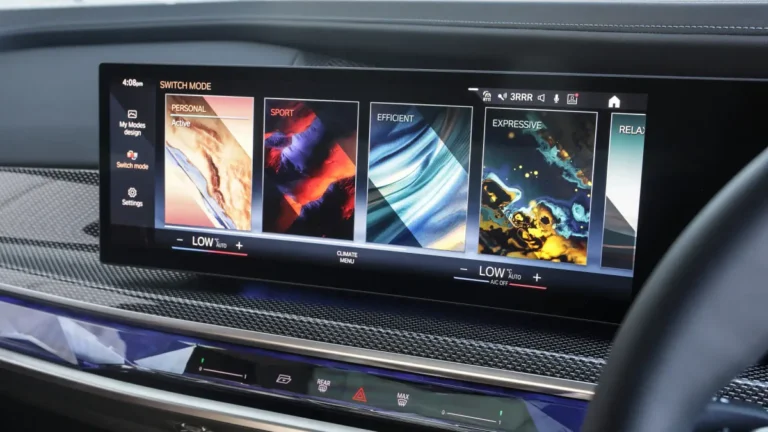
Not every X3 configuration necessarily presents the same named wash mode. Depending on trim, market, and software, BMW may provide relevant controls through the vehicle settings, wiper controls, parking-brake controls, or transmission procedure. Confirm the instructions for your vehicle in the owner’s manual and follow the wash operator’s requirements.
Should I turn off the rain sensor before an automatic wash?
Yes. Move the wiper control out of its automatic or rain-sensing position and verify that the front and rear wipers are parked. Restore the setting after the vehicle exits the wash.
Should I turn off parking sensors?
You normally do not need to deactivate or cover the sensors. They may beep because water, foam, brushes, or nearby structures are detected. Cancel active parking assistance and follow the attendant instead of relying on the sensor display.
Should the BMW X3 be in Park or Neutral?
Use the gear selected by the wash’s instructions. Conveyor washes commonly require Neutral so the vehicle can roll, while some touchless bays require Park. Selecting the wrong position can prevent the vehicle from moving safely.
Can I leave Comfort Access active?
You can use the system normally, but the safest practice is to lock the X3 and keep the key away from the exterior handles. This reduces the chance of an accidental unlock during the wash.
Is a touchless wash better for BMW paint?
It reduces contact-related scratching but may use stronger detergents and may not remove heavy film completely. A reputable touchless wash is a sensible routine option; careful hand washing offers greater control over the finish.
Conclusion
Before taking a 2026 BMW X3 through an automatic wash, focus on the controls that can create a problem: automatic wipers, Auto Hold, power-folding mirrors, Comfort Access, the transmission, and the parking brake. Close every opening, remove incompatible accessories, and treat cameras and sensors as equipment to keep clear—not components that must automatically be covered.
The safest procedure is not to activate every setting blindly. Instead, match the X3’s configuration to the specific wash, read the posted instructions, and confirm uncertain steps in the BMW owner’s manual. Taking one minute to prepare can prevent damaged wipers, trapped accessories, accidental unlocking, or an unsafe conveyor stop.