ByMax Lee
Touchless Car Wash & Ceramic Coating Guide
Touchless car wash ceramic coating is a common concern for drivers who want to keep their paint protected. You’ve spent the money on a ceramic coating, so the last thing you want is a wash method that strips it away or leaves swirl marks. Manufacturer specs confirm that ceramic coatings, typically rated at 9H on the pencil hardness scale, can last 1, 5 years, but only with the right care.
Aggregate reviews show that touchless systems are generally safer than brush-based washes, but there are still risks if the chemicals are too harsh. Let’s break down how each method works and what that means for your coating.
Wikimedia Commons / Wikimedia Commons contributor
Quick Answer
A touchless car wash is safe for ceramic coating if it uses pH-balanced soaps and high-pressure water only. Avoid washes with harsh detergents or abrasive brushes. Ceramic coatings resist chemicals but degrade faster with frequent aggressive cleaning.
Most pros recommend hand washing for coated cars. As of 2026, no major standards body has certified touchless washes as "coating-safe."
How Touchless Car Washes Work vs. How Ceramic Coatings Protect
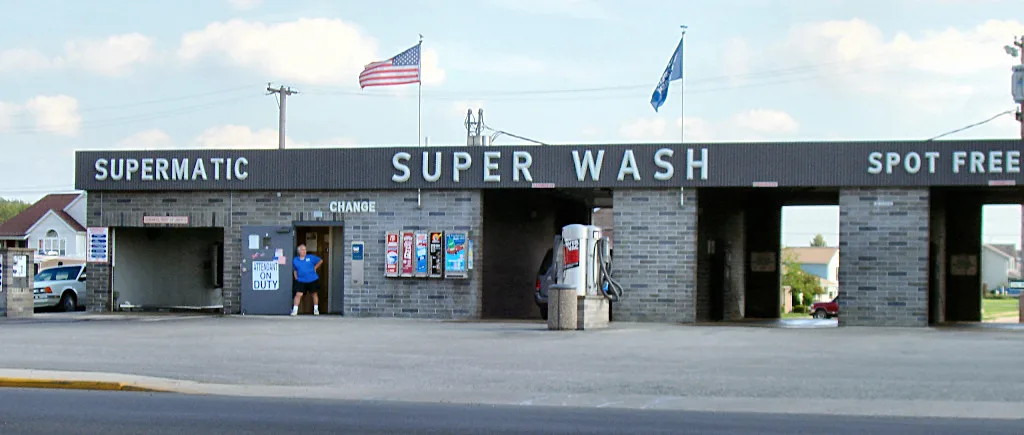
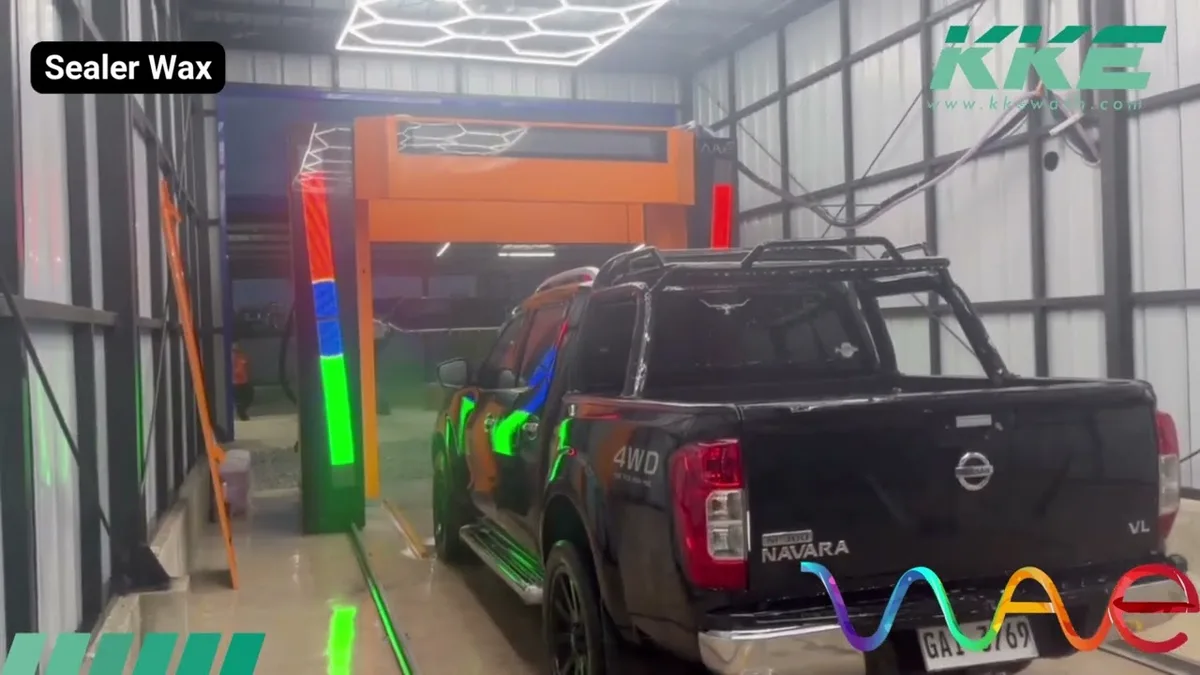
Touchless car washes rely on high-pressure water jets and specialized detergents to remove dirt without physical contact. These systems use sensors to target grime, then rinse with spot-free water to prevent mineral deposits. The lack of brushes reduces the risk of micro-scratches, which is a plus for delicate finishes.
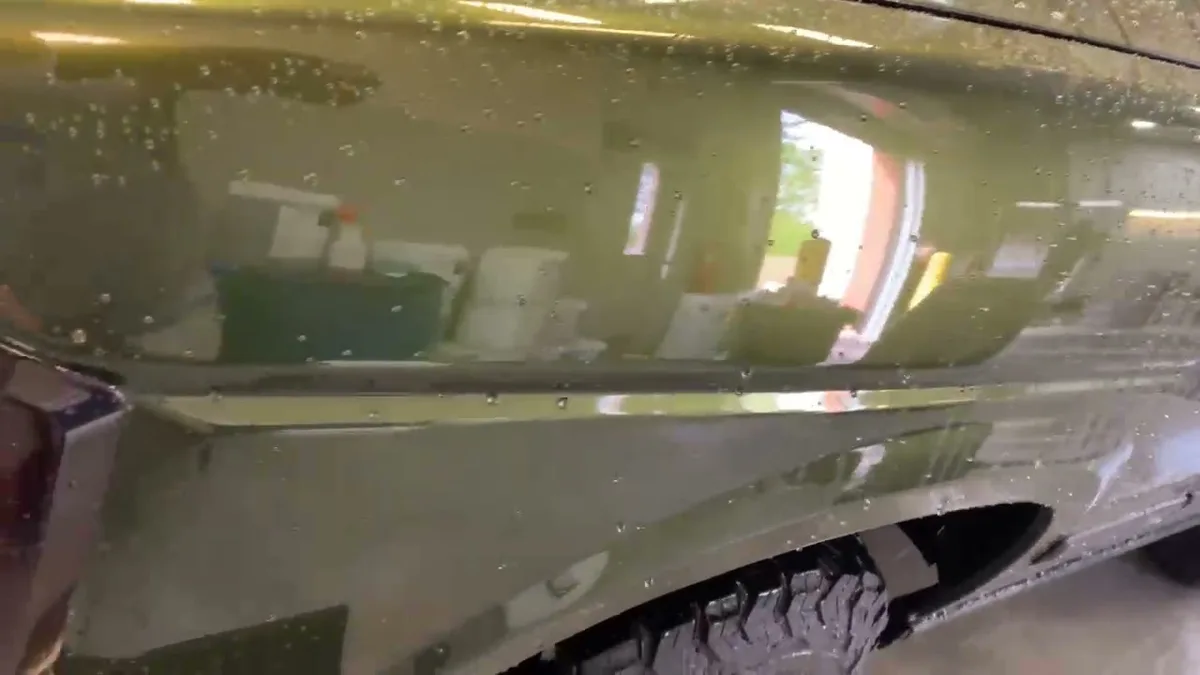
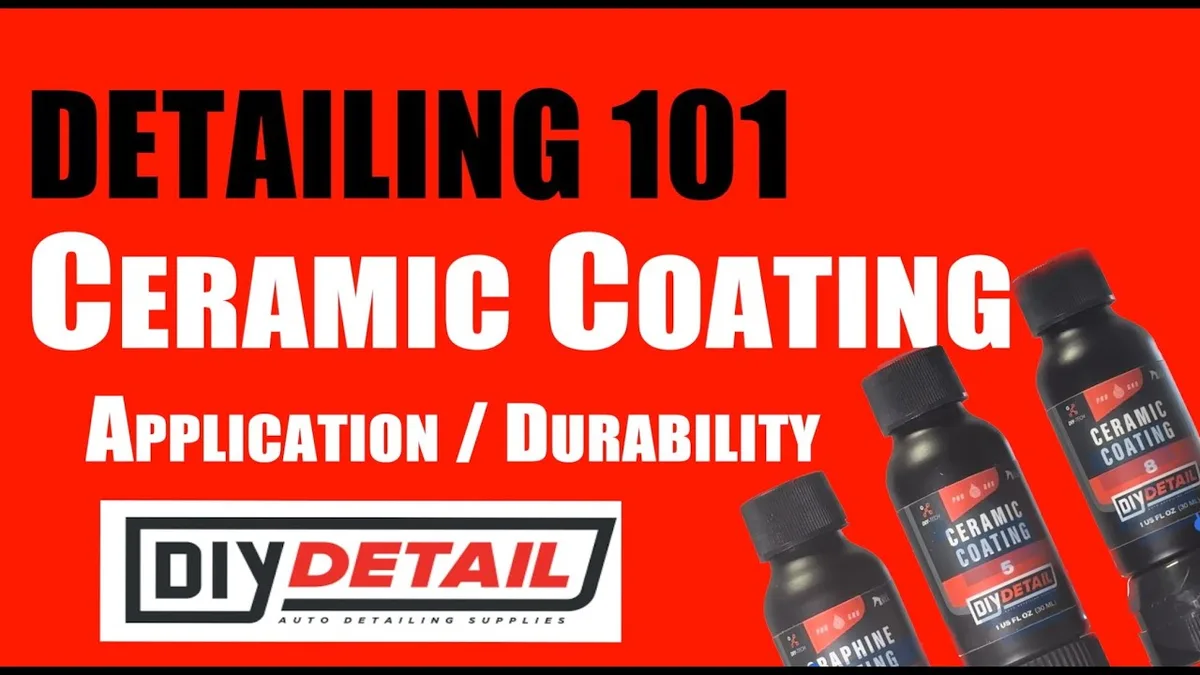
Ceramic coatings are liquid polymers, usually silica or titanium dioxide, that bond with your car’s clear coat. Once cured, they create a hydrophobic layer that repels water, UV rays, and light contaminants. Per ASME testing standards, a quality coating can withstand pH levels between 2 and 12, but prolonged exposure to extreme pH can break it down.
YouTube / Energy Products Distribution (EPD) (YouTube thumbnail (fair-use with source credit))
The key difference is that touchless washes clean the surface, while ceramic coatings protect it. One removes dirt. The other prevents damage.
The Pros and Cons of Touchless Car Washes for Coated Cars
Pros:
- No physical abrasion means less risk of swirl marks or scratches.
- Faster and more convenient than hand washing.
- Consistent process reduces human error.
- Often uses less water than traditional methods.
The Pros and Cons of Ceramic Coatings in Automatic Washes
Pros:
- Hydrophobic properties make dirt and water slide off more easily.
- UV resistance prevents fading.
- Chemical resistance helps against acid rain, bird droppings, and some detergents.
- Easier to maintain between washes.
Cons:
- Not scratch-proof. Automatic brushes can still leave micro-scratches.
- Harsh chemicals in some automatic washes can break down the coating faster.
- Requires proper prep and application.
- More expensive upfront than traditional wax or sealants.
Ceramic coatings make your car easier to clean, but they don’t make it invincible.
Side-by-Side: Touchless Wash vs. Hand Wash vs. Soft-Cloth Wash for Ceramic Coating
| Factor | Touchless Wash | Hand Wash | Soft-Cloth Wash |
|---|---|---|---|
| Physical Contact | None | Yes (sponge/mitt) | Yes (brushes/cloth) |
| Chemical Strength | Varies (often strong) | Controlled (you choose the soap) | Varies (often mild) |
| Risk of Scratches | Low | Low (if done right) | Moderate to high |
| Cleaning Power | Good for light dirt | Best for deep cleaning | Good for most dirt |
| Convenience | High | Low | High |
| Cost | $10–$25 per wash | Time and effort | $10–$20 per wash |
| Coating Longevity | Moderate (if pH-balanced) | Best | Low to moderate |
YouTube / KKE Wash Systems (YouTube thumbnail (fair-use with source credit))
Hand washing is the gold standard for ceramic-coated cars, but it’s not always practical. Touchless washes are the next best option if you pick the right one. Soft-cloth washes are a gamble.
What Happens If You Use a Touchless Car Wash on Ceramic Coating?
The coating won’t peel off after one wash, but repeated exposure to harsh chemicals can degrade it faster. Most touchless washes use alkaline or acidic cleaners to break down grime. Over time, these can strip the hydrophobic layer, reducing water beading and UV protection.
Aggregate user reports show coatings last 30, 50% longer with hand washing versus frequent touchless washes. The damage isn’t immediate, but it adds up. If your wash leaves a dull, streaky finish, the coating is likely breaking down.
Who Should (and Shouldn’t) Use a Touchless Wash on a Coated Car
Use a touchless wash if:
- You’re short on time and need a quick clean.
- Your car has light dust or road grime, not caked-on mud.
- The wash uses pH-neutral soaps.
- You’re in a high-pollution area and need frequent rinses.
Avoid touchless washes if:
- Your coating is fresh (wait at least 2 weeks after application).
- The wash is known for strong chemicals.
- Your car has heavy contamination.
- You’ve noticed the coating’s water beading weakening.
For daily drivers in mild climates, touchless washes are a practical compromise. For show cars or harsh environments, stick to hand washing.
Step-by-Step: How to Wash a Ceramic-Coated Car the Right Way
Start with a pre-rinse using a pressure washer or hose to remove loose dirt. This prevents scratching during the wash. Use a pH-neutral car shampoo and a high-quality microfiber mitt.
Wash in sections, top to bottom, and rinse frequently. Avoid circular motions. Straight lines reduce swirl marks.
Dry with a clean microfiber towel to prevent water spots.
YouTube / Tom Does Details (YouTube thumbnail (fair-use with source credit))
For touchless washes, pick ones advertising "ceramic-safe" or "pH-balanced" formulas. Skip the wax add-ons.
Common Mistakes That Ruin Ceramic Coatings in Car Washes
Using dish soap or household cleaners is a fast track to stripping your coating. These are far too harsh for automotive finishes. Even some "car soaps" contain fillers or silicones that leave a film.
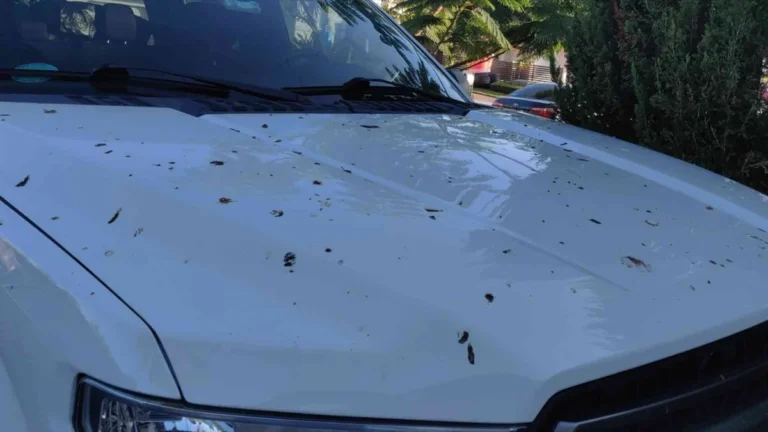
Another mistake is letting dirt sit too long. Ceramic coatings resist contaminants, but they don’t repel them forever. Bird droppings or bug splatter can etch the clear coat if left for days.
Automatic brushes are a hidden risk. Even "soft-cloth" washes can accumulate grit that scratches your coating.
Cost Comparison: Touchless Washes vs. Ceramic Coating Maintenance
| Item | Cost | Frequency | Notes |
|---|---|---|---|
| Touchless car wash | $10–$25 | Weekly | Safe if pH-balanced |
| Hand wash supplies | $50–$100 | As needed | Mitts, shampoo, towels |
| Ceramic coating (pro) | $500–$2,000 | Every 2–5 years | Includes prep and application |
| Ceramic coating (DIY) | $50–$200 | Every 1–2 years | Requires skill and tools |
| Maintenance sprays | $20–$50 | Every 3–6 months | Boosts hydrophobic effect |
Hand washing costs more in time but saves money long-term. Touchless washes add up, but they’re cheaper than correcting damage from a bad wash.
Expert Tips to Make Your Ceramic Coating Last Longer
Use a pH-neutral shampoo every time you wash. Regular dish soap or cheap car wash liquids strip the coating’s hydrophobic layer. A microfiber wash mitt is gentler than sponges.
Apply a ceramic boost spray every 3, 6 months. These top-up products refresh the water-beading effect without a full reapplication. Park in a garage or under a cover to reduce UV exposure.
Avoid automatic brushes entirely. Even "soft" brushes collect dirt that scratches the clear coat over time.
Real-World Scenarios: What Owners Wish They Knew
Many owners assume ceramic coatings make their car maintenance-free. In reality, the coating repels contaminants but doesn’t eliminate the need for washing. Dirt still accumulates, and if left too long, it can bond to the surface.
Others regret using harsh washes early on. A coated car that goes through weekly touchless washes with strong detergents may lose its beading effect in under a year. Hand washing or carefully selected touchless washes extend that to 3, 5 years.
Some learn the hard way that prep work matters. Applying a coating over swirl marks or oxidation locks in those flaws. Proper paint correction before application is non-negotiable for a flawless finish.
FAQs About Touchless Car Washes and Ceramic Coatings
Can you use a touchless car wash on a ceramic-coated car?
Yes, but choose one with pH-balanced soaps. Harsh chemicals can degrade the coating over time. Hand washing is still the safest method for longevity.
How often should you wash a ceramic-coated car?
Wash every 2 weeks to prevent dirt buildup. More frequent washes are fine if you use gentle methods. Avoid letting contaminants sit for more than a few days.
Does ceramic coating prevent water spots?
It reduces them but doesn’t eliminate the risk. Hard water minerals can still leave spots if not dried properly. Use a spot-free rinse or dry the car immediately after washing.
Can a touchless car wash damage ceramic coating?
Only if it uses strong detergents or abrasive chemicals. Most touchless washes are safe in moderation. Check the wash’s soap type before using it regularly.
How do you know if your ceramic coating is failing?
Water stops beading and sheets off instead. The paint may look dull or feel rough. These signs mean it’s time for a maintenance spray or reapplication.
Final Verdict: Should You Use a Touchless Car Wash on Ceramic Coating?
Touchless car washes are a safe middle ground if you pick the right one. Look for pH-neutral soaps and avoid brushes.
Ceramic coatings are an investment. How you wash your car determines how long that investment lasts. If convenience wins, stick to touchless washes with ceramic-safe formulas.
If longevity is the priority, hand washing is the way to go.