ByMax Lee
Master the Self Car Wash: Step-by-Step Guide
Wikimedia Commons / USDAgov
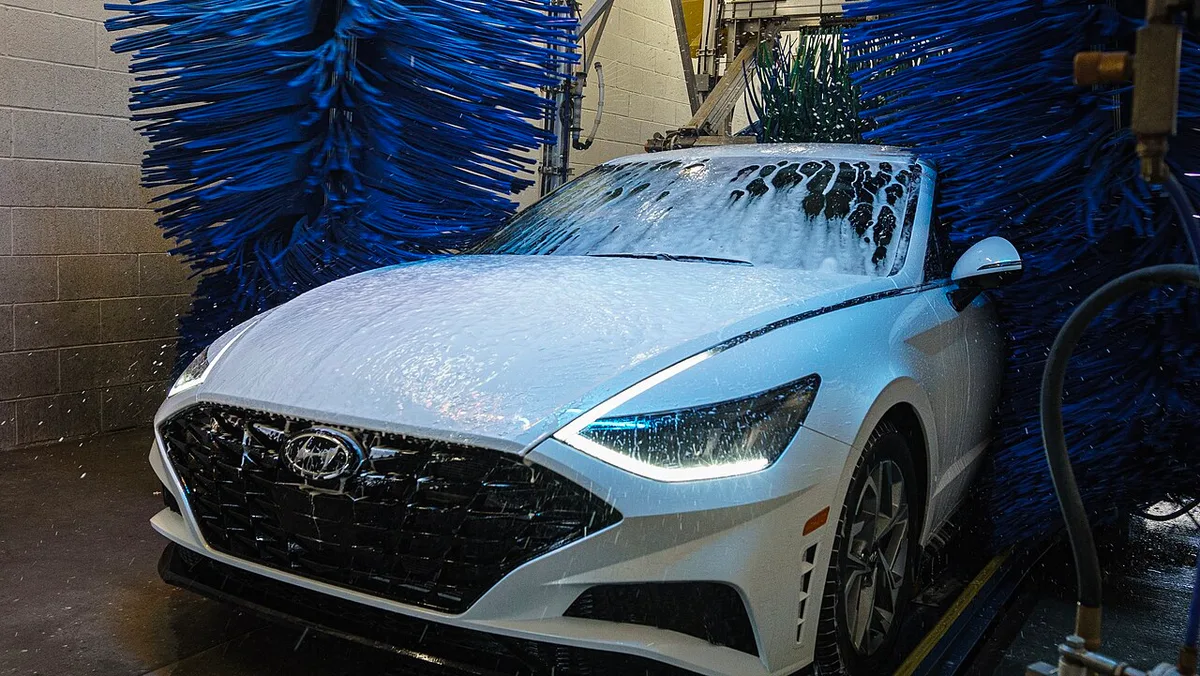
A self car wash gives you control over cleaning your vehicle without the risk of automatic brushes or the hassle of setting up at home. Learning how to use self car wash stations properly means avoiding swirl marks, water spots, and wasted time. Most self-serve bays use pressure washers between 1,200 and 1,900 PSI, which is safe for paint if you keep the nozzle moving.
Aggregate reviews show that the biggest mistakes happen in the first two minutes. So let’s start with the basics.
Quick Answer
A self car wash lets you clean your vehicle using high-pressure nozzles and foam brushes. Start with a pre-soak to loosen dirt. Use a 40-degree nozzle for the body.
Rinse thoroughly before drying. Always work top to bottom.
Is a Self Car Wash Right for You?
Self car washes are ideal if you want a thorough clean without the cost of a detail shop. They’re also great for removing heavy grime like road salt or mud that a home wash might struggle with. However, they’re not the best choice if you’re in a hurry or have a vehicle with delicate finishes like matte paint or wraps.
If you’ve got 20, 30 minutes and want to save money compared to a full-service wash, this is a solid option. For more on vehicle care, check out routine upkeep tips to keep your car in top shape.
How Self Car Washes Work
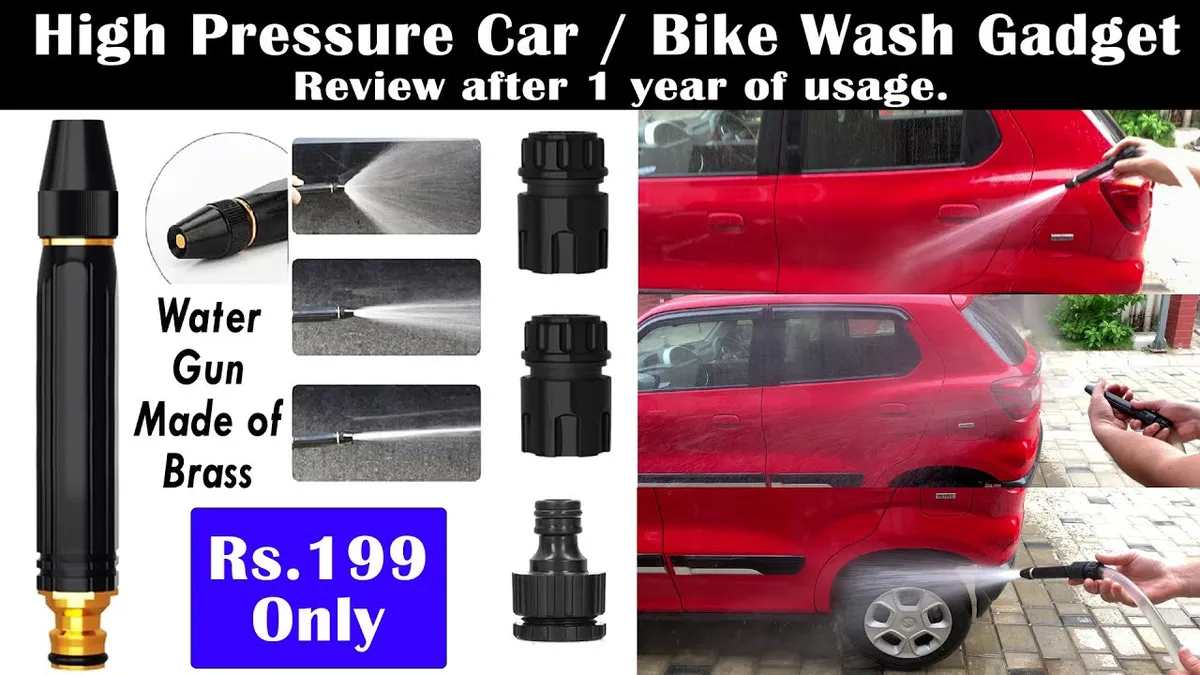
Self car wash stations are coin-operated or card-activated bays with high-pressure washers, foam brushes, and sometimes vacuums. You pay for time, usually in 5, 10 minute increments, and use the provided tools to clean your car. The water is often recycled, and many stations offer spot-free rinses to prevent mineral deposits.
YouTube / Agurchand Babu Subramanian (YouTube thumbnail (fair-use with source credit))
The equipment typically includes:
- A pressure washer with adjustable nozzles (25°, 40°, or turbo)
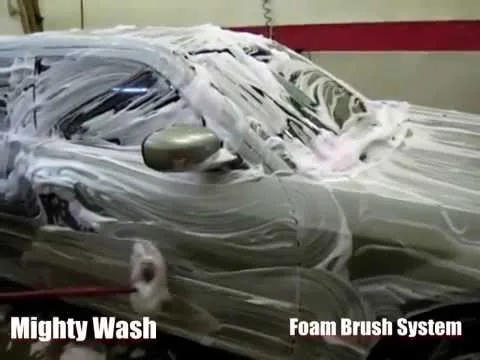
- Foam brushes or mitts for scrubbing
- Pre-soak and soap dispensers
- Spot-free rinse option (uses deionized water)
- Vacuum stations for interior cleaning
Manufacturer specs confirm that pressure washers in these bays usually max out at 1,900 PSI, which is safe for most vehicle paint if used correctly.
Self Car Wash vs. Automatic vs. Hand Washing
| Feature | Self Car Wash | Automatic Car Wash | Hand Washing |
|---|---|---|---|
| Cost | $5–$15 per wash | $10–$25 per wash | $0–$20 (supplies) |
| Time | 20–30 minutes | 5–10 minutes | 45–60 minutes |
| Control | Full control | No control | Full control |
| Risk of Damage | Low (if done right) | Moderate (brushes) | Low |
| Water Usage | 20–40 gallons | 30–60 gallons | 80–100 gallons |
| Best For | Heavy grime, DIYers | Quick clean, convenience | Detail-oriented owners |
Automatic car washes are faster but use rotating brushes that can leave swirl marks. Hand washing at home gives you the most control but requires your own supplies and space. Self car washes strike a balance: you get professional-grade tools without the long-term investment.
For those with larger vehicles, like farm equipment, self-serve bays often have the space and power to handle the job.
What to Bring to a Self Car Wash
You don’t need much, but bringing a few extras can make the process smoother.
- Essentials:
, Payment method (coins, card, or app)
, Microfiber towels for drying
, Wheel cleaner (if the station doesn’t provide it)
- Nice to Have:
, A separate wash mitt for wheels
, Quick detailer spray for post-wash shine
, A small brush for tight areas (grilles, emblems)
- Avoid:
, Household sponges (can scratch paint)
, Dish soap (strips wax and can damage clear coat)
Most stations provide soap and brushes, but bringing your own ensures you’re using clean, high-quality tools. As of 2026, many newer self-serve car washes also offer app-based payments.
Step-by-Step: How to Use a Self Car Wash Like a Pro
Pre-Wash Prep
Remove loose debris like leaves or trash from the exterior. Check for existing damage like chips or cracks that could worsen. Gather your supplies and ensure the bay timer is ready to start.
YouTube / MightyWashExperience (YouTube thumbnail (fair-use with source credit))
Washing the Car
Start with a pre-soak to loosen dirt and grime. Use a 40-degree nozzle for the body and work from the top down. Apply soap in sections, scrubbing gently with a foam brush or mitt.
Avoid circular motions, which can create swirl marks. Rinse each section immediately after scrubbing to prevent soap from drying.
Rinsing and Drying
Use the high-pressure nozzle to rinse off all soap thoroughly. If available, finish with a spot-free rinse to prevent water spots. Dry the car with microfiber towels to avoid streaks.
Work quickly to prevent water from drying on the surface. Pay extra attention to crevices and trim where water can pool.
Post-Wash Touches
Use the vacuum station to clean the interior if needed. Apply a quick detailer spray for added shine and protection. Check for any missed spots or streaks.
For those with slow-moving vehicles, ensure all equipment is stowed before leaving the bay.
Common Self Car Wash Mistakes (And How to Avoid Them)
Wikimedia Commons / Eddie August Schneider
Using the wrong nozzle can strip paint or damage trim. Always start with a wider spray pattern and adjust as needed. Letting soap dry on the car causes spotting and streaks, so rinse immediately.
Skipping the pre-soak means you’ll scrub harder, increasing the risk of scratches. Never use the same brush for wheels and the body to avoid cross-contamination.
Pro Tips for a Spotless, Damage-Free Wash
Use separate mitts for wheels and the body to prevent scratches. Avoid washing in direct sunlight, as it can cause soap to dry too quickly. Keep the nozzle moving to prevent concentrated pressure from damaging paint.
For tough grime, let the pre-soak sit for a minute before scrubbing. If you’re washing a larger vehicle, like a motor home, start with the roof and work your way down in sections.
Self Car Wash Costs: What to Expect
Most self car washes charge between $2 and $5 for 5, 10 minutes of time. The total cost depends on how long you take and any additional services like vacuums or spot-free rinses. Bringing your own supplies can save money on soap and drying materials.
As of 2026, many stations also offer monthly memberships for frequent users. These can reduce the per-wash cost if you clean your car regularly.
Safety Rules You Should Never Ignore
Wear closed-toe shoes to avoid slipping on wet surfaces. Never point the pressure washer nozzle at people, animals, or yourself. Avoid spraying directly into engine bays, fuel doors, or keyholes to prevent damage.
Keep a safe distance from the nozzle to prevent injury from high-pressure water. Always follow the station’s posted rules for equipment use and payment.
Best Self Car Wash Practices for Different Vehicles
Sedans and Coupes
Use a 40-degree nozzle for the body and a 25-degree nozzle for wheels. Work in small sections to avoid missing spots. The compact size makes these vehicles quick to wash.
SUVs and Trucks
Start with the roof and work down due to their height. Use a wider nozzle for large panels to cover more area faster. Pay extra attention to the wheel wells and undercarriage where dirt builds up.
For larger vehicles, you may need to reposition the car mid-wash to reach all areas.
Motorcycles and ATVs
Use lower pressure settings to avoid damaging delicate parts. Focus on the wheels and undercarriage where mud and grime accumulate. Avoid spraying directly at the engine or electrical components.
Vehicles with Special Finishes
For matte paint or wraps, skip the brushes and use only a pressure washer with a wide nozzle. Avoid wax or sealant products unless they’re specifically designed for matte finishes. Always test a small area first.
FAQs About Self Car Washes
How long does a self car wash take?
A typical wash takes 20 to 30 minutes depending on your vehicle size and how thorough you are. Larger vehicles or heavy grime may require extra time. Most stations allow you to add more time if the timer runs out.
Can I use my own soap at a self car wash?
Most stations provide soap, but you can bring your own if it’s pH-balanced for automotive paint. Avoid household detergents as they can strip wax and damage clear coat. Check the station’s rules first, as some may prohibit outside products.
What’s the best nozzle for a self car wash?
A 40-degree nozzle is ideal for the body as it provides a wide, gentle spray. Use a 25-degree nozzle for wheels and tough grime. Avoid the turbo nozzle unless you’re experienced, as it can damage paint.
How do I prevent water spots?
Use the spot-free rinse option if available, as it uses deionized water. Dry the car immediately with microfiber towels. Avoid washing in direct sunlight, which speeds up drying and increases spotting.
Is a self car wash safe for my paint?
Yes, if you use the correct pressure and techniques. Keep the nozzle 12 to 18 inches from the surface and avoid concentrating the spray in one spot. Never use a brush on delicate finishes like matte paint or wraps.
Can I wash my car in cold weather?
Yes, but be aware that water may freeze on the surface if temperatures are near freezing. Use warm water if available and dry the car thoroughly. Avoid washing if temperatures are below 40°F to prevent ice formation.