If you’ve ever popped the hood and stared blankly at a sea of caps and reservoirs, you’re not alone. Knowing where to add windshield washer fluid is one of those simple car maintenance tasks that trips up even experienced drivers. The reservoir is usually right there in the engine bay, but its location and cap design vary by make and model.
Most reservoirs hold between 1 and 2 gallons of fluid, and topping it off takes less than a minute once you know where to look. The trick is spotting the right cap, usually marked with a windshield symbol.
Quick Answer
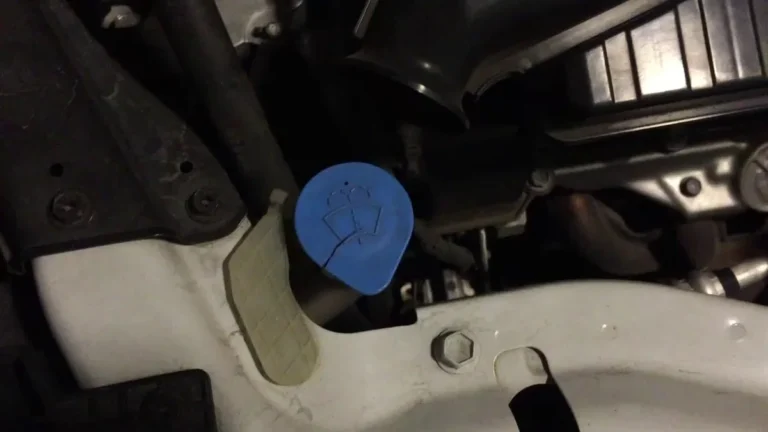
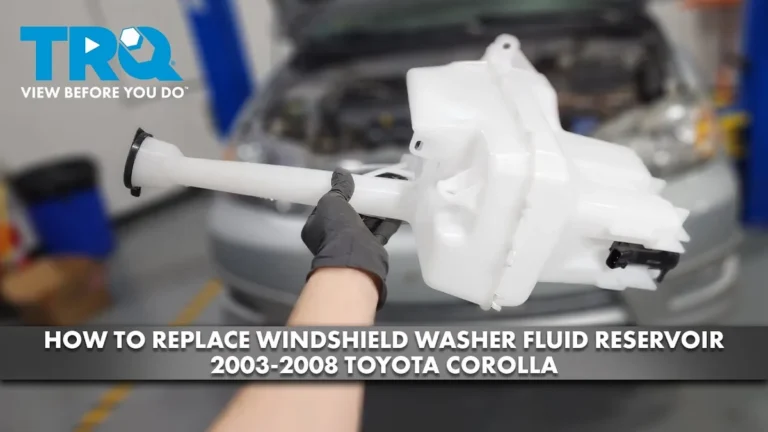
Where to add windshield washer fluid is under the hood. Look for a translucent plastic reservoir with a windshield symbol on the cap. It’s often near the firewall or fender on the driver’s side.
The cap may be blue, white, or black. Open it and pour in fluid until full.
Why You Can’t Always Spot It Right Away
Car manufacturers don’t follow a universal rule for reservoir placement. Some tuck it deep in the engine bay, while others hide it behind panels or even in the trunk (like older Volkswagen models). The cap might blend in with other fluid reservoirs, especially if it’s unlabeled or the icon has faded.
Even the color isn’t a sure bet. While many use a blue cap, some brands use white, black, or even yellow. If you’re unsure, your owner’s manual will have a diagram, usually in the maintenance section.
How to Identify the Reservoir (Even If It’s Hidden)
Start by looking for the windshield icon. It’s the most reliable clue, even if the cap’s color doesn’t match what you expect. The reservoir itself is often translucent, so you can see the fluid level without opening it.
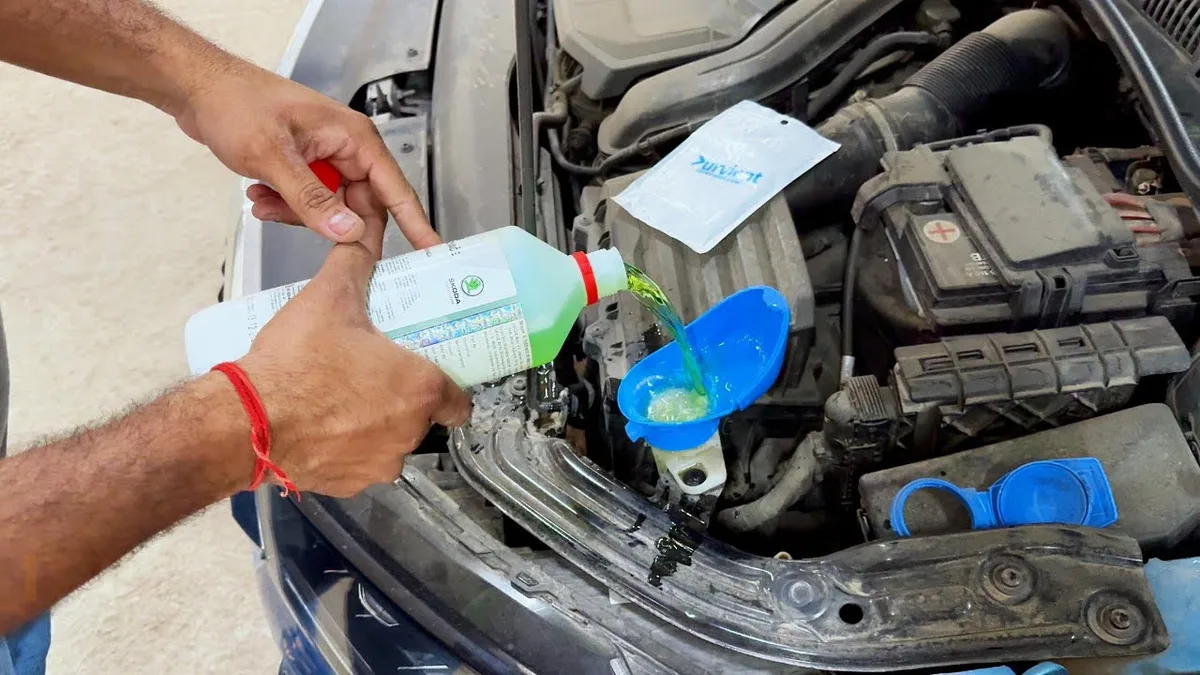
If you don’t see the icon, check these common spots:
- Near the windshield firewall (the metal wall between the engine and cabin)
- Close to the battery or air filter housing
- On the passenger side of the engine bay (less common but possible)
- Under a plastic cover (some European models hide it here)
Still stuck? Your owner’s manual is the best reference. As of 2026, most manufacturers include a labeled diagram in the “Fluids and Lubricants” section.
Step-by-Step: How to Add Washer Fluid the Right Way
First, park on level ground and let the engine cool if it’s been running. Then pop the hood and locate the reservoir using the tips above.
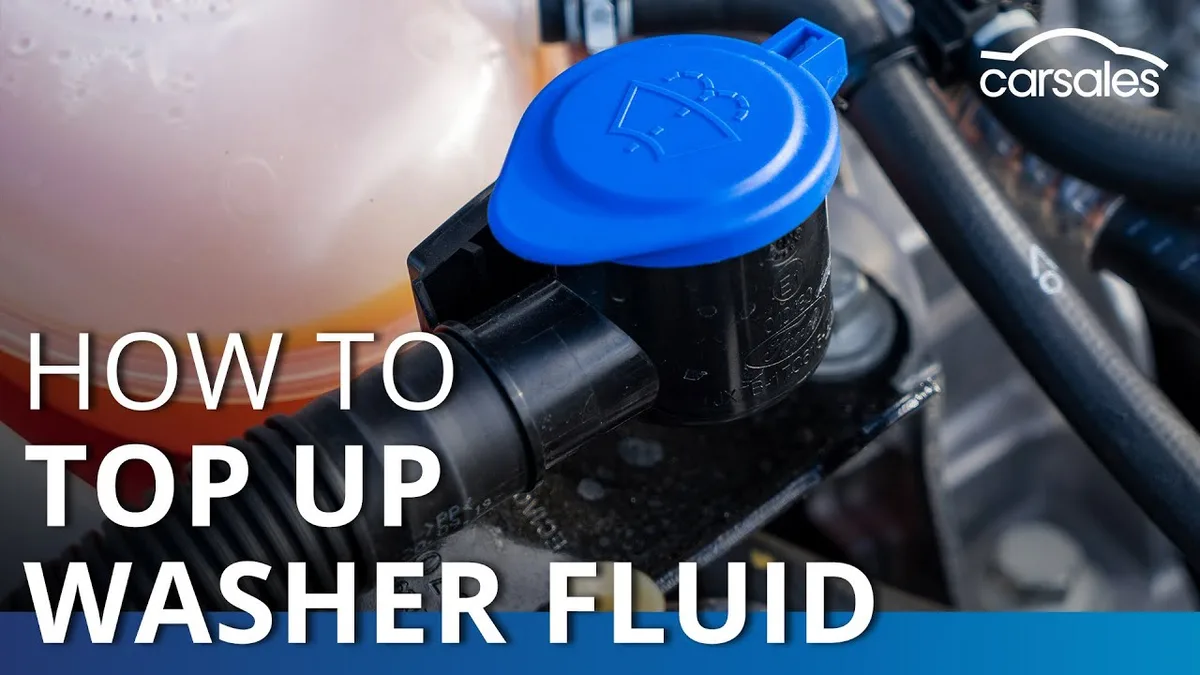
Here’s how to do it safely:
- Open the cap by turning it counterclockwise. Some caps snap off, while others screw on.
- Check the level through the translucent plastic. If it’s hard to see, use a flashlight.
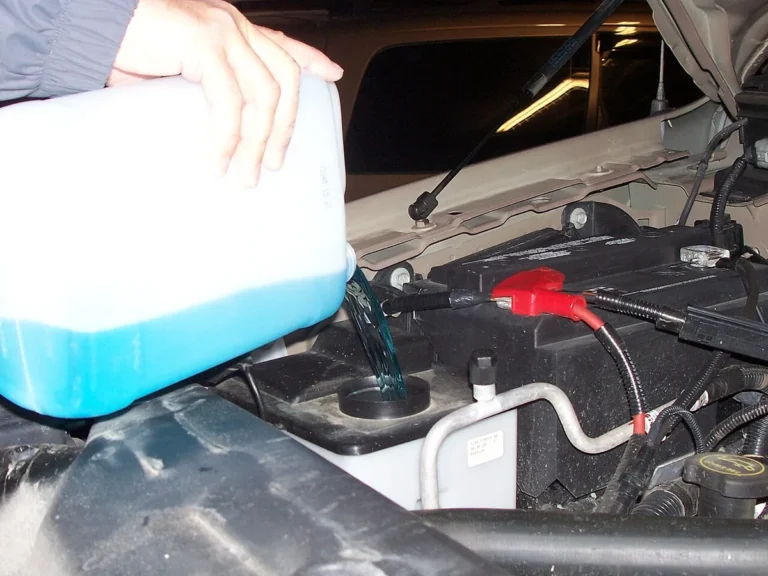
- Pour in fluid slowly until it reaches the “Full” line. Most reservoirs hold 1, 2 gallons, but don’t overfill.
- Replace the cap securely. A loose cap can let in dirt or cause leaks.
- Test the system by spraying the windshield. If nothing comes out, check for a clogged nozzle or a faulty pump.
Use a funnel if the opening is small to avoid spills. If you’re topping off in cold weather, choose a winter-formula fluid to prevent freezing.
What Happens If You Use the Wrong Fluid or Location
Pouring washer fluid into the wrong reservoir can cause serious problems. The most common mix-up is adding it to the coolant or brake fluid reservoirs, which can damage your car’s systems. Coolant reservoirs usually have a different cap (often yellow or orange) and may have a radiator symbol.
Brake fluid reservoirs are smaller and often near the firewall.
Using the wrong type of washer fluid can also cause issues. Plain water freezes in cold temperatures and doesn’t clean as effectively. Some concentrated fluids need to be diluted, so always check the label.
Manufacturer specs confirm that using the wrong fluid can clog the washer pump or leave streaks on your windshield.
Winter vs. Summer Washer Fluid: Does It Matter?
Yes, it does. Summer fluid is formulated for basic cleaning, while winter fluid contains antifreeze to prevent freezing in cold temperatures. Using summer fluid in winter can leave you with a frozen reservoir and no spray when you need it most.

Winter formulas typically protect down to -20°F (-29°C) or lower. Some also include de-icing agents to help melt frost on your windshield. If you live in a region with harsh winters, switching to a winter blend is a smart move.
Mistakes That Waste Time (or Damage Your Car)
The most common mistake is using water instead of washer fluid. Water freezes easily and doesn’t clean as effectively, especially against bugs or road grime. It can also promote algae growth in the reservoir over time.
Another frequent error is overfilling the reservoir. This can cause spills that damage nearby components or create a mess under the hood. Stick to the “Full” line marked on the reservoir.
How Often Should You Refill It?
Most drivers need to top off the washer fluid every 1 to 3 months, depending on usage. If you drive frequently in dusty or bug-prone areas, you might need to refill more often. A good rule of thumb is to check the level every time you fill up your gas tank.
If you notice the spray weakening or the fluid level dropping faster than usual, you might have a leak. Inspect the reservoir and hoses for cracks or loose connections.
Pro Tips for Hard-to-Find Reservoirs
Some cars, especially older or European models, hide the reservoir in less obvious spots. In a few cases, it’s even located in the trunk or under a panel. If you can’t find it under the hood, consult your owner’s manual for the exact location.
For cars with hidden reservoirs, a flashlight can help you spot the cap in tight spaces. If the cap is buried under other components, you may need to remove a panel or two to access it. Always replace any panels securely after refilling.
Frequently Asked Questions
Can I use water instead of washer fluid?
No, plain water isn’t recommended. It lacks the cleaning agents found in washer fluid and can freeze in cold weather. In a pinch, you can use a mix of water and a small amount of dish soap, but it’s not a long-term solution.
Why isn’t my washer fluid spraying?
If the reservoir is full but nothing comes out, the issue could be a clogged nozzle, a faulty pump, or a disconnected hose. Start by checking the nozzles for blockages. If they’re clear, the pump may need replacement.
Does the type of washer fluid affect my wipers?
Yes, using a low-quality or incompatible fluid can leave residue on your windshield, causing streaks or reducing visibility. It can also wear out your wiper blades faster. Stick to a reputable brand that matches your climate needs.
How do I know if my washer fluid is frozen?
If the sprayers don’t work in cold weather and the reservoir feels hard or slushy, the fluid is likely frozen. To prevent this, use a winter-formula fluid rated for your local temperatures.
Can I mix different types of washer fluid?
It’s best to avoid mixing different brands or types unless the labels explicitly state they’re compatible. Mixing can reduce effectiveness or cause clumping in the reservoir.