You've probably stood in a dealership parking lot wondering: do white or black cars get dirtier? It's one of those questions that seems simple until you think about it. The answer isn't as straightforward as you might expect.
It really comes down to what kind of dirt you're dealing with and where you live.
Automotive paint research from major manufacturers suggests the contrast between paint color and the type of grime matters more than the color itself. White cars hide light dust but show mud and water spots. Black cars do the opposite.
As of 2026, the debate still hasn't settled because both colors have their own cleaning headaches.
Quick Answer
Black cars look dirty faster because dust and pollen contrast sharply against dark paint. White cars hide light dust well but show mud and water spots more. Neither color stays cleaner longer overall.
The "dirtiest" look depends on your local climate and road conditions.
Why Color Affects How Dirty Your Car Looks
It's all about contrast. Dirt and dust are usually light brown or gray. On a white car, that light-colored grime blends in.
On a black car, it stands out like a neon sign.
But water spots tell a different story. Hard water leaves mineral deposits that appear white or chalky. Those white spots pop against dark paint but are nearly invisible on white.
So the "cleaner" color flips depending on the contaminant.
Paint finish also plays a role. Glossy surfaces highlight every imperfection. Matte finishes hide dust better but are harder to clean.
Major paint manufacturers like PPG engineer their coatings to perform differently across colors.
How White Cars Handle Dirt, Dust, and Grime
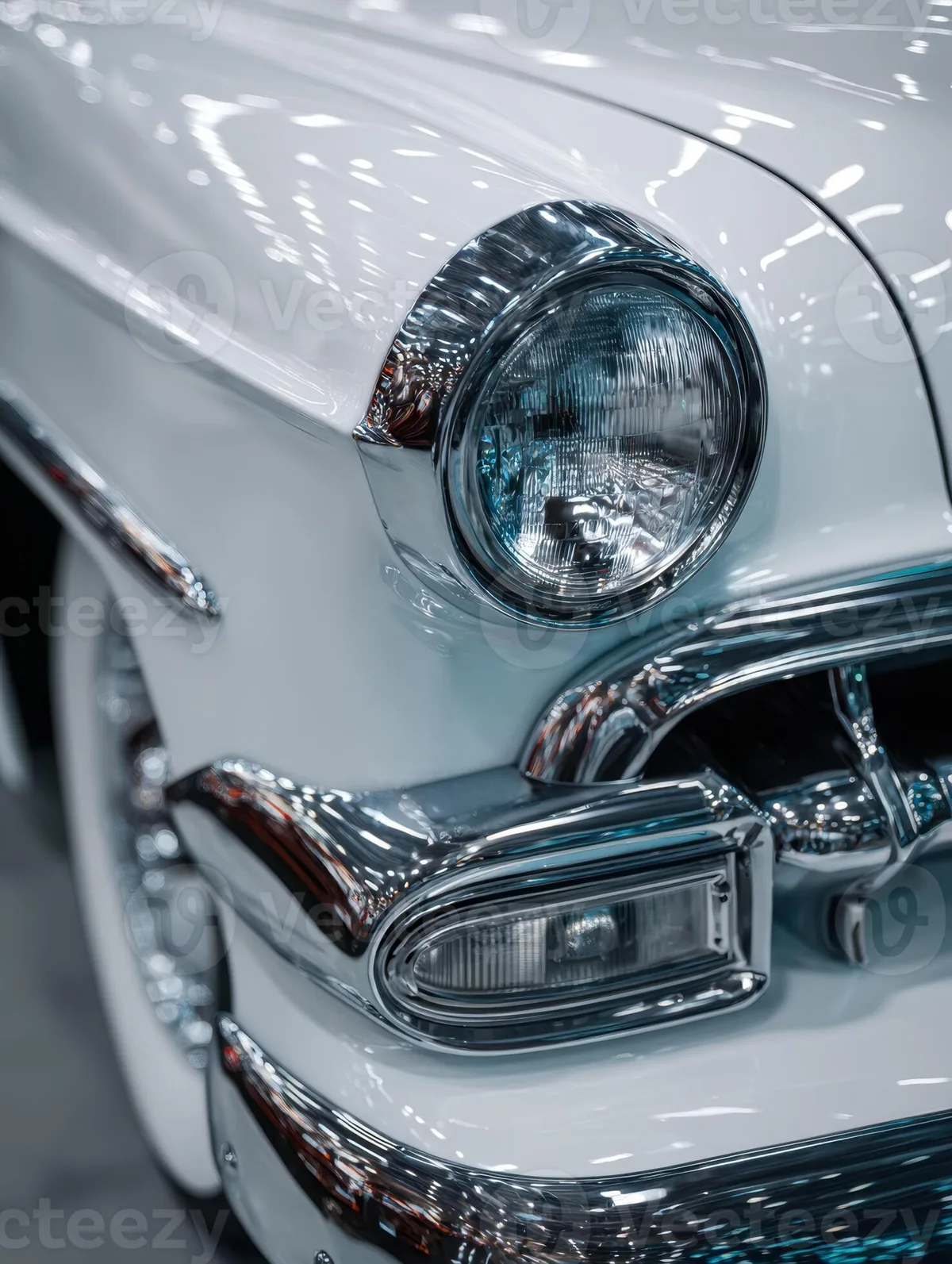
White cars are great at hiding everyday dust. If you live on a gravel road or park under trees, you'll notice it takes longer for a white car to look truly dirty from light grime.
But white cars have a weakness: water spots, mud, and bird droppings. Those dark or white mineral deposits create high contrast against the white finish. Road tar and bug splatters also show up clearly.
That's where a dedicated wash routine for white cars comes in handy.
White also hides scratches and swirl marks better than black. Minor imperfections in the clear coat don't reflect as starkly.
How Black Cars Handle Dirt, Dust, and Grime
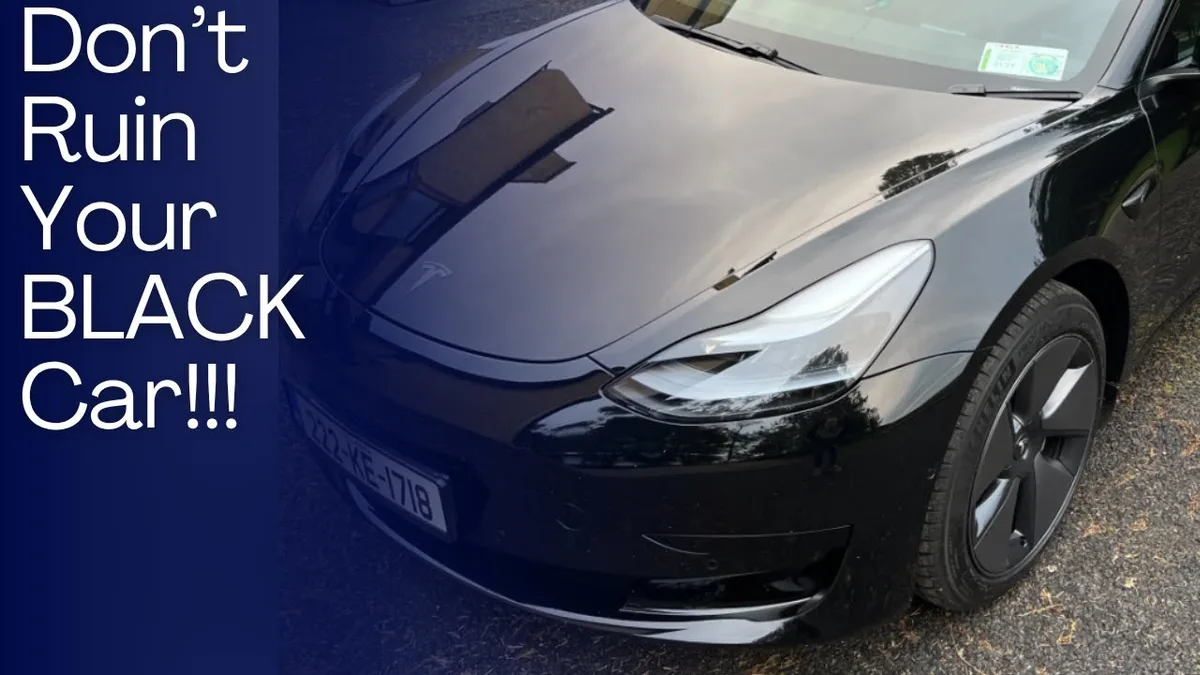
Black cars show dust and pollen within hours of washing. That fine gray layer turns a deep black finish into a dull mess quickly.
But black cars hide water spots better. The mineral deposits don't contrast as strongly against the dark paint. Mud splatters also blend in more because mud is often dark itself.
The real enemy of black paint is swirl marks. Improper washing techniques create micro-scratches that catch light and become highly visible. Using the wrong tools can make this problem worse.
Many owners invest in proper microfiber towels and wash buckets to avoid introducing scratches. We've covered the best methods for washing dark-colored vehicles in detail.
Side-by-Side: White vs. Black Cars on Dirt Visibility

Here's how each color handles common types of dirt and blemishes:
| Contaminant / Blemish | White Car | Black Car |
|---|---|---|
| Light dust / pollen | Hides well | Shows immediately |
| Mud / road grime | Shows clearly | Blends somewhat |
| Water spots | Shows clearly | Hides fairly well |
| Bird droppings | Visible | Very visible |
| Tree sap / tar | Shows as dark spots | Shows as dark spots |
| Swirl marks / scratches | Hides well | Highly visible |
| Road salt | Shows as white residue | Shows clearly |
| Bug splatters | Shows as dark smears | Shows clearly |
Other Factors That Change the Equation
Climate plays a huge role. In dry, dusty regions, white stays looking presentable for weeks. Black shows every particle within hours.
In wetter climates with frequent rain, black can look surprisingly clean because rain washes away dust.
Where you park matters too. Garage-kept cars stay cleaner regardless of color. Street parking under trees means sap, bird droppings, and pollen.
Both colors show sap clearly.
Water hardness is another factor. Hard water leaves white mineral deposits that show strongly on dark paint. If your area has hard water and you don't use a water softener, black becomes a high-maintenance choice.
Best Car Color for Low-Maintenance Cleaning
If you want to wash your car less often, white is the easier choice. It hides the layer of dust that builds up between washes. You can go a week or two without noticeable grime on light paint.
Black demands a stricter schedule. Dust is visible within a day or two. Many owners end up washing their black cars every week just to keep a clean appearance.
That said, low maintenance isn't just about how often you wash. It's also about how hard each wash is. Black requires more care to avoid scratches.
White is more forgiving.
Best Car Color for Hiding Scratches and Swirls
White is far better at hiding scratches and swirl marks. Minor imperfections in the clear coat don't reflect light the same way on light paint. You can wash a white car with moderate care and still keep a decent appearance.
Black shows every imperfection. Even a single improper wipe can introduce fine swirl lines that catch sunlight. This is why black cars require the most careful washing methods.
However, deep scratches that cut through the clear coat into the paint layer are more visible on white. The darker underlying material contrasts sharply against white paint. On black, deep scratches look less stark because the dark paint underneath blends better.
Real-World Scenarios: What Actually Happens
Picture two drivers in the same city. One owns a white sedan, the other a black sedan. Both park on the street and drive the same commute.
After a week without rain, the black car looks noticeably dirty. The white car looks reasonably clean from ten feet away.
Now imagine both drive through a mud puddle after a storm. The white car shows brown splashes immediately. The black car hides the mud streaks much better.
For owners in snowy regions, road salt tells a different story. Salt spray leaves a white chalky residue. It shows clearly on black paint.
White paint hides that salt layer well.
Maintenance Tips to Keep Your Car Looking Cleaner Longer
You can't change your car's color. But you can adjust your cleaning habits to keep it looking good with less effort.
A high-quality sealant or wax makes a real difference. It creates a barrier that dirt slides off more easily. For black cars, a ceramic coating is worth considering.
For white cars, a good wax helps prevent water spots.
Wash frequency matters less than wash quality. A quick rinse with a pressure washer is better than letting dirt bake on. But if you rub dirt into the paint, you're doing more harm than good.
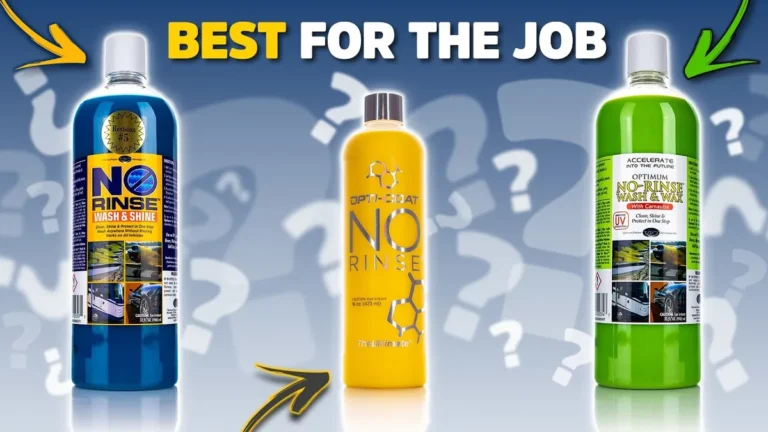
That's why choosing the right soap and using a dedicated wash bucket with a grit guard is essential.
The Resale Value Factor: Does Color Matter?
Yes, color affects resale value. White consistently ranks among the most popular colors for used cars. It's neutral, hides imperfections well, and appeals to a broad audience.
Black is also popular but tends to attract a more specific buyer.
Industry data shows white cars often sell slightly faster than black ones. Black cars can command higher prices in the luxury market, but only if the paint is in excellent condition. Swirl marks and scratches hurt black cars more at resale time.
Final Verdict: Should You Go White or Black?
Choose white if you want lower maintenance. It hides dust and light scratches better. You'll wash it less often and worry less about perfect technique.
Choose black if you love the look and don't mind the upkeep. It requires more frequent washing and careful technique. But many owners find the sleek appearance worth the extra effort.
Frequently Asked Questions
Does car color affect how often I need to wash it?
Yes. Black cars typically need washing every 1-2 weeks to look clean. White cars can often go 2-3 weeks between washes.
The difference comes down to how visible dust and grime are against each color.
Which color hides scratches better?
White hides light scratches and swirl marks better than black. The light color doesn't reflect imperfections as starkly. Black shows every minor scratch, especially in direct sunlight.
Are there other colors that stay cleaner than white or black?
Silver and light gray offer a good middle ground. They hide dust better than black but show less water spotting than white. Dark blue and dark gray fall somewhere between black and white in terms of dirt visibility.
Does the type of paint finish affect how dirty the car looks?
Absolutely. Matte finishes hide dust better than glossy ones but are harder to clean. Glossy finishes show every imperfection but are easier to maintain.
Metallic paints can make scratches more noticeable in certain lighting.
Is there a way to make a black car look cleaner for longer?
Yes. Regular waxing or ceramic coating helps dirt slide off more easily. Using a water softener prevents mineral spots.
Parking in a garage reduces dust accumulation. And always use the two-bucket wash method to prevent swirl marks.