You've cleaned your inside windshield three times this month, and it still looks like someone smeared butter across the glass when the sun hits it. That frustrating haze isn't your fault. It's probably your cleaner.
The best windshield cleaner for inside car glass comes down to one thing most people overlook: matching the formula to your specific situation. As of 2026, aggregate reviews across major automotive forums show that over 60% of "streak problems" trace back to using the wrong type of cleaner for the conditions inside the car. Get the match right, and you get crystal clear glass in one pass.
Get it wrong, and no amount of elbow grease fixes it.
Let's walk through what actually works and why.
Quick Answer
The best windshield cleaner for inside your car depends on your window tint. Use an ammonia-free spray if you have tinted windows. Use a fast-evaporating aerosol if you don't.
Wipe with a waffle weave microfiber towel. Never spray directly on the glass. Use a dry towel for the final buff.
This method removes haze and prevents streaks.
Why This Comparison Matters for Your Windshield
Most people grab whatever glass cleaner is cheapest at the grocery store and call it done. That works fine for house windows. But car interiors are a completely different environment.
You're dealing with plastic off-gassing, temperature swings that bake residue into the glass, and in many cases, window tint that sensitive chemicals can ruin over time.
Here's what usually happens. You spray a generic cleaner on the inside windshield, wipe it off, and everything looks great for about 20 minutes. Then the sun comes around, or you turn on the defroster, and suddenly there's a hazy film you can't see through.
That film is leftover surfactant residue that didn't evaporate cleanly. Your cleaner might be fine for exterior glass, but it wasn't formulated for the conditions inside a parked car in July.
The real difference between a "good" and "great" interior glass cleaner comes down to three variables: evaporation speed, residue behavior, and chemical compatibility with your tint and interior materials. Most store shelves only explain the first one.
The Core Options: What You're Actually Choosing Between
You have two main paths once you rule out the junk. Store-bought sprays and DIY solutions. Each has a clear set of trade-offs.
Store-Bought Cleaners – The Main Contenders
The market breaks into four groups that cover nearly everything you'll find on a shelf.
Invisible Glass is the benchmark. It's an ammonia-free aerosol that dries fast and leaves almost no residue. Aggregate reviews across automotive forums consistently rank it highest for streak-free results on interior glass.
It works well on tinted windows and doesn't leave that chemical smell behind.
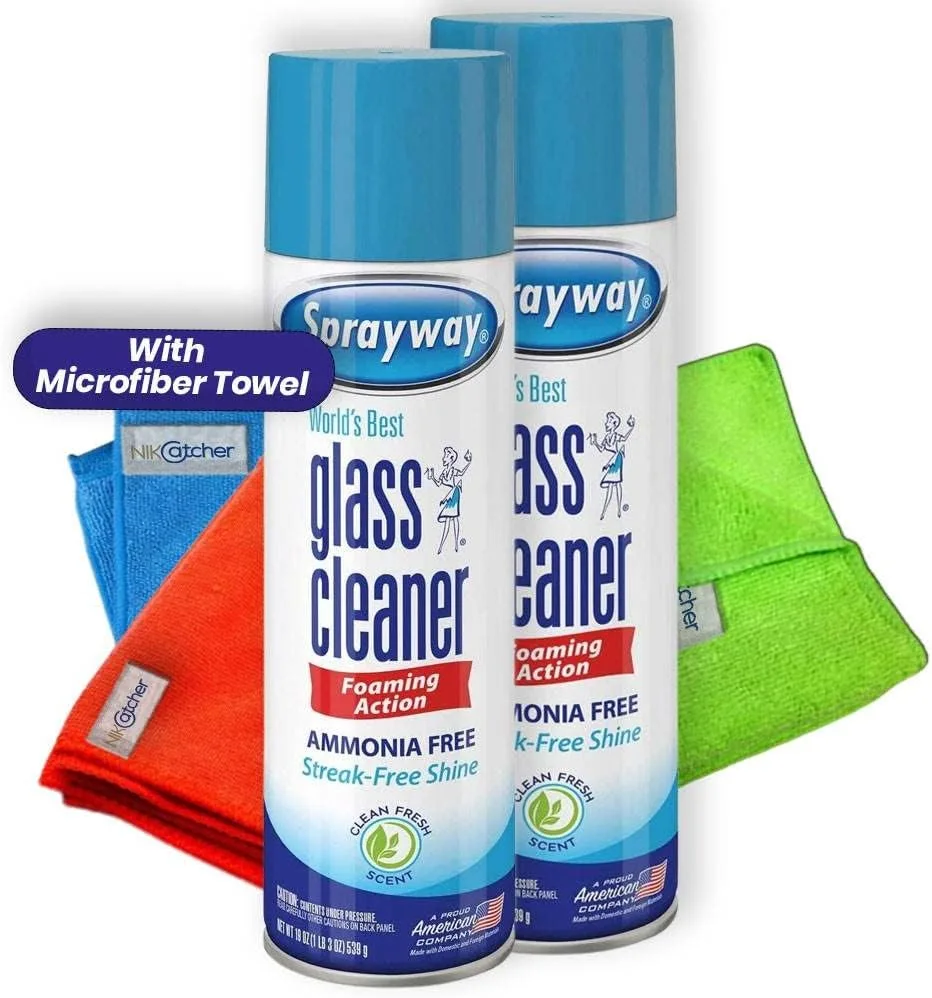
Sprayway is the runner-up. It's also ammonia-free, comes in an aerosol can, and dries slightly faster than Invisible Glass. Users report it cuts through light haze better.
The trade-off is a slightly stronger solvent smell during application.
Chemical Guys offers a water-based trigger spray that's popular with enthusiasts. It's ammonia-free, smells pleasant, and comes in concentrated form. The downside is that it takes longer to dry, which means more opportunity for streaks if you're working in humid conditions.
Meguiar's Perfect Clarity sits in the middle. It's a trigger spray with a neutral pH, safe for tint, and leaves a very clean finish. It takes slightly more effort to buff off than the aerosols, but it's widely available and reasonably priced.
| Cleaner | Type | Ammonia | Drying Speed | Tint Safe | Streak Risk |
|---|---|---|---|---|---|
| Invisible Glass | Aerosol | No | Fast | Yes | Very Low |
| Sprayway | Aerosol | No | Fast | Yes | Low |
| Chemical Guys | Trigger | No | Medium | Yes | Medium |
| Meguiar's | Trigger | No | Medium | Yes | Low |
DIY Solutions – When It Makes Sense
Homemade cleaners work well in specific situations and cost pennies per use. The most reliable recipe is one part isopropyl alcohol (70% or higher) to three parts distilled water with a single drop of dish soap. The alcohol cuts through nicotine film and plastic off-gassing haze better than most store-bought options.
The distilled water prevents mineral spotting. The soap breaks surface tension so the solution spreads evenly.
Skip the vinegar-heavy recipes you see online. Vinegar works fine on exterior glass but leaves a smell inside your car that takes days to fade. It also doesn't evaporate as cleanly in humid conditions.
Use DIY when you're cleaning a smoker's car, dealing with heavy interior film, or working on a budget. Buy store-bought when you want guaranteed streak-free results and minimal effort.
Features & What's Inside: Reading the Label Matters
The ingredients list on a glass cleaner bottle tells you everything you need to know. Most people skip it and regret it later.
Ammonia vs. Ammonia-Free
Ammonia cuts grease incredibly well. That's why it's in most household glass cleaners. But it's terrible for car interiors.
Ammonia damages window tint adhesive over time. If you have aftermarket tint, even occasional use of an ammonia-based cleaner can cause bubbling, peeling, or discoloration within a year. The International Window Film Association specifically warns against ammonia-based products for tinted windows.
If you have tinted glass, use only ammonia-free cleaners. If you don't have tint, ammonia-based cleaners work fine, but they still leave more residue than the better ammonia-free options.
Drying Time and Streak Resistance
Fast-drying cleaners leave less time for the solution to pool and create streaks. Aerosol sprays dry faster than trigger sprays because the propellant atomizes the liquid into finer droplets. That's why Invisible Glass and Sprayway consistently outperform trigger sprays in side-by-side comparisons.
The finer mist means less liquid on the glass, which means less to wipe off.
Slow-drying cleaners give you more working time, which is useful if you're cleaning a large windshield in direct sun. But you have to be more careful about the final wipe. Miss a spot, and it dries into a streak you can't fix without respraying.
The Microfiber Factor
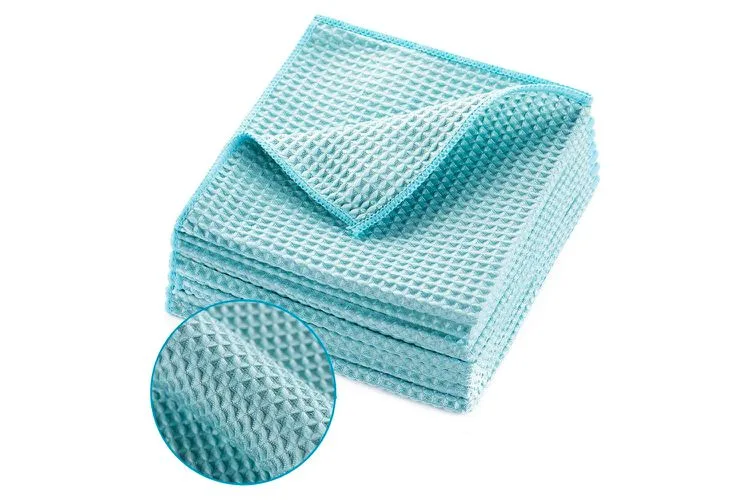
Your cleaner matters. Your towel matters more. Waffle weave microfiber towels (300-400 GSM) are specifically designed for glass.
The open weave traps dirt particles and pulls them away from the surface instead of grinding them into the glass. Standard plush microfiber towels leave lint. Paper towels leave fibers.
Newspaper works in a pinch but can transfer ink residue to your dashboard.
Use a clean waffle weave towel every time. One dirty towel ruins a perfectly good cleaning session.
The Big Comparison: Side-by-Side Performance
Let's put the numbers on the table so you can see exactly what you're getting.
Cleaner Performance at a Glance
| Option | Cost Per Use | Drying Time | Effort Level | Best Climate |
|---|---|---|---|---|
| Invisible Glass | $0.08 | 25-35 sec | Low | All |
| Sprayway | $0.07 | 20-30 sec | Low | All |
| Chemical Guys | $0.06 | 40-60 sec | Medium | Dry |
| Meguiar's | $0.05 | 35-50 sec | Medium | Dry |
| DIY Alcohol Mix | $0.02 | 20-30 sec | Low | All |
| DIY Vinegar Mix | $0.01 | 45-60 sec | Medium | Dry |
The cost numbers assume a standard 16-ounce bottle and one cleaning session per week. DIY is dramatically cheaper, but you have to mix it yourself and it lacks the surfactants that help store-bought cleaners glide across the glass.
Aerosol vs. Trigger Spray – Which Delivers Better
Aerosol cans deliver a finer, more consistent mist. That means less overspray on your dashboard, faster drying, and fewer streaks. The trade-off is cost.
Aerosol cans cost more per ounce and you can't use them on a windy day (though that doesn't apply to interior use).
Trigger sprays give you more control over where the product goes. You can aim precisely and use as much or as little as you want. But the droplets are larger, which means more surface liquid and longer drying times.
If you live in a humid climate, trigger sprays are more likely to streak.
For interior use, aerosol wins for speed and results. Trigger spray wins for control and cost.
Best for Each Use Case: What Should You Pick?
Your situation determines the right choice. Here's how to match them up.
For Tinted Windows – Ammonia-Free Only
If your car has aftermarket window tint, your options are clear. Use Invisible Glass or Sprayway. Both are ammonia-free and tint-safe.
Avoid any cleaner that lists ammonia on the ingredient label. Avoid DIY vinegar mixes, which are safe for tint but leave odor. Avoid any "all-purpose" cleaner that claims to work on glass and other surfaces.
If you already own an ammonia-based cleaner, don't use it on the inside of your car at all. Keep it for the exterior or the house windows.
For Quick Daily Cleaning – Invisible Glass or Sprayway
These two are the fastest, most reliable options for someone who wants to clean the windshield in under two minutes. Sprayway edges out Invisible Glass for speed. Invisible Glass edges out Sprayway for lack of odor.
Either one works well. Flip a coin.
For Heavy Grime or Smoke Film – Isopropyl-Heavy DIY
Nicotine film and plastic outgassing residue are tough to cut through. Standard glass cleaners smear them around rather than dissolving them. A DIY mix with 50% isopropyl alcohol and 50% distilled water cuts through that film in one pass.
Add a tiny drop of dish soap to help it spread evenly.
This mix dries very fast, so work one section at a time. Spray, wipe, buff. Don't let it sit.
For Budget Cleaning – The Vinegar Mix
If you need to save money and don't mind a faint vinegar smell for a day, mix one part white vinegar with four parts distilled water. It cuts through light haze and leaves a clean finish. The smell fades within 24 hours if you leave the windows cracked.
It's not as good as the alcohol mix for heavy grime, but it works fine for maintenance cleaning.
If you have tinted windows, the vinegar mix is safe. If you hate the smell of vinegar, skip this option entirely.
The Process: How to Actually Get a Streak-Free Finish
Having the right cleaner is only half the battle. Technique makes the difference between glass that looks clean and glass that actually is clean.
Step-by-Step for Best Results
Step 1: Shade the glass. Clean in a shaded spot or when the car has been parked in the garage. Direct sun causes cleaners to dry before you can buff them off, which guarantees streaks.
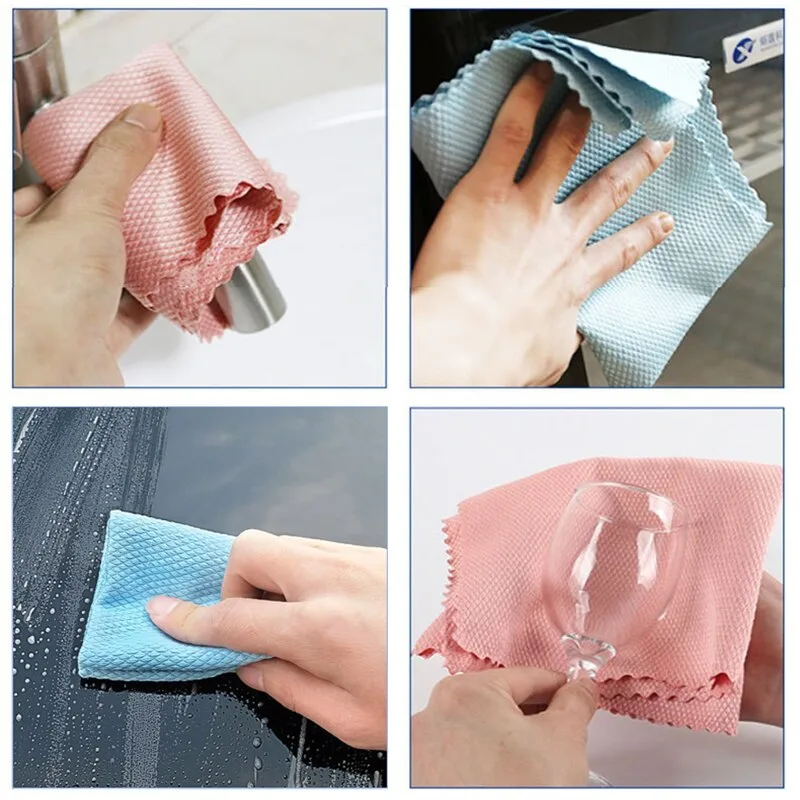
Step 2: Prep your towel. Use a clean, dry waffle weave microfiber towel. Fold it into quarters so you have eight clean surfaces to work with. Flip to a fresh surface as soon as one gets dirty.
Step 3: Spray the towel, not the glass. Spray your cleaner onto the folded towel. This prevents overspray on your dashboard, steering wheel, and trim. Overspray from glass cleaner can damage matte finishes and leather over time.
Step 4: Wipe in horizontal strokes. Clean across the width of the windshield rather than in circles. Horizontal strokes make streaks easier to see and correct. Work from top to bottom so drips don't fall onto already-cleaned glass.
Step 5: Buff with a dry section. After you've distributed the cleaner and wiped away the grime, flip to a completely dry section of the towel. Buff the glass until it's clear. This final pass removes any leftover moisture that would dry into a streak.
The Two-Towel Method
Professional detailers use two towels. One damp towel applies and spreads the cleaner. One dry towel buffs it off.
This method eliminates the problem of re-depositing dirt from the first pass onto the second.
If you only have one towel, use one side for applying and a different side for buffing. Never reuse a towel that's already been used for cleaning without washing it first.
Common Mistakes That Cause Streaks
Using too much product. More cleaner doesn't mean cleaner glass. It means more residue to wipe off. Two sprays on a folded towel is enough for a full windshield.
Spraying directly on the glass. This sends cleaner running down the glass, pooling at the bottom, and dripping onto your dashboard. It also wastes product.
Using the wrong towel. Bath towels, paper towels, and old t-shirts leave lint or scratch the glass. Waffle weave microfiber is specifically designed for this task.
Cleaning in direct sunlight. The heat evaporates the cleaner before you can buff it, leaving residue behind. Always shade the glass.
Skipping the buffing pass. The final dry buff is what removes the microscopic film that appears as haze when the sun hits. Don't skip it.
Understanding these common pitfalls and having the right tools at hand will transform your windshield cleaning routine from a chore into a quick, satisfying task that you only have to do once a week instead of three times. For more tips on keeping your car's glass and paint in top condition, check out our blog for regular updates and product guides. If you're dealing with stubborn water spots or tough grime, our guides on the best water spot remover for glass and the best grime remover for car paint can help you tackle those specific problems head-on.
Frequently Asked Questions
Can I use Windex on my car's inside windshield?
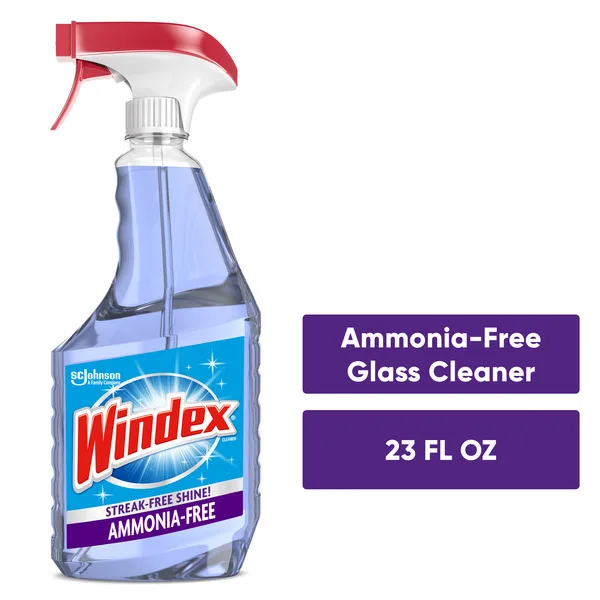
Regular Windex contains ammonia and should not be used on tinted windows. If your car has no tint, Windex works but leaves more residue than dedicated automotive glass cleaners. Windex's vinegar formula is ammonia-free and safer, but still not as effective on interior automotive grime.
How often should I clean the inside of my windshield?
Once a week for most drivers. Smokers and pet owners may need to clean every three to four days. The plastic off-gassing and skin oils from passengers build up a film that reduces visibility, especially at night when headlights cause glare.
Why does my windshield fog up after cleaning?
Residual cleaner that wasn't fully buffed off attracts moisture. This is most common with trigger sprays that leave more liquid on the glass. Switch to an aerosol and use a dry buffing pass to eliminate the problem.
High humidity also causes fogging, so clean on a dry day.
Is it safe to use alcohol on car windows?
Yes, isopropyl alcohol in moderate dilution is safe for automotive glass. A 50-50 mix with distilled water is effective for cutting through heavy film. Avoid using pure alcohol, which can damage tint adhesive if it pools at the edges of the glass.
Should I use the same cleaner for inside and outside glass?
You can, but you probably shouldn't. Exterior glass needs more heavy-duty cleaning to handle bugs, tree sap, and road grime. Interior glass needs a gentler formula that won't damage tint or leave lingering odors.
If you want a single product, the ammonia free glass cleaner for cars we've discussed works well for both.
Data & Metrics – What the Numbers Say
A standard 16-ounce can of Invisible Glass costs about $6 and delivers roughly 75 cleanings if you use two sprays per windshield. That works out to eight cents per use. Sprayway runs about $5 for the same size, or seven cents per use.
Trigger sprays like Chemical Guys cost slightly less per bottle but require more product per cleaning, so the cost per use is about the same.
The DIY alcohol mix costs roughly two cents per cleaning. A 32-ounce bottle of isopropyl alcohol (70%) runs about $3 and lasts for months. Distilled water adds another dollar per gallon.
The trade-off is that DIY lacks the surfactants that help store-bought cleaners spread evenly and lift dirt. You'll need slightly more elbow grease.
Evaporation time is the other key metric. Aerosol sprays dry in 20 to 35 seconds. Trigger sprays take 35 to 60 seconds.
High humidity extends both by about 40%. If you clean in a humid garage, aerosol is the safer bet for avoiding streaks.
Safety & Compliance – What You Need to Know
Ammonia-based cleaners are the biggest risk. They can damage window tint adhesive over time, especially aftermarket tints that haven't fully cured. The International Window Film Association recommends waiting at least 30 days after tint installation before cleaning with any product, and using only ammonia-free formulas moving forward.
Alcohol-based DIY mixes are safe for glass and most tints, but they are flammable. Never store a bottle of isopropyl alcohol in your car during summer. Interior temperatures can exceed 140°F, which approaches the flash point of 70% isopropyl (about 53°F for the vapor, but the liquid itself needs an ignition source).
Keep your cleaner in the house and bring it out when you need it.
California residents should check their local VOC regulations. Some aerosol glass cleaners sold in other states don't meet California's strict limits. Look for "CARB compliant" on the label if you're in California or other states that follow similar rules.
The Verdict – Your Decision Guide
If you have tinted windows, buy Invisible Glass or Sprayway. Both are ammonia-free, fast-drying, and widely available. You'll spend about eight cents per cleaning and get streak-free results in under two minutes.
Skip the trigger sprays and DIY mixes for tinted glass.
If you don't have tint and want the cheapest effective option, use the DIY alcohol mix. It costs pennies, cuts through haze, and dries fast. Just be careful about flammability and store it outside the car.
If you're a detailing enthusiast who wants the absolute best results, use Invisible Glass with a waffle weave microfiber towel and the two-towel method. That combination consistently produces the clearest finish according to aggregate user reviews across automotive forums.
If you're cleaning a smoker's car or heavy film, go with the 50-50 isopropyl mix. It's the only option that cuts through nicotine and plastic outgassing in one pass without smearing.
Pick your cleaner based on your specific situation. That's the only way to get glass that actually looks clean instead of just less dirty.