ByMax Lee
Maine Horse-Drawn Vehicle & Rider Highway Rules
Maine horse drawn vehicle and animal rider highway sharing rules can be confusing, especially when balancing safety with tradition. Whether you’re driving a carriage, riding a horse, or sharing the road, knowing the legal expectations prevents accidents and fines.
In Maine, these rules are governed by state statutes that treat animal-drawn vehicles as legitimate road users with specific requirements. As of 2026, the Maine Department of Transportation enforces visibility, signaling, and right-of-way standards to keep everyone safe.
Quick Answer
Maine allows horse-drawn vehicles and riders on public roads. They must follow standard traffic laws. Night travel requires front and rear lighting visible from 500 feet.
Slow-moving vehicles must yield when safe to avoid blocking traffic.
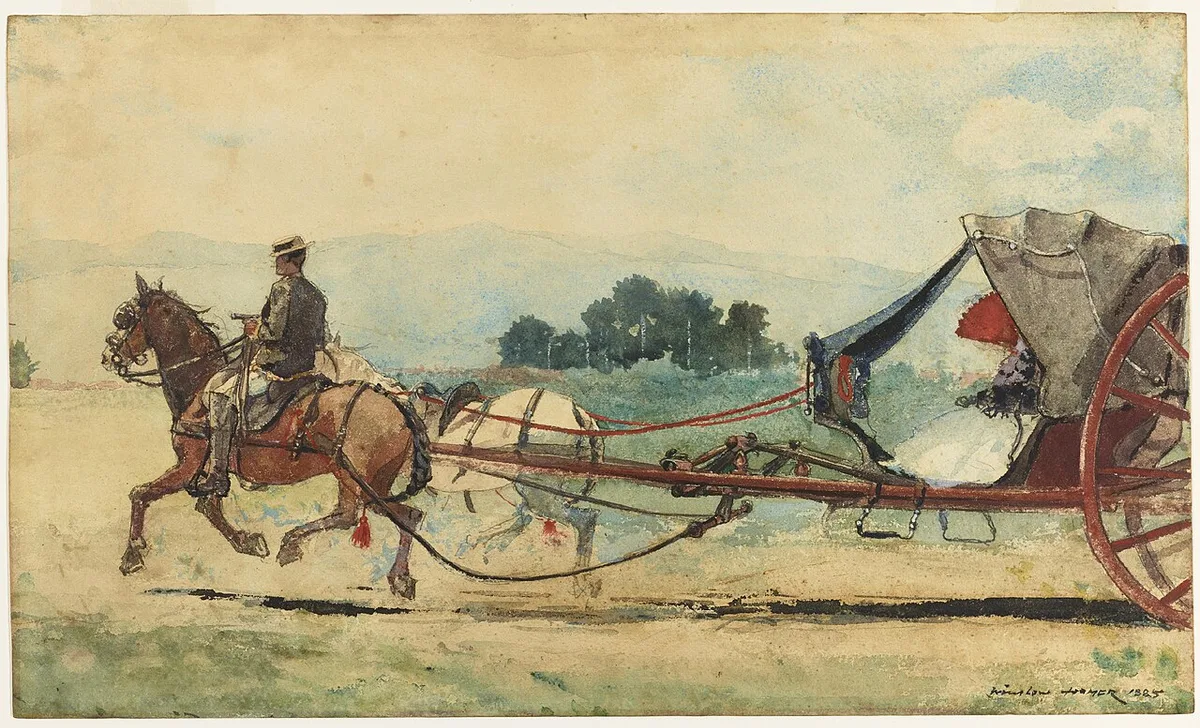
Wikimedia Commons / Winslow Homer
Why Maine’s Horse-Drawn and Animal Rider Road Rules Matter
These laws prevent collisions between cars and slower, more vulnerable road users. Without clear rules, confusion leads to near-misses or accidents. Maine’s rural roads and tourist areas see frequent horse traffic, making these regulations essential.
The state treats horse-drawn vehicles as legal road users but adds safety measures. These include visibility, signaling, and right-of-way rules that differ slightly from standard motor vehicle laws.
The Quick Answer: What’s Legal on Maine Highways
Horse-drawn vehicles and riders can use most public roads in Maine, except interstates and limited-access highways. They must follow all standard traffic laws, including stopping at signs and yielding when necessary.
At night, they need lighting and reflectors to be visible from at least 500 feet. Local towns may add extra restrictions, so always check ahead.
Who These Rules Apply To (And Who’s Exempt)
These regulations cover anyone operating a horse-drawn vehicle or riding a horse on public roads. This includes Amish communities, tourist carriage operators, and equestrians.
Exemptions are rare, but some private roads or designated trails may not fall under these rules. Military or emergency vehicles using horses for official duties may also have special allowances.
Maine’s Core Road-Sharing Laws for Horse-Drawn Vehicles and Riders
Maine treats animal-drawn vehicles as slow-moving traffic. Under Maine Revised Statutes Title 29-A, they have the same rights and duties as motorists unless a law states otherwise.
Key requirements include:
- Lighting: White light visible from 500 feet in front, red light or reflector visible from 500 feet behind at night.
- Right-of-way: Horses and carriages must follow standard traffic rules but should yield to faster traffic when safe.
- Speed: No specific limit, but operators must not impede traffic unreasonably.
Visibility and Safety Requirements You Can’t Ignore
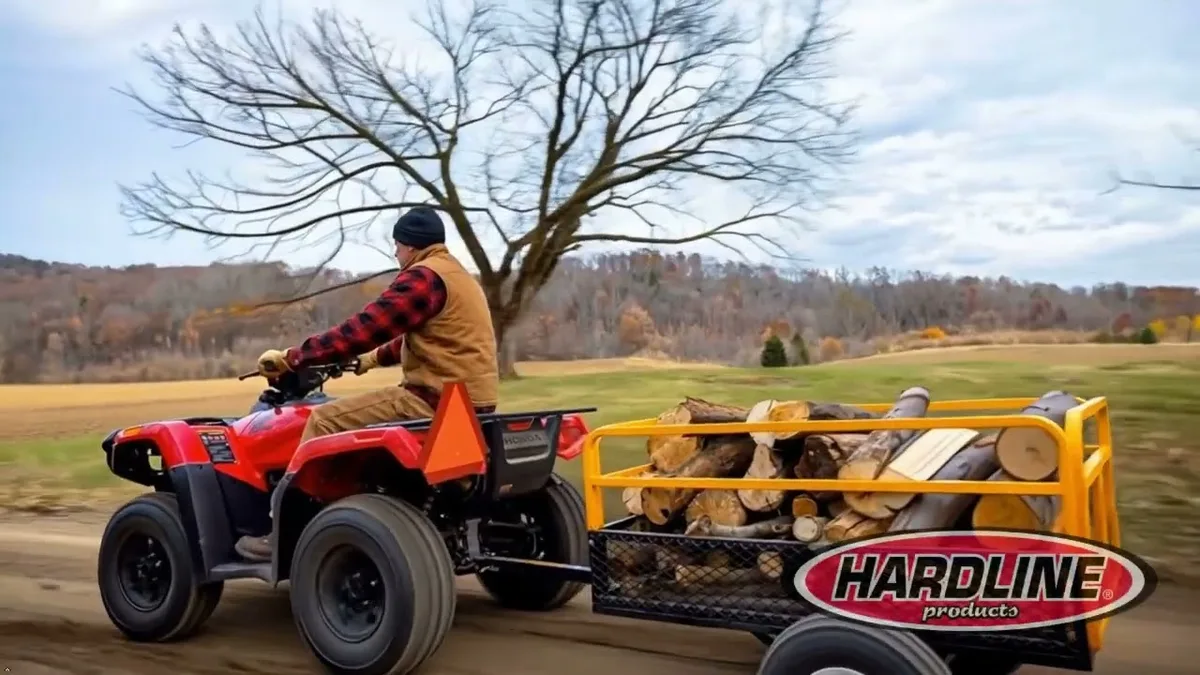
Maine requires horse-drawn vehicles to be visible from 500 feet in both directions at night. This means a white light on the front and a red light or reflector on the back. Without these, you risk fines and endanger others.
Reflective tape on carriage sides adds extra visibility. Some operators use slow-moving vehicle emblems for additional caution.
YouTube / Hardline Products® (YouTube thumbnail (fair-use with source credit))
Right-of-Way: Who Yields to Whom in Maine
Horses and carriages have the same right-of-way as any other vehicle. If you reach an intersection first, you have the right to proceed. Motorists must yield to you just as they would to another car.
However, common courtesy helps. If a line of cars builds up behind you, pull over when safe to let them pass.
YouTube / TRADESAFE (YouTube thumbnail (fair-use with source credit))
Speed Limits and Traffic Flow for Animal-Drawn Vehicles
Maine doesn’t set a specific speed limit for horse-drawn vehicles. But you must travel at a speed that doesn’t unreasonably block traffic. On rural roads, this is rarely an issue.
On busier routes, stay aware of congestion.
If you’re moving slower than the posted limit, keep to the right as much as possible. This allows faster vehicles to pass safely when the lane is clear.
Local Exceptions: Towns and Counties with Extra Rules
Some Maine towns add their own restrictions. Tourist areas may limit horse-drawn traffic during peak seasons. Others might require permits for commercial carriage operations.
Always check with the local police department or town office before traveling. They can confirm any additional rules that apply in their jurisdiction.
Common Mistakes That Lead to Fines (or Worse)
Many operators forget proper lighting at night. This is one of the most common reasons for citations. Others fail to signal turns clearly, which confuses drivers.
Another frequent issue is ignoring right-of-way rules. Horses and carriages must follow the same traffic laws as cars. Running a stop sign or failing to yield can result in a ticket.
What to Do If You’re in an Accident Involving a Horse or Carriage
Report the incident to local law enforcement immediately. Maine law requires documentation for any accident involving property damage, injury, or death.
Never leave the scene before authorities arrive. Exchange information with the other party and take photos of the damage. If the horse is injured, call a vet right away.
Seasonal and Weather Considerations in Maine
Winter brings snow and ice, which can make roads treacherous for horse-drawn vehicles. Carriages may need special tires or chains for traction. Always check road conditions before traveling.
Summer heat can stress horses, especially on long trips. Carry water and take frequent breaks. Avoid traveling during the hottest part of the day.
How to Signal, Stop, and Communicate with Drivers
Use clear hand signals to indicate turns and stops. For a left turn, extend your left arm straight out. For a right turn, extend your left arm up at a 90-degree angle.
To stop, extend your left arm down.
Make eye contact with drivers when possible. This confirms they see you and understand your intentions.
Wikimedia Commons / UnknownUnknown Scanned by Leonard Bentley from Iden, East Sussex, UK
FAQs About Maine’s Horse and Carriage Highway Rules
Do I need a license to drive a horse-drawn carriage in Maine?
No, Maine does not require a special license. However, you must follow all standard traffic laws and safety requirements.
Can I ride a horse on the interstate in Maine?
No, interstate highways are off-limits to horse-drawn vehicles and riders. Stick to local and state roads where permitted.
What lighting do I need at night?
You need a white light visible from 500 feet in front and a red light or reflector visible from 500 feet behind. Reflective tape on the sides adds extra safety.
Are there speed limits for horse-drawn vehicles?
Maine doesn’t set a specific speed limit. But you must not travel so slowly that you unreasonably block traffic. Use common sense and pull over when safe to let faster vehicles pass.
What should I do if a driver honks at me?
Stay calm and maintain your position. If you’re blocking traffic, pull over when it’s safe. Never wave drivers around if it’s not clear.