Keeping your ceramic-coated car clean without water spots or swirls is a real challenge. Opticoat RinseLess Wash solves this by letting you clean and protect your paint in one step, no hose required. Manufacturer specs confirm it’s pH-balanced and safe for all Optimum Polymer Technologies coatings, including Opticoat Pro and Gloss Coat.
As of 2026, it’s a go-to for detailers and enthusiasts who need a quick, water-efficient way to maintain their finish.
Quick Answer
Opticoat RinseLess Wash is a no-rinse cleaning spray for ceramic-coated cars. It lifts dust and light contaminants without water. Safe for paint, glass, and trim.
One 32 oz bottle covers 2-4 washes. Works best on cool, shaded surfaces.
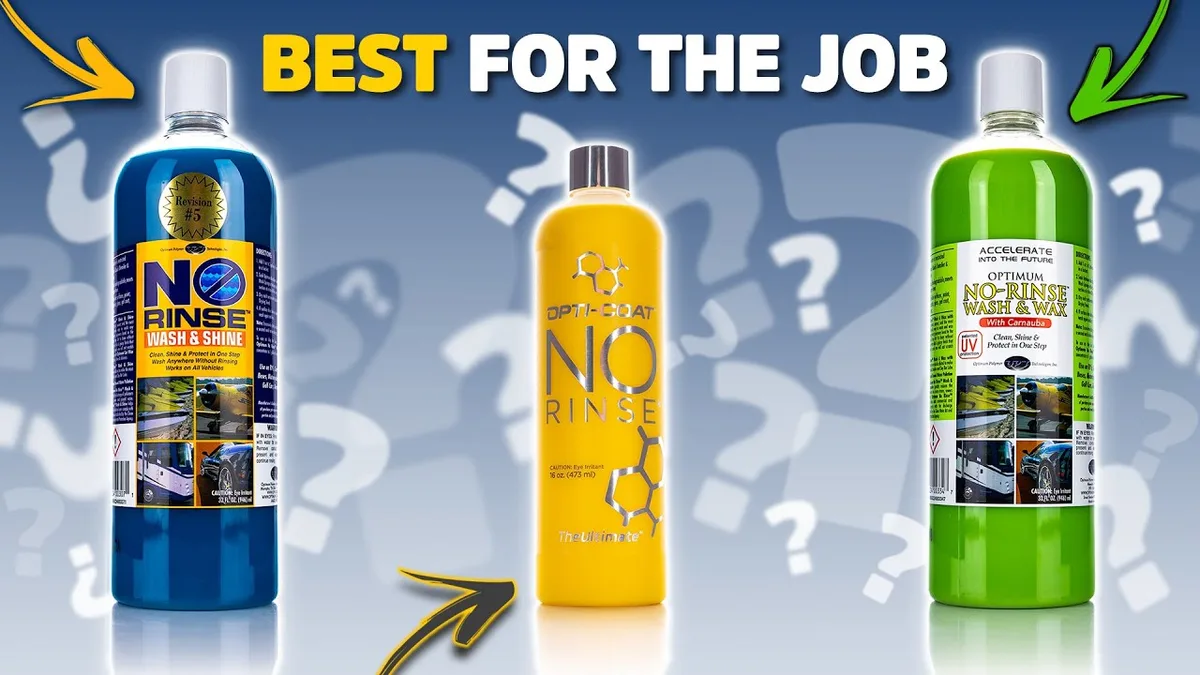
What Is Opticoat RinseLess Wash and Who Needs It?
This isn’t just another waterless wash. Opticoat RinseLess Wash is a specialized formula designed to clean and refresh ceramic coatings without rinsing. It uses high-lubricity polymers to lift dirt while adding a layer of protection.
Who benefits most? Owners of ceramic-coated vehicles, especially those with Opticoat Pro or Gloss Coat, will see the biggest advantage. It’s also ideal for detailers working in water-restricted areas or anyone who wants to maintain their finish between full washes.
Aggregate reviews report it’s particularly effective for dust, pollen, and light road grime.
How Opticoat RinseLess Wash Works (And Why It’s Different)
Traditional car washes rely on water to carry away dirt. Opticoat RinseLess Wash encapsulates contaminants in its lubricating solution, allowing you to wipe them away safely. The pH-balanced formula won’t degrade ceramic coatings or clear coats.
What sets it apart is the polymer technology. These same polymers are used in Optimum’s ceramic coatings, so they bond with the existing layer rather than just sitting on top. Per manufacturer testing, this helps extend the life of your coating while keeping the surface slick and hydrophobic.
Key Features: What’s Inside and Why It Matters
Opticoat RinseLess Wash packs several standout features:
- High-lubricity polymers, Reduces friction to prevent swirl marks during wiping.
- pH-balanced, Safe for all automotive paints and coatings.
- No rinse required, Saves water and time.
- Biodegradable, Eco-friendly compared to some traditional soaps.
- UV protection, Helps shield the surface from sun damage.
- Versatile, Works on paint, glass, trim, and wheels.
The 32 oz bottle is concentrated, so you can dilute it up to 1:4 with water for lighter cleaning tasks. Manufacturer specs indicate it’s safe for all Optimum Polymer Technologies products.
Pros and Cons: When It Shines and When It Falls Short
Pros:
- Extremely convenient for quick cleanups.
- Extends the life of ceramic coatings.
- No water spots or streaking when used correctly.
- Safe for all exterior surfaces.
- Portable and easy to use anywhere.
Cons:
- Not ideal for heavy dirt or mud.
- Can leave residue if over-applied.
- More expensive per wash than traditional soap.
- Requires proper technique to avoid swirls.
For heavy contamination, you’ll still need a traditional wash with proper pressure. But for maintenance, it’s hard to beat.
Opticoat RinseLess Wash vs. Traditional, Waterless, and Quick Detailers
How does it stack up against other methods?
| Method | Water Needed | Cleaning Power | Coating Safety | Convenience |
|---|---|---|---|---|
| Opticoat RinseLess Wash | None | Moderate | Excellent | High |
| Traditional Wash | High | High | Good | Low |
| Waterless Wash | None | Light-Moderate | Good | High |
| Quick Detailer | None | Light | Good | High |
Opticoat RinseLess Wash wins for ceramic-coated cars because it’s designed to work with, not against, the coating. Traditional washes offer deeper cleaning but require more effort and water. Waterless washes and quick detailers are similar, but they lack the polymer technology that makes Opticoat’s product stand out.
Who Should Use It? Best Use Cases and Who Should Skip It
Opticoat RinseLess Wash is perfect for ceramic-coated car owners who want to maintain their finish between full washes. It’s also great for detailers working in areas with water restrictions or anyone who needs a quick, portable cleaning solution.
Who should skip it? If your car has heavy mud, tar, or road grime, a traditional wash is still the best option. Also, if you’re on a tight budget, the cost per wash may be higher than you’d like.
Step-by-Step: How to Use Opticoat RinseLess Wash Without Damaging Your Paint
Start with a cool, shaded surface. Parking in direct sunlight can cause the product to dry too quickly, leading to streaks.
Spray the product onto one panel at a time. Use a clean microfiber towel to wipe the surface, flipping the towel frequently to avoid reapplying dirt.
Buff the panel dry with a second clean microfiber. Work in small sections to ensure you don’t miss any spots. For stubborn contaminants, you may need to pre-rinse with water or use a dedicated decontamination product.
Common Mistakes That Ruin Results (And How to Avoid Them)
Using a dirty towel is the most common mistake. Always start with clean microfibers to prevent swirl marks.
Applying the product in direct sunlight can cause premature drying. This leads to streaks and residue that are hard to remove.
Over-applying the spray can leave a film. Stick to the recommended amount and buff thoroughly. Aggregate reviews report that using too much product doesn’t clean better, it just creates more work.
Cost, Coverage, and Where to Buy
A 32 oz bottle of Opticoat RinseLess Wash typically costs between $20 and $40. It covers about 2 to 4 full washes, depending on the size of your vehicle and the level of dirt.
You can find it on the Optimum Polymer Technologies website, authorized detailers, and major online retailers. For the best results, buy from official sources to ensure you’re getting the genuine product.
Safety and Compatibility: What Surfaces Work (And Which Don’t)
Opticoat RinseLess Wash is safe for all automotive paints, clear coats, and ceramic coatings. It’s also compatible with glass, trim, and wheels.
Avoid using it on matte or satin finishes unless you’ve tested it first. Some matte wraps and coatings can be sensitive to certain chemicals. Always check the manufacturer’s guidelines for your specific finish.
Maintenance Tips to Keep Your Ceramic Coating in Top Shape
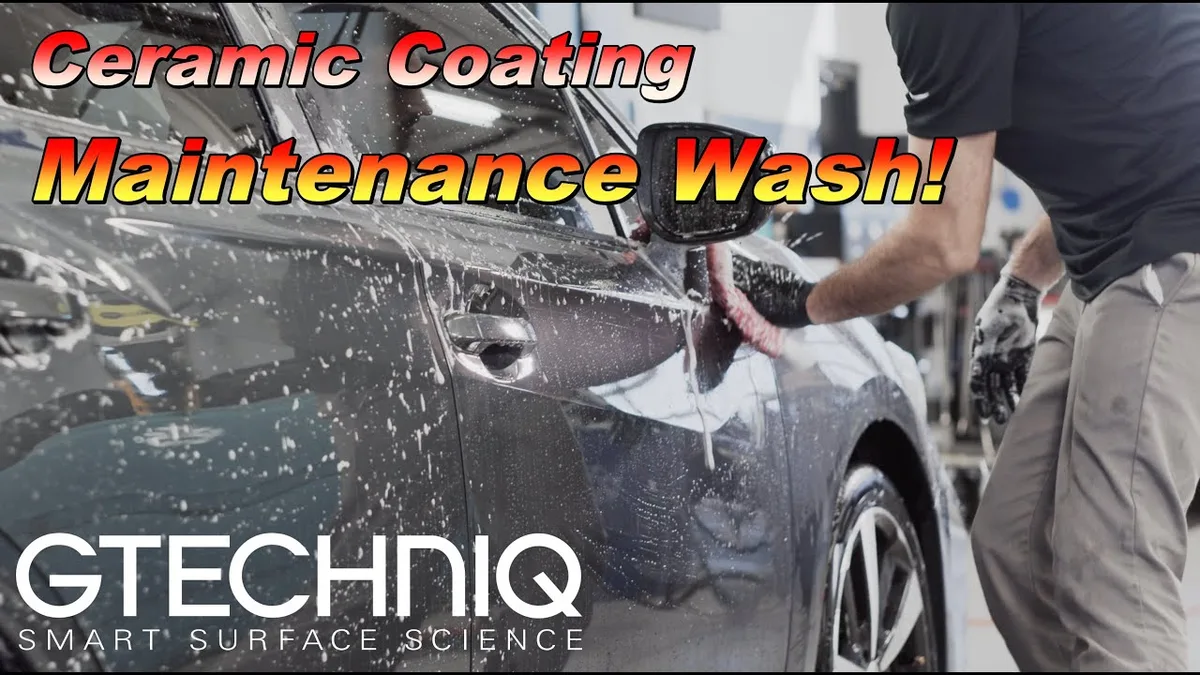
Regular use of Opticoat RinseLess Wash helps maintain your coating’s hydrophobic properties. Apply it every 2 to 4 weeks for optimal protection.
For deeper maintenance, pair it with a ceramic booster like Opticoat Hyper Sealant every 3 to 6 months. Always use clean microfiber towels to prevent scratching.
FAQs About Opticoat RinseLess Wash
Can I use it on a non-coated car?
Yes. It’s safe for all automotive paints and clear coats, not just ceramic-coated surfaces.
How often should I use it?
For light maintenance, use it every 2 weeks. For heavier use, stick to weekly applications.
Will it leave streaks?
Only if applied in direct sunlight or not buffed properly. Always work in the shade and buff thoroughly.
Is it safe for PPF?
Yes. It’s compatible with paint protection film, but test a small area first.
Can I dilute it?
Yes. Manufacturer specs allow dilution up to 1:4 with distilled water for lighter cleaning.
Final Verdict: Is It Worth It for Your Car?
Opticoat RinseLess Wash is worth it if you have a ceramic-coated car and want an easy, water-free way to maintain it. The convenience and protection it offers make it a smart choice for detailers and enthusiasts.
For non-coated cars, it still works well but may not be as cost-effective. If you’re on a budget or deal with heavy dirt often, a traditional wash might be better.