You’ve just hit the windshield and nothing comes out. That’s when you realize you forgot to check the washer fluid. Knowing how to add windshield washer fluid is a basic skill every driver should have, but it’s easy to overlook until you need it most.
Manufacturer specs show most reservoirs hold 1, 2 gallons, and topping it off takes less than a minute. The real trick is picking the right fluid for your climate and avoiding mistakes that can clog the system.
Quick Answer: How to Add Windshield Washer Fluid in 30 Seconds
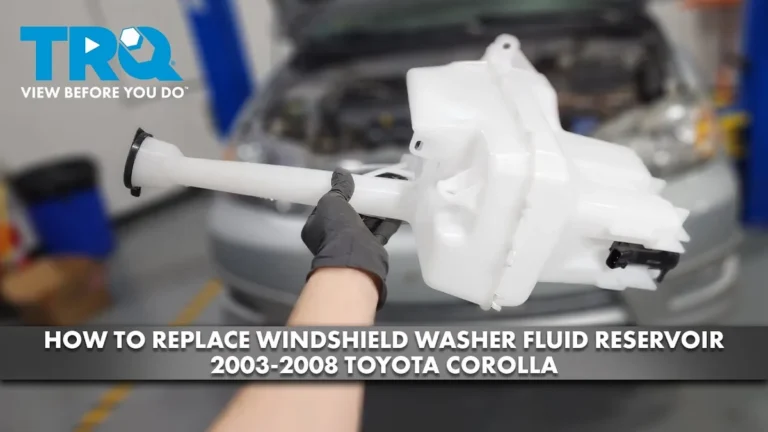
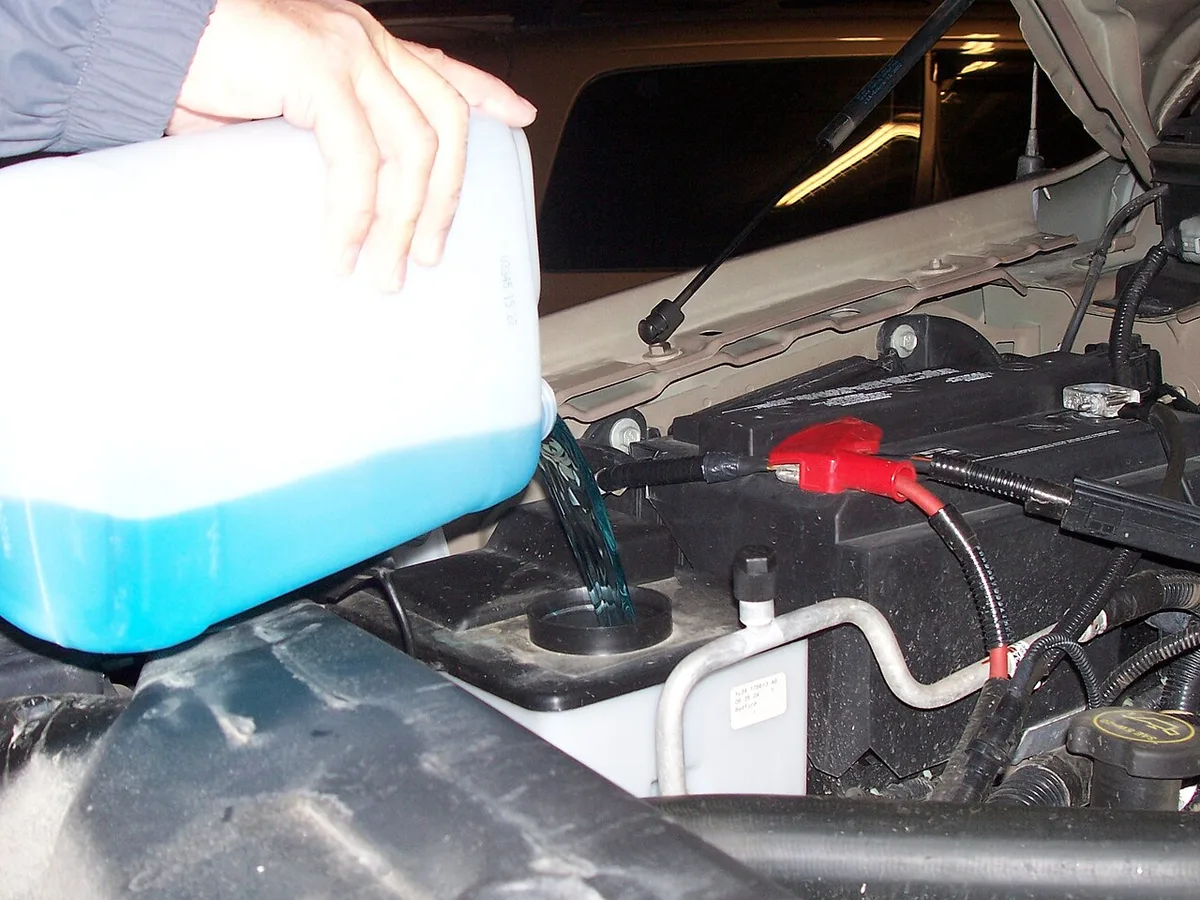
Open the hood and locate the washer fluid reservoir. It’s usually a white or translucent plastic tank with a labeled cap. Unscrew the cap and pour in the appropriate fluid until it reaches the fill line.
Replace the cap tightly and test the sprayers.
Why Washer Fluid Matters (And What Happens If You Ignore It)
Clear visibility isn’t just about safety, it’s required by law in many areas. Dirt, bugs, and road grime can obscure your view in seconds. Without washer fluid, you’re left with a smudged windshield and slower reaction time.
Washer fluid also protects your wiper blades and windshield from premature wear. Using the wrong type, like plain water in freezing temperatures, can damage the system or fail when you need it most.
The Right Fluid for Your Car: Summer vs. Winter vs. All-Season
Not all washer fluids are the same. Summer blends focus on cleaning power, while winter formulas include antifreeze to prevent freezing. All-season fluids offer a middle ground but may not perform as well in extreme temperatures.
| Fluid Type | Best For | Freeze Protection | Cleaning Power |
|---|---|---|---|
| Summer | Warm climates | None | High |
| Winter | Cold climates | Down to -20°F or lower | Moderate |
| All-Season | Mixed climates | Down to 0°F | Balanced |
Winter fluids often contain methanol or ethanol to lower the freezing point. As of 2026, most major brands clearly label their temperature ratings on the bottle.

Where’s the Reservoir? How to Find It in Any Car
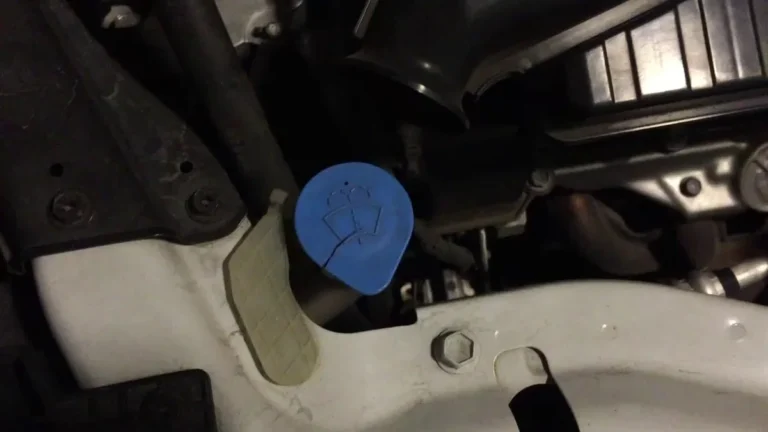
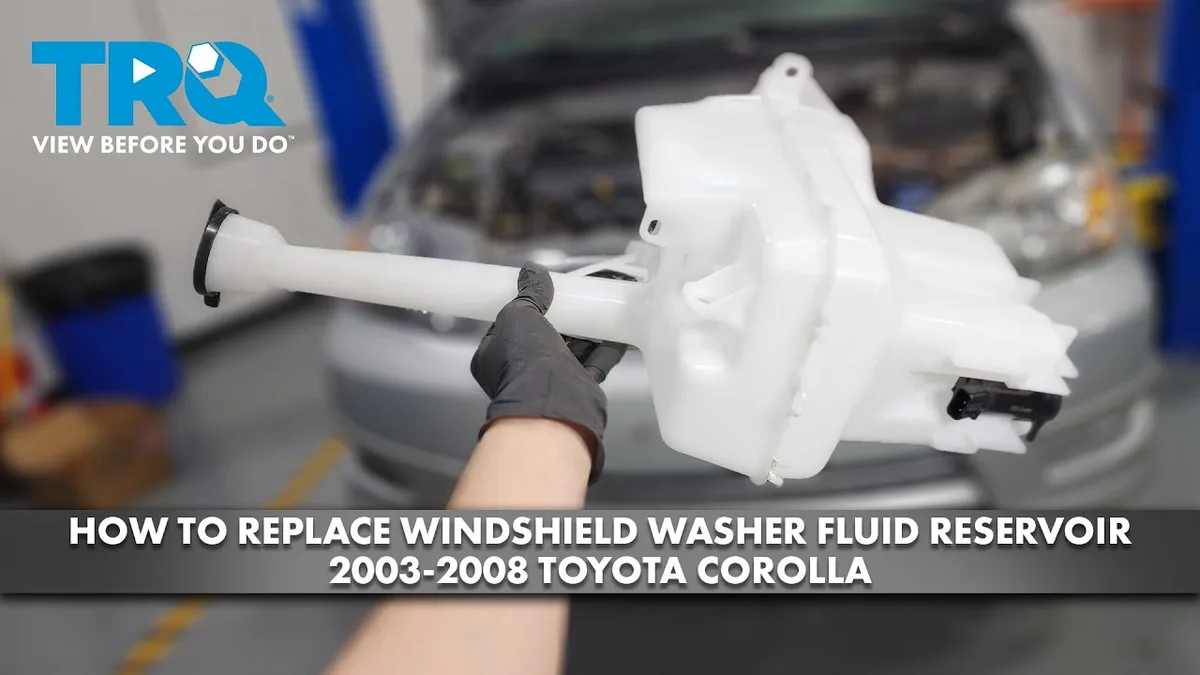
The washer fluid reservoir is typically a white or translucent plastic tank under the hood. It’s often near the windshield, with a cap labeled with a windshield-and-spray icon. In some vehicles, it might be tucked near the firewall or behind the headlight assembly.
If you’re unsure, your owner’s manual will have a diagram. Most reservoirs are designed to be easily accessible, so you shouldn’t need tools to reach the cap.
Step-by-Step: How to Add Washer Fluid Without Spills
Start by parking on a level surface and turning off the engine. Open the hood and locate the reservoir. If the cap is dirty, wipe it down before opening to avoid contaminating the fluid.
Pour the fluid slowly, using a funnel if necessary to prevent spills. Stop when the fluid reaches the fill line marked on the reservoir. Overfilling can cause leaks or damage to the system.
Replace the cap securely and test the sprayers by activating the washer lever inside the car. If the fluid doesn’t spray immediately, there may be an air bubble in the line. Try spraying a few more times to clear it.
What to Do If the Fluid Won’t Spray (Troubleshooting Guide)
First check the reservoir level. If it’s full but nothing comes out, the nozzles may be clogged with dirt or old fluid buildup.
Use a pin or needle to gently clear the nozzle openings. Avoid excessive force, as this can damage the jets. If that doesn’t work, the pump may have failed, which typically requires professional attention.
Common Mistakes That Damage Your System
Using plain water in winter is a top offender. It freezes in the lines, potentially cracking the reservoir or damaging the pump.
Mixing different fluid types can cause chemical reactions that clog the system. Always stick to one brand or formula unless you’ve flushed the old fluid completely.
Overfilling the reservoir can lead to spills that corrode nearby components. Stop at the fill line, even if the bottle isn’t empty.
DIY vs. Store-Bought Fluid: Is Homemade Safe?
Homemade mixes of water and soap might work in a pinch, but they lack the detergents and antifreeze properties of commercial fluids. They can also leave residue that clogs nozzles over time.
Store-bought fluids are formulated for specific conditions. Winter blends meet standards like ASTM D1177 for freeze protection, while summer blends focus on cleaning power.
Pro Tips for Longer Nozzle Life and Better Visibility
Run the sprayers for a few seconds every month, even if you don’t need them. This prevents fluid from sitting stagnant and forming deposits.
In dusty or bug-heavy areas, use a fluid with stronger detergents. These break down grime more effectively but may require more frequent top-ups.
Avoid topping off with water between fluid changes. This dilutes the cleaning agents and reduces effectiveness.
Winter-Specific Advice: Avoiding Frozen Fluid Disasters
Switch to a winter blend before temperatures drop below freezing. Most winter fluids protect down to -20°F, but some premium options go as low as -40°F.
If your fluid freezes, park in a warm garage to thaw it naturally. Never use hot water, as the sudden temperature change can crack the reservoir.
For vehicles in extreme climates, consider a fluid with methanol. It performs better in subzero conditions than ethanol-based options.
Benefits & Drawbacks: Why Bother With Washer Fluid
Washer fluid keeps your windshield clean and your visibility sharp. It removes bugs, road grime, and salt that water alone can’t handle.
The main drawback is cost, but it’s minimal compared to the safety benefits. Some fluids contain chemicals that may irritate skin or harm pets if ingested.
Comparison: Summer vs. Winter vs. All-Season Fluids
Summer fluids excel at cutting through tough grime. They lack antifreeze, so they’re useless in cold weather.
Winter fluids prevent freezing but may not clean as effectively in warm conditions. All-season fluids offer a balance but often compromise on both cleaning power and freeze protection.
Use Cases: Who Needs Which Fluid
Daily commuters in mild climates can use summer or all-season fluid. The cleaning power handles typical road dirt and light rain.
Drivers in snowy regions need winter fluid. It prevents the system from freezing and ensures spray when temperatures drop.
Off-road or highway drivers benefit from high-detergent fluids. These tackle heavy bug splatter and dust buildup more effectively.
Mistakes to Avoid: Don’t Ruin Your System
Never use plain water in winter. It freezes, potentially cracking the reservoir or pump.
Avoid mixing fluid types. Chemical reactions can clog nozzles or reduce effectiveness.
Don’t ignore the fill line. Overfilling leads to spills that can corrode nearby components.
FAQs: Can You Use Water? Does Fluid Expire?
Can you use water instead of washer fluid?
Yes, but only in warm weather and as a temporary fix. Water lacks the cleaning agents and antifreeze properties of commercial fluids.
Does washer fluid expire?
Unopened fluid lasts 1-2 years. Once opened, it degrades faster, especially if exposed to temperature extremes.
Why is my washer fluid not spraying?
The reservoir may be empty, or the nozzles could be clogged. Check the fluid level first, then clear any blockages.
Can you mix different washer fluids?
It’s not recommended. Mixing can cause chemical reactions that clog the system or reduce performance.
How often should you refill washer fluid?
Top it off every 1-3 months, depending on usage. Heavy drivers or those in dusty areas may need to refill more frequently.
Is washer fluid bad for the environment?
Some contain methanol, which is toxic. Look for biodegradable options if environmental impact is a concern.