Car wash ceramic coating is the easiest way to keep your car looking showroom-fresh between washes. It’s a liquid polymer that bonds to your paint, creating a hydrophobic layer that repels water, dirt, and grime. Unlike wax, it doesn’t wash away after a few weeks.
Manufacturer specs confirm a properly applied ceramic coating lasts 2, 5 years, depending on the product and upkeep. That longevity makes it a favorite for daily drivers and enthusiasts alike.
Quick Answer
Car wash ceramic coating adds a durable, water-repellent layer to your paint. It lasts years, not months. It resists UV damage and chemicals.
It cuts cleaning time in half.
What Ceramic Coating Actually Does (and Doesn’t Do)
Ceramic coating is a nano-ceramic polymer, usually silicon dioxide (SiO2) based, that chemically bonds to your car’s clear coat. Once cured, it creates a hydrophobic surface that causes water to bead and roll off, taking dirt with it. This isn’t just a shiny top layer, it’s a protective barrier.
What it doesn’t do is make your car scratch-proof or chip-resistant. It won’t stop rock chips from gravel or deep scratches from keys. Aggregate reviews report it reduces swirl marks from improper washing, but it’s not a substitute for paint protection film (PPF).
Ceramic Coating vs. Wax vs. Sealant vs. PPF: The Real Differences
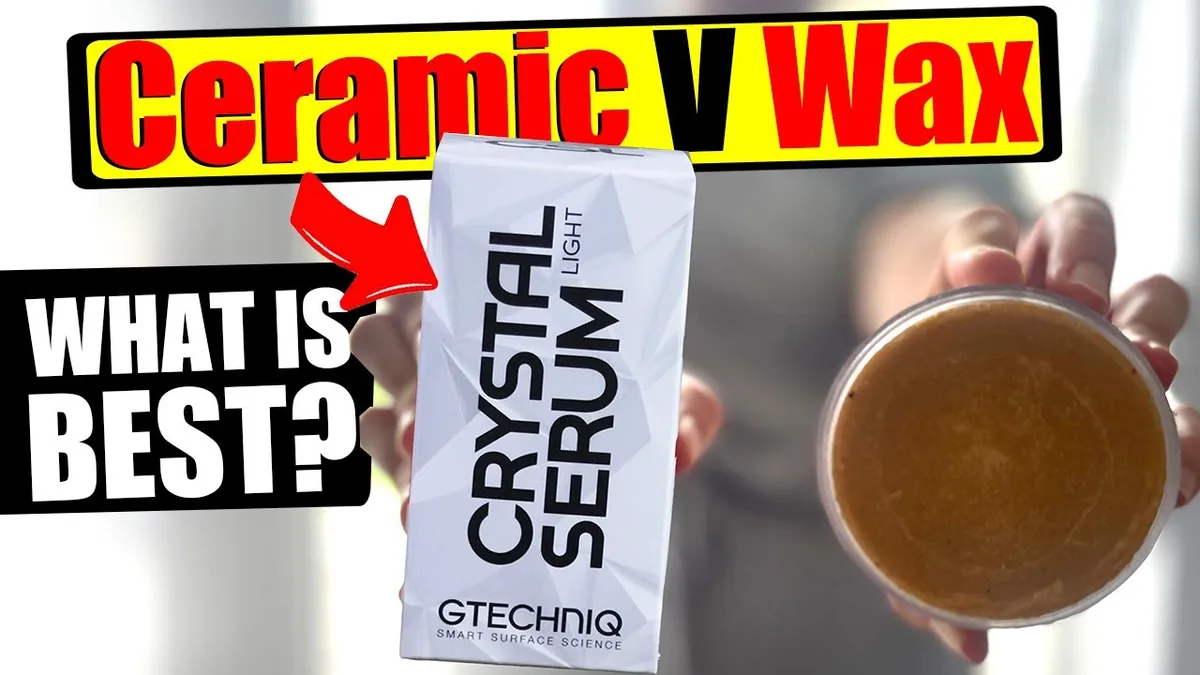
Here’s how the options stack up for protecting your car’s paint:
| Feature | Ceramic Coating | Carnauba Wax | Synthetic Sealant | Paint Protection Film (PPF) |
|---|---|---|---|---|
| Durability | 2–5 years | 1–3 months | 6–12 months | 5–10 years |
| Water Repellency | Excellent | Good | Very Good | Good (but not primary function) |
| UV Protection | Yes | Limited | Yes | Yes |
| Scratch Resistance | Mild (9H hardness) | None | None | High (physical barrier) |
| Cost | $500–$2,000+ | $20–$50 | $30–$100 | $1,500–$5,000+ |
| Application | Professional/DIY | DIY | DIY | Professional only |
Ceramic coating wins for longevity and protection, but PPF is the only option that physically shields against chips and deep scratches. Wax and sealants are cheaper and easier to apply, but they don’t last nearly as long.
For most drivers, ceramic coating strikes the best balance between cost, durability, and ease of maintenance. If you’re in an area with heavy road debris, pairing it with PPF on high-impact areas gives you the best of both worlds.
How Long Ceramic Coating Lasts (and What Shortens Its Life)
A professional-grade ceramic coating typically lasts 3, 5 years, while DIY kits usually max out at 1, 2 years. The lifespan depends on preparation, application quality, and maintenance.
Poor prep work, like skipping paint correction or not decontaminating the surface, can cut the coating’s life in half. Harsh chemicals, automatic car washes with brushes, and improper drying also degrade it faster. As of 2026, manufacturer specs confirm coatings exposed to extreme UV or salt may need reapplication sooner.
To maximize longevity, stick to pH-neutral car shampoos, use microfiber towels, and avoid parking under trees where sap and bird droppings can etch the surface. Even with perfect care, you’ll need to refresh the hydrophobic properties every 1, 2 years with a ceramic booster spray.
The Step-by-Step Process: What to Expect Before, During, and After
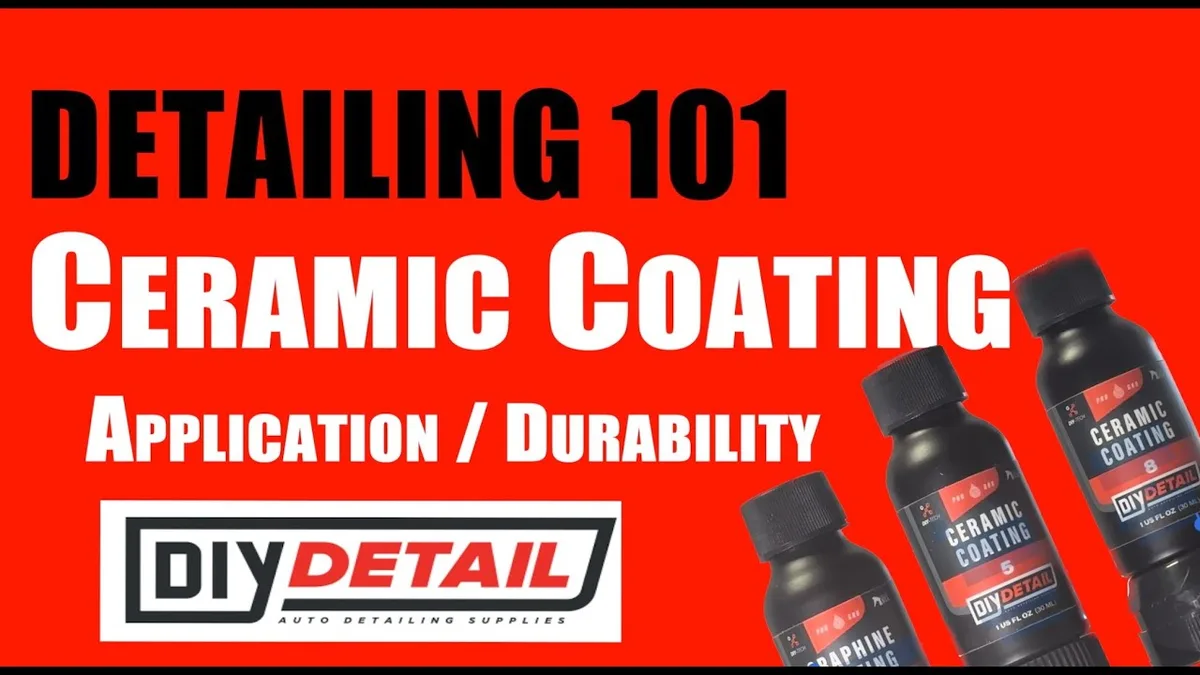
Ceramic coating isn’t a weekend DIY project unless you’re experienced. Here’s what the process entails:
Preparation
- Wash the car thoroughly with a pH-neutral shampoo.
- Use a clay bar to remove embedded contaminants.
- Perform paint correction to remove swirls and oxidation.
- Wipe down the paint with isopropyl alcohol (IPA).
Application
- Apply the coating in small sections using an applicator pad.
- Use thin layers to avoid streaks or hazing.
- Let each layer flash for 5, 15 minutes before buffing off excess.
Curing
- Avoid water for 12, 24 hours after application.
- Full curing takes 1, 2 weeks. Park in a garage or shaded area during this period.
DIY vs. Professional Ceramic Coating: Costs, Time, and Results
DIY kits cost $50, $200 and take 4, 8 hours for a single-layer application. You’ll need paint correction tools and a clean workspace. Mistakes like uneven layers can reduce durability.
Professional services run $500, $2,000+ but include multi-layer applications and paint correction. Shops use commercial-grade products that last 3, 5 years. Aggregate reviews report pros achieve better bonding and finish quality.
For most drivers, the choice comes down to budget and skill. If you’re comfortable with paint correction, DIY can work. Otherwise, a pro ensures the coating performs as advertised.
Who Should Get Ceramic Coating (and Who Should Skip It)
Ceramic coating is ideal for daily drivers in harsh climates. It resists UV damage, salt, and industrial fallout. Luxury car owners also benefit from the long-term gloss and protection.
It’s not worth it for older cars with heavy paint damage. The prep work to fix swirls and oxidation can cost more than the car’s value. Lease vehicles may not justify the upfront cost either.
If you wash your car frequently and want to cut maintenance time, the coating pays off. For weekend project cars that sit in a garage, wax or sealant may be enough.
The Hidden Downsides No One Tells You About
Ceramic coatings aren’t miracle products. They won’t prevent rock chips or deep scratches. Some brands overpromise with “lifetime” claims that don’t hold up in real-world testing.
Improper application can make things worse. Streaks, hazing, or peeling can require professional correction. Even with perfect application, water spotting can occur if minerals aren’t rinsed properly.
Maintenance isn’t optional. Using harsh soaps or automatic brush car washes can strip the coating prematurely. You’ll also need to reapply booster sprays every 6, 12 months to maintain hydrophobicity.
Maintenance Rules to Keep Your Coating Working (and What Ruins It)
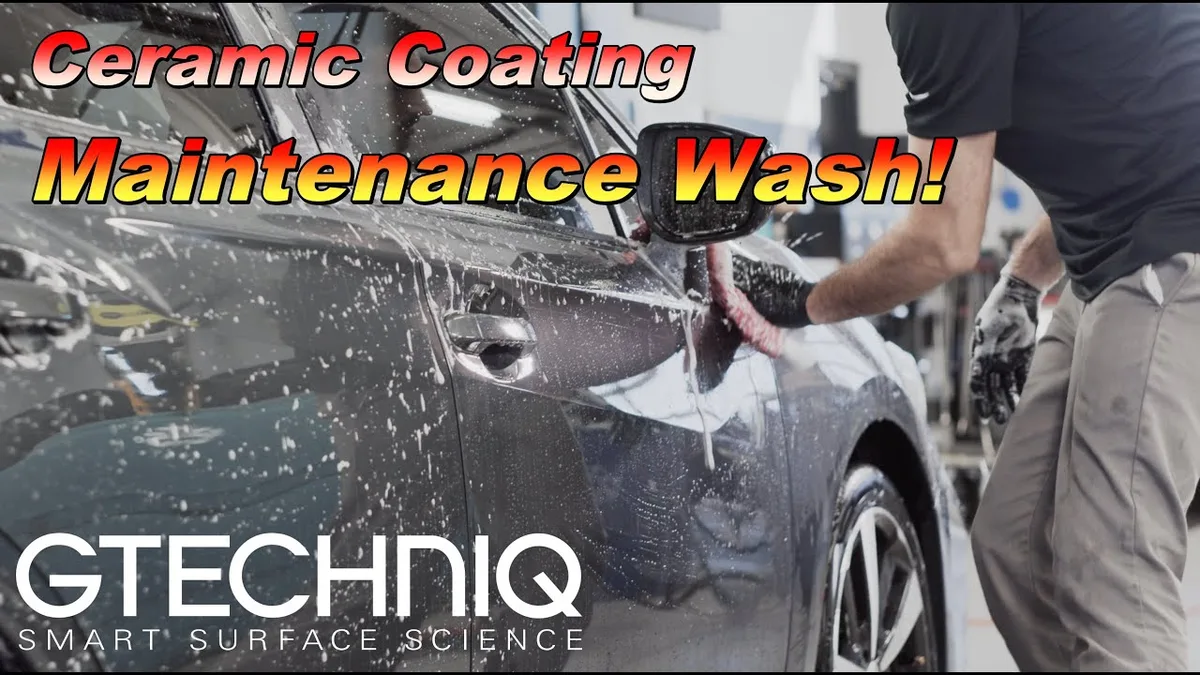
Wash your car every 2 weeks with a pH-neutral shampoo. Avoid dish soap or degreasers that break down the coating. Always use microfiber towels to prevent swirl marks.
Dry the car immediately after washing to prevent water spots. Mineral deposits can etch into the coating if left to bake in the sun. For extra protection, apply a ceramic booster spray every 6 months.
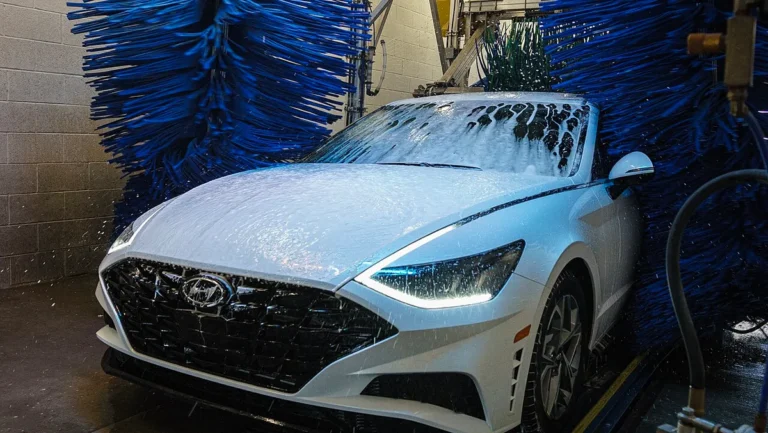
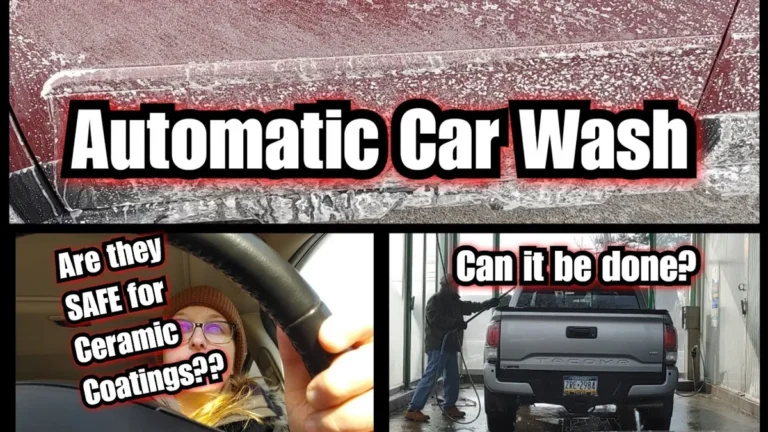
Avoid automatic car washes with brushes. The abrasive bristles can wear down the coating over time. Stick to touchless washes or hand washing for the best results.
How Much Ceramic Coating Costs (DIY Kits vs. Pro Services)
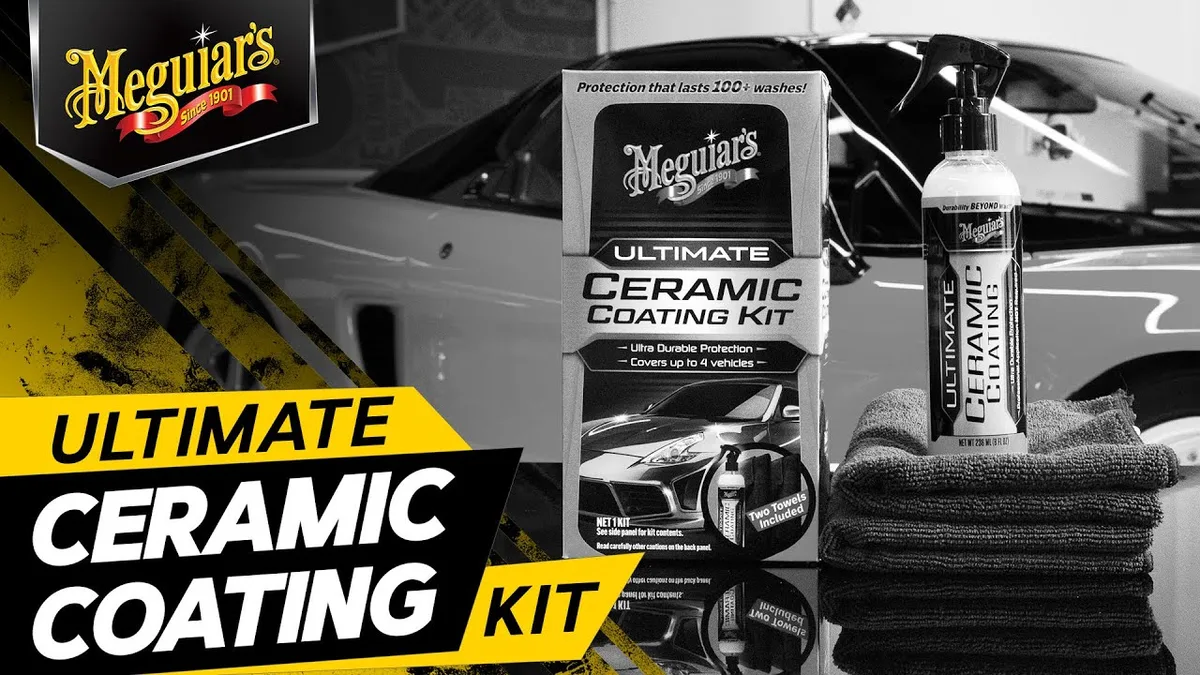
DIY kits range from $50 for a single-layer spray to $200 for a professional-grade kit. These typically cover one car and include enough product for 1, 2 applications. You’ll also need to factor in the cost of prep tools like clay bars and polish.
Professional installations start at $500 for a basic single-layer coating. Multi-layer packages with paint correction can exceed $2,000. The price varies by vehicle size, coating brand, and the shop’s labor rates.
As of 2026, manufacturer specs confirm professional coatings use higher-grade polymers that last longer. DIY products are improving but still lag behind in durability and gloss. For most drivers, the sweet spot is a mid-tier pro service at $800, $1,200.
Common Mistakes That Waste Your Money (and How to Avoid Them)
Skipping paint correction is the biggest error. Applying coating over swirls or oxidation locks in imperfections. Manufacturer specs confirm the surface must be flawless for proper bonding.
Using too much product creates streaks and hazing. Thin, even layers cure better and last longer. Always follow the product’s recommended coverage area.
Washing the car too soon after application can ruin the cure. Wait at least 12, 24 hours before exposing it to water. Full curing takes up to 2 weeks.
Ceramic Coating for Different Climates: What Changes?
In hot, sunny climates, UV resistance is critical. Ceramic coatings prevent paint fading and oxidation. Reapply booster sprays more often in extreme heat.
Cold, snowy regions bring salt and de-icing chemicals. The coating’s chemical resistance helps, but frequent washing is still needed. Avoid parking near roads where salt spray is heavy.
Humid areas increase water spotting risk. Dry the car immediately after rain or washing. Use a water filter if your tap water is hard.
Final Verdict: Should You Ceramic Coat Your Car?
Ceramic coating is worth it if you want long-term protection and easier maintenance. It outlasts wax and sealants while providing better UV and chemical resistance.
It’s not a magic solution. It won’t prevent all scratches or eliminate the need for washing. For most drivers, the benefits outweigh the costs.
If you’re on a tight budget or have an older car, a high-quality sealant may be a better short-term option. For new or high-value vehicles, professional ceramic coating is a smart investment.
Frequently Asked Questions
Does ceramic coating prevent scratches?
No, it only provides mild resistance against light swirls. Deep scratches and rock chips require paint protection film for real defense.
Can you apply ceramic coating over existing wax?
No, wax must be fully removed first. The surface needs to be clean and bare for the coating to bond properly.
How often should you reapply ceramic coating?
Professional coatings last 3, 5 years. DIY kits typically need reapplication every 1, 2 years. Booster sprays can refresh hydrophobicity every 6, 12 months.
Is ceramic coating safe for matte paint?
Yes, but use a product specifically designed for matte finishes. Regular coatings can add unwanted gloss to flat paint.
Can you wash your car after ceramic coating?
Wait 12, 24 hours before washing. Use a pH-neutral shampoo and avoid automatic brush car washes to preserve the coating.