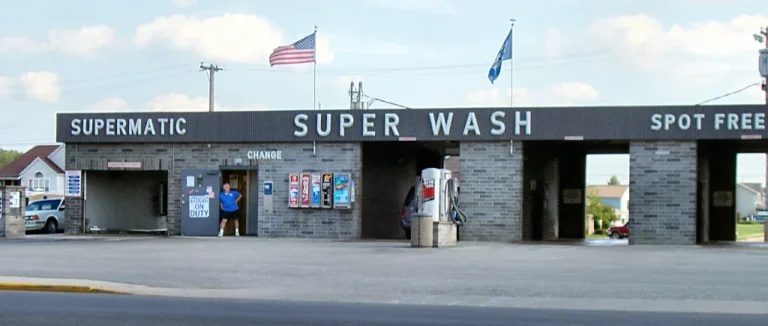
A drive-through car wash is a quick way to clean your vehicle, but it’s not always the best choice for every car. If you’ve ever wondered whether the convenience is worth the risk to your paint or sensors, you’re not alone. Most automatic washes use high-pressure water and brushes or cloth strips to remove dirt, with the whole process taking 5, 15 minutes.
Per International Carwash Association standards, the average touchless system operates at 800, 2,000 PSI. That’s enough to blast off road grime but can also cause issues if your car isn’t prepared.
Quick Answer
A drive-through car wash is safe for most vehicles if you pick the right type. Touchless systems avoid brush contact. Soft-cloth washes reduce swirl marks.
Always prep your car first. Check height and width limits.
How Drive-Through Car Washes Actually Work
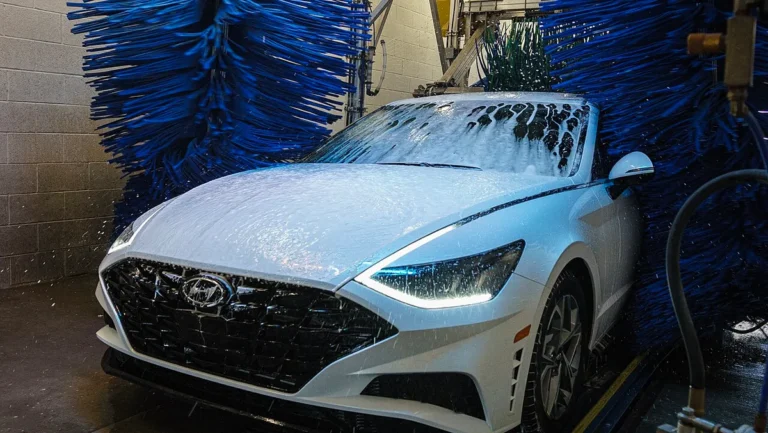
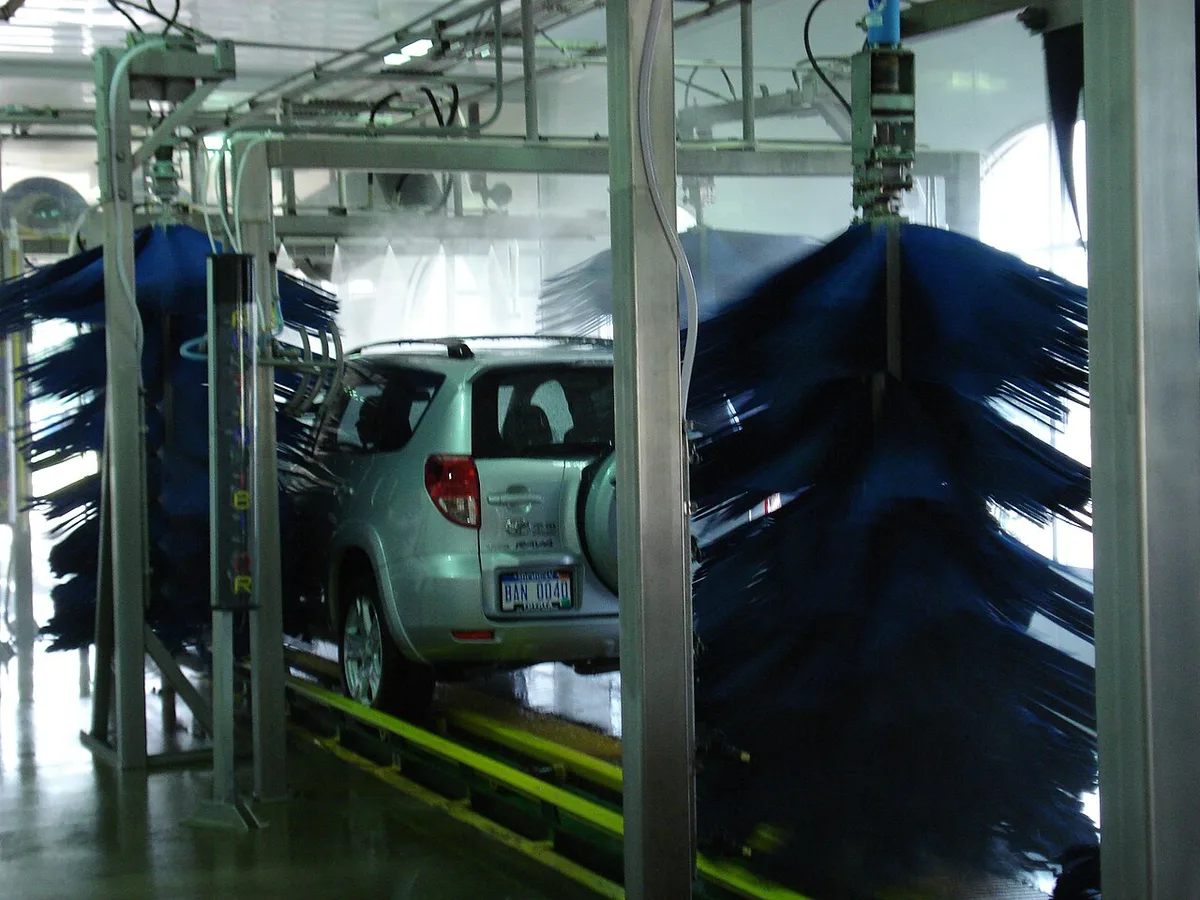
These systems rely on a conveyor belt or in-bay setup to move your car through cleaning stages. First comes a pre-soak with detergents to loosen dirt. Then high-pressure jets or rotating brushes scrub the surface.
A rinse cycle removes soap, and blowers dry the vehicle before you exit.
Manufacturer specs confirm that modern tunnels use 30, 100 gallons of water per wash, often recycled. The process is automated, but the type of wash, touchless, soft-cloth, or brush, changes how aggressive the cleaning is.
Touchless vs. Soft-Cloth vs. Brush: Which Type Is Best?
Not all drive-through washes are the same. The right choice depends on your car’s finish and your priorities.
Touchless
- Uses high-pressure water and chemicals only
- Best for delicate paint or aftermarket wraps
- Less risk of scratches but may miss stubborn grime
Soft-cloth
- Microfiber or foam strips gently scrub the surface
- Better for deep cleaning without harsh brushes
- Lower swirl risk than traditional brushes
Brush
- Stiff bristles or foam brushes for heavy dirt
- Fastest and often cheapest option
- Higher risk of paint damage over time
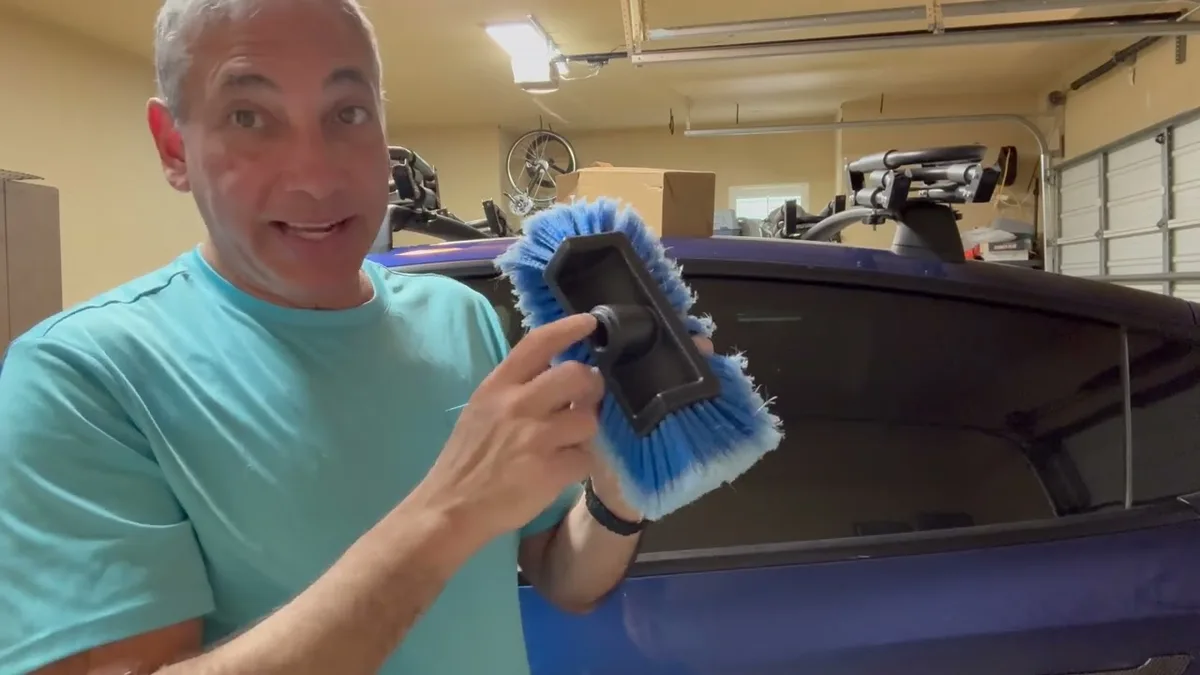
Soft-cloth systems are the middle ground for most drivers. They clean well without the abrasion of brushes. Touchless is ideal for high-end finishes, while brush washes suit older, heavily soiled vehicles.
What to Do Before You Enter the Car Wash
A little prep prevents most problems. Start by removing loose items like antenna balls, roof racks, or magnetic signs. Fold in side mirrors if your vehicle is wide.
Close all windows, sunroofs, and convertible tops to avoid water damage inside.
Check your tire pressure too. Low pressure can cause misalignment on the conveyor, leading to uneven movement or even getting stuck. As of 2026, most tunnels have a height limit of 7, 8 feet and a weight limit under 10,000 lbs.
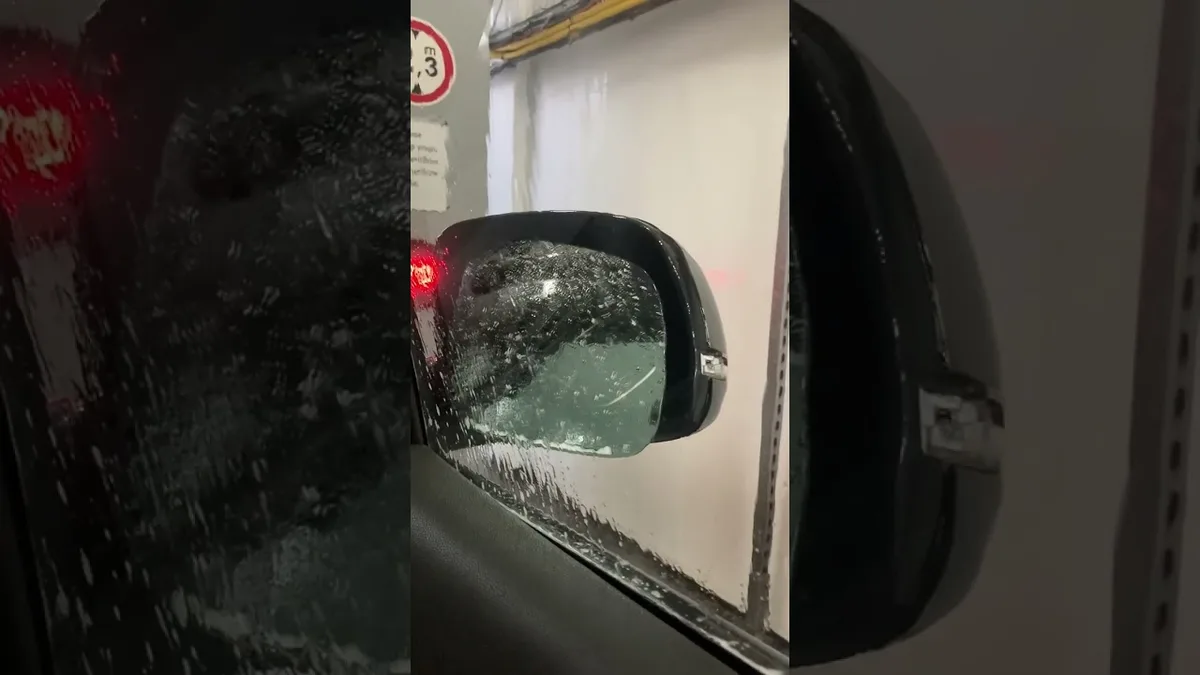
If your car has aftermarket parts like a lift kit or wide tires, verify compatibility with the wash operator. Some systems can’t accommodate modified vehicles.
The Risks: What Can Go Wrong (And How to Avoid It)
Even with prep, things can go wrong. The most common issue is paint swirls or scratches from brushes, especially on darker or metallic finishes. Touchless systems avoid this but may leave water spots if the drying step isn’t thorough.
Sensors can also be a problem. Modern cars have cameras and radar for driver aids, and high-pressure water can sometimes trigger false warnings or, in rare cases, damage the housing. Always check your owner’s manual for wash recommendations.

Undercarriage washes are great for removing salt and grime, but they can accelerate rust if the protective coating is already compromised. The EPA notes that some car washes use chemicals that may not be eco-friendly, so look for facilities with water recycling systems.
Who Should (and Shouldn’t) Use a Drive-Through Car Wash
Drive-through washes work well for daily drivers with standard paint and no aftermarket modifications. They’re ideal for busy commuters who need a fast, consistent clean without the hassle of hand washing.
Avoid them if your car has a fresh ceramic coating, matte finish, or delicate vinyl wraps. These require gentler methods. Modified vehicles with lift kits, wide tires, or low clearance may not fit the conveyor system.
Cost Breakdown: What You’re Paying For
| Service Level | Price Range | Typical Features |
|---|---|---|
| Basic | $10–$15 | Pre-soak, wash, rinse |
| Mid-tier | $15–$20 | Adds wax, undercarriage clean |
| Premium | $20–$30 | Rain repellent, interior vacuum |
| Membership | $5–$15 per wash | Unlimited washes, often with premium upgrades |
Memberships make sense if you wash your car weekly. Single washes are better for occasional use.
Drive-Through vs. Hand Wash vs. Self-Serve: Which Wins?
Drive-through
- Fastest option
- Consistent results
- Limited control over process
Hand wash
- Most thorough cleaning
- Gentle on paint and finishes
- Time-consuming and expensive
Self-serve
- Full control over pressure and chemicals
- Lower cost per wash
- Requires physical effort
For most people, drive-through washes offer the best balance of speed and effectiveness. Hand washing is better for showroom-quality results. Self-serve works if you enjoy the process and have the time.
Pro Tips to Get the Best Results Every Time
Pick the right wash type for your car’s needs. If you have a dark or metallic finish, opt for soft-cloth or touchless to avoid swirls.
Time your visit for off-peak hours to avoid long lines. Early mornings or weekdays are usually quieter. Always check the wash’s height and width limits before entering.
When to Skip the Car Wash and Do It Yourself
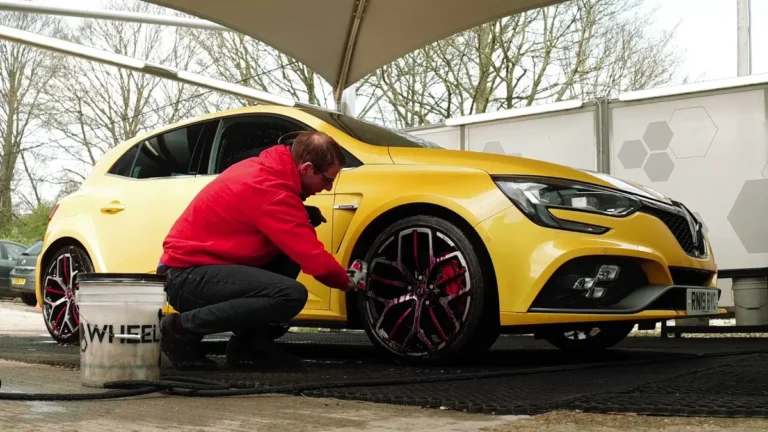
Hand washing is the better choice for cars with special finishes or aftermarket parts. It’s also ideal if you notice the automatic wash missed spots or left water marks.
DIY washing lets you use pH-balanced soaps and microfiber towels for a gentler clean. It’s more work but gives you full control over the process. Reserve drive-through washes for quick cleanups between deeper hand washes.
Frequently Asked Questions
Is a drive-through car wash safe for my paint?
Yes, if you choose the right type. Touchless and soft-cloth systems are gentler than brush washes. Always prep your car by removing loose items and folding mirrors.
How often should I use an automatic car wash?
Once every two weeks is ideal for most daily drivers. More frequent washes can help in winter to remove salt buildup. Less often is fine if you hand wash in between.
Can I take a lifted truck through a car wash?
Check the wash’s height and width limits first. Many tunnels can’t accommodate lifts over 6 inches. Self-serve bays are often a better fit for modified trucks.
Do car washes damage sensors?
High-pressure water can sometimes trigger false warnings. Modern systems are generally safe, but check your owner’s manual for specific guidance. Parking sensors are more vulnerable than cameras.
What should I do if my car gets stuck in a car wash?
Stay calm and follow the attendant’s instructions. Turn off your engine and put the car in neutral. Never try to force your way out.
Are car wash memberships worth it?
If you wash your car weekly, a membership can save money. For occasional use, single washes are more cost-effective. Compare the per-wash price with and without a membership.