ByMax Lee
Master the Self-Serve Car Wash in 5 Easy Steps
Self-serve car washes give you control over the cleaning process without the cost of a full-service detail. If you’ve ever wondered how to use a self serve car wash, the key is working in sections and using the right tools for each step. Most bays offer pressure washers, foam brushes, and spot-free rinses to get the job done efficiently.
As of 2026, the average session runs 5, 15 minutes and uses about 20, 40 gallons of water, far less than washing at home. The trick is knowing the order of operations to avoid swirl marks or missed spots.
Quick Answer
Start by rinsing loose dirt. Apply pre-soak or soap next. Scrub with a foam brush top to bottom.
Rinse thoroughly. Dry with a microfiber towel.
Wikimedia Commons / Rutiknatekar (CC BY-SA)
Quick Answer: How to Use a Self-Serve Car Wash in 5 Steps
Rinse off loose dirt first. Apply pre-soak or soap to break down grime. Scrub with a foam brush from top to bottom.
Rinse all soap residue completely. Dry with a microfiber towel to prevent water spots.
Why Use a Self-Serve Car Wash (And When to Avoid It)
Self-serve car washes are ideal for quick cleanups between professional details. They’re cost-effective, typically $5, $15 per session, and give you control over the process. You can focus on problem areas like bug splatter or road salt without paying for a full service.
Avoid them if your car has a matte finish or vinyl wrap. Abrasive brushes can damage these surfaces. Also skip the self-serve bay if you’re short on time.
Most sessions cut off after 15 minutes.
What You’ll Find at a Self-Serve Car Wash Bay
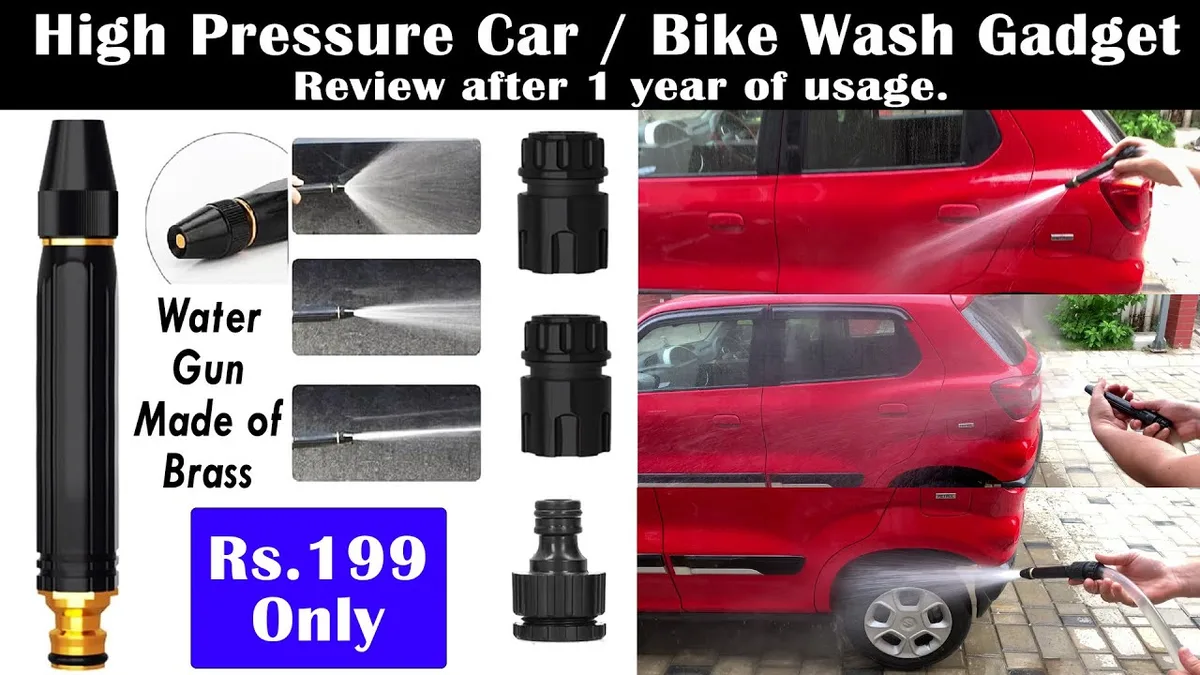
Every bay has the basics: a pressure washer, foam brush, and soap dispenser. Most also include a spot-free rinse option, which uses deionized water to prevent mineral deposits. You’ll usually find a vacuum station for interior cleanup, though it may require separate payment.
Pressure washers typically range from 800 to 2,000 PSI. Higher pressure isn’t always better. Delicate paint or trim can be damaged if you’re not careful.
The foam brush is usually on a retractable hose, so you can reach the roof and lower panels easily.
YouTube / Agurchand Babu Subramanian (YouTube thumbnail (fair-use with source credit))
Step-by-Step: The Right Way to Wash Your Car
Prep Work Before You Start
Remove loose items like antennas or roof racks. Check for existing damage, like chips or cracks, that could worsen with high pressure. Pre-rinse the car to knock off loose dirt.
This prevents scratching when you scrub.
If your car has heavy grime, use the pre-soak function first. This step loosens stubborn dirt so the soap can work more effectively. Manufacturer specs for most car wash soaps recommend a 30-second dwell time before scrubbing.
Remove loose items like antennas or roof racks. Check for existing damage, like chips or cracks, that could worsen with high pressure. Pre-rinse the car to knock off loose dirt.
This prevents scratching when you scrub.
If your car has heavy grime, use the pre-soak function first. This step loosens stubborn dirt so the soap can work more effectively. Manufacturer specs for most car wash soaps recommend a 30-second dwell time before scrubbing.
Washing: Top to Bottom, Section by Section
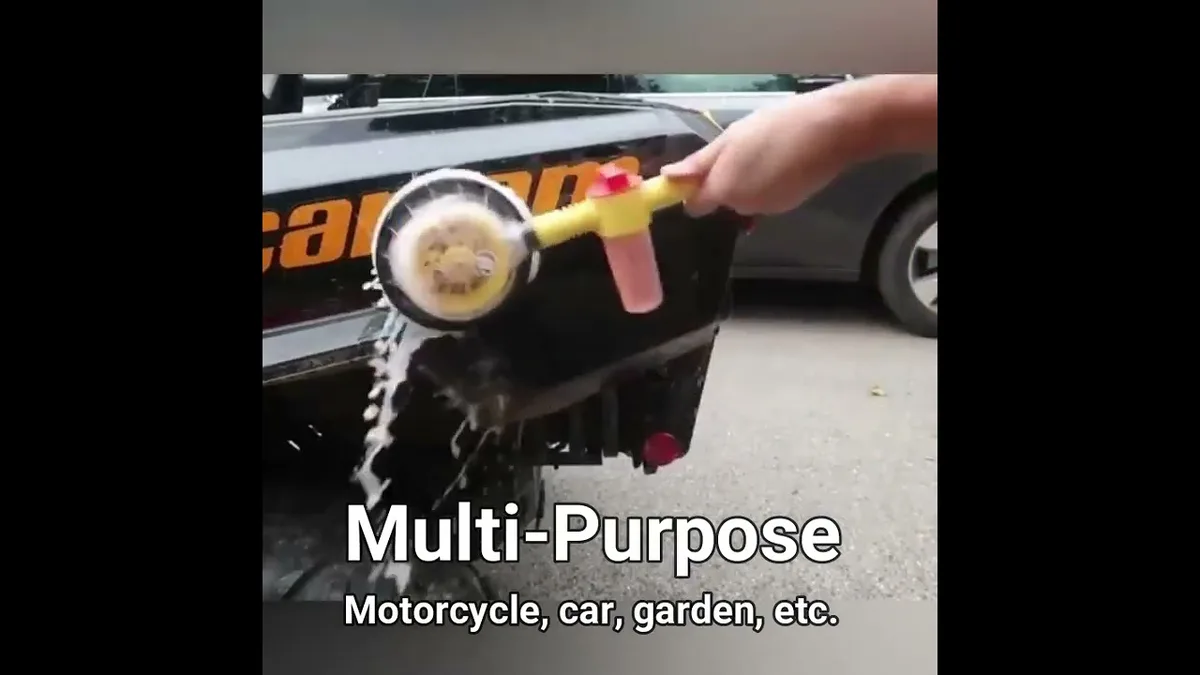
Start at the roof and work your way down. This prevents dirty water from dripping onto already-cleaned areas. Use the foam brush in straight lines, not circles, to avoid swirl marks.
Apply soap in sections, one panel at a time. If the soap starts drying before you rinse, reapply. Dried soap can leave streaks.
For wheels and tires, use a separate brush if available, as they often need more aggressive cleaning.
YouTube / Toppinggoods (YouTube thumbnail (fair-use with source credit))
Rinsing Like a Pro (No Soap Streaks Left Behind)
Use the high-pressure nozzle to blast off all soap residue. Start at the top and work downward to avoid re-soiling clean areas. If your bay has a spot-free rinse option, use it last.
This prevents mineral deposits that cause water spots.
Hold the nozzle 12, 18 inches from the surface. Any closer and you risk damaging paint or stripping wax. Any farther and the pressure won’t be effective.
Drying Without Water Spots
YouTube / Motor Mastery (YouTube thumbnail (fair-use with source credit))
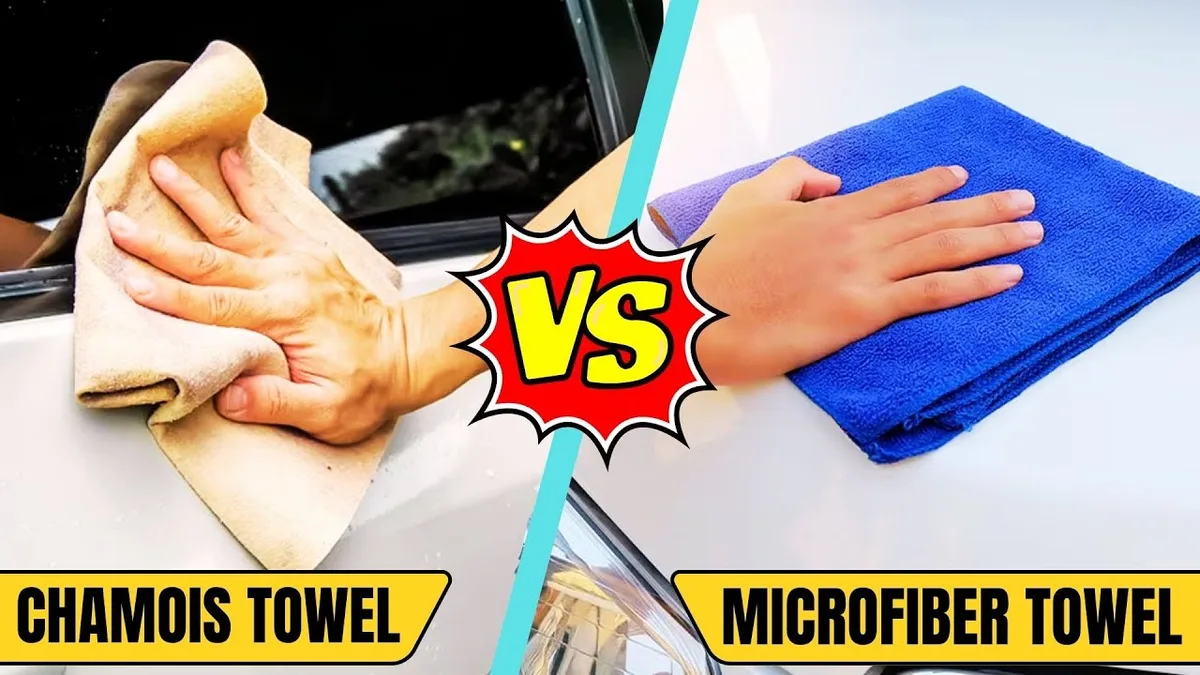
Use a clean microfiber towel to dry the car immediately after rinsing. Work in straight lines, not circles, to avoid swirl marks. Open doors and hoods to dry jams and seams where water collects.
If your bay has an air blower, use it to remove water from crevices. Never let the car air-dry in direct sunlight. This causes water spots and streaks.
Common Mistakes That Ruin Your Paint (And How to Avoid Them)
Using a dirty brush spreads grit that scratches clear coat. Always rinse the brush before applying it to your car. If the brush looks worn or caked with old soap, skip it and use the pressure washer instead.
Applying soap to a dry surface wastes product and leaves residue. Pre-rinse first, then apply soap while the surface is still wet. Letting soap dry on the paint creates streaks that are hard to remove.
Self-Serve vs. Automatic vs. Hand Wash: Which Should You Use
Self-serve is best for quick, targeted cleaning on a budget. You control the pressure and can focus on problem areas. It’s also the most eco-friendly option, using less water than home washing.
Automatic car washes are faster but less thorough. They’re good for a basic clean when you’re short on time. However, the brushes can be harsh on paint over time.
Hand washing at home gives the best results but requires space, equipment, and time. It’s ideal for detail-oriented owners who want a showroom finish. Just be mindful of water usage and local regulations.
Cost Breakdown: What to Expect at the Pump
Most self-serve car washes charge $5, $15 per session. The price varies by location and features like hot water or spot-free rinse. Some bays offer discounts for multiple washes or memberships.
Payment is usually coin-operated or card-based. Bring exact change if the machine doesn’t accept bills. Sessions are timed, so work efficiently to get the most out of your money.
Pro Tips for a Showroom Shine Every Time
Use the pre-soak function for heavy dirt or salt buildup. This saves time and soap. Work in the shade if possible.
Direct sunlight causes soap to dry too quickly.
For extra shine, apply a spray wax after rinsing. Many self-serve bays offer this as an add-on. Always dry the car completely to prevent water spots.
Safety & Etiquette: Rules the Regulars Follow
Wear closed-toe shoes. Floors can be slippery. Avoid pointing the nozzle at people or animals.
The high pressure can cause injury.
Don’t hog the bay. If others are waiting, keep your session under the time limit. Clean up after yourself.
Leave the area tidy for the next user.
Frequently Asked Questions
How long does a self-serve car wash take?
Most sessions last 5, 15 minutes. The exact time depends on the bay and how thorough you are. Work efficiently to finish within the allotted time.
Can I use household soap in a self-serve car wash?
No. Household detergents can strip wax and damage paint. Always use the soap provided at the bay.
It’s formulated for automotive surfaces.
Is a self-serve car wash safe for my car’s paint?
Yes, if you use the right techniques. Avoid high pressure on delicate areas. Use clean brushes and rinse thoroughly to prevent damage.
What’s the best way to dry my car after washing?
Use a clean microfiber towel. Work in straight lines to avoid swirl marks. Open doors and hoods to dry hard-to-reach areas.
How often should I use a self-serve car wash?
Every 2 weeks is ideal for most drivers. More often if you drive in harsh conditions like salt or heavy pollen. Regular washing protects your paint and finish.