ByMax Lee
Best Car Wash for Auto Paint Protection
Title: Best Car Wash for Auto Paint Protection
Comparison of car wash methods and their impact on auto paint longevity
Bing (Web (fair-use with source credit))
Your car’s paint takes a beating every day from dirt, UV rays, and road grime. Choosing the best car wash for auto paint protection can mean the difference between a glossy finish and a dull, scratched surface. The wrong method can strip wax, leave swirl marks, or even damage the clear coat over time.
According to International Carwash Association standards, even a single improper wash can remove up to 0.1 mils of clear coat. That adds up fast. So what actually works best for long-term protection? For more on this, see our guide on best automatic car wash for safe paint protection.
Quick Answer
The best car wash for auto paint protection is a hand wash with pH-balanced soap and microfiber mitts. Touchless washes are the safest automatic option. Soft-cloth washes are gentler than brush types.
Avoid automatic brush car washes for delicate paint. Regular washing prevents buildup that damages the finish.
Why the Right Car Wash Matters for Your Paint
Your car’s clear coat is only about 1.5 to 2 mils thick. That’s thinner than a human hair. Every wash either preserves it or wears it down.
Harsh brushes, dirty sponges, and low-quality detergents create micro-scratches called swirl marks. These don’t just look bad. They weaken the paint’s ability to reflect light and resist contaminants.
Over time, this leads to fading, oxidation, and a dull appearance. Manufacturer specs from 3M and Meguiar’s confirm that proper washing extends the life of both factory and aftermarket paint jobs.
How Car Washes Affect Auto Paint (The Good and the Bad)
Not all car washes are created equal. The method you choose directly impacts your paint’s longevity.
Good effects:
Removes abrasive dirt that can scratch the surface
Prevents contaminants like bird droppings or tree sap from etching the clear coat
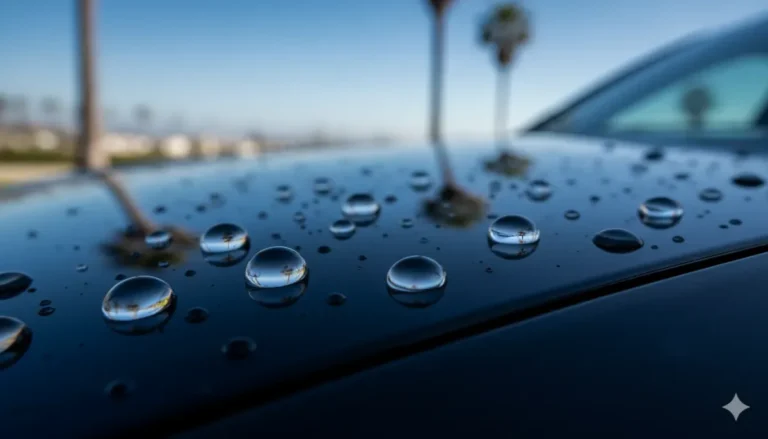
Maintains hydrophobic properties if using wax or sealant
Bad effects:
Automatic brushes can trap dirt and drag it across the paint
High-alkaline soaps strip protective wax or ceramic coatings
Improper drying leaves water spots that etch into the finish
A study by the Society of Automotive Engineers found that automatic brush washes can cause measurable clear coat thinning after just 20 washes. That’s why method matters as much as frequency.
Touchless vs. Soft-Cloth vs. Hand Wash: How They Compare
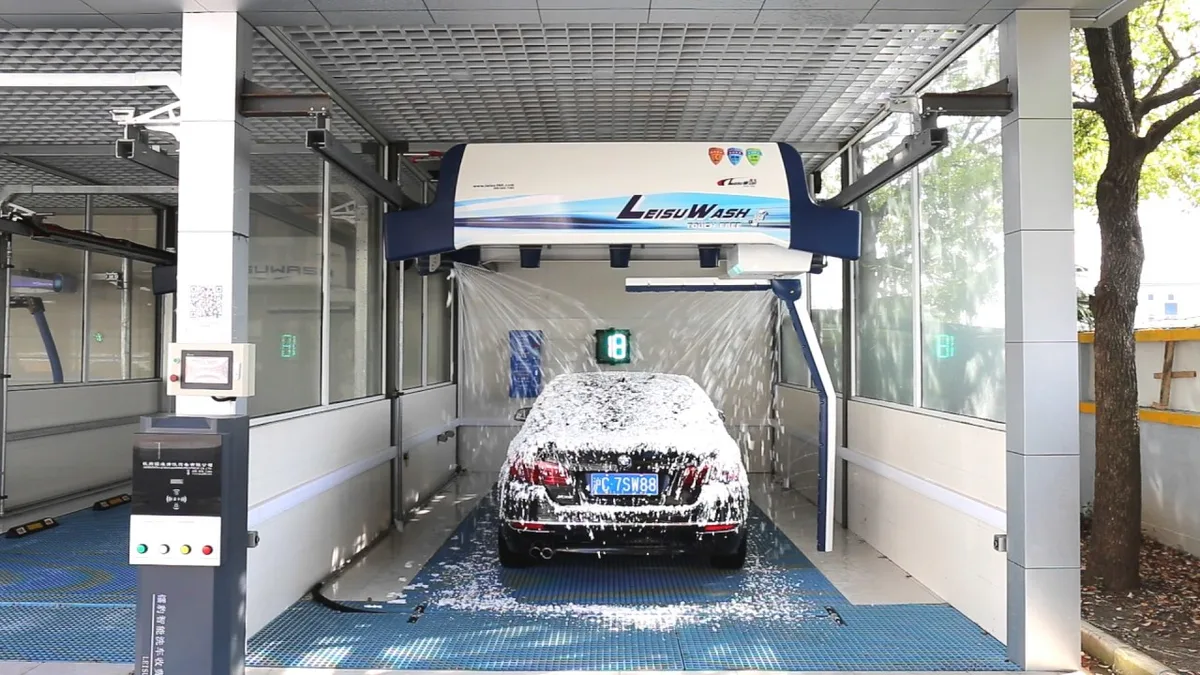
Touchless car wash using high-pressure jets to clean without physical contact
Wikimedia Commons / Sulfur at English Wikipedia (CC BY-SA)
| Method | Pros | Cons | Best For |
|---|---|---|---|
| Touchless | No physical contact, fast, good for light dirt | Less thorough, may miss stubborn grime | Daily drivers, quick cleanups |
| Soft-cloth | Gentler than brushes, better cleaning | Still some friction risk, costlier | Regular maintenance, moderate dirt |
| Hand wash | Most thorough, customizable, safest | Time-consuming, higher cost | Enthusiasts, luxury cars, paint correction prep |
Touchless car washes use high-pressure water and detergents to clean without brushes. They’re the safest automatic option for paint but may not remove heavy dirt. Soft-cloth washes use fabric strips that are gentler than traditional brushes but can still pick up debris.
Hand washing is the gold standard. It lets you control the pressure, tools, and products. In practice, detailers find that two-bucket hand washes with grit guards reduce swirl marks by up to 90% compared to single-bucket methods. For those using foam cannons, a reliable machine and the correct fluid level of pH-balanced soap are key to avoiding streaks and residue.
The DIY Approach: Can You Wash Your Car Better at Home?
Yes, but only if you use the right technique. A DIY wash with proper tools often outperforms commercial automatic washes for paint protection.
You’ll need:
pH-balanced car shampoo (not dish soap)
Two buckets with grit guards
Microfiber wash mitts (not sponges)
A high-quality drying towel or blower
The two-bucket method keeps dirt out of your soap water. One bucket holds clean, soapy water. The other holds clean rinse water for your mitt.
This prevents reapplying dirt to the paint.
Aggregate reviews from detailing forums show that DIY washes maintain gloss better over time. They also let you apply paint protection products like wax or ceramic boosters immediately after washing. For owners of dark-colored vehicles, understanding how different finishes react to washing methods can prevent common issues like visible swirls.
Automatic Car Washes: When They’re Safe (and When They’re Not)
Automatic brush car washes are the riskiest for paint. The rotating brushes often trap dirt and drag it across the surface. This creates swirl marks and accelerates clear coat wear.
Soft-cloth automatics are a safer middle ground. They use fabric strips instead of stiff brushes. Still, they’re not as gentle as a hand wash.
Touchless automatics are the safest automatic option. They rely on high-pressure water and detergents. No physical contact means no scratches.
But they may struggle with heavy mud or road tar. For better results at home, using a hose filter can remove impurities that might otherwise leave spots or residue.
Best Car Wash for Different Needs and Budgets
| Need | Best Method | Cost | Time |
|---|---|---|---|
| Quick cleanup | Touchless automatic | $10–$20 | 5–10 min |
| Regular maintenance | Soft-cloth automatic | $15–$25 | 10–15 min |
| Paint protection focus | Hand wash (DIY or pro) | $20–$150 | 30–120 min |
| Heavy dirt/off-road | Self-service pressure wash | $5–$15 | 20–40 min |
Daily drivers benefit from frequent touchless or soft-cloth washes. Enthusiasts should stick to hand washing for long-term paint health. Budget-conscious owners can use self-service bays with the right technique.
Step-by-Step: How to Wash Your Car Without Damaging Paint
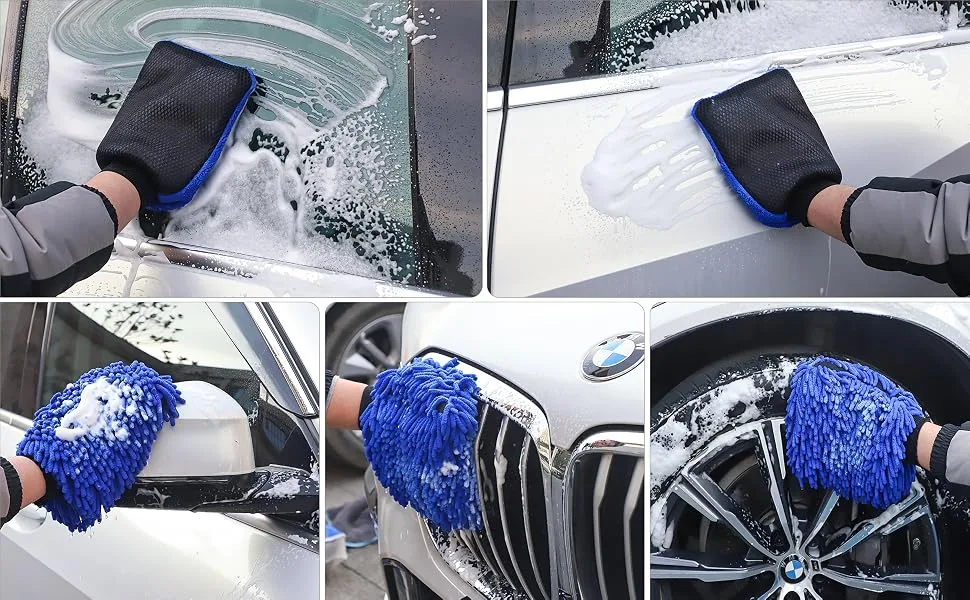
Microfiber wash mitt designed to lift dirt without scratching paint
Bing (Web (fair-use with source credit))
Prep:
Rinse the car thoroughly to remove loose dirt. Park in the shade to prevent soap from drying too quickly.
Wash:
Use a microfiber mitt and pH-balanced soap. Work in sections from top to bottom. Rinse the mitt in the clean water bucket after each pass.
Dry:
Pat dry with a clean microfiber towel. Or use a blower for a touch-free finish. Never let the car air-dry in direct sunlight.
Common Mistakes That Ruin Your Paint (And How to Avoid Them)
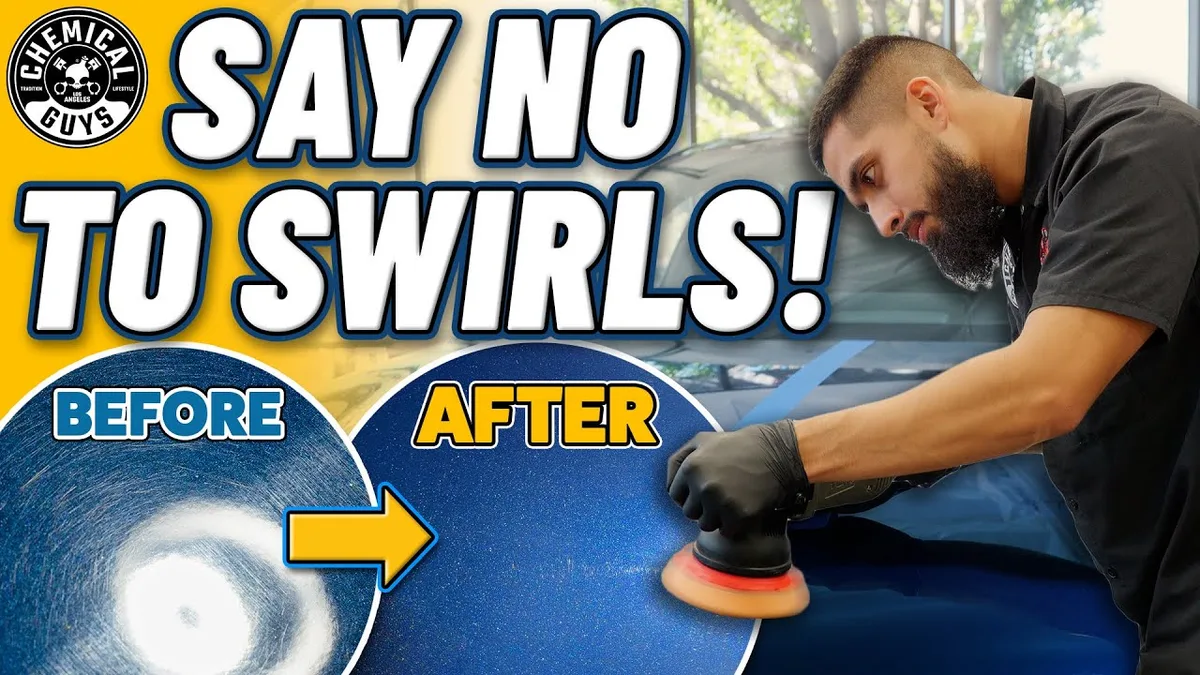
Swirl marks caused by improper washing techniques on car paint
Bing (Web (fair-use with source credit))
Washing in direct sunlight causes soap to dry too fast. This leaves streaks and water spots. Always wash in the shade or on cloudy days.
Using a single bucket spreads dirt back onto the paint. The two-bucket method prevents this. One for soap, one for rinsing the mitt.
Dirty or low-quality towels scratch the surface. Invest in high-quality microfiber. Wash and replace them regularly.
A common mistake is reusing a mitt that’s dropped on the ground—always rinse it thoroughly or switch to a clean one to avoid introducing new abrasives.
Hard Water, Salt, and Other Paint Enemies (And How to Fight Them)
Hard water leaves mineral deposits that etch into clear coat. These spots are tough to remove once they form. Use a water softener or filtered water for final rinses.
Road salt in winter accelerates corrosion and paint damage. Rinse it off as soon as possible. A thorough undercarriage wash helps prevent long-term harm.
Bird droppings and tree sap are acidic. They can eat through clear coat in as little as 24 hours. Remove them immediately with a dedicated cleaner.
For areas with hard water, a final rinse with distilled water can prevent mineral buildup. In coastal regions, salt air requires more frequent washing to avoid corrosion.
Cost Breakdown: What You’ll Pay for Each Method
Touchless washes cost $10 to $20 per session. They’re the most budget-friendly automatic option.
Soft-cloth washes run $15 to $25. The extra cost covers gentler materials and often includes undercarriage cleaning.
Hand washes at a detail shop start around $50. Full service with wax or sealant can exceed $150. DIY hand washing costs $20 to $50 in supplies upfront but saves money long term.
Self-service bays charge $5 to $15. You control the time and pressure but need to bring your own supplies for best results.
Pro Tips to Extend Your Paint’s Life Between Washes
Apply a spray wax or quick detailer after each wash. This adds a sacrificial layer of protection.
Use a clay bar every 3 to 6 months. It removes embedded contaminants that washing can’t. Always follow with wax or sealant.
Park in a garage or under a cover. UV rays break down paint over time. Even a basic car cover reduces sun damage.
Regularly inspect your paint for early signs of oxidation or fading. Addressing these issues early can prevent more extensive damage later.
Additional Paint Protection Strategies
Ceramic Coatings and Sealants
Ceramic coatings provide long-lasting protection by creating a hydrophobic layer that repels water, dirt, and contaminants. They can last anywhere from 2 to 5 years, depending on the product and maintenance. Sealants, while not as durable, offer a cost-effective alternative with easier application and reapplication every 6 to 12 months.
Paint Protection Film (PPF)
For high-impact areas like the front bumper, hood, and fenders, paint protection film (PPF) is a transparent urethane layer that absorbs impacts from road debris. PPF is self-healing, meaning minor scratches disappear with heat exposure. It’s a more expensive option but ideal for preserving showroom-quality paint.
Regular Maintenance Schedule
- Weekly: Rinse off loose dirt and debris.
- Bi-weekly: Full wash with pH-balanced soap.
- Monthly: Apply a quick detailer or spray wax.
- Quarterly: Use a clay bar and reapply wax or sealant.
- Annually: Inspect for chips, scratches, or fading and address as needed.
Environmental Considerations for Car Washing
Water conservation is important, especially in drought-prone areas. Using a pressure washer with a foam cannon can reduce water usage by up to 70% compared to a traditional hose. Additionally, opt for biodegradable soaps to minimize environmental impact. If washing at home, consider using a water reclamation system or washing on a permeable surface to prevent runoff.
How to Choose a Professional Detailer
If you prefer to leave it to the experts, selecting the right detailer is crucial. Look for:
- Reputation: Check reviews and ask for recommendations from car enthusiasts.
- Products Used: Ensure they use pH-balanced soaps, high-quality microfiber towels, and reputable wax or sealant brands.
- Techniques: Confirm they employ safe methods like the two-bucket system and grit guards.
- Certifications: Some detailers are certified by organizations like the International Detailing Association, which can be a mark of professionalism.
FAQs About Car Washes and Paint Protection
How often should I wash my car for paint protection?
Wash every 2 weeks to prevent dirt buildup. More often if you drive in harsh conditions like salt or heavy pollen. Less frequent washes allow contaminants to bond with the paint.
Is a touchless car wash safe for ceramic coating?
Yes, touchless washes are safe for ceramic coatings. They won’t scratch or degrade the coating. Avoid brush washes as they can wear down the hydrophobic layer over time.
Can I use dish soap to wash my car?
No, dish soap is too harsh. It strips wax and can damage clear coat. Always use pH-balanced car shampoo.
What’s the best way to dry my car without scratching?
Use a clean microfiber towel or a blower. Pat dry instead of rubbing. Never use a regular bath towel as it can scratch the surface.
Does washing in the sun cause damage?
Yes, washing in direct sunlight causes water spots. The heat dries soap and water too quickly. Always wash in the shade or on cloudy days.
How do I remove water spots from my car’s paint?
For fresh water spots, a quick detailer or vinegar solution (1:1 with water) can often dissolve the minerals. For etched spots, a light polish may be needed to restore the surface.
Can I wax my car after a touchless car wash?
Yes, but ensure the car is completely dry and free of any residual soap or contaminants. A touchless wash is a great prep step before applying wax or sealant.
What’s the difference between wax and sealant?
Wax provides a deep, warm shine and is typically made from natural carnauba. Sealants are synthetic and offer longer-lasting protection (up to 6 months) but may not provide the same depth of gloss.
Final Verdict: What’s the Best Car Wash for Your Paint?
Hand washing is the best for paint protection. It gives you full control over the process and products.
Touchless automatics are the safest commercial option. They’re convenient and gentle. Soft-cloth automatics are a decent middle ground.
Avoid brush automatics for delicate paint. The risk of swirl marks and clear coat damage isn’t worth the convenience.
For the best results, pair your chosen wash method with regular maintenance and protective products. Your car’s paint will thank you with a lasting, showroom-worthy shine.