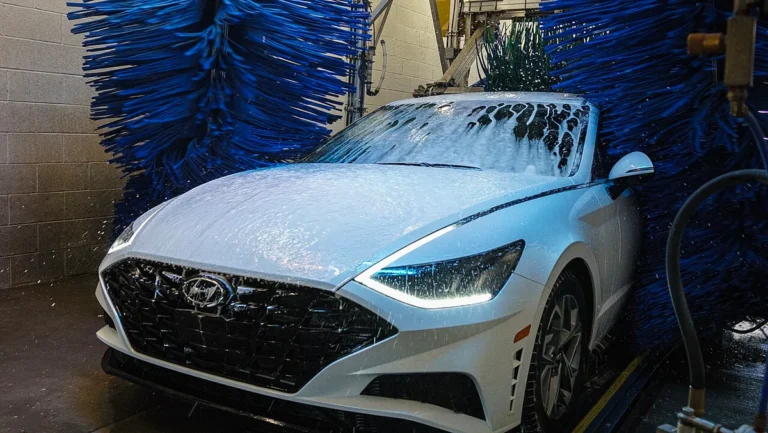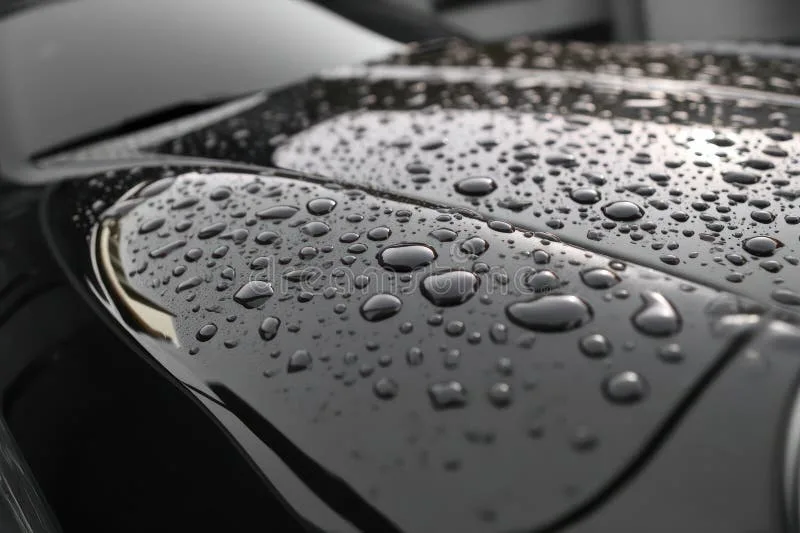
If you’ve ever wondered why use ceramic car wash on my car, the short answer is long-lasting protection. Ceramic coatings create a hard, hydrophobic layer that repels water, dirt, and contaminants far better than traditional wax or sealants.
Manufacturer specs show a properly applied ceramic coating lasts 2 to 5 years, while carnauba wax fades in weeks. That durability makes it a top pick for drivers tired of constant reapplication.
Quick Answer
Ceramic car wash uses a nano-ceramic coating to shield paint.
It lasts years, not months like wax.
Water and grime bead off instantly.
Paint stays glossier and cleaner longer.
No need for frequent reapplication.
What a Ceramic Car Wash Actually Does
A ceramic car wash isn’t just a wash, it’s a protective treatment. The process applies a liquid polymer, usually silicon dioxide (SiO2), that chemically bonds with your car’s clear coat. Once cured, it forms a hydrophobic layer that repels water, dirt, and minor contaminants.
This isn’t a magic shield against scratches or rock chips. Think of it as a long-lasting, invisible barrier that makes cleaning easier and keeps your paint looking newer. As of 2026, most professional-grade coatings also offer UV resistance to prevent oxidation and fading.
Ceramic Coating vs. Wax vs. Sealant vs. PPF: How They Compare
Not all paint protection is equal. Here’s how ceramic coatings stack up:
| Protection Type | Longevity | Hydrophobic? | Scratch Resistance | UV Protection | Cost (Professional) |
|---|---|---|---|---|---|
| Ceramic Coating | 2–5 years | Yes | Mild | Yes | $500–$2,000+ |
| Carnauba Wax | 1–3 months | Moderate | None | Minimal | $100–$300 |
| Synthetic Sealant | 4–6 months | Yes | None | Moderate | $150–$400 |
| Paint Protection Film (PPF) | 5–10 years | Yes | High | Yes | $1,500–$5,000+ |
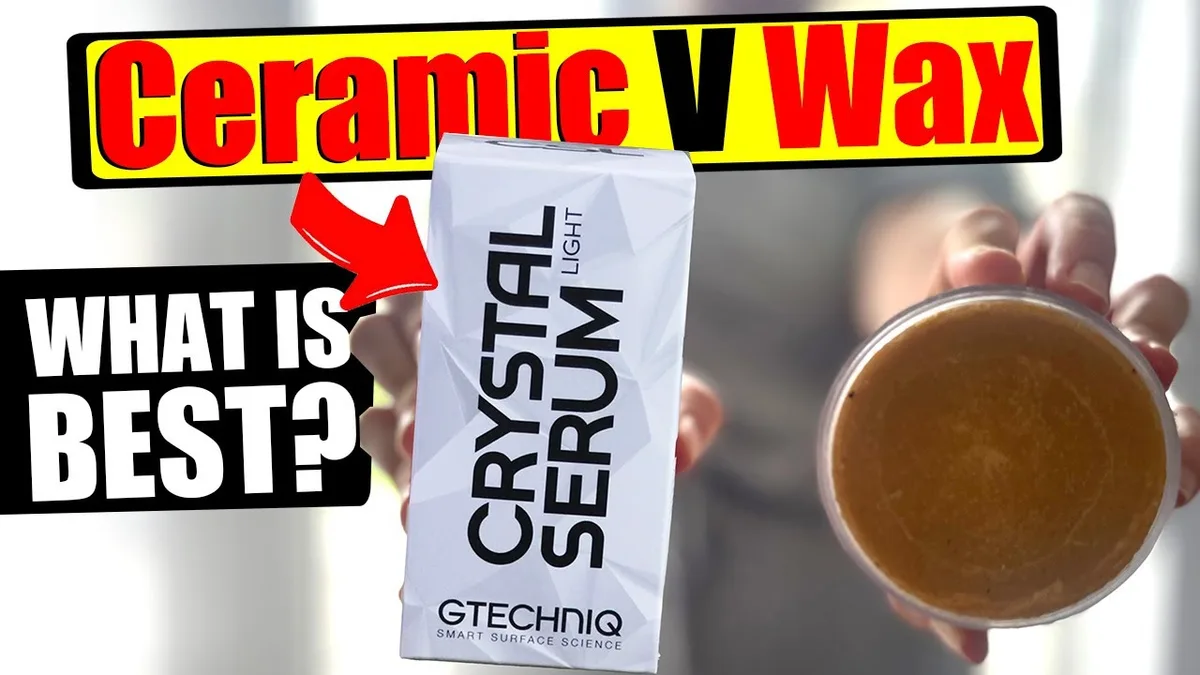
Ceramic coatings win on durability and ease of maintenance. Wax gives a deeper shine but fades fast. Sealants are a middle ground, while PPF is the heavy-duty option for physical damage.
The Real Benefits of Ceramic Coating
Ceramic coatings solve real problems. The hydrophobic effect means water beads up and rolls off, taking dirt with it. This makes washing your car faster and reduces water spotting.
UV resistance is another major perk. According to SAE International, prolonged sun exposure can cause paint to oxidize and fade. A ceramic coating blocks harmful UV rays, keeping your car’s finish vibrant longer.
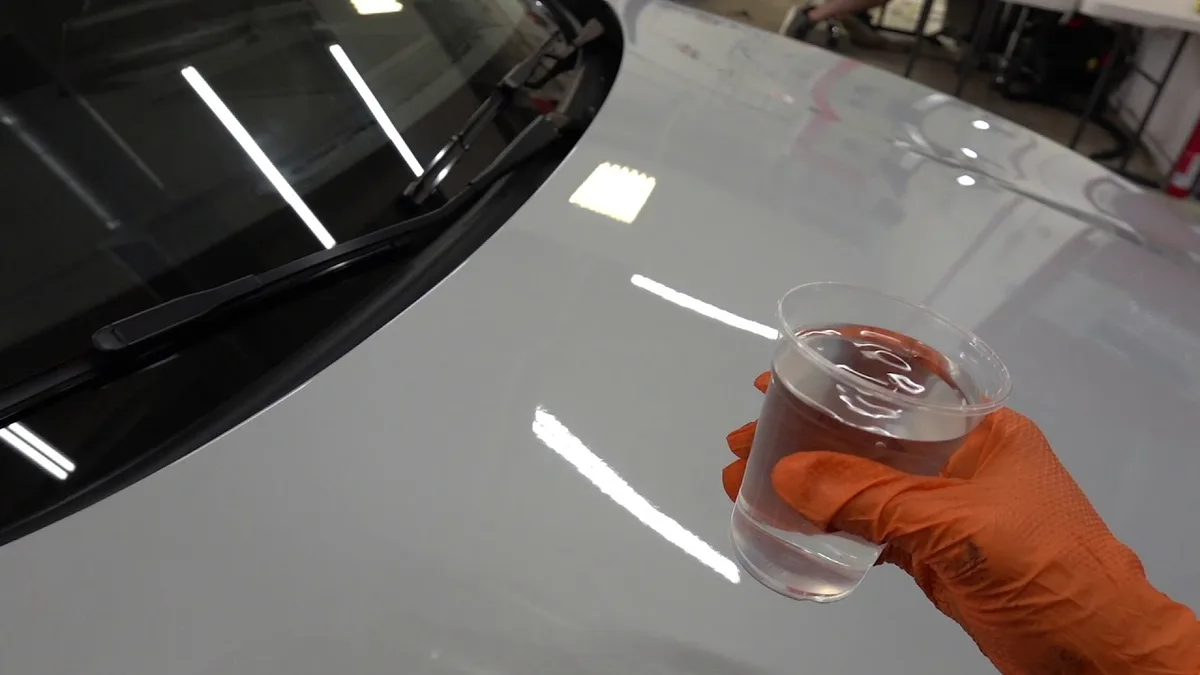
You’ll also notice less dust and grime sticking to the surface. That means fewer washes and less wear on your paint over time.
The Downsides You Should Know Before Committing
Ceramic coatings aren’t perfect. The upfront cost is the biggest hurdle, professional application can run into the thousands. DIY kits are cheaper but require precision.
A bad application can leave streaks or hazing.
Preparation is non-negotiable. Your car’s paint must be corrected and decontaminated before application. Skip this step, and the coating won’t bond properly.
Manufacturer specs also warn that ceramic coatings don’t prevent rock chips or deep scratches, only paint protection film handles that.
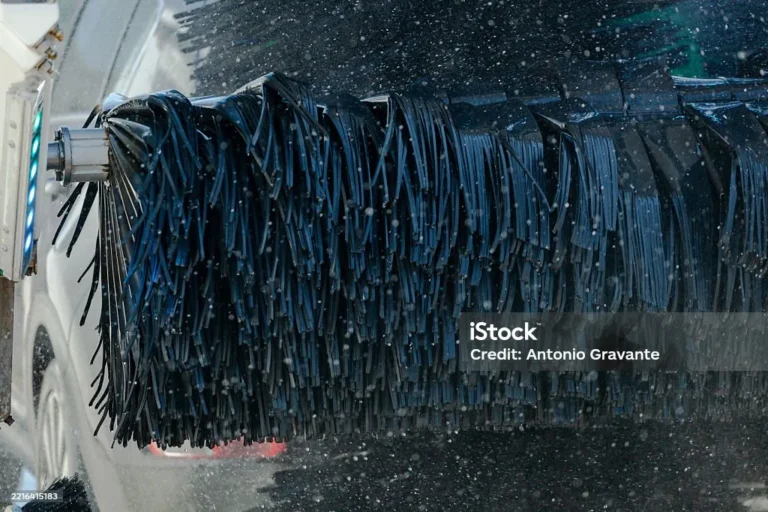
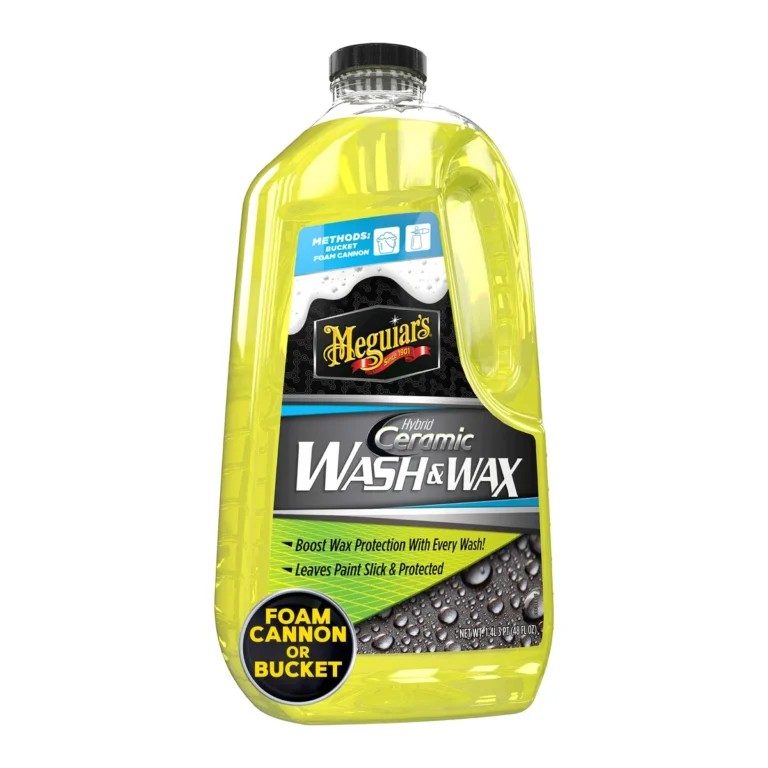
Maintenance isn’t optional either. While the coating repels dirt, you still need to wash your car regularly with pH-neutral soap. Automatic car washes with harsh brushes can degrade the coating faster.
Who Should (and Shouldn’t) Use Ceramic Coating
Ceramic coatings make sense for daily drivers in harsh climates. If you park outside in extreme sun, snow, or pollution, the UV and contaminant resistance pays off.
They’re also ideal for car enthusiasts who want showroom shine with less maintenance. Luxury and performance car owners often choose ceramic for long-term paint protection.
Skip it if you’re on a tight budget or don’t plan to keep the car long. The upfront cost and prep work aren’t worth it for short-term ownership.
Professional vs. DIY Ceramic Coating: Costs and Trade-offs
Professional application runs $500 to $2,000 plus. You get expert prep, multi-layer coatings, and warranties. The work typically lasts 3 to 5 years.
DIY kits cost $50 to $200. They’re single-layer and last 6 to 12 months. Mistakes are common without experience, and you void any warranty.
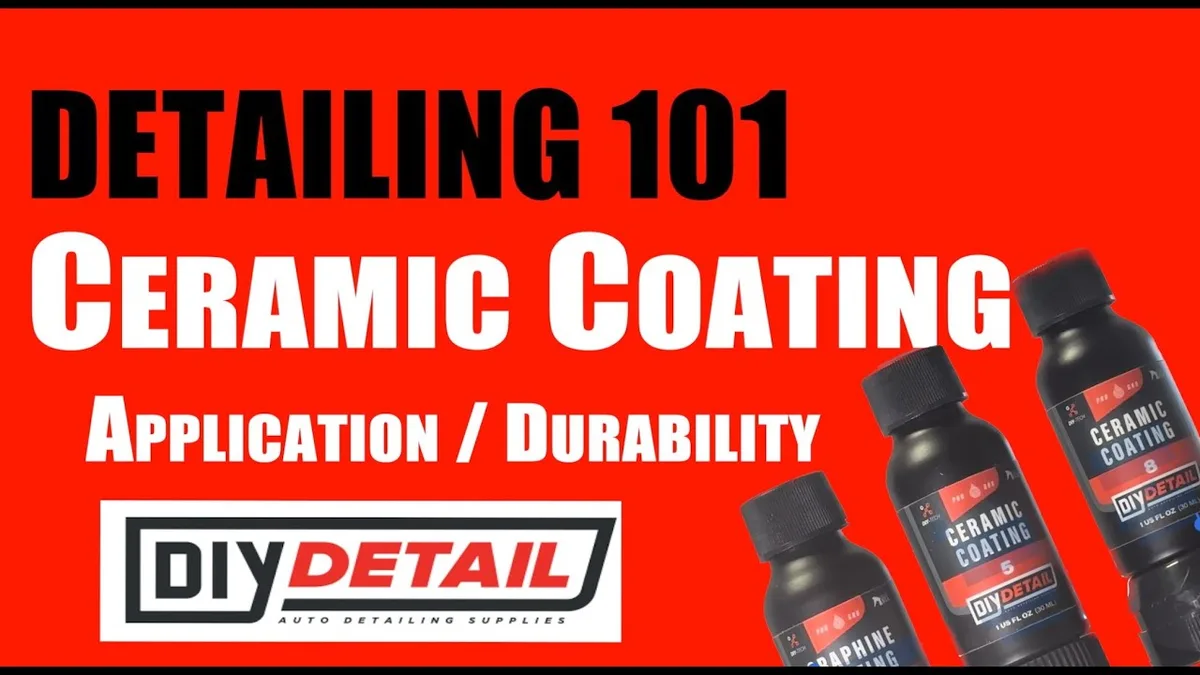
Professionals use industrial-grade products and controlled environments. DIY requires a clean garage, proper tools, and patience. Both need 24 to 48 hours of curing time away from water and sun.
What the Application Process Really Involves
First comes paint correction. This means clay bar decontamination, compounding, and polishing to remove swirls and oxidation. Any imperfections will be locked under the coating.
Next is surface prep. The car must be washed with a pH-neutral soap, dried thoroughly, and wiped down with isopropyl alcohol. Even a speck of dust can ruin the finish.
Application uses an applicator pad or microfiber cloth. The coating is applied in small sections, then buffed to a clear finish. Most pros apply 2 to 3 layers for maximum durability.
How to Maintain a Ceramic-Coated Car the Right Way
Wash your car every 2 weeks with a pH-neutral shampoo. Avoid automatic car washes with harsh brushes. They can degrade the coating over time.
Use the two-bucket method to prevent swirls. One bucket for soap, one for rinsing your mitt. Always dry with a clean microfiber towel.
Avoid wax or sealants on top of ceramic. They can leave residue and reduce hydrophobic performance. For extra shine, use a ceramic-boosting spray every few months.
Common Mistakes That Ruin Ceramic Coatings
Applying over dirty or contaminated paint is the top error. The coating won’t bond properly, leading to peeling or hazing. Always decontaminate first.
Using the wrong products for maintenance is another issue. Dish soap, degreasers, or acidic cleaners strip the coating. Stick to pH-neutral car shampoos.
Skipping the curing time is a critical mistake. Driving in rain or washing the car too soon can prevent proper bonding. Most coatings need 24 to 48 hours to fully cure.
Does Ceramic Coating Work in Snow, Sun, or Heavy Pollution?
Yes, ceramic coatings excel in extreme conditions. In snowy climates, the hydrophobic layer helps melt ice and snow slide off more easily. Salt and grime from winter roads also wash off with less effort.
In high-UV areas, the coating blocks harmful rays that cause paint oxidation. This keeps your car’s finish from fading or turning dull over time.
Heavy pollution is another win. The slick surface prevents contaminants like industrial fallout and brake dust from bonding to the paint.
How Long Does Ceramic Coating Last—and How to Make It Last Longer
Professional-grade coatings last 3 to 5 years. Consumer DIY kits typically last 6 to 12 months. Spray-on ceramic sealants fade the fastest, usually within 3 to 6 months.
To extend the life, wash your car every 2 weeks with pH-neutral soap. Avoid automatic car washes with abrasive brushes. Park in a garage or under cover to reduce UV and environmental exposure.
Reapplying a ceramic boost spray every 3 to 6 months can refresh the hydrophobic properties. This doesn’t replace the full coating but helps maintain performance.
Final Verdict: When Ceramic Coating Is (and Isn’t) the Best Choice
Ceramic coating is the best choice for long-term paint protection in harsh conditions. If you drive daily in sun, snow, or pollution, the durability and ease of maintenance justify the cost.
It’s not the best choice for short-term ownership or tight budgets. The upfront expense and prep work make it overkill for older cars or those you plan to sell soon.
For maximum protection against physical damage, pair ceramic coating with paint protection film. This combo handles both chemical contaminants and rock chips. For most drivers, ceramic coating alone offers the best balance of cost and performance.
Frequently Asked Questions
Does ceramic coating prevent scratches?
No, ceramic coatings add a hard layer but won’t stop rock chips or deep scratches. For that, you need paint protection film. The coating does help resist minor swirl marks from washing.
Can you apply ceramic coating over existing wax?
No, wax must be fully removed first. The surface needs to be clean and bare for the coating to bond properly. Any residue will cause adhesion issues.
How often should you wash a ceramic-coated car?
Every 2 weeks is ideal. Use a pH-neutral shampoo and the two-bucket method. This keeps the hydrophobic properties working at their best.
Is ceramic coating worth it for an older car?
Only if the paint is in good condition. Heavy oxidation or damage requires correction first, which adds cost. For older cars, a quality wax or sealant may be more practical.
Can you apply ceramic coating yourself?
Yes, but it’s tricky. DIY kits require careful prep and application. Mistakes can lead to streaks, hazing, or poor bonding.
Professionals have the tools and experience for best results.