ByMax Lee
Minnesota Auto Insurance Requirements Explained
Minnesota mandatory liability insurance coverage requirements exist to protect you and others on the road. The state mandates specific minimums for bodily injury, property damage, and personal injury protection to ensure financial responsibility in accidents.
As of 2026, Minnesota law requires at least $30,000 per person and $60,000 per accident for bodily injury, plus $10,000 for property damage. These limits are just the starting point, many drivers choose higher coverage for better protection.
Quick Answer
Minnesota mandatory liability insurance coverage requirements include $30,000 per person for bodily injury. The state also requires $60,000 per accident for bodily injury. Property damage coverage must be at least $10,000 per accident.
Personal Injury Protection (PIP) is mandatory at $40,000. Uninsured/Underinsured Motorist Coverage is set at $25,000 per person and $50,000 per accident.
Bing (Web (fair-use with source credit))
Why These Requirements Exist (And What Happens If You Ignore Them)
Minnesota’s no-fault insurance system ensures that drivers can cover their own medical expenses after an accident, regardless of who caused it. This reduces lawsuits and speeds up claims, but it also means you must carry Personal Injury Protection (PIP) to pay for your injuries and lost wages.
If you drive without the required coverage, you risk fines starting at $200 and going up to $1,000 or more. Your license and registration can be suspended, and you may need to file an SR-22 to reinstate them. Worse, if you’re at fault in an accident, you could be personally liable for damages beyond your policy limits.
Bing (Web (fair-use with source credit))
According to the Minnesota Department of Commerce, these rules are in place to protect all drivers and maintain financial responsibility on the roads.
The Exact Coverage You Must Carry in Minnesota
Minnesota law breaks down mandatory coverage into four key areas. Each has a minimum limit you must meet to legally drive and register your vehicle.
| Coverage Type | Per Person | Per Accident | Notes |
|---|---|---|---|
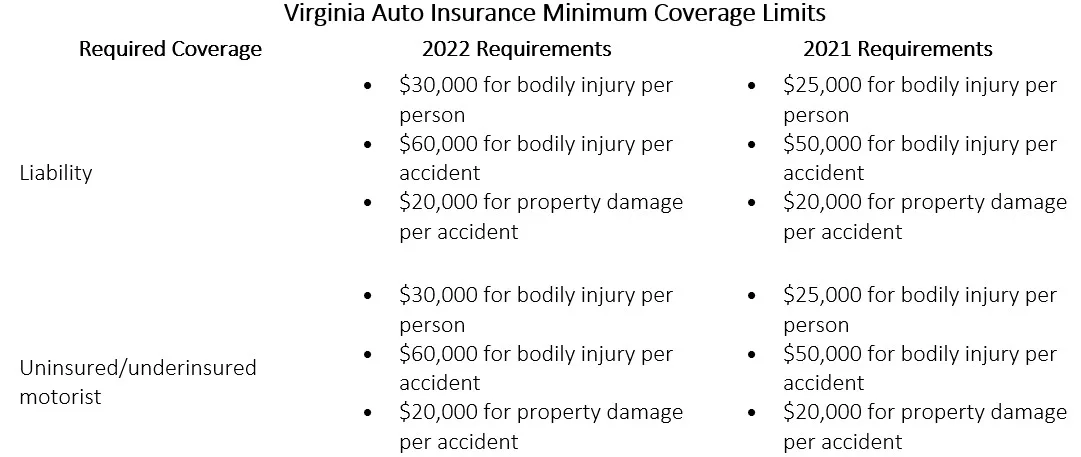
| Bodily Injury Liability | $30,000 | $60,000 | Covers others' injuries if you're at fault |
| Property Damage Liability | – | $10,000 | Covers damage to others' property |
| Personal Injury Protection (PIP) | $40,000 | – | Covers your medical and lost wages |
| Uninsured/Underinsured Motorist | $25,000 | $50,000 | Protects you if the other driver is uninsured |
Bing (Web (fair-use with source credit))
These minimums are set by state statute and apply to all registered vehicles. If you finance or lease your car, your lender may require additional coverage like collision or comprehensive.
Step-by-Step: Proving Insurance for Registration, Traffic Stops, and Accidents
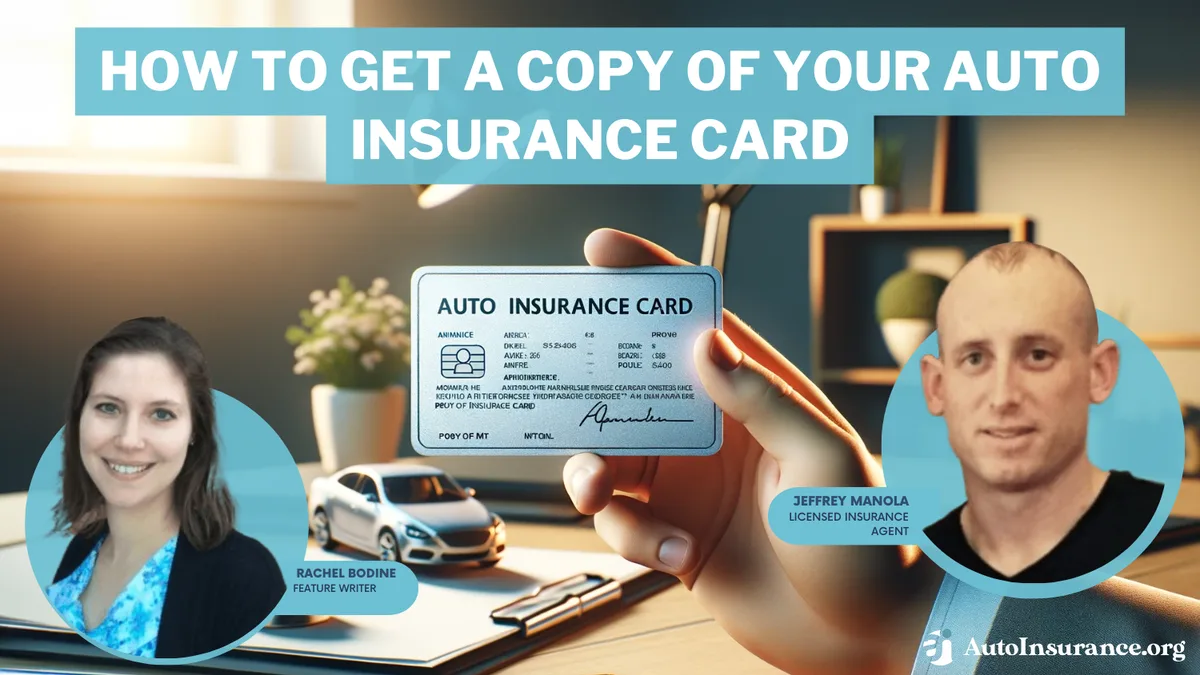
You’ll need to show proof of insurance in three common situations: registering your car, during a traffic stop, and after an accident. Minnesota accepts digital or paper copies of your insurance card, but the information must be current and accurate.
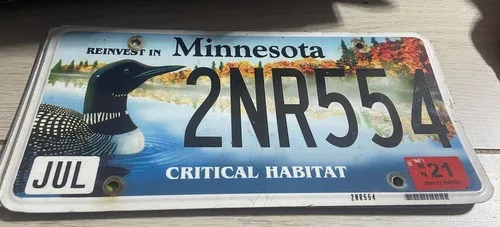
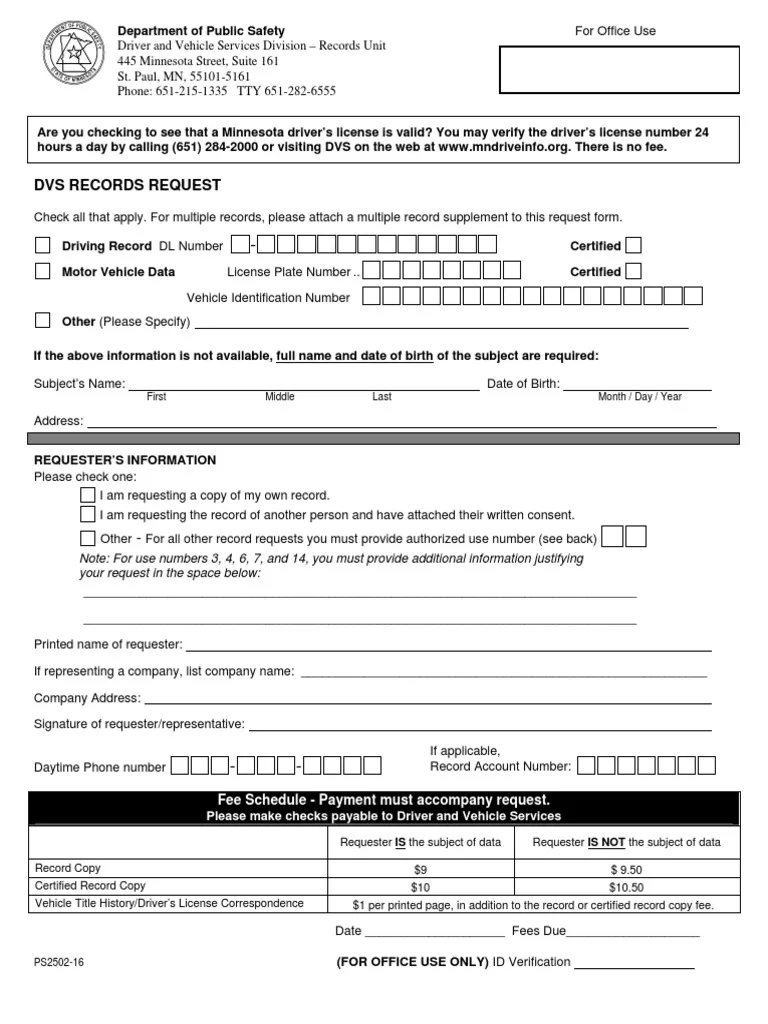
To register your vehicle, bring your insurance card to the Minnesota Driver and Vehicle Services (DVS) office. They’ll verify your coverage meets the state’s minimums before processing your plates. If you’re pulled over, have your insurance card ready along with your license and registration.
Bing (Web (fair-use with source credit))
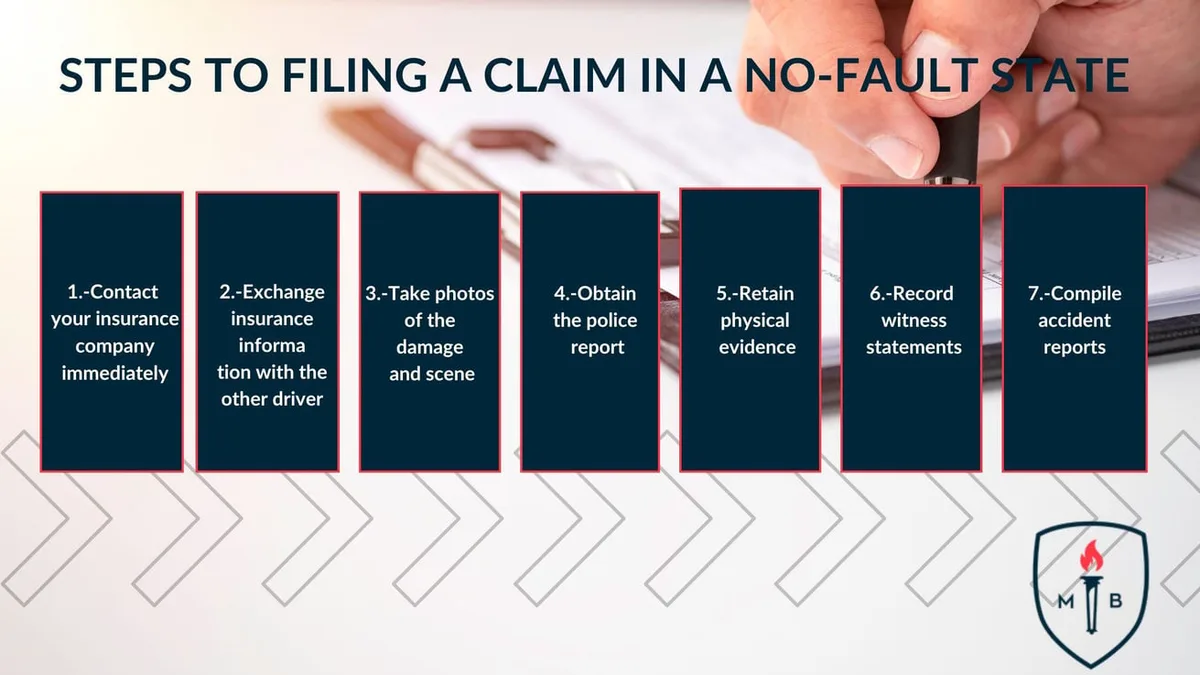
After an accident, exchange insurance information with the other driver and report the incident to your insurer immediately. Even if you’re not at fault, your PIP coverage will kick in to handle your medical expenses.
Minnesota’s No-Fault System and How It Affects Your Insurance
Minnesota is a no-fault state, which means your own insurance covers your injuries after an accident, no matter who caused it. This system is designed to reduce delays in medical treatment and legal disputes.
Your PIP coverage pays for your medical bills and lost wages up to your policy’s limit, typically $40,000. It may also cover other expenses like rehabilitation or funeral costs. Because of this, you can’t sue the other driver unless your injuries meet a serious threshold, such as permanent disability or significant disfigurement.
It also means your insurer handles claims directly with their own policyholders, not the at-fault driver’s company. This system keeps minor accidents out of court but doesn’t eliminate the need for liability coverage.
Minimum vs. Recommended Coverage—When to Go Beyond the Legal Baseline
The state’s minimums are just that, the bare legal requirement. They may not be enough to fully protect your assets in a serious accident.
If you cause a crash with injuries totaling $100,000 and only carry the $30,000 per person minimum, you could be on the hook for the remaining $70,000. That’s why many financial advisors recommend higher limits, especially if you own a home or have significant savings.
| Coverage Type | State Minimum | Common Recommended Limit |
|---|---|---|
| Bodily Injury | $30,000/$60,000 | $100,000/$300,000 |
| Property Damage | $10,000 | $50,000–$100,000 |
| PIP | $40,000 | $100,000+ |
| UM/UIM | $25,000/$50,000 | $100,000/$300,000 |
Higher limits add only a modest increase to your premium but provide far greater protection. If you’re unsure, ask your insurer for a quote comparing minimum vs. enhanced coverage. The difference is often just a few dollars a month.
Common Mistakes That Get Minnesota Drivers in Trouble
Assuming your policy meets state minimums without checking is a frequent error. Some drivers buy coverage in another state then move to Minnesota without updating their policy. Others let their insurance lapse between providers, not realizing even a one-day gap can trigger penalties.
Another mistake is ignoring the PIP requirement. Since Minnesota is a no-fault state, this coverage isn’t optional. Skipping it means you won’t have immediate medical coverage after an accident, regardless of who caused it.
Finally, many drivers forget to update their insurance when adding a new vehicle or driver to their household. Failing to notify your insurer can void coverage when you need it most.
What to Do If You’re Caught Driving Without Insurance
If you’re pulled over without proof of insurance, stay calm and explain the situation. You may receive a ticket, but you can often get it dismissed by showing valid insurance in court.
For a first offense, you’ll typically face a fine between $200 and $1,000. Your license and registration may be suspended until you provide proof of insurance. To reinstate them, you’ll need to pay the fine and any reinstatement fees, then file an SR-22 form with the state.
If you’re in an accident without insurance, the consequences are more severe. You’ll be personally responsible for all damages and injuries, and the other party’s insurer may pursue legal action against you. In some cases, you could even face criminal charges for driving without financial responsibility.
Special Cases: New Residents, Leased Cars, Rideshare, and More
New Minnesota residents must register their vehicles and obtain compliant insurance within 60 days of establishing residency. Until then, your out-of-state policy may still be valid, but it must meet Minnesota’s minimum requirements.
If you lease or finance your vehicle, your lender will almost certainly require full coverage, including collision and comprehensive. This protects their investment in the car. Check your lease agreement for specific requirements, as they often exceed state minimums.
Rideshare drivers need additional coverage. Personal auto policies typically exclude commercial use, so you’ll need a rideshare endorsement or a commercial policy. Companies like Uber and Lyft provide some coverage when you’re on the app, but gaps exist when you’re waiting for a ride request.
For classic or antique cars, standard policies may not provide adequate protection. Specialty insurers offer agreed-value coverage that accounts for the vehicle’s true worth. Always disclose modifications or custom work to your insurer to avoid coverage denials.
Minnesota Auto Insurance Costs: What to Expect
Average annual premiums in Minnesota run about $1,200 to $1,800 for full coverage. Your exact rate depends on factors like age, driving record, vehicle type, and where you live.
Urban areas like Minneapolis tend to have higher premiums than rural regions. Younger drivers and those with recent accidents or tickets will also pay more. Shopping around and bundling policies can help lower costs.
Ways to Save on Minnesota Auto Insurance
Ask about discounts for safe driving, good grades, or multiple vehicles. Increasing your deductible can reduce premiums, but make sure you can afford the out-of-pocket cost if you file a claim.
FAQs About Minnesota’s Liability Insurance Rules
What happens if I drive without insurance in Minnesota?
You’ll face fines starting at $200 and possible license suspension. You’ll also need to file an SR-22 to reinstate your driving privileges. Driving without insurance can also lead to higher premiums once you’re covered again.
Is PIP required in Minnesota?
Yes. Minnesota law mandates $40,000 in Personal Injury Protection. This covers your medical expenses and lost wages after an accident, regardless of fault.
Can I register a car in MN without insurance?
No. You must show proof of insurance meeting Minnesota’s minimum requirements to register any vehicle. The DVS will verify your coverage before processing your plates.
How much liability insurance do I need in MN?
The state minimum is $30,000 per person and $60,000 per accident for bodily injury, plus $10,000 for property damage. Many drivers choose higher limits for better protection.
Does Minnesota require uninsured motorist coverage?
Yes. You must carry at least $25,000 per person and $50,000 per accident in Uninsured/Underinsured Motorist Coverage. This protects you if the other driver has no insurance or insufficient coverage.
Where to Verify the Latest Requirements (Official Sources)
For the most current information, check the Minnesota Department of Commerce website. They oversee insurance regulations and provide updates on coverage requirements.
The Minnesota Driver and Vehicle Services site also has details on registration and proof of insurance rules. Both agencies can confirm any changes to state laws.