ByMax Lee
Minnesota School Bus Stop Law on Divided Highways
Minnesota’s school bus stop law on divided highways confuses a lot of drivers. The rule changes depending on whether the highway has a physical barrier or just painted lines, and getting it wrong can mean a fine or worse, a child’s safety at risk.
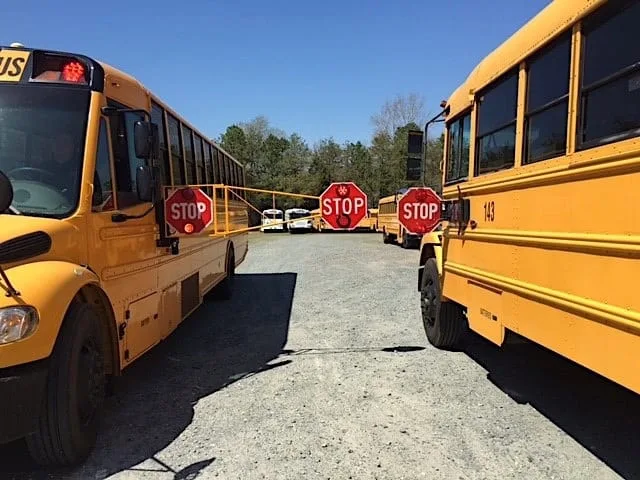
Per Minnesota Statute 169.444, you must stop for a school bus with flashing red lights and an extended stop arm unless you’re on the opposite side of a divided highway with a physical barrier. As of 2026, violations can cost up to $500.
Bing (Web (fair-use with source credit))
Quick Answer
Minnesota school bus stop law on divided highways requires you to stop if you’re behind the bus or on the same side of a divided road. You do not stop if you’re on the opposite side of a physical barrier. Amber lights mean prepare to stop.
Red lights and an extended stop arm mean stop completely.
How Minnesota Defines a “Divided Highway”
A divided highway in Minnesota means two roadways separated by a physical barrier like a concrete median, grass strip, or other solid divider. Painted lines or a center turn lane do not count as a physical barrier.
This distinction is critical because it determines whether you must stop for a school bus.
Bing (Web (fair-use with source credit))
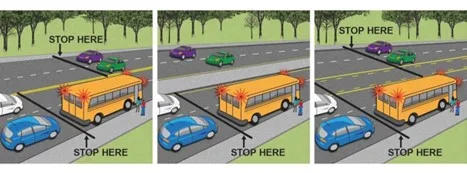
The Exact Rule: When to Stop for a School Bus on a Divided Highway
If you’re traveling in the same direction as the bus, you must stop. If you’re on the opposite side of a divided highway with a physical barrier, you do not stop.
The rule applies to all vehicles, including those in turning lanes. The only exception is when a physical barrier separates your lane from the bus.
For official guidance, refer to the Minnesota Department of Public Safety.
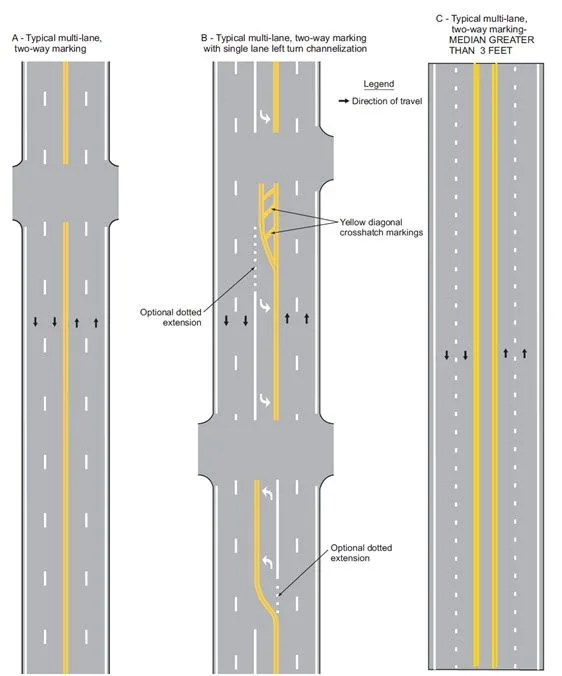
Physical Barrier vs. Painted Lines: The Critical Difference
A physical barrier is a solid divider like concrete, grass, or a raised curb. Painted lines, including double yellow lines or a center turn lane, are not considered physical barriers.
This means if the highway is divided only by paint, you must stop for a school bus with flashing red lights. If there’s a physical barrier, vehicles on the opposite side may proceed with caution.
Bing (Web (fair-use with source credit))
What the School Bus Lights Mean (Amber vs. Red)
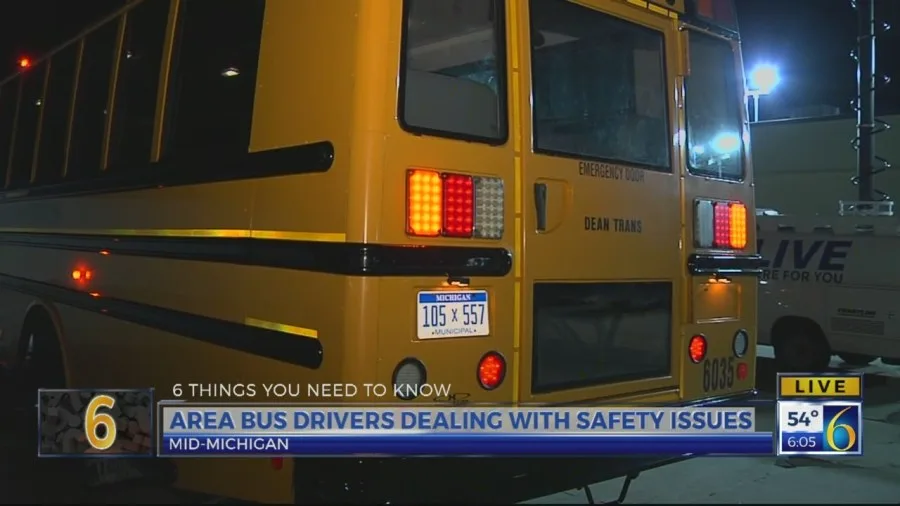
Amber flashing lights mean the bus is preparing to stop. You should slow down and prepare to stop as well.
Red flashing lights and an extended stop arm mean the bus is stopped to load or unload children. You must come to a complete stop at least 20 feet away from the bus.
Bing (Web (fair-use with source credit))
Step-by-Step: What Drivers Must Do in Each Scenario
When you see amber lights flashing on a school bus, slow down and prepare to stop. The bus is about to pick up or drop off children.
When the red lights flash and the stop arm extends, come to a complete stop at least 20 feet away. This applies whether you’re behind the bus or approaching it from the opposite direction on an undivided road.
On a divided highway with a physical barrier, only vehicles traveling in the same direction as the bus must stop. Vehicles on the opposite side of the barrier may proceed with caution.
Penalties for Breaking the Law in Minnesota
Passing a stopped school bus with its red lights flashing can result in a fine of up to $500. Repeat offenses may lead to higher penalties or even criminal charges.
These penalties exist to protect children boarding or exiting the bus. Law enforcement actively monitors school bus stops, especially in residential and school zones.
Common Mistakes Drivers Make (And How to Avoid Them)
Many drivers assume painted lines count as a physical barrier. They don’t. If there’s no solid divider, you must stop for a school bus with flashing red lights.
Another mistake is not stopping far enough back. The law requires at least 20 feet of distance between your vehicle and the bus.
Some drivers speed up to pass before the bus stops completely. This is illegal and dangerous. Always stop when the red lights are flashing.
Real-Life Examples: Divided Highway Scenarios
Imagine you’re driving on a four-lane road with a grass median. A school bus stops on the opposite side with its red lights flashing. You do not need to stop because the grass median is a physical barrier.
Now picture a two-lane road with a double yellow line. A school bus stops with its red lights flashing. You must stop regardless of your direction because the painted lines do not count as a barrier.
On a highway with a concrete median, if you’re on the opposite side of the bus, you may proceed. If you’re behind the bus or on the same side, you must stop.
Why Minnesota’s School Bus Stop Law on Divided Highways Matters
This law exists to protect children getting on and off school buses. Every year, children are injured or killed by drivers who fail to stop for school buses.
The distinction between physical barriers and painted lines prevents unnecessary traffic congestion while maintaining safety. It ensures drivers know exactly when to stop and when it’s safe to proceed.
FAQs About Minnesota’s School Bus Stop Law
Do I have to stop for a school bus on a divided highway in Minnesota?
Yes, unless you’re on the opposite side of a physical barrier. Painted lines don’t count as a barrier, so you must stop.
What’s the difference between amber and red flashing lights on a school bus?
Amber lights mean the bus is about to stop. Red lights mean it’s stopped to load or unload children, and you must stop completely.
How far back should I stop from a school bus with flashing red lights?
Minnesota law requires you to stop at least 20 feet away from the bus.
Can I get a ticket for passing a stopped school bus on a divided highway?
Yes, if you’re on the same side as the bus or there’s no physical barrier. Fines can reach $500 or more.
Does a center turn lane count as a physical barrier?
No. A center turn lane is just painted lines, so you must stop for a school bus with flashing red lights.
What should I do if I’m unsure whether a highway is divided?
When in doubt, stop. The law prioritizes child safety, and stopping is always the safer choice.
Final Takeaway: Stay Safe and Legal
The rule is simple. Stop for a school bus with flashing red lights unless you’re on the opposite side of a physical barrier.
When you see amber lights, slow down and prepare to stop. When you see red lights and the stop arm, stop completely. This keeps children safe and keeps you out of legal trouble.