ByMax Lee
Northern Mariana Islands Car Seat Laws for Kids 8 & Under
The Northern Mariana Islands child restraint law and car seat requirements for ages 8 and under exist to keep your child safe on every trip, no matter how short. If you're driving in CNMI with a child under eight, you must have them secured in an appropriate child restraint system at all times. That's not a suggestion, it's the law, and it applies to everyone behind the wheel, including visitors.
As of 2026, CNMI requires children under age 8 to ride in a federally approved child safety seat or booster seat until the vehicle's seat belt fits properly. NHTSA data shows that proper car seat use reduces the risk of fatal injury by up to 71% for infants and 45% for toddlers.
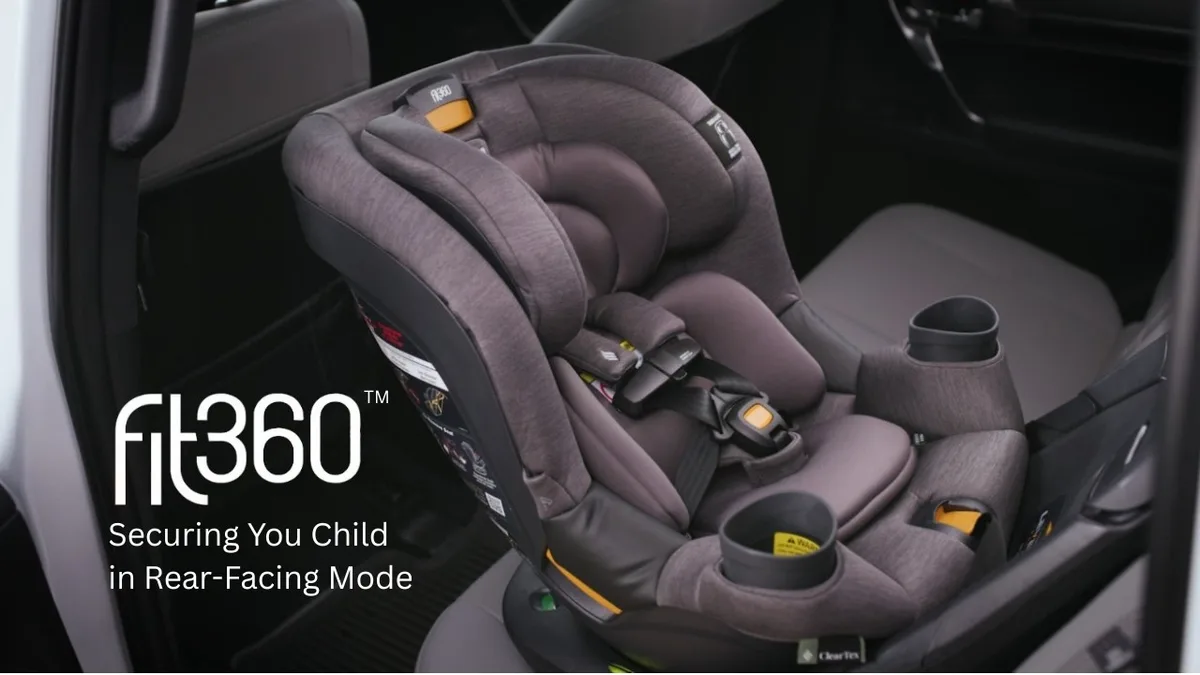
YouTube / ChiccoUSA (YouTube thumbnail (fair-use with source credit))
Quick Answer
The Northern Mariana Islands child restraint law and car seat requirements for ages 8 and under mandate that all children under age 8 ride in a federally approved child safety seat or booster seat. Children under 1 must ride rear-facing. The seat belt must fit properly before a child can transition to adult restraints alone.
Why This Law Exists and What's at Stake
Child passenger safety isn't just about following rules. It's about physics and biology working against young bodies in a crash. A child's skeletal structure develops at a different rate than an adult's.
Their spine, neck, and internal organs sit higher in their torso and are far less fortified.
Traffic crashes remain one of the leading causes of injury and death for children in the United States and its territories. The Northern Mariana Islands follows this pattern. When a vehicle stops suddenly at highway speeds, an unrestrained child becomes a projectile inside the cabin.
Register To Vote In Michigan Through Driver License Services might seem unrelated, but both topics share one core idea. Laws exist to protect vulnerable populations, and knowing the rules before you're in a situation to break them makes all the difference.
Proper restraints distribute crash forces across the strongest parts of a child's body. The pelvis and shoulder area take impact far better than the abdomen or neck. This is why rear-facing seats are critical for infants.
They cradle the head, neck, and spine as a single unit during sudden deceleration.
Age-Based Car Seat Requirements in the Northern Mariana Islands
CNMI law uses age as the primary trigger for restraint requirements. Children under age 8 must be secured in a child safety seat or booster seat that meets federal motor vehicle safety standards. This rule has no height or weight loophole built into the statute.
Most children progress through three stages before they ever use a seat belt alone. Infants and toddlers start rear-facing. Preschoolers and early elementary children move to forward-facing with a harness.
Older children transition to a booster seat before finally graduating to the vehicle's seat belt.
YouTube / ChildPassengerSafety (YouTube thumbnail (fair-use with source credit))
| Age Range | Required Restraint Type | Key Consideration |
|---|---|---|
| Under 1 year | Rear-facing car seat | Must remain rear-facing until minimum weight or age |
| 1 to 4 years | Forward-facing car seat with harness | Keep harness straps at or below shoulder level |
| 4 to 8 years | Booster seat | Uses vehicle seat belt; positioning matters |
| 8 years and older | Seat belt (if fit is proper) | Pass the five-step belt fit test first |
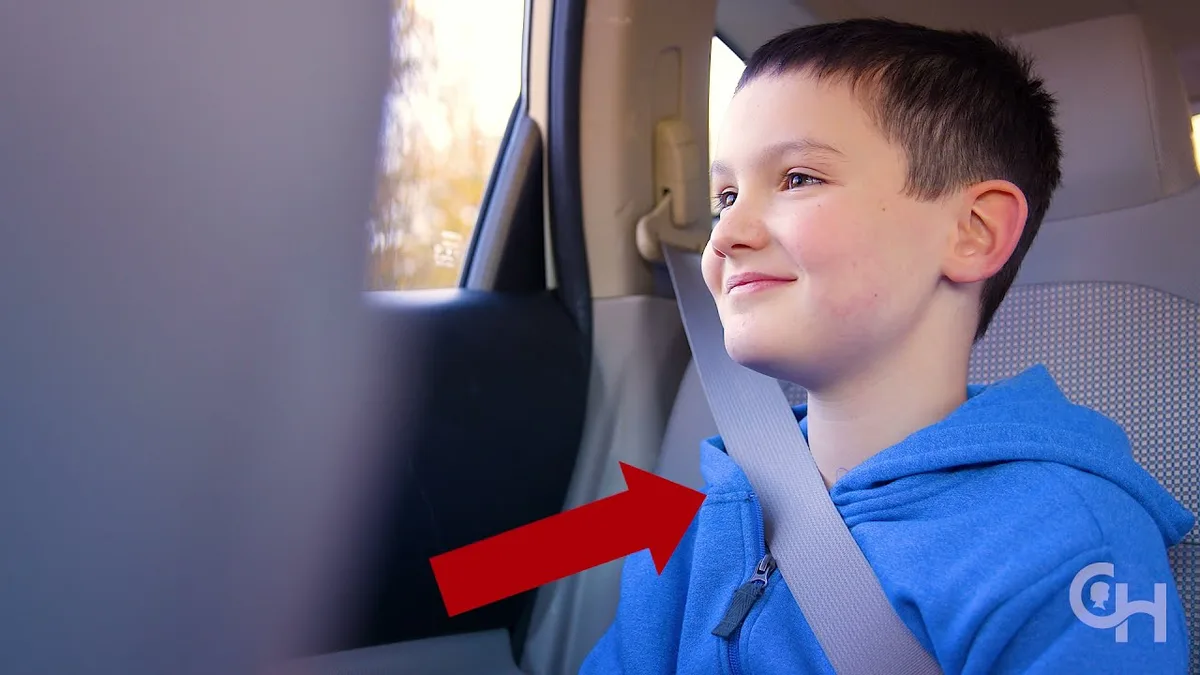
The five-step belt fit test determines when a child can finally drop the booster. Start with how they sit against the vehicle backrest. Can they sit all the way back without slouching?
Next, check the lap belt. Does it rest low and snug across the upper thighs, not the stomach? Then look at the shoulder belt.
Does it cross the middle of the shoulder and chest? After that, assess comfort over a full ride. Can they stay seated like that for the entire trip?
Finally, test knee bend. Do their knees bend comfortably at the edge of the seat?
If the answer to any of those questions is no, the child isn't ready. They need a booster.
Rear-Facing vs Forward-Facing: What CNMI Requires
CNMI law doesn't specify a minimum age or weight for rear-facing beyond requiring it for children under one year old. However, the American Academy of Pediatrics recommends keeping children rear-facing as long as the car seat's height and weight limits allow. Most convertible seats now accommodate rear-facing positions up to 40 to 50 pounds.
The difference between rear-facing and forward-facing isn't just about comfort or convenience. It's about how crash forces move through a child's body. In a front-end collision, a forward-facing child's head snaps forward while the body is restrained by the harness.
That whiplash motion strains the neck and spine dramatically.
YouTube / TaxiBaby (YouTube thumbnail (fair-use with source credit))
Rear-facing seats work differently. The shell of the seat cradles the child's entire body. Crash forces spread across the back of the seat and distribute evenly over the stronger parts of the spine, hips, and shoulders.
This simple orientation difference is why rear-facing positions reduce severe injury risk by up to 75% compared to forward-facing.
Best Ph Neutral Foam Cannon Soap For Streak Free Car Washes demonstrates the same principle that governs car seat transitions. Using the right ratio at the right stage produces better results than forcing a solution too early or too late.
Many parents flip their child forward-facing as soon as they hit the minimum age or weight threshold. That's the legal floor, not the ceiling. Every additional month or pound spent rear-facing strengthens the safety buffer.
| Position | Best For | Crash Force Distribution | Typical Weight Limit |
|---|---|---|---|
| Rear-facing | Infants and toddlers | Even spread across back, hips, shoulders | Up to 40–50 lbs |
| Forward-facing | Older toddlers and preschoolers | Harness straps take primary load | Up to 65 lbs |
Height, Weight, and Seat Type: When to Switch
The transition between car seat stages depends on more than just age. Each seat type has specific height and weight limits set by the manufacturer. Those limits matter because they're based on crash testing and structural engineering.
Infant seats are designed for babies from birth up to roughly 22 to 35 pounds. They always face rear-facing. Convertible seats bridge the gap between infant and toddler seats.
They install rear-facing for younger children and forward-facing for older ones. The key is that you never rush the switch.
Ideal Foam Cannon Soap Mixing Ratio Get Thick Lasting Foam demonstrates the same principle. Using the right ratio at the right stage produces better results than forcing a solution too early or too late.
Forward-facing harness seats come next. These use a five-point harness system that secures the child at the shoulders, hips, and between the legs. The harness must be snug enough that you cannot pinch any slack at the shoulder level.
Booster seats don't have their own harness. Instead, they position the child so the vehicle's seat belt fits correctly. High-back boosters provide head and neck support and guide the shoulder belt into place.
Backless boosters are more portable but offer no head support.
Wikimedia Commons / idalingi (CC BY)
Step-by-Step: Installing and Using Car Seats Correctly in CNMI
Installing a car seat incorrectly is almost as dangerous as not using one at all. Research shows that up to 73% of car seats are installed or used incorrectly.
Start by choosing the right seat for your child's current size. Check the manufacturer's height and weight limits before purchasing. Next, read both the car seat manual and your vehicle owner's manual.
LATCH stands for Lower Anchors and Tethers for Children. It's a standardized system that connects the car seat directly to the vehicle's frame without using the seat belt. Most vehicles manufactured after 2003 come with LATCH anchors in the back seats.
If your vehicle doesn't have LATCH anchors, or if the car seat isn't LATCH-compatible, you'll install using the seat belt instead. Thread the belt through the designated path on the seat, buckle it, and remove all slack.
Harness positioning is where most mistakes happen. The harness slots should sit at or below the child's shoulders for rear-facing seats. For forward-facing seats, they should sit at or above shoulder level.
The pinching test checks harness snugness. Try to pinch the harness webbing vertically at the child's shoulder. If you can pinch any excess material between your fingers, the harness is too loose.
The chest clip should sit at armpit level. Make sure the seat doesn't move more than one inch side-to-side or front-to-back at the belt path. Always use the top tether for forward-facing seats when your vehicle has one.
Common Mistakes That Put Kids at Risk
Even careful parents make installation errors. Loose harness straps rank among the most dangerous mistakes. A harness that's too loose allows the child to move excessively during a crash.
Michigan Trailer Towing Safety Chain Lighting Rules and child restraint safety share a common thread. Both involve securing systems where loose connections compromise everything.
Using an expired or damaged car seat is another serious error. Plastic degrades. UV exposure from windows weakens the shell over time.
Crash-damaged seats should never be reused.
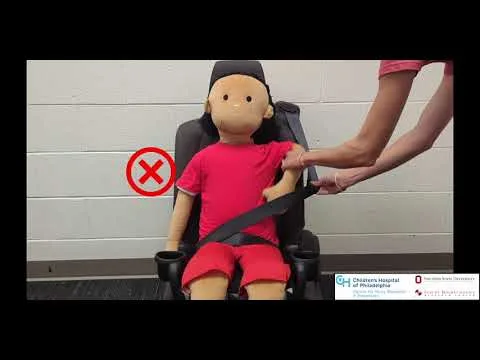
Improper chest clip placement seems minor but carries real risk. Parents often place the clip near the armpits for comfort or convenience. If it slides down to the waist or up to the neck, the harness straps spread too wide during a crash.
YouTube / ChildPassengerSafety (YouTube thumbnail (fair-use with source credit))
Turning a rear-facing seat forward-facing before the child meets the minimum requirements is a mistake with tragic consequences. Toddlers' neck muscles and spinal columns simply aren't developed enough to handle forward-facing crash forces.
Installing the seat in the wrong vehicle position matters more than most parents realize. The center rear seat is statistically the safest location in most vehicles.
Adding aftermarket products like head support pillows or strap covers voids most car seat warranties and can interfere with proper harness function. Stick to accessories that came with the seat or are explicitly approved by the manufacturer.
Sharing a car seat between multiple children creates its own set of risks. Harness slots need adjustment for each child's size. Two children sharing a seat exceeds the engineering parameters and drastically reduces protection for both.
Penalties for Breaking CNMI's Child Restraint Law
CNMI enforces child restraint laws through traffic stops and routine patrols. Violations typically result in fines that vary by jurisdiction and circumstances. Repeat offenses or cases involving injury carry steeper penalties.
Beyond legal consequences, improper restraints void portions of auto insurance coverage. Some policies require legal compliance as a condition of protection.
Where to Get Your Car Seat Checked in the Northern Mariana Islands

YouTube / cpsboard (YouTube thumbnail (fair-use with source credit))
CNMI doesn't maintain a large network of certified car seat inspection stations. Parents should contact the CNMI Division of Public Safety or local health departments for scheduled inspection events.
Michigan Vin Verification For Out Of State Title Transfers might seem unrelated, but both topics involve verifying compliance with official standards.
If local resources are limited, consider traveling to Hawaii or Guam for professional inspections. Both islands maintain robust child passenger safety technician programs.
Traveling in CNMI? What Visitors Need To Know
Visitors to the Northern Mariana Islands must comply with the same child restraint laws as residents. Rental car agencies typically don't provide car seats. Parents should bring their own seats when traveling to CNMI.
Airline travel with car seats follows federal regulations. Most airlines allow you to check a car seat free of charge. You can also use an FAA-approved car seat on the aircraft if your child has a purchased seat.
Frequently Asked Questions
Can my child sit in front with the airbag in CNMI?
Yes, but only if the seat is rear-facing and the airbag is deactivated. Forward-facing children can sit in front if the seat belt or harness fits properly, though the back seat remains statistically safer.
Do car seats expire in the Northern Mariana Islands climate?
Yes. Heat and humidity accelerate plastic degradation. CNMI's tropical climate speeds up UV damage and material brittleness.
Check expiration dates more frequently and replace seats showing cracking, discoloration, or wear.
What happens if I'm pulled over without a car seat?
Officers can issue citations on the spot. Fines typically range from modest to moderate depending on circumstances. Repeat violations or cases involving child endangerment carry increased penalties.
Are there exemptions to the child restraint law?
Medical exemptions exist but require documentation from a licensed physician. Children with certain skeletal conditions or disabilities may qualify for modified restraint requirements.
How often should I replace a car seat after a minor accident?
NHTSA recommends replacement after any moderate or severe crash. Minor accidents meeting specific criteria may not require replacement, but manufacturer policies vary. When in doubt, contact the manufacturer with accident details.
What's the difference between LATCH and seat belt installation?
LATCH uses dedicated anchor points in the vehicle for simpler, more consistent installation. Seat belt installation relies on the vehicle's existing restraint system. Both methods are equally safe when installed correctly.
Final Checklist: Are You Following the Law?
Before every trip, run through this quick verification sequence.
- Is the child under age 8? If yes, they need a car seat or booster.
- Is the seat appropriate for their current height and weight?
- Is the harness snug enough that you cannot pinch slack at the shoulder?
- Does the chest clip sit at armpit level?
- Does the seat move less than one inch at the belt path?
- Is the seat within its expiration date and free of crash damage?
- Would the child pass the five-step belt fit test if using a booster?
If any answer is no, stop and correct the issue before starting the engine. Legal compliance and child safety aren't optional. They're the minimum standard for every mile you drive together in the Northern Mariana Islands.