ByMax Lee
Crystal Clear Windows: Best Full Crystal Cleaner Guide
Bing (Web (fair-use with source credit))
Tired of streaky windows no matter how hard you scrub? A full crystal window cleaner cuts through grime without leaving residue, giving you that glass-clear finish. Unlike traditional cleaners, these ammonia-free formulas work on tinted windows and delicate surfaces without the harsh fumes.
Manufacturer specs confirm most full crystal cleaners dry in under 30 seconds, which means fewer streaks if you work quickly. That speed, paired with the right technique, is what sets them apart.
Quick Answer
Full crystal window cleaner is an ammonia-free glass cleaner designed for streak-free results. It works on windows, mirrors, and tinted surfaces. Most formulas dry in under 30 seconds.
They’re safe for frequent use on delicate coatings.
What Is Full Crystal Window Cleaner and Why It Stands Out
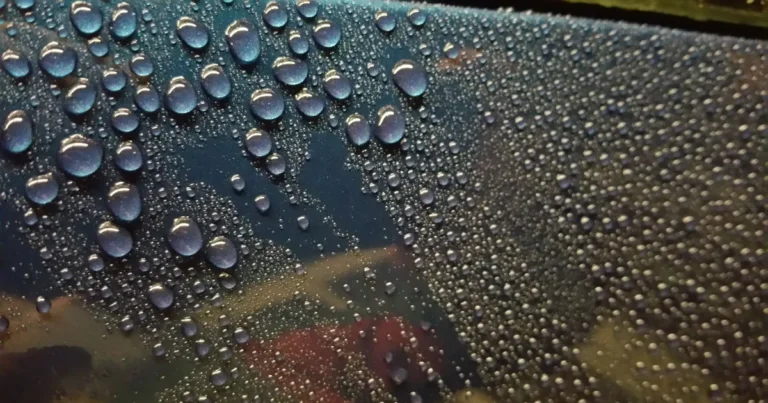
A full crystal window cleaner is a specialized glass cleaner formulated to leave zero streaks or haze. The "crystal" label refers to the clarity of the finish, not the ingredients. These cleaners often skip ammonia, which can damage tinted windows or leave a film over time.

Bing (Web (fair-use with source credit))
What makes them different is their ability to dissolve grease, fingerprints, and hard water spots without residue. Many also include anti-static agents, so dust doesn’t cling as quickly after cleaning.
How Full Crystal Window Cleaner Works
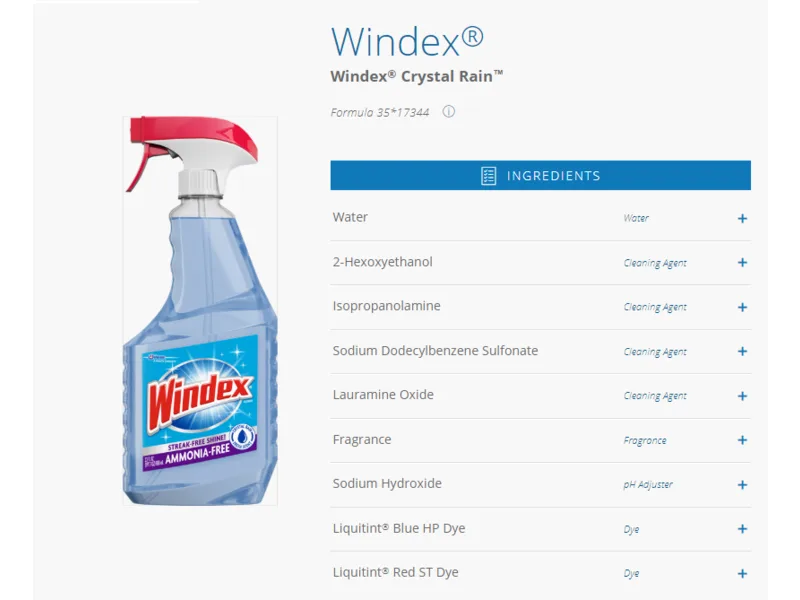
The formula typically combines surfactants with a fast-evaporating solvent, often alcohol-based. This lifts dirt on contact and dries before streaks can form. Unlike vinegar solutions, which can leave a slight film, full crystal cleaners are engineered for a neutral pH that won’t etch glass over time.
Bing (Web (fair-use with source credit))
Manufacturer specs indicate these cleaners break down oils and mineral deposits without requiring scrubbing. The key is the balance of solvents and lubricants, which lets the dirt lift away with a single wipe.
Key Features to Look For in a Crystal-Clear Cleaner
Not all full crystal cleaners are the same. Here’s what separates the best from the rest:
- Ammonia-free: Safe for tinted, coated, or acrylic surfaces.
- Fast-drying: Reduces streaking if you work in small sections.
- Neutral pH: Won’t damage glass or seals over time.
- Anti-static: Helps repel dust after cleaning.
- Biodegradable: Eco-friendly options are available for frequent use.
- Concentrated: Some formulas can be diluted for cost savings.
Avoid cleaners with added dyes or heavy fragrances, as these can leave residue. The best options are clear, odorless, and free of unnecessary additives.
Full Crystal vs. Traditional Ammonia-Based Cleaners
Traditional glass cleaners like Windex rely on ammonia to cut through grime. It works, but the fumes can be harsh, and ammonia can degrade window tinting or coatings over time. Full crystal cleaners skip the ammonia, using alcohol or other solvents instead.
| Feature | Full Crystal Cleaner | Ammonia-Based Cleaner |
|---|---|---|
| Streak-free finish | Yes | Possible, but often less consistent |
| Safe for tinted windows | Yes | No |
| Fumes | Minimal | Strong ammonia odor |
| Drying time | Under 30 seconds | Varies, often slower |
| Eco-friendly options | Often available | Rare |
For most modern windows, especially those with low-E coatings or tinting, full crystal is the safer choice. Ammonia-based cleaners are cheaper, but the trade-offs aren’t worth it for long-term care.
Full Crystal vs. DIY Solutions (Vinegar, Dish Soap, etc.)
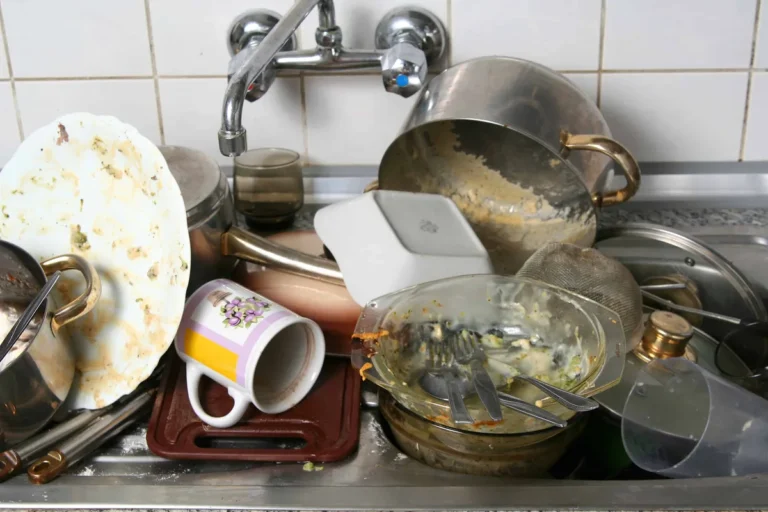
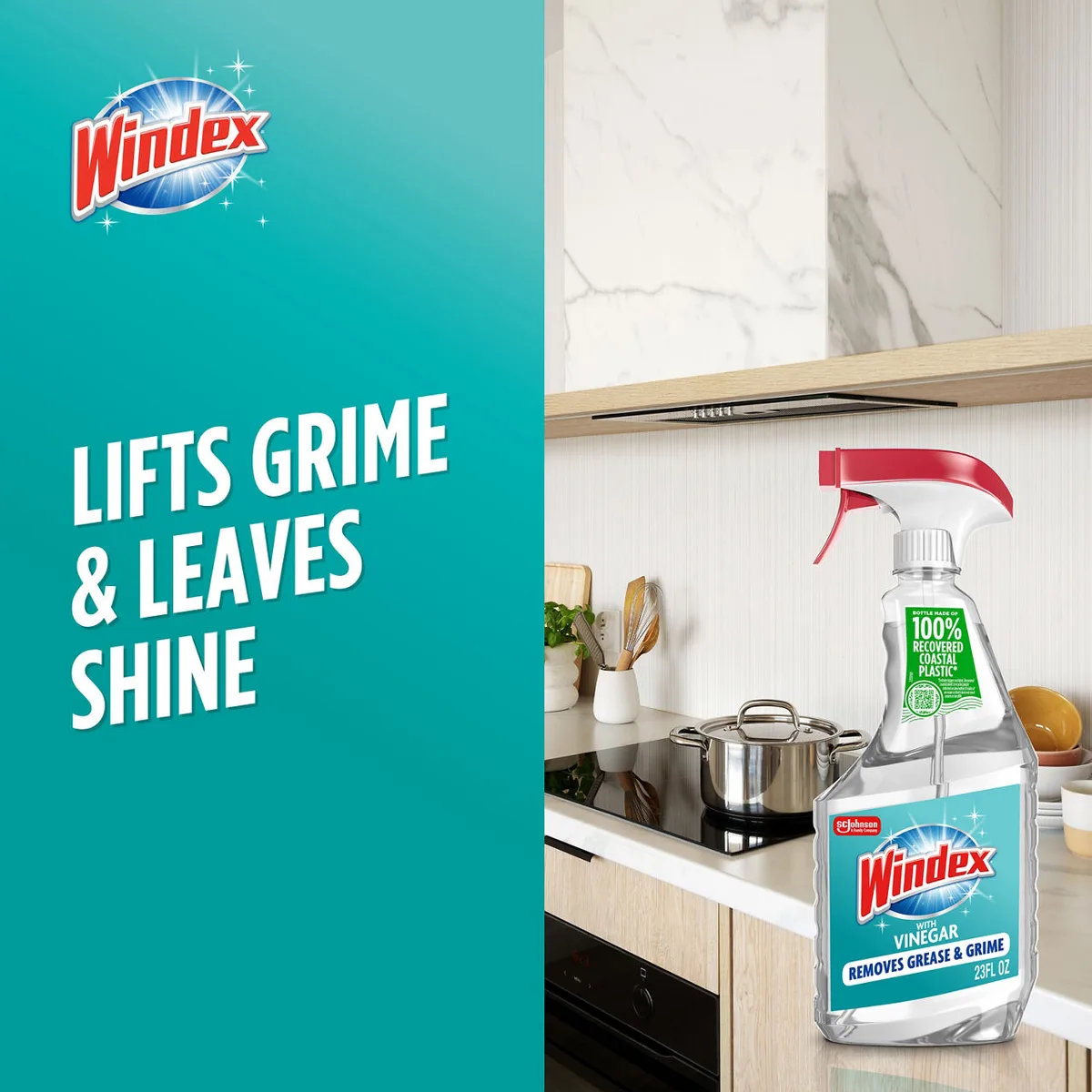
DIY window cleaners like vinegar and water or dish soap mixes are popular for their low cost and simplicity. They can work for light cleaning, but they often fall short on tough grime or hard water stains. Vinegar’s acidity can also etch glass over time if used undiluted or too frequently.
Bing (Web (fair-use with source credit))
Full crystal cleaners, on the other hand, are formulated to handle a wider range of dirt without damaging surfaces. They’re also more consistent, DIY mixes can leave streaks if the ratios aren’t perfect or if the water is hard.
Here’s how they stack up:
| Feature | Full Crystal Cleaner | Vinegar & Water | Dish Soap & Water |
|---|---|---|---|
| Streak-free finish | Yes | Possible, but inconsistent | Often streaky |
| Hard water stains | Effective | Limited | Poor |
| Ease of use | Simple | Requires mixing | Requires mixing |
| Cost | Moderate | Low | Low |
| Shelf life | Long (1-2 years) | Short (weeks) | Short (weeks) |
If you’re cleaning a few windows occasionally, DIY can work. But for regular use or tough jobs, full crystal cleaners deliver better results with less effort.
Best Use Cases: Where Full Crystal Shines
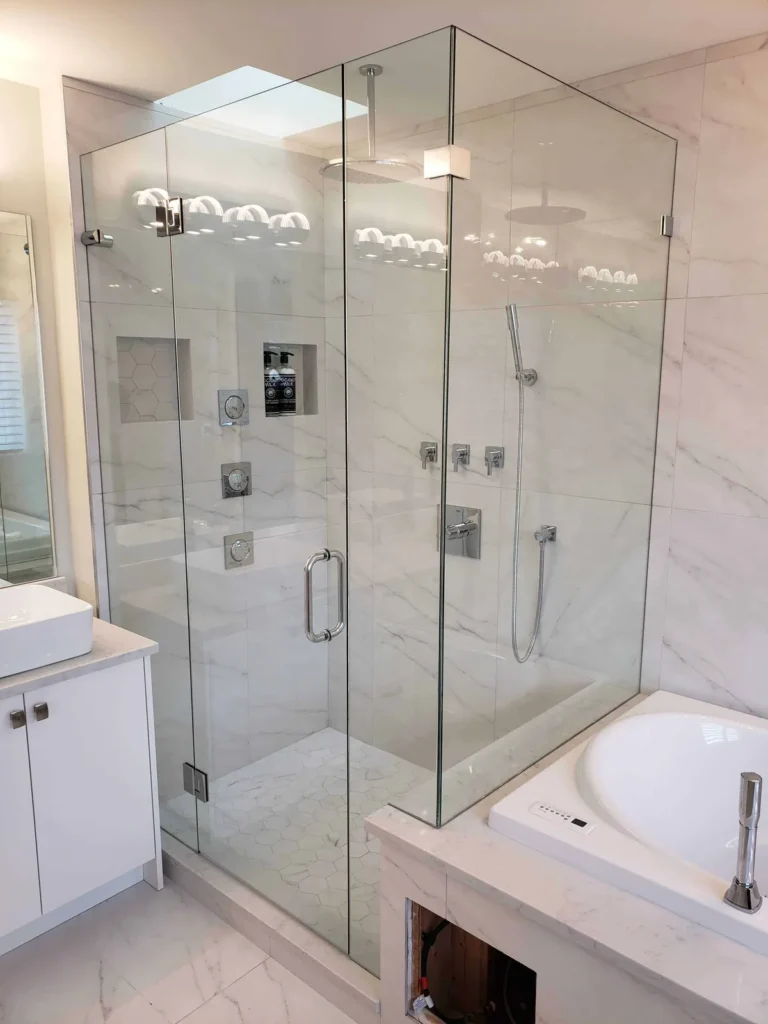
Full crystal window cleaners excel on modern glass surfaces where clarity matters most. They’re ideal for low-E coated windows, tinted glass, and mirrors that can’t handle ammonia. Professional window cleaners also prefer them for commercial buildings with large glass facades.
They work well in high-traffic areas like kitchens and bathrooms where grease and soap scum build up quickly. The fast-drying formula prevents streaks even in humid conditions. For automotive use, they’re safe on windshields and side windows without damaging tint films.
Step-by-Step Guide to Using Full Crystal Window Cleaner
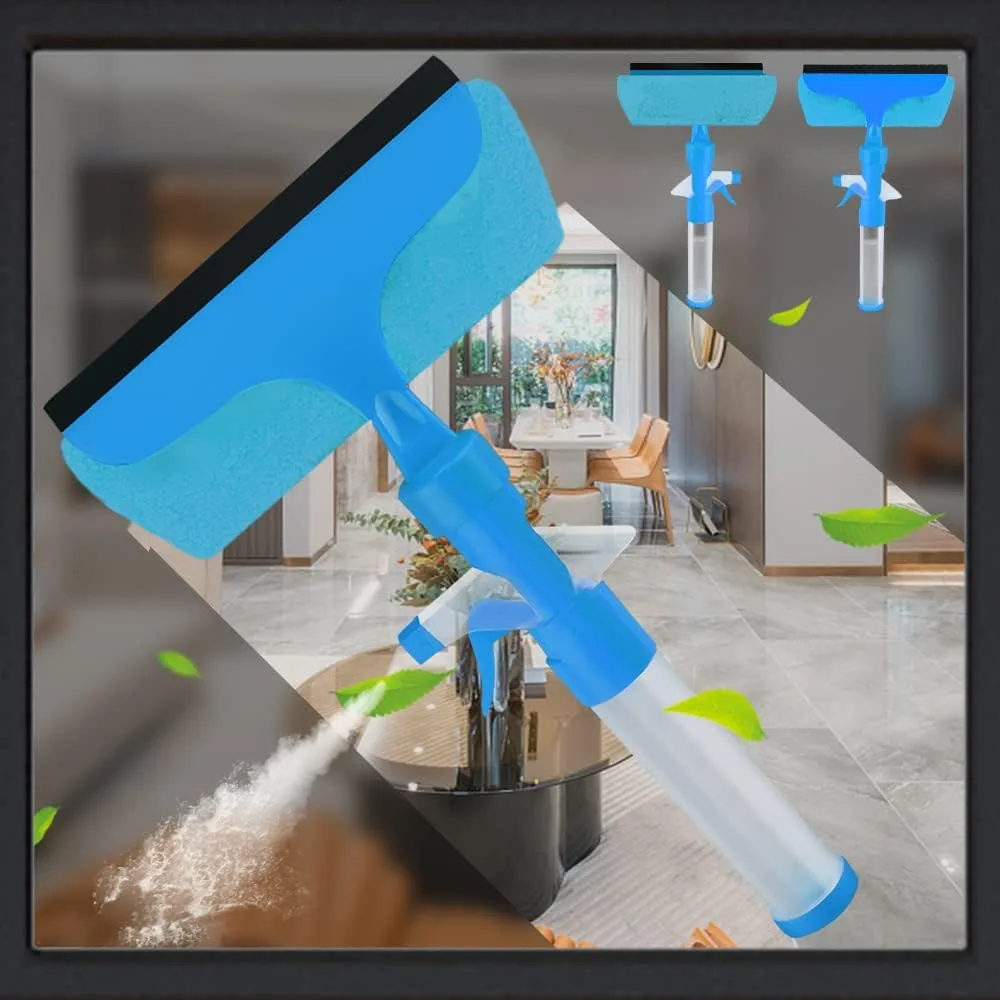
Start by removing dust and cobwebs with a dry microfiber cloth or duster. This prevents scratching the glass when you apply the cleaner.
Bing (Web (fair-use with source credit))
Spray the cleaner directly onto the glass in a light, even layer. Avoid oversaturating, as excess liquid can drip and create streaks. Work in small sections, starting from the top and moving downward.
Use a squeegee for large windows or a microfiber cloth for smaller panes. Wipe in an S-pattern for even coverage. Buff with a dry cloth to remove any remaining moisture.
Common Mistakes That Ruin Your Streak-Free Finish
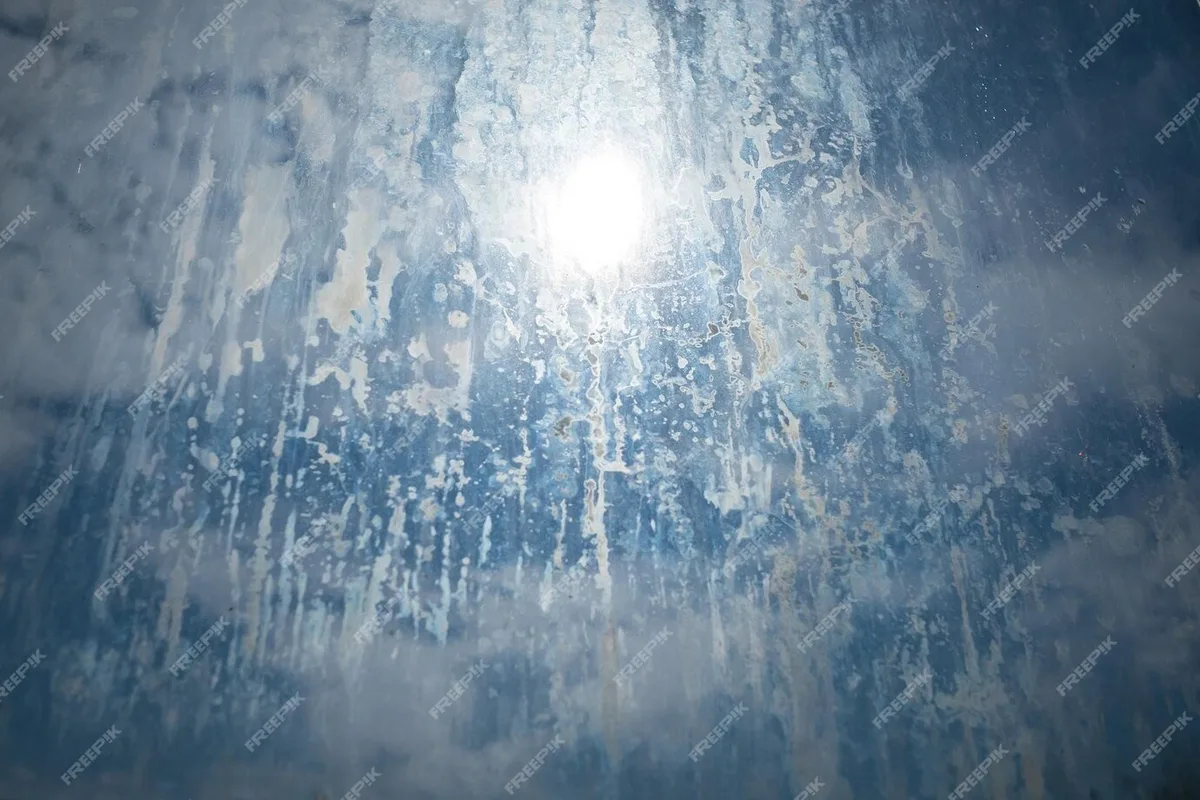
Using too much cleaner is the most common error. Excess liquid pools at the edges and dries unevenly, leaving visible streaks.
Bing (Web (fair-use with source credit))
Cleaning in direct sunlight causes the solution to dry too quickly. This traps dirt and creates a hazy film. Always work in the shade or on cloudy days for best results.
Skipping the dusting step means you’ll push dirt around instead of lifting it. A quick wipe with a dry cloth first makes the cleaner more effective.
Safety & Compatibility: What to Watch Out For
Full crystal cleaners are generally safe, but always check the label for specific warnings. Some formulas may contain alcohol, which can be flammable in concentrated amounts.
Avoid using these cleaners on acrylic or plexiglass surfaces unless the label explicitly states it’s safe. The solvents can cause clouding or damage over time.
For tinted windows, stick to ammonia-free and alcohol-free options if the tint is new or high-end. Manufacturer specs often recommend waiting 30 days after tinting before using any cleaner.
Cost Comparison: Full Crystal vs. Alternatives
Full crystal cleaners cost more upfront than DIY mixes or generic glass cleaners. A 32-ounce bottle typically runs between $8 and $15, while vinegar and water cost pennies per use.
However, the concentration and effectiveness often make them more cost-effective in the long run. You’ll use less product per cleaning session compared to cheaper alternatives that require multiple passes.
| Cleaner Type | Cost per 32 oz | Effectiveness | Longevity |
|---|---|---|---|
| Full Crystal | $8–$15 | High | 1–2 years |
| Ammonia-Based | $4–$8 | Moderate | 1–2 years |
| Vinegar & Water | $0.50–$1 | Low | Weeks |
| Dish Soap & Water | $0.50–$1 | Low | Weeks |
Pro Tips for Flawless, Long-Lasting Results
Use distilled water if you’re diluting a concentrate. Tap water minerals can leave spots as the cleaner dries.
Work in a zigzag pattern when spraying. This ensures even coverage without missing spots. Always wipe edges first, where dirt tends to collect.
For outdoor windows, clean on a cloudy day. Direct sun causes the cleaner to evaporate too fast, leaving streaks. If you must clean in sunlight, work in small sections and dry immediately.
FAQs About Full Crystal Window Cleaner
Is full crystal window cleaner safe for all glass types?
It’s safe for most standard glass, but avoid using it on acrylic or plexiglass unless the label confirms compatibility. Always spot test on a small area first.
Can I use it on car windows?
Yes, it’s safe for automotive glass, including windshields and side windows. Just avoid any cleaner with ammonia if your car has tinted windows.
How often should I clean my windows with this?
For most homes, cleaning every 3 to 6 months is enough. High-traffic areas like kitchens may need monthly cleaning to prevent buildup.
Does it work on hard water stains?
Full crystal cleaners handle light hard water stains well. For heavy mineral deposits, you may need a specialized hard water stain remover first.
What’s the shelf life of an unopened bottle?
Most full crystal cleaners last 1 to 2 years unopened. Once opened, use within 6 to 12 months for best results.
Final Verdict: Is Full Crystal Worth It for You?
If you want streak-free windows with minimal effort, full crystal window cleaner is worth the investment. It outperforms DIY mixes and is safer for modern glass than ammonia-based options.
For occasional cleaning, a DIY solution might suffice. But for consistent, professional-level results, especially on tinted or coated windows, full crystal is the better choice.