ByMax Lee
Ohio Biennial Emissions Testing Rules for 1996+ Cars
Ohio biennial emissions testing requirements for 1996 and newer can feel confusing, especially when rules change by county and vehicle type. The good news is that Ohio’s E-Check program only applies to certain counties and vehicle categories, and the test itself is free and quick for eligible cars.
As of 2026, the state uses an OBD-II scan for 1996 and newer gasoline vehicles in designated areas, while diesels, hybrids, and EVs often qualify for exemptions. Per Ohio EPA’s official E-Check program guidelines, the test aligns with federal OBD-II standards for light-duty vehicles. Here’s how to know if you’re on the hook and what to do next.
YouTube / Alex The Photographer (YouTube thumbnail (fair-use with source credit))
Quick Answer
Ohio biennial emissions testing requirements for 1996 and newer apply only to gasoline vehicles in 7 counties. The test is free for all eligible drivers. It uses a simple OBD-II scan, no tailpipe test needed.
Diesels, hybrids, and EVs are exempt. Some older vehicles also skip testing.
Do You Actually Need an Ohio Biennial Emissions Test for Your 1996 or Newer Vehicle?
You only need the test if you live in one of Ohio’s 7 E-Check counties. The program doesn’t apply statewide, so your first step is checking your county’s status. If you’re in Cuyahoga, Geauga, Lake, Lorain, Medina, Portage, or Summit, you’re in an E-Check zone.
Outside these areas, no emissions test is required for registration. The rule is county-based, not vehicle-based, so moving between areas changes your obligation.
1996+ Vehicle Eligibility: Which Gas, Diesel, Hybrid, and EV Models Are Exempt?
Exempt vehicle categories by powertrain type
Gasoline vehicles from 1996 onward need testing in E-Check counties. Diesels, hybrids, and EVs are automatically exempt. Vehicles over 25 years old are also exempt in most counties.
Some counties may still require testing for newer gasoline models regardless of age.
County-specific eligibility rules
Ohio’s E-Check program only covers 7 counties. If you live outside these areas, no emissions test is required for any vehicle. The requirement is purely location-based, not tied to the car itself.
YouTube / EVreporter (YouTube thumbnail (fair-use with source credit))
How Ohio’s OBD-II Emissions Test Works for 1996 and Newer Vehicles
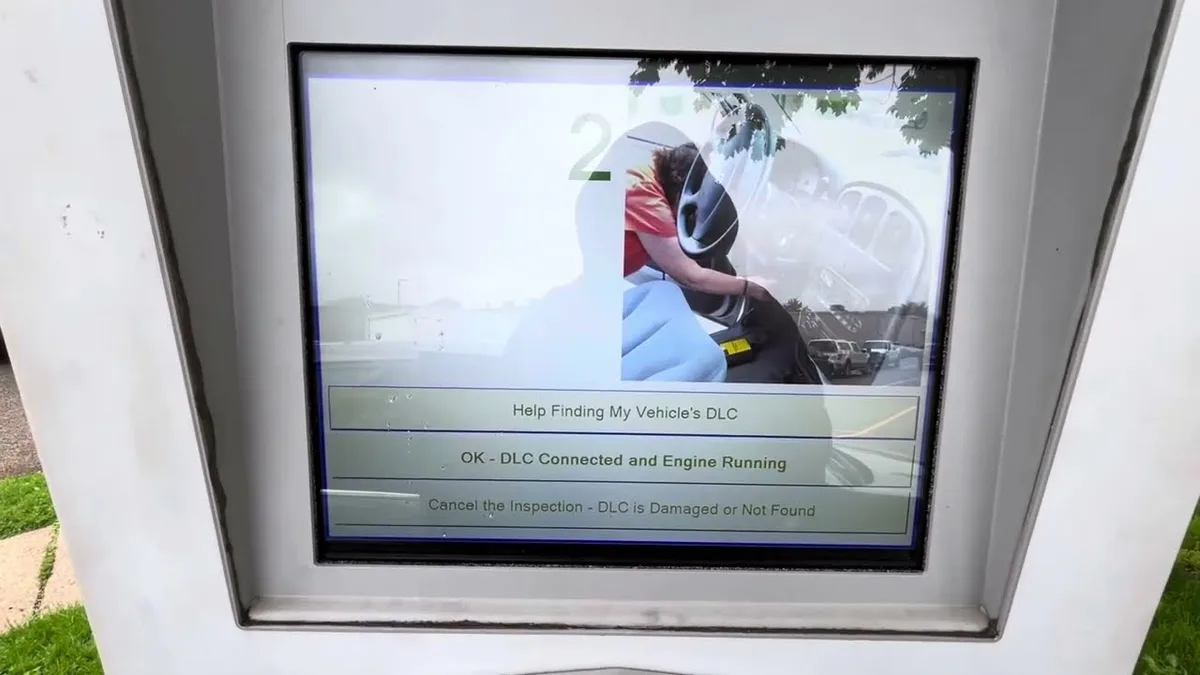
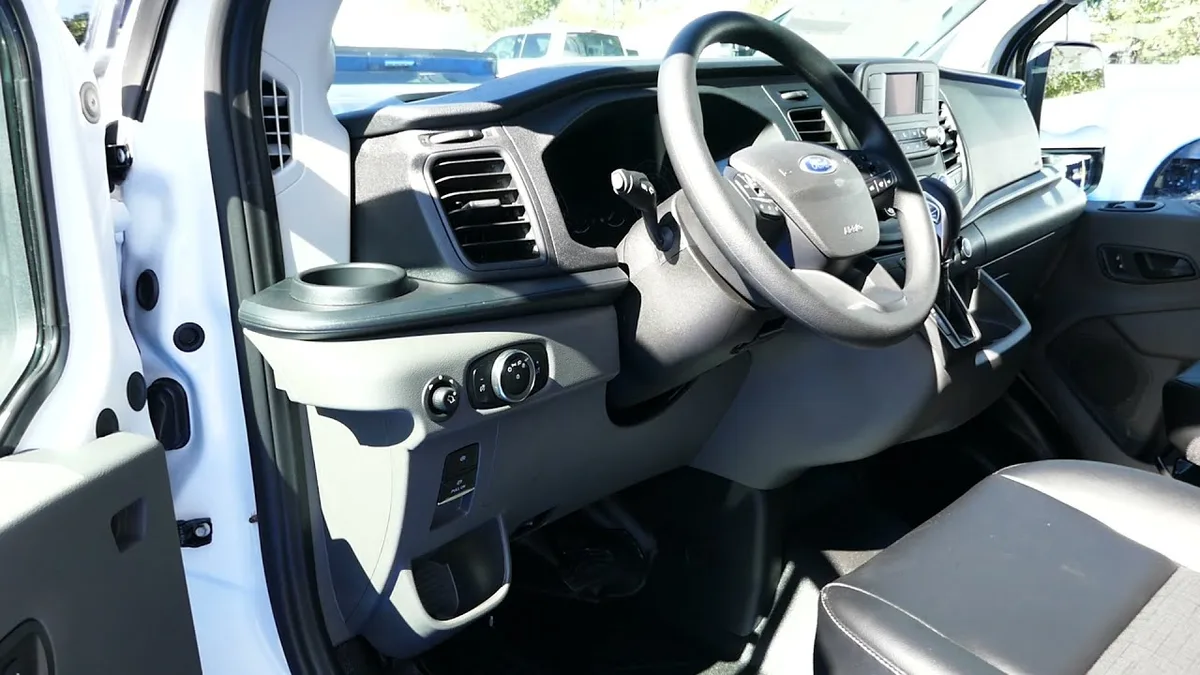
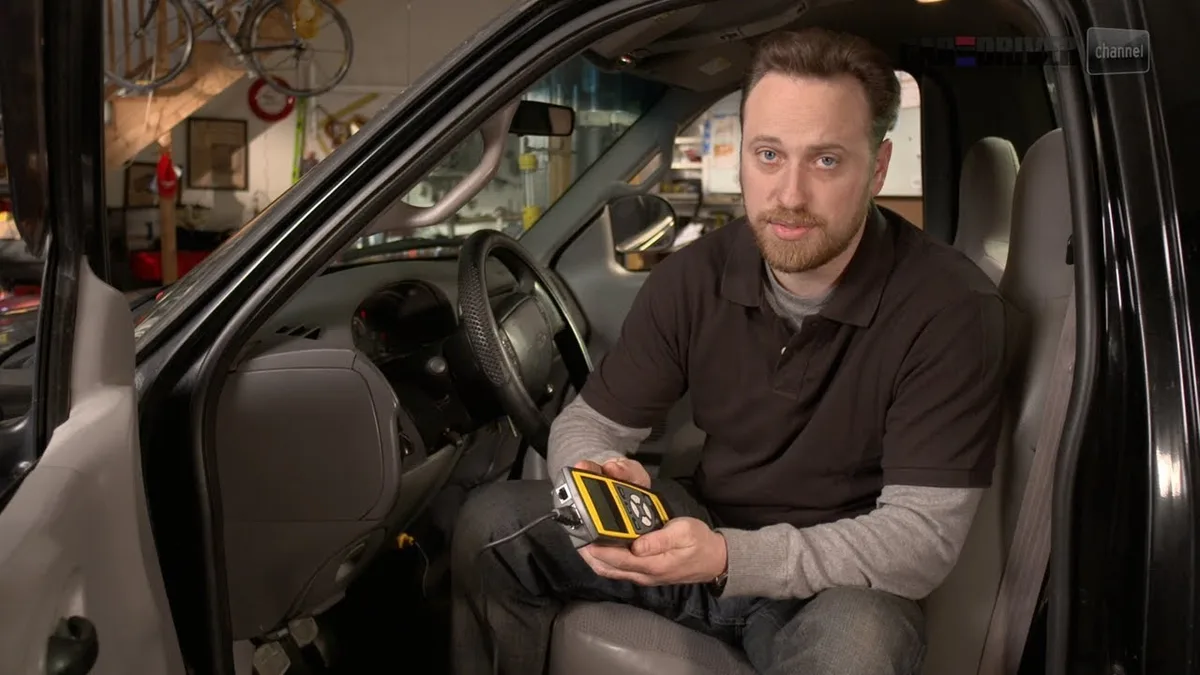
The test relies on your car’s built-in diagnostics system. A technician plugs a scan tool into the OBD-II port, usually located under the dashboard near the steering column. The system checks for emissions-related trouble codes and readiness monitors.
If no issues are found, you pass immediately. No tailpipe test is needed for 1996 and newer models. Ohio’s test method aligns with U.S.
EPA OBD-II standards for 1996 and newer light-duty vehicles, per Ohio EPA’s official E-Check program guidance.
YouTube / Paul79UF (YouTube thumbnail (fair-use with source credit))
Step-by-Step: Complete Your Ohio Biennial Emissions Test (No Pre-Test Prep Required)
Drive to any Ohio EPA-approved E-Check station. No appointment is needed at most locations. Bring your vehicle registration and a valid ID.
The technician will scan your OBD-II port and provide results on the spot. The entire process takes 15 to 30 minutes on average.
If you pass, you’ll get a certificate to submit to the Ohio BMV for registration renewal. If you fail, you’ll receive a detailed report listing the specific issue. You have 60 days to complete repairs and retest for free.
YouTube / Car and Driver (YouTube thumbnail (fair-use with source credit))
Failed Your Emissions Test? Exact Next Steps, Repair Limits, and Waiver Rules
Your test report will list the exact reason for failure, usually a check engine light or incomplete readiness monitors. Address the flagged issue first, as minor problems often cause failures. You have 60 days to complete repairs and return for a free retest.
If your total repair costs exceed $650, you may qualify for a waiver. Bring your failure report and all itemized repair receipts to an approved E-Check station. If approved, you’ll receive a waiver certificate valid for one registration period.
You will still need to pass the test in future years unless your vehicle becomes exempt.
Common Emissions Test Mistakes That Lead to Registration Holds or Unnecessary Repair Costs
The most common mistake is ignoring a check engine light before testing. Even a minor sensor issue will trigger an automatic failure, so address warning lights early. Another frequent error is assuming all Ohio counties require testing.
If you live outside the 7 E-Check counties, you don’t need the test at all, no matter your vehicle’s age or type.
Some owners waste money on unneeded repairs before testing. The test is free, so it’s smarter to take your car first and only fix what’s actually flagged. Failing to keep repair receipts is another common misstep, as you’ll need them to qualify for a waiver if costs run high.
Ohio Emissions Test Costs, Timelines, and Official Metrics to Know
The test is completely free for all eligible drivers. You can also retest for free if you fail your first attempt. No appointment fees or hidden charges apply at official E-Check stations.
| Metric | Value |
|---|---|
| Test cost | $0 (free) |
| Test frequency | Every 2 years |
| Average test time | 15-30 minutes |
| Waiver repair threshold | $650 (total verified repairs) |
| E-Check enforcement counties | 7 (Cuyahoga, Geauga, Lake, Lorain, Medina, Portage, Summit) |
| Eligible model years | 1996 and newer (gasoline light-duty vehicles) |
The $650 waiver threshold applies to total repair costs for the specific emissions issue that caused your failure. You must provide itemized receipts from a licensed repair shop to qualify.
YouTube / WKYC Channel 3 (YouTube thumbnail (fair-use with source credit))
Legal Compliance Rules: Penalties, Exemption Proof, and Out-of-State Vehicle Requirements
Ohio BMV will place a hold on your registration renewal if you skip a required emissions test. The hold stays active until you pass the test or receive an approved waiver. You cannot legally drive a vehicle with a registration hold in Ohio.
If you move to Ohio from another state, you have 30 days to register your vehicle. If you establish residency in an E-Check county, you’ll need to complete the test during that window. Bring your out-of-state registration and proof of address to your test appointment.
Exemption proof is rarely required for diesels, hybrids, or EVs. Keep your vehicle title and registration handy if an official asks for verification. Tampering with your vehicle’s emissions system to avoid testing is illegal under federal and state law, and can result in fines of up to $2,500 per violation.
Quick Decision Guide: Resolve Any Ohio 1996+ Emissions Test Scenario in 60 Seconds
Use this simple flow to troubleshoot any scenario:
- Do you live in one of Ohio’s 7 E-Check counties? , No: No test required, no further action needed.
, Yes: Move to the next question.
- Is your vehicle 1996 or newer and gasoline-powered? , No: Exempt (diesel, hybrid, EV, or pre-1996 model).
, Yes: Test required.
- Did you pass your most recent test? , Yes: Submit your certificate to the BMV for renewal.
, No: Move to the next question.
- Are your verified repair costs over $650? , Yes: Apply for a waiver with your receipts and failure report.
, No: Complete repairs and retest for free within 60 days.

YouTube / Gate Smashers (YouTube thumbnail (fair-use with source credit))
Frequently Asked Questions
Do I need an emissions test if I just moved to Ohio?
You have 30 days to register your vehicle after establishing Ohio residency. If you move to an E-Check county, you must complete the test before you can renew your registration.
What if my check engine light is on?
A check engine light will cause an automatic OBD-II test failure. Get the issue diagnosed and repaired before scheduling your test to avoid a failed result.
Are there any exemptions for classic or antique cars?
Vehicles 25 years or older are typically exempt from testing in Ohio. Check with your local E-Check station if you’re unsure about your vehicle’s eligibility.
How long does the emissions test take?
The OBD-II scan takes 15 to 30 minutes on average. No appointment is needed at most official E-Check stations, though some may offer scheduled slots to reduce wait times.
Can I get a waiver if my car fails the emissions test?
Yes, if your total verified repair costs exceed $650. You’ll need your failure report and itemized repair receipts to submit a waiver request at an approved station.
What happens if I don’t get the required test done?
Ohio BMV will place a hold on your vehicle registration. You cannot legally renew your registration or drive with a suspended registration in the state.