ByMax Lee
Ohio Emissions Test Exemptions: Vehicles Under 4 Years Old
If you’ve recently bought a new or nearly new car in Ohio, you’ve almost certainly looked up Ohio emissions testing exemptions for vehicles under four years old. No one wants to waste $20 and an hour waiting in line for a test their car doesn’t need, but the rules aren’t universal across the state. We’re here to clear up exactly who qualifies and what steps you need to take to avoid fines or registration delays.
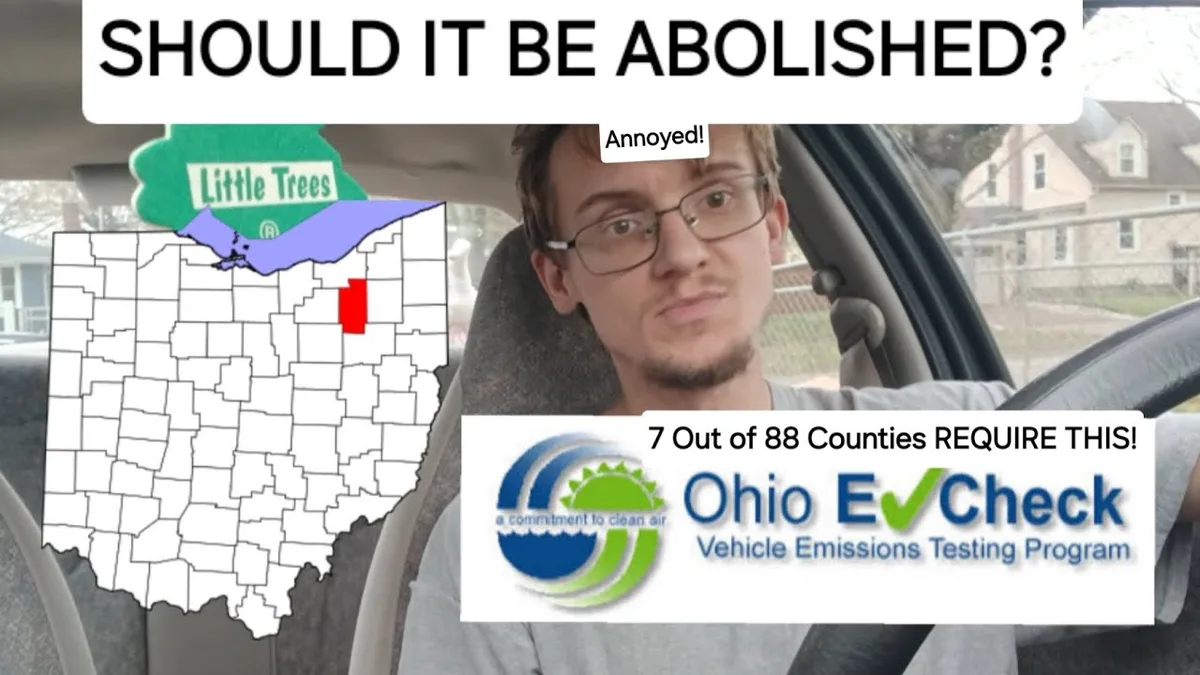
The 4-year exemption is written into Ohio state law, but only 7 counties enforce mandatory emissions testing as of 2026. Eligibility also depends on your vehicle’s model year, fuel type, and where you register it. Let’s start with the plain answer first.
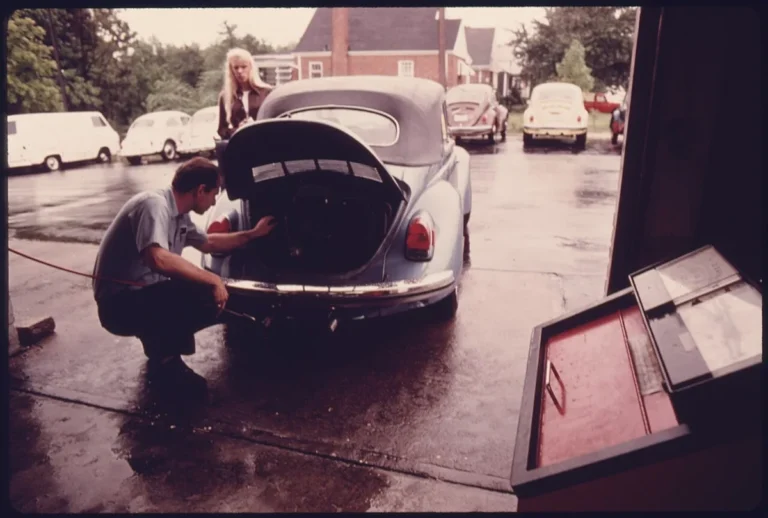
Wikimedia Commons / Unknown authorUnknown author
Quick Answer: Yes, But Only in Some Counties
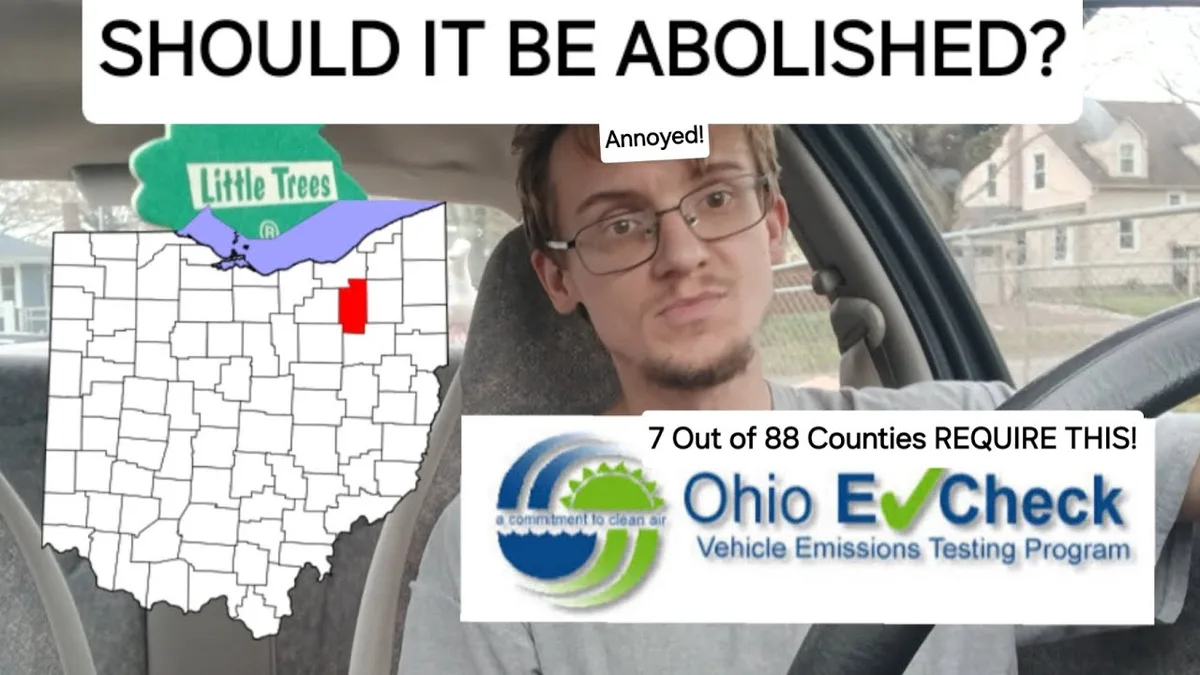
Ohio does exempt vehicles under four years old from emissions testing. This rule applies to most gasoline-powered passenger vehicles. Exemptions only apply in the 7 Ohio counties that require E-Check testing.
You must still prove your vehicle’s age at registration. Check your county’s rules before skipping your test.
How Ohio’s 4-Year Emissions Exemption Works
YouTube / McElroy's Motors (YouTube thumbnail (fair-use with source credit))
Per Ohio Revised Code 3704.14, the state mandates a 4-year emissions exemption for qualifying light-duty vehicles. The clock starts on January 1 of the vehicle’s model year, not its first registration date.
For example, a 2023 model year vehicle is exempt through the 2026 registration period. It becomes subject to testing starting with its 2027 registration.
Gasoline-powered cars and light trucks follow this standard rule. Diesel vehicles over 10,000 pounds and fully electric vehicles follow separate exemption criteria. You can confirm the full rule language via the Ohio EPA’s official E-Check page.
Which Ohio Counties Still Require Testing?
YouTube / Someka (YouTube thumbnail (fair-use with source credit))
The exemption only applies in counties that participate in Ohio’s E-Check program. Most Ohio counties do not require emissions testing at all.
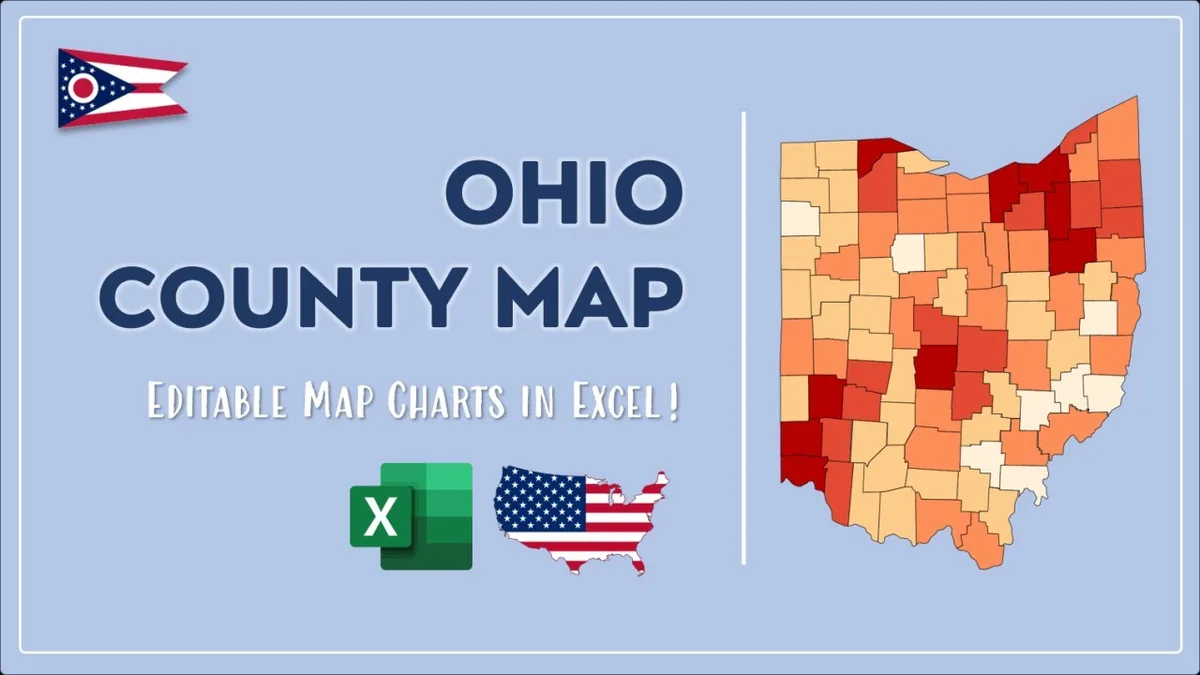
Only 7 counties enforce mandatory testing for eligible vehicles as of 2026. These are Cuyahoga, Franklin, Hamilton, Lake, Licking, Medina, and Summit.
All other counties skip emissions testing entirely, exempt or not. If you register your vehicle outside these 7 counties, you never need an emissions test. If you move from an E-Check county to a non-E-Check county, you no longer need to test your vehicle.
The Ohio BMV’s online registration portal automatically flags if your county requires testing.
Step-by-Step: How to Check If Your Vehicle Is Exempt
YouTube / FormsPal (YouTube thumbnail (fair-use with source credit))
Follow this 3-step workflow to confirm your exemption status in 2 minutes flat.
- Find your vehicle’s model year on your Ohio title, current registration, or driver’s side door jamb sticker.
- Confirm your county is one of the 7 E-Check counties listed above.
- Calculate if your vehicle’s model year is 4 years or newer than the current calendar year as of 2026.
If you meet all three criteria, you are fully exempt from emissions testing in your county. If your county does not require E-Check testing at all, you are exempt regardless of your vehicle’s age. If your model year is older than the 4-year cutoff, you will need to pass an emissions test to renew your registration.
What Counts as “Under 4 Years Old”?
The 4-year exemption uses your vehicle’s official model year, not the date you bought it or first registered it in Ohio. A car bought new in 2024 with a 2023 model year still counts as a 2023 model for exemption eligibility.
This rule applies to leased vehicles too, which follow the model year of the vehicle itself, not the lease start date. If you purchased a used car with a 2021 model year in 2024, it does not qualify as under 4 years old.
The Ohio BMV uses the model year printed on your official title to calculate eligibility. There are no exceptions for low-mileage vehicles or recent out-of-state purchases.
Other Ohio Emissions Exemptions You Might Qualify For
The 4-year rule isn’t the only way to skip the test. Hybrid and electric vehicles are exempt from emissions testing in all Ohio counties.
Diesel-powered vehicles under 10,000 pounds follow the same 4-year rule as gasoline vehicles. Vehicles over 10,000 pounds are exempt from E-Check testing entirely.
Motorcycles, recreational vehicles, and farm equipment are also exempt. Classic cars over 25 years old with historical plates don’t require testing. If your vehicle fails an initial test, you may qualify for a one-time waiver if you’ve spent at least $650 on emissions-related repairs.
Common Mistakes That Get Ohio Drivers in Trouble
YouTube / McElroy's Motors (YouTube thumbnail (fair-use with source credit))
Assuming all new cars are exempt is the most common error. Some drivers forget that the exemption only applies in E-Check counties. Others miscalculate their vehicle’s age, using the purchase date instead of the model year.
Out-of-state residents often assume their home state’s rules apply in Ohio. Leased vehicle owners sometimes overlook that the exemption follows the car’s model year, not the lease term. Failing to bring proper documentation to the BMV can delay your registration even if you’re exempt.
What Happens If You Skip the Test When You’re Not Exempt?
You won’t pass registration without a valid emissions test in E-Check counties. The BMV will reject your renewal until you provide proof of a passing test. Driving with expired plates can result in fines up to $150.
If you’re pulled over with expired registration, you’ll face additional penalties. The Ohio BMV may also flag your vehicle for increased scrutiny in future registrations.
FAQs About Ohio’s Emissions Testing Rules
Do I need an emissions test if I just moved to Ohio?
Yes, if you register in one of the 7 E-Check counties and your vehicle is older than 4 model years. New residents must comply with the same rules as Ohio residents. You’ll need to get an Ohio title and registration within 30 days of establishing residency.
Can I get a temporary waiver if my car fails?
Yes, but only if you’ve spent at least $650 on qualifying emissions repairs. You must apply for the waiver through the Ohio EPA. The waiver is a one-time exception and doesn’t guarantee future exemptions.
Are hybrid vehicles exempt from emissions testing?
Yes, all hybrid and electric vehicles are exempt in Ohio. This applies regardless of the vehicle’s age or where you register it. The exemption covers both plug-in and non-plug-in hybrids.
What if my vehicle is registered in a non-E-Check county but I drive in one?
You only need to test if your vehicle is registered in an E-Check county. If your registration is in a non-E-Check county, you don’t need to test even if you drive through E-Check areas. The requirement follows your registration address, not where you drive.
How do I prove my vehicle is exempt?
Bring your vehicle title or current registration showing the model year. The BMV will verify your county and model year automatically. No additional paperwork is required for the 4-year exemption.
Final Checklist: Are You Really Exempt?

YouTube / OhioDeptOfTaxation (YouTube thumbnail (fair-use with source credit))
Confirm your vehicle is gasoline or diesel under 10,000 pounds. Check that your model year is within the 4-year window. Verify your registration county is one of the 7 E-Check counties.
If all three conditions are met, you’re exempt. If not, you’ll need to schedule and pass an emissions test. Keep your title or registration handy when visiting the BMV to prove eligibility.