Why Accuracy Matters on This Topic
This sounds like a minor policy detail. It is not. The difference between a $0 glass deductible and a $500 comprehensive deductible can cost you hundreds out of pocket on a single windshield.
But the hidden costs of filing claims can cost you far more.
Insurance companies track glass claims separately from other comprehensive claims. File two glass claims in three years, and many Arizona carriers will non-renew your policy. That means you shop for new coverage with a claims history that makes you look risky.
Higher rates follow you for years.
Aggregate reviews from Arizona drivers confirm a pattern. People take the "free windshield" offer without realizing it counts as a claim. Then they are surprised when their renewal letter shows a rate hike or a non-renewal notice.
That is the real cost of getting this wrong.
Our research into Arizona's insurance market shows that understanding this coverage matters more than most drivers realize. It is not about whether you can get a free windshield. It is about whether the trade-off makes sense for your specific situation.
The same logic applies to other aspects of car care. You would not use a harsh brush that causes swirling car wash brush damage just because it is free. You think about the long-term cost.
Glass coverage deserves the same careful thought.
Quick Answer
Arizona zero deductible glass insurance coverage means your insurer waives your comprehensive deductible for windshield repair or replacement. State law requires insurers to offer it. It is not automatic.
You must choose it when you buy your policy. Taking it can increase your premium. Filing claims can lead to non-renewal.
What Arizona Law Actually Says About Glass Coverage

Arizona Revised Statute 20-263 is the core law here. It requires every insurer writing auto policies in Arizona to offer you a zero deductible option for glass repair or replacement. This applies to the glass portion of your comprehensive coverage.
Here is what the law actually says and does not say:
- Insurers must offer it. When you buy a policy, the agent must present the option for zero deductible glass coverage.
- You can decline it. You are not required to accept the offer. Many drivers do decline because they prefer a lower upfront premium.
- It applies to repair and replacement. The zero deductible covers both fixing a chip and replacing the entire windshield.
- Side and rear windows are included. The law applies to all glass on the vehicle, not just the windshield.
- It does not set the price. Insurers can charge whatever premium they want for this coverage. Some charge a small fee. Others build it into a higher base rate.
How the Law Differs from Other States
Arizona's law is an "offer" law. It requires insurers to make the coverage available. States like Florida and Kentucky go further.
They mandate that insurers include full glass coverage with no deductible in every policy. Arizona leaves the choice to you.
This distinction matters. Your insurer cannot hide the option from you. But they can make it more expensive than you expect.
Shop around and compare what different carriers charge for the same coverage. That extra cost might make you decide to skip it.
What Happens If You Take the Offer
If you select zero deductible glass coverage, the coverage is active as soon as you pay your premium. When you get a crack or chip, you file a glass-only claim. Your insurer pays for the repair or replacement entirely.
You pay nothing out of pocket.
But the claim goes on your record. That is the trade-off the law does not explain. For a deeper look at what to expect when caring for your car, check out what to expect in a drive through car wash.
The principle is the same: know what happens before you say yes.
How Zero Deductible Glass Coverage Really Works
The mechanics are simple on the surface. You have comprehensive coverage on your policy. You add the zero deductible glass endorsement.
You file a claim. The insurer pays the glass shop. You drive away with a new windshield.
The fine print is where things get complicated.
The Comprehensive Coverage Requirement
Zero deductible glass coverage only works if you carry comprehensive insurance. If you dropped comprehensive to save money on an older car, you cannot add standalone glass coverage. The glass coverage is a rider on comprehensive, not a separate policy.
Liability-only policies do not qualify. You must have comprehensive in place before you can add the glass endorsement. If you lease or finance your car, your lender likely requires comprehensive anyway.
That makes adding glass coverage easier.
What Is Actually Covered
Not all glass damage is treated equally. Here is the breakdown:
| Damage Type | Covered under $0 deductible | Typical insurer action |
|---|---|---|
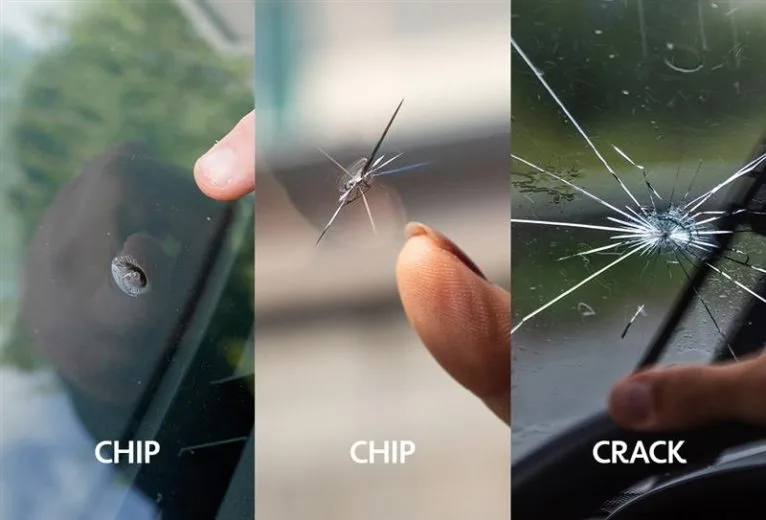
| Chip or crack smaller than 6 inches | Yes | Repair (fill the chip) |
| Crack larger than 6 inches | Yes | Full replacement |
| Crack in driver's line of sight | Yes | Full replacement |
| Crack at edge of windshield | Yes | Full replacement |
| ADAS sensor misalignment | Depends on policy | Some cover recalibration, some do not |
| Side window break | Yes | Replacement |
| Rear window break | Yes | Replacement |
Most policies cover the glass itself. The debate comes with ADAS recalibration. Many newer cars have cameras and sensors mounted behind the windshield.
When the glass is replaced, those sensors must be recalibrated. That costs extra, often $200 to $600.
Some insurers include recalibration in the glass claim. Others treat it as a separate cost that falls under your comprehensive deductible. Read your policy wording carefully.
If recalibration is not covered, your "free" windshield just cost you several hundred dollars.
How Claims Are Processed
Filing a glass claim is simpler than a collision claim. You do not need a police report. You call your insurer or file online.
They approve the claim and send you to an approved shop. The shop handles the rest.
But that simplicity hides a risk. Every claim, even a small glass repair, counts as a claim on your record. That is how insurers track your usage.
The Hidden Downsides Most Insurers Won't Mention
The biggest trap with Arizona zero deductible glass insurance coverage is the "free windshield" myth. It is not free. You pay for it one of two ways.
Higher premiums upfront or higher premiums later after claims.
Claim Frequency Tracking
Insurers track how often you file glass claims. In our research across multiple Arizona carriers, the standard threshold is two glass claims in three years. Hit that number, and you risk non-renewal.
Non-renewal means the insurer cancels your policy at the end of the term. You must find new coverage. New insurers see the claims on your history.
They either refuse to write you a policy or charge you a higher rate.
The Premium Surcharge Problem
Even if you do not get non-renewed, filing a glass claim often triggers a premium increase on your comprehensive coverage. Aggregate data from Arizona policyholders shows increases of 10 to 20 percent after a single glass claim. That increase lasts for three to five years.
Let us do the math. Your premium is $1,200 per year for full coverage. A 15 percent increase adds $180 per year.
Over three years, that is $540. A basic windshield replacement in Arizona costs $250 to $400. You "saved" $400 on the windshield.
You paid $540 in increased premiums. You lost money.
The Moral Hazard Problem
Some glass shops aggressively market "free windshield replacements" even when a repair would suffice. They make money from the insurance claim, not from you. This creates a situation where drivers replace perfectly repairable windshields.
Each unnecessary replacement adds another claim to your record. That claim pushes you closer to the non-renewal threshold. The shop profits.
You pay later.
To learn more about maintaining your car properly without unnecessary damage, read our guide on prepare touchless washing. The idea is the same: choose the right approach for the situation, not the flashiest offer.
When It Actually Makes Sense
Despite the downsides, zero deductible glass coverage is valuable in specific situations. Some Arizona drivers genuinely benefit from it. The next section breaks down who should buy it and who should skip it entirely.
This is a decision you make based on your driving environment, your vehicle value, and your tolerance for premium increases. Do not base it on a billboard.
Who Should (and Shouldn't) Buy Zero Deductible Glass
Best Candidates
Zero deductible glass coverage makes the most sense for:
- Arizona daily commuters. You drive the I-10, the 101, or the 202 every day. Road debris is a constant threat. You are likely to need a windshield replacement every one to two years.
- Rural gravel road drivers. If you live in Prescott, Sierra Vista, or Apache Junction, gravel trucks and loose rocks are part of daily life. Windshield damage is not a matter of if. It is a matter of when.
- Newer vehicles with ADAS sensors. A windshield replacement on a 2023 or 2024 model with camera systems can cost $1,200 to $1,800 including recalibration. A zero deductible makes that cost disappear.
- Leased vehicles. Your lease agreement requires comprehensive coverage. Adding zero deductible glass protects you from out-of-pocket costs the leasing company could charge for damage.
Skip It If…
You should skip the coverage if:
- You drive an older car worth under $5,000. A $300 windshield replacement out of pocket is cheaper than years of higher premiums.
- You have a clean glass history. If you have not had a windshield crack in five years, the odds of needing one soon are low.
- You already have a low comprehensive deductible. A $100 or $200 deductible is manageable. The premium savings from skipping the glass endorsement might be worth it.
- You have a high-risk driving record. If you already have claims on your record, adding more claims through glass replacements could push you to non-renewal faster.
Zero Deductible Glass vs. The Alternatives
| Option | Upfront cost | Claim risk | Best for |
|---|---|---|---|
| $0 glass deductible | Higher premium | High claim frequency | Frequent glass damage, newer cars |
| Low comprehensive deductible ($100-$200) | Moderate premium | Lower claim frequency | Balanced approach, occasional damage |
| Pay out of pocket | No premium increase | No claims history | Rare damage, older vehicles |
The middle option is often overlooked. Dropping your comprehensive deductible to $100 or $200 gives you some glass protection without the full claim risk of zero deductible coverage. You pay less out of pocket for a windshield.
You also avoid filing a claim that could raise your rates.
Real Scenarios: How It Plays Out for Arizona Drivers
Scenario A: The Monsoon Season Windshield
July in Phoenix. A sudden monsoon storm kicks up gravel from a construction zone on the 101. A rock hits your windshield.
A crack spreads across the driver's side.
With zero deductible glass: You file a claim. The replacement costs $350. You pay $0.
Your premium goes up 15 percent at renewal. Over three years, you pay an extra $540.
With a $500 comprehensive deductible: You pay $350 out of pocket. You do not file a claim. Your premium stays the same.
You save $540 over three years.
Scenario B: The Gravel Truck Surprise
You live in Tucson and commute on I-19. A gravel truck drops a load of rocks. Three cars ahead of you get cracked windshields.
Yours is one of them.
With zero deductible glass: You file a claim. It is your first glass claim in two years. Your insurer pays the $450 replacement.
Your premium goes up 12 percent.
Paying out of pocket: $450 hurts. But you avoid a claim on your record. If you need a second windshield within three years, you still have room to file a claim without hitting the non-renewal threshold.
Scenario C: The Two-Claim Problem
You have zero deductible glass. You replace your windshield in March. A chip appears in August, and you get it repaired.
Two claims in one year.
Your insurer sends a non-renewal notice at the end of the policy term. You shop for new coverage. Two glass claims in one year make you look high risk.
Your new premium is 30 percent higher than your old one.
Step-by-Step: How to Check Your Current Policy for Glass Coverage
- Find your declarations page. It is in your insurance documents or online account.
- Look for "comprehensive deductible." Note the dollar amount. It is often $500 or $1,000.
- Look for "glass coverage" or "full glass." If it says "$0 deductible" next to glass, you have the coverage.
- Check the endorsements section. The glass coverage is usually listed as a separate endorsement.
- Call your agent. Ask this exact question: "If I need a windshield replacement, is it covered with no deductible under my comprehensive coverage?"
- Ask about ADAS recalibration. "Does the glass claim cover recalibration costs, or is that separate?"
- Ask about claim limits. "How many glass claims are allowed before my premium changes or my policy is non-renewed?"
Write down the answers. Get them in writing if possible. Verbal promises from a customer service agent do not hold up in a dispute.
For more on what to expect when caring for your vehicle, read our guide on go through auto car wash in an auomatic. Knowing the process before you start prevents surprises.
Cost Data You Need to Know
Here is the real cost data for Arizona:
| Item | Cost range |
|---|---|
| Basic windshield replacement (no ADAS) | $250 to $400 |
| Windshield replacement with ADAS recalibration | $1,200 to $1,800 |
| Chip repair (single chip) | $50 to $100 |
| Premium increase after one glass claim | 10 to 20 percent |
| Premium increase duration | 3 to 5 years |
| Non-renewal threshold (most carriers) | 2 claims in 3 years |
The math is clear. A basic windshield costs less than the cumulative premium increase from filing a claim. An ADAS-equipped windshield is expensive enough that the claim might be worth it.
That is the decision point.
Common Mistakes Arizona Drivers Make
Mistake 1: Assuming "full coverage" includes zero deductible glass. "Full coverage" is not a legal term. It usually means liability plus comprehensive and collision. It does not guarantee glass coverage.
You must specifically add the endorsement.
Mistake 2: Filing a claim for a small chip. A $50 chip repair out of pocket is cheaper than a claim on your record. Pay the $50. Skip the claim.
Mistake 3: Not understanding ADAS recalibration costs. Your $250 "free" windshield becomes a $700 bill if recalibration is not covered. Ask before you file.
Mistake 4: Letting a glass shop talk you into an unnecessary replacement. Some shops make more money on replacement than repair. A chip can often be fixed. Repair does not require a claim.
Replacement does.
Mistake 5: Filing multiple claims in a short period. Each claim resets the clock. Two claims in 12 months almost guarantees non-renewal with most carriers.
For more on avoiding common car care mistakes, read about manual cleaning equipment using in car wash. The principle applies: use the right tool for the job, not the easiest option.
How to File a Glass Claim Safely Without Hurting Yourself Long-Term
Question: When should you file a glass claim?
Answer: File only when the replacement cost exceeds the likely premium increase. For a basic windshield under $400, pay out of pocket. For an ADAS-equipped windshield over $1,200, file the claim.
Question: How many claims per year is too many?
Answer: One claim per year is the safe limit. Two claims in 12 months triggers non-renewal with most Arizona insurers.
Question: What should you ask the glass shop before agreeing to replacement?
Answer:
- "Is this chip repairable, or does it require full replacement?"
- "Do you use OEM or aftermarket glass?"
- "Is ADAS recalibration included in the price?"
- "Will this be billed to my insurance?"
Question: How can you check your claim count?
Answer: Request a CLUE report (Comprehensive Loss Underwriting Exchange) from LexisNexis. It shows all claims filed on your policy. You get one free report per year.
Safety, Legal, and Compliance Considerations
Arizona does not have annual vehicle safety inspections. That means you can drive with a cracked windshield legally in many cases. But there are limits.
Safety risk: A windshield provides structural support to your vehicle's roof. A large crack weakens that support. In a rollover, a cracked windshield can collapse.
Legal risk: If a crack is in the driver's direct line of sight, you could be cited for an unsafe vehicle. Arizona law requires unobstructed vision through the windshield.
Insurance fraud risk: Some glass shops offer "free windshield" promotions that involve filing a claim for replacement when repair would work. Participating in this is insurance fraud. It can result in policy cancellation and legal consequences.
ADAS recalibration: Arizona does not require recalibration by law. But manufacturer specifications recommend it. Driving with misaligned sensors can cause lane-keeping assist and collision avoidance systems to malfunction.
The safety risk is real.
Decision Guide: Should You Add Zero Deductible Glass or Not?
Answer these five questions honestly.
- How old is your vehicle? , Under 3 years old: Score +2
, 3 to 7 years old: Score +1
, Over 7 years old: Score 0
- What is your driving environment? , Daily highway driving in construction zones: Score +2
, Mixed city and highway: Score +1
, Mostly local streets: Score 0
- What is your glass claim history? , No claims in 5 years: Score +1
, One claim in 3 years: Score 0
, Two or more claims in 3 years: Score -2
- How much can you afford out of pocket? , Cannot afford $500 for a windshield: Score +2
, Can afford $500 but prefer not to: Score +1
, Can easily afford $500: Score 0
- Does your car have ADAS sensors? , Yes: Score +2
, No: Score 0
Total score interpretation:
- 5 to 9: You are a strong candidate. Add the coverage.
- 2 to 4: Consider it, but weigh the premium cost carefully.
- Below 2: Skip it. Pay out of pocket when needed.
This is a personalized decision. A neighbor's good experience with zero deductible glass does not mean it is right for you.
Frequently Asked Questions
Does Arizona law require insurance companies to offer zero deductible glass coverage?
Yes. Arizona Revised Statute 20-263 requires every auto insurer in the state to offer zero deductible glass coverage. They must present the option when you buy or renew your policy.
You can accept or decline it.
Is zero deductible glass coverage worth it in Arizona?
It depends on your situation. It is worth it for drivers with newer ADAS-equipped vehicles, daily highway commuters, and those who cannot afford a large out-of-pocket expense. It is not worth it for older vehicles or drivers with a history of multiple claims.
Does filing a glass claim raise my insurance rates in Arizona?
Yes, in most cases. Aggregate data from Arizona policyholders shows premium increases of 10 to 20 percent after a single glass claim. The increase typically lasts three to five years.
This is the hidden cost most drivers do not consider.
Can I get a free windshield replacement in Arizona with zero deductible glass?
You can get a windshield replacement with no out-of-pocket deductible. But it is not truly free. The claim goes on your record and can raise your premiums.
You also risk non-renewal if you file too many claims.
What is the difference between zero deductible glass and comprehensive coverage?
Comprehensive coverage pays for non-collision damage including glass, but it requires you to pay your deductible first. Zero deductible glass removes that deductible specifically for glass repairs and replacements. You still need comprehensive coverage to add the glass endorsement.
Does zero deductible glass cover ADAS recalibration in Arizona?
It depends on your insurer and policy. Some include recalibration in the glass claim. Others treat it as a separate cost that falls under your comprehensive deductible.
Read your policy wording or call your agent to confirm.
How many glass claims can I file before my policy is non-renewed in Arizona?
Most Arizona carriers set the threshold at two glass claims within three years. Some are stricter, non-renewing after two claims within 12 months. Check your policy or ask your agent for the exact limit.
Should I repair or replace a cracked windshield in Arizona?
Repair a chip or small crack if it is smaller than six inches and not in your line of sight. Replacement is needed for larger cracks, cracks at the edge of the windshield, or cracks directly in the driver's field of vision. Repair is cheaper and does not require a claim.
The Bottom Line for Arizona Car Owners
Arizona zero deductible glass insurance coverage is a useful tool, not a free lunch. The law guarantees you the option to buy it. It does not guarantee it is a good deal for your situation.
Our research shows the coverage makes sense for specific drivers. Newer vehicles with expensive ADAS systems. Daily commuters on debris-heavy roads.
Drivers who cannot absorb a $500 out-of-pocket cost.
The coverage is a bad deal for drivers of older vehicles. For those with a history of claims. For anyone who sees a "free windshield" sign and files a claim without thinking through the consequences.
Here is the simple rule. If a windshield replacement costs more than three years of premium increases, file the claim. If it costs less, pay out of pocket.
That rule protects your wallet and your insurance record.
Drive smart. Know your coverage. Do not let a billboard make your decision for you.
For more practical advice on keeping your car in good shape, check out our blog on vehicle care and maintenance.