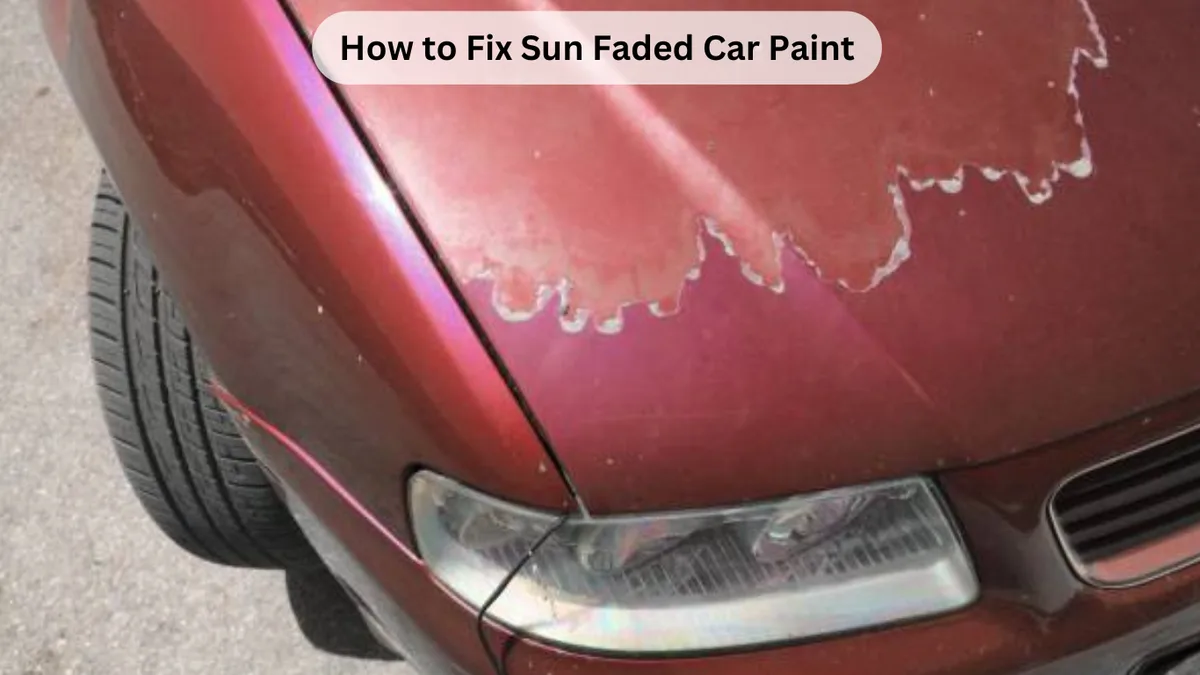
If you drive in Arizona, you've seen it. That faded hood. The peeling clear coat.
The dull, chalky finish that used to shine. Protecting car paint from Arizona UV damage isn't just about keeping your car looking good. It's about preserving its value and avoiding a costly respray down the road.
Arizona's UV index averages 8 to 11 from May through September, per NOAA data. That's extreme. Dark paint surfaces can hit 195°F in direct afternoon sun.
The combination of intense ultraviolet radiation and blistering heat chemically breaks down clear coat and paint pigments faster than almost anywhere else in the country. So what actually works here?
Quick Answer
A ceramic coating or paint protection film is your best bet. Both block UV rays. Both last years.
Wax melts in weeks. Sealants fade in months. Park in the shade when you can.
Wash with pH-neutral soap. That's the short version.
Why Arizona Sun Is a Different Beast (and Why Your Paint Is Losing)
Standard automotive clear coat is formulated to handle UV exposure. But it's tested against average conditions, not Arizona extremes. The UV light here is more intense because of lower latitude and thinner atmosphere.
And the heat accelerates every chemical reaction that breaks down paint.
Most clear coats use UV absorbers and hindered amine light stabilizers (HALS). These additives get consumed over time. In Arizona, they burn through faster.
A car parked outside in Phoenix can show clear coat failure in two to three years. That same car in Seattle might look fine for eight.
The heat also causes thermal expansion. The paint layer expands and contracts daily. This creates micro-cracks.
Those cracks let moisture in. Then the clear coat lifts and peels. It's a cascade.
Our research shows that the single biggest mistake Arizona car owners make is treating their paint like they would in a milder climate. Standard wax every three months doesn't cut it here. Neither does a cheap spray-on sealant from the auto parts store.
The sun eats them alive.
Step 1: Know Your Situation — Three Questions That Change Everything
The right protection depends on your specific situation. There's no universal answer. Answer these three questions honestly.
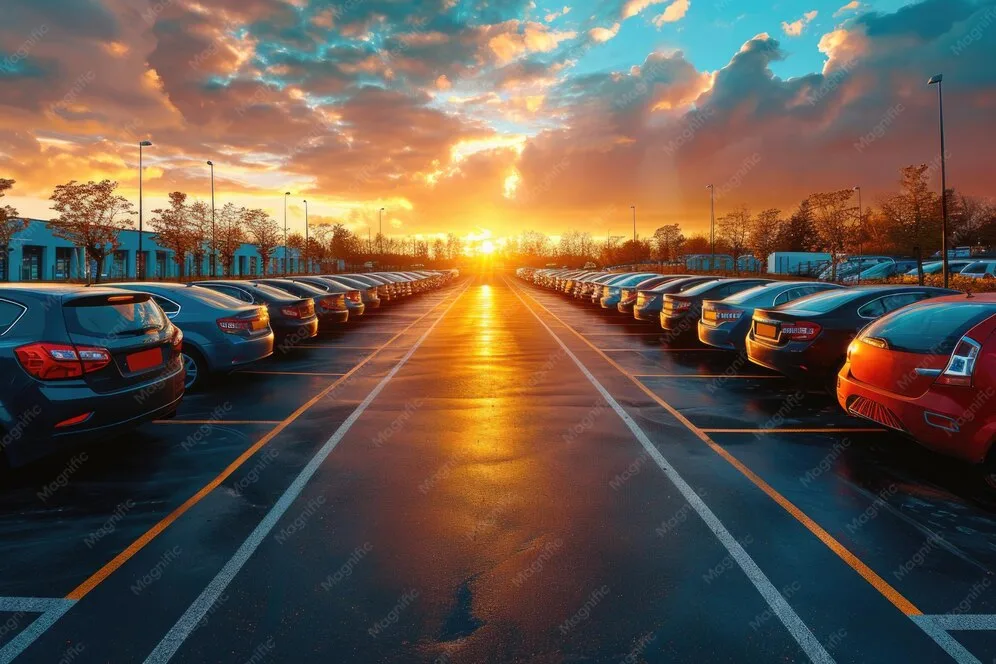
Where does your car sleep?
Garage-kept cars have a huge advantage. They avoid direct UV for 12 to 16 hours a day. That dramatically extends any coating's lifespan.
A car parked on the street or in an uncovered lot? That paint is under attack every daylight hour. Your protection strategy changes accordingly.
How old is your paint?
New cars have full clear coat thickness, typically 35 to 55 microns. You can apply a long-term coating directly. Older cars may have thin or failing clear coat.
Some have single-stage paint with no clear layer at all. In those cases, paint correction and a different approach is needed.
How much time and money are you willing to spend?
Ceramic coatings cost more upfront but last years. Wax costs little but requires monthly reapplications. PPF costs the most but offers the best physical protection.
Be honest about your budget and your willingness to maintain it.
Step 2: The Decision Tree — Your Protection Path Based on Real Answers
Use your answers from Step 1 to find your branch.
Branch A: Parked in direct sun daily, tight budget
You need maximum durability per dollar. Skip carnauba wax. It won't last two weeks in July.
A synthetic sealant or a consumer-grade spray ceramic coating is your best option. These last three to six months. Reapply before the protection fades.
Wash with a pH-neutral car shampoo to avoid stripping the coating.
Branch B: Garage-kept, newer car, willing to invest
Professional-grade ceramic coating or full-front PPF. Both block UV effectively. Ceramic gives gloss and ease of washing.
PPF gives rock chip protection plus UV blocking. Many owners do PPF on the hood and front bumper, then ceramic on the rest. That's a smart combo.
Maintenance matters: use the right car shampoo for PPF to avoid damaging the film.
Branch C: Street-parked, older paint, just want it to survive
Focus on preventing further damage. A quality synthetic sealant applied every two to three months will buy you time. A car cover when parked for extended periods helps enormously.
For older single-stage paint, a ceramic coating can be applied after careful paint correction. But only if the clear coat is still intact.
Branch D: Off-road or work vehicle, need toughness
PPF on high-impact areas. Ceramic coating on the rest. These vehicles face dust, sand, and brush scratches on top of UV.
The film handles abrasion better than any coating. Wash carefully to avoid swirling car wash brush damage. Use a pre car wash spray to loosen dirt before touching the paint.
Learn more about proper maintenance routines on our blog.
The Four Real Options (Ranked by Arizona Suitability)
Let's break down the main options. Each has strengths and weaknesses in Arizona's climate.
Ceramic Coating
The gold standard for UV protection. A professional-grade ceramic coating can last five to nine years. Consumer spray versions last one to three years.
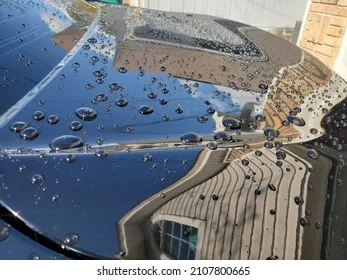
It forms a hard, hydrophobic layer that blocks UV and makes washing easier. Heat curing in Arizona sun is actually an advantage if done correctly. The dry climate helps the coating bond quickly.
Best for: garage-kept cars and daily drivers where you want long-term protection without monthly reapplications. If you're curious about how ceramic stands up to other environmental threats, check out our article on whether ceramic coating protects against salt.
Paint Protection Film (PPF)
This is a physical layer of thermoplastic urethane. It blocks UV, absorbs impacts, and self-heals minor scratches in the heat. Thickness ranges from 6 to 12 mil.
Full front wrap costs $1,200 to $2,500. It's expensive but offers the best total protection. Some films have UV inhibitors built into the adhesive.
Best for: high-impact areas on newer cars, off-road vehicles, and owners who want maximum protection against rock chips and sand.
Synthetic Sealants
Polymer-based sealants last two to four months in Arizona. They're cheaper than ceramic coatings and easier to apply. You can do it yourself in an afternoon.
They provide good UV blockage and decent water beading. But they need regular reapplication. Mark your calendar.
Best for: budget-conscious owners and older cars that don't justify a full ceramic coat.
Carnauba Wax
It gives a warm, deep gloss that enthusiasts love. But it fades fast. In Arizona summer, expect two to four weeks of protection.
Maybe less if you park in direct sun. It offers minimal UV blockage compared to synthetics. We don't recommend it as your primary defense here.
Best for: show cars that live in garages and get waxed before every event.
What Each Option Costs in Arizona (Real Numbers, No Fluff)
Let's talk money. Prices vary by shop and paint condition. But here's what you can expect across Phoenix, Tucson, and Flagstaff as of 2026.
| Option | DIY Cost | Professional Install | Lifespan in AZ |
|---|---|---|---|
| Carnauba wax | $15 – $40 per jar | $50 – $150 per application | 2 – 4 weeks |
| Synthetic sealant | $20 – $60 per bottle | $100 – $250 per application | 2 – 4 months |
| Consumer ceramic spray | $30 – $80 per bottle | N/A (DIY only) | 3 – 12 months |
| Professional ceramic coating | $80 – $200 for DIY kit | $800 – $2,200 | 3 – 9 years |
| Paint protection film (full front) | $200 – $500 partial DIY | $1,200 – $2,500 | 5 – 10 years |
| Full-body PPF | N/A (not DIY friendly) | $4,000 – $7,000 | 5 – 10 years |
Professional ceramic coating prices depend heavily on paint condition. A car that needs two-stage paint correction adds $300 to $600 to the total. PPF pricing varies by film brand and vehicle size.
A full wrap on a large SUV runs toward the top of that range.
Here's the thing about cost per year. A $50 wax that lasts a month costs you $600 annually. A $1,500 ceramic coating that lasts five years costs $300 per year.
The upfront pain is real. But the long-term math favors the investment.
Step 3: The Application Trap — Why Most Arizona DIY Jobs Fail
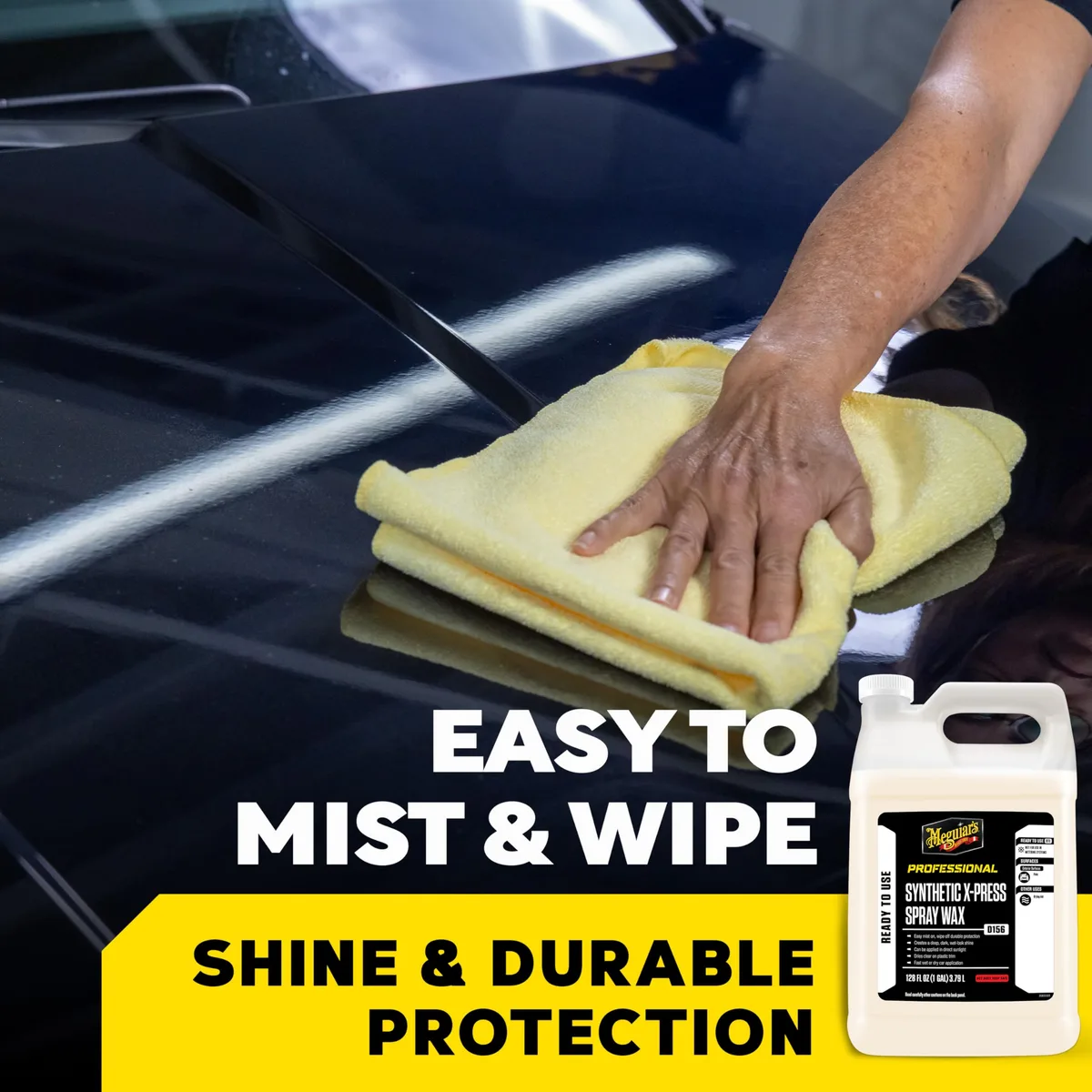
Arizona heat creates a unique problem during application. Most waxes, sealants, and ceramic sprays have temperature limits printed on the bottle. Apply them in direct sun on a 160°F hood, and they flash cure instantly.
You get streaks, high spots, and uneven coverage.
The ideal application temperature is 60°F to 80°F. In Arizona, that means working at dawn, in a garage with the door open, or in full shade. Never apply any coating on a surface that's hot to the touch.
Consumer-grade ceramic sprays are especially tricky. They contain SiO2 suspended in a carrier fluid. In extreme heat, the carrier evaporates before the coating levels.
You end up with a gritty, uneven layer that fails in months instead of years. Aggregate user reviews confirm this is the number one complaint from Arizona buyers.
Another trap is humidity. Arizona's low humidity during summer causes coatings to dry faster than expected. You have less working time.
Work in smaller sections. Have microfiber towels ready. If you're using a machine polisher, be extra careful not to swirl the paint with contaminated pads.
Professional installers use infrared curing lamps to control the cure rate. They also control the environment. That's part of what you're paying for.
If you go DIY, accept that the result may not match a pro job.
Mistakes That Wreck Your Paint Faster Than the Sun Ever Could
Automatic car washes with brushes. Those spinning brushes trap sand and dirt from every car that went through before yours. In Arizona, that sand is everywhere. The brushes act like sandpaper on your clear coat.
Our research shows this is the fastest way to destroy a coating. Use touchless washes or hand wash with proper technique.
Using dish soap as car wash. Dish soap strips wax and sealants aggressively. It's designed to cut grease, not protect paint. One wash with dish soap can undo months of protection.
Stick to pH-neutral car shampoo. If you're curious why, our article on cleaning a car with Joy dish washing liquid explains the chemistry.
Letting water spots bake in. Arizona water is hard. When droplets dry on a hot surface, they leave mineral deposits. In direct sun, those deposits etch into the clear coat within minutes.
Dry your car immediately after washing. Use a blower or soft microfiber. Never let it air dry.
Skipping paint correction before coating. Applying ceramic coating over swirls and oxidation locks those imperfections underneath. You lose gloss permanently. A proper decontamination and polish before coating is non-negotiable.
Learn how to prepare for touchless washing to understand the decontamination process.
Not maintaining the coating. Ceramic coatings need maintenance. Without a periodic SiO2 topper spray, the hydrophobic properties fade. The coating still blocks UV, but you lose the easy-wash benefit.
A quick spray every two to three months keeps it performing.
Maintenance That Actually Matters in This Climate
Wash frequency matters more in Arizona than almost anywhere else. Dust and sand accumulate fast. They act as abrasives when wiped.
Wash your car every one to two weeks in summer. Use a pre car wash spray to loosen dirt before touching the paint.
Use the two-bucket method. One bucket for soapy water, one for rinsing your mitt. This prevents dragging dirty water back onto the paint.
Change your wash mitt regularly. A dirty mitt is just another abrasive tool.
After washing, dry immediately. Use a dedicated drying towel or a blower. Never let water evaporate on the surface.
The mineral content in Arizona tap water will spot your paint in minutes.
For ceramic-coated cars, use the right car shampoo for ceramic coating. Harsh soaps can degrade the hydrophobic layer faster. A pH-neutral soap preserves the coating's lifespan.
Reapply a spray sealant or SiO2 topper every two to three months. This refreshes the hydrophobic layer and adds a sacrificial barrier against UV. Think of it as sunscreen for your coating.
The "Worst Case" Scenarios and How to Prevent Them
Clear coat failure on a daily driver. This happens when protection is neglected for two to three years. The clear coat turns cloudy, then peels. Repair requires wet sanding and a respray.
Cost: $1,000 to $5,000 depending on the car. Prevention: apply protection early. Don't wait until you see damage.
Etched paint from monsoon rain. Summer storms carry acidic particles. When the rain dries on a hot surface, it etches. The etching can be permanent if not addressed quickly.
Wash the car after every monsoon storm. If etching has already happened, professional paint correction may help. In severe cases, respray is the only fix.
PPF yellowing or cracking. Cheap films degrade in extreme UV. They turn yellow, crack, or shrink at the edges. Quality films from reputable manufacturers include UV stabilizers that prevent this.
Pay for the good stuff. It's cheaper than replacing the film in two years.
Single-stage paint burn-through. Older cars without clear coat fade and oxidize faster. Aggressive polishing can burn through what's left of the paint. Use mild compounds.
Test on a hidden panel first. Consider a ceramic coating designed for single-stage paint rather than cutting the surface.
Final Decision Guide: Pick Your Path Based on Your Exact Situation
You've made it through the options, the costs, and the common mistakes. Now it's time to decide. Here's a quick reference based on what we've covered.
| Your Situation | Best Option | Second Choice | Skip This |
|---|---|---|---|
| New car, garage kept, want best protection | Professional ceramic coating | Full-front PPF | Carnauba wax |
| Daily driver, street parked, tight budget | Consumer ceramic spray | Synthetic sealant | Professional coating |
| Older car with faded paint | Synthetic sealant (after correction) | Consumer ceramic spray | PPF |
| Off-road or work vehicle | PPF on high-impact areas + ceramic on rest | Full ceramic coating alone | Wax |
| Show car or weekend toy | Carnauba wax (for gloss) + ceramic base layer | Professional ceramic coating | PPF |
If you're still unsure, start with a synthetic sealant. It's cheap, easy to apply, and gives you immediate protection. That buys you time to research ceramic coatings or PPF for the long term.
You can always upgrade later.
The worst move is doing nothing. Even a $20 bottle of spray sealant is better than leaving your paint exposed. Arizona sun doesn't wait.
Start today.
Frequently Asked Questions
How often should I wax my car in Arizona?
Carnauba wax lasts two to four weeks. Synthetic sealants last two to four months. Ceramic coatings last years.
Your reapplication schedule depends entirely on which product you choose. Mark your calendar.
Can I apply ceramic coating myself in Arizona heat?
Yes, but only in controlled conditions. Work in a garage or at dawn. The surface must be cool.
Apply in small sections. Follow the manufacturer's temperature guidelines. Many DIY attempts fail because the coating flashes too fast.
Does PPF block UV rays completely?
Most quality PPF blocks over 99% of UV rays. The film contains UV inhibitors in both the top coat and the adhesive. It protects the paint underneath effectively.
Just make sure you buy from a reputable brand with UV stabilizers.
Is a car cover worth it in Arizona?
Absolutely. A UV-rated car cover blocks direct sun completely. It also reduces interior heat and protects against dust.
Use a breathable cover to prevent moisture trapping. It's one of the cheapest forms of long-term protection.
How do I fix paint that's already faded?
Professional paint correction can restore some gloss. A machine polish removes the oxidized layer. In severe cases where clear coat is gone, respray is the only option.
Prevention is far cheaper than repair.
What's the best wash method for coated cars?
Use the two-bucket method with pH-neutral shampoo. Dry immediately to prevent water spots. Use a blower or soft microfiber.
Avoid automatic car washes with brushes. Touchless washes are acceptable if you dry afterward.