ByMax Lee
Guide to Colorado Rapidscreen Roadside Emissions Testing Locations and Process
If you've ever gotten a letter from the Colorado Department of Public Health and Environment about the Colorado RapidScreen roadside emissions testing locations and process, you're not alone. This program checks your car's exhaust without you even slowing down, and it runs year-round across the Front Range.
About 95% of drivers pass these roadside tests without ever knowing they were checked. The sensors work fast and accurately. But if you're one of the few who gets a fail notice, the next steps can be confusing.
Let's break down how the system works, where the sensors are, and what you need to do to stay legal.
Bing (Web (fair-use with source credit))
Quick Answer
The Colorado RapidScreen program uses roadside sensors to measure your car's emissions as you drive by. If you pass, you get a Clean Screen letter in the mail within two to four weeks. If you fail, you have 90 days to get a test at a station.
Sensors sit on major roads in Front Range counties. No appointment is needed.
How Roadside Emissions Testing Works (Without You Even Stopping)
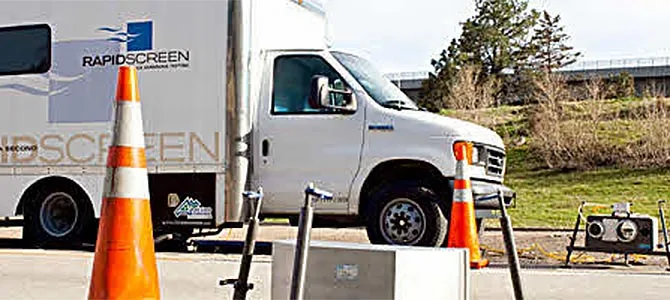
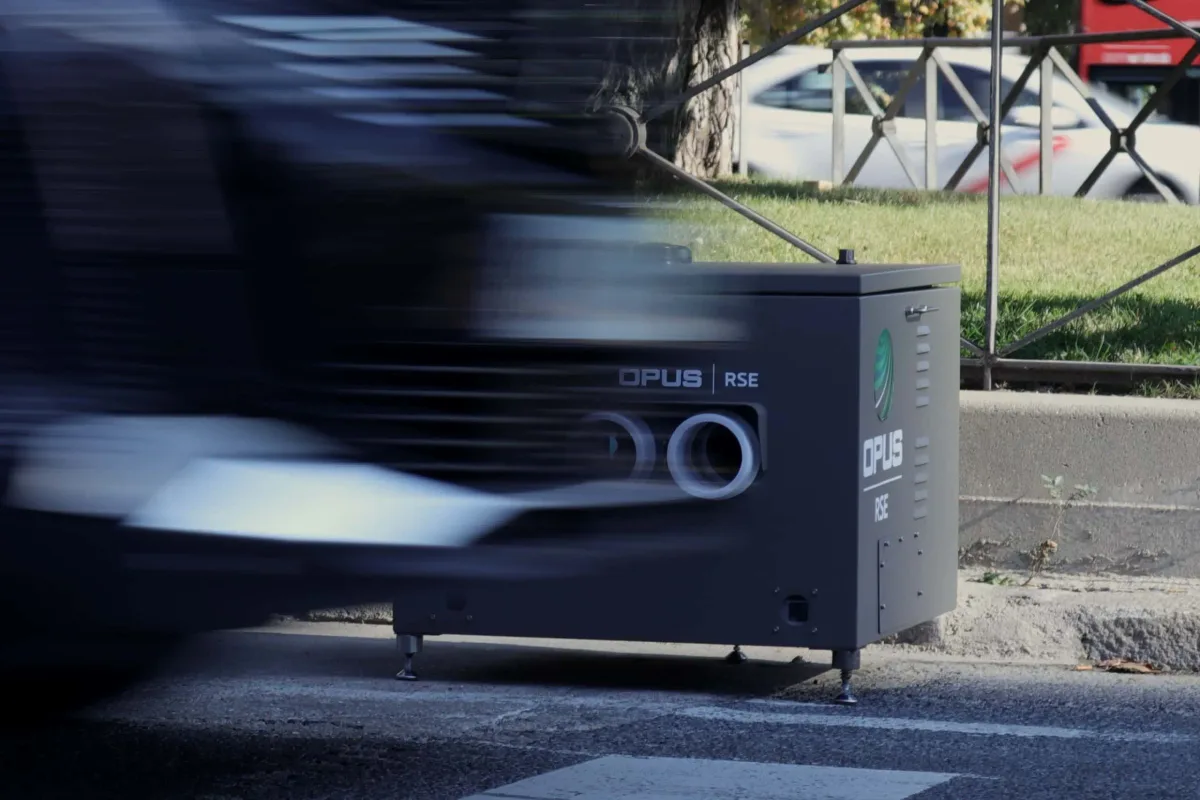
A sensor mounted on a van or trailer shoots a beam of infrared and ultraviolet light across the road. As you drive past, that beam passes through your exhaust plume. The sensor measures carbon monoxide, hydrocarbons, nitrogen oxides, and carbon dioxide in your tailpipe.
You don't have to do anything. The sensor reads your license plate automatically and matches it to your registration. The whole process takes less than a second.
You won't see the sensor, and you won't get pulled over.
Bing (Web (fair-use with source credit))
A few things affect the sensor's accuracy. Steady speed between 10 and 55 mph works best. Hard acceleration or braking can throw off the measurement.
Rain, fog, or heavy snow can blur the reading, but the sensors filter out bad data. If the sensor can't get a clean sample, you simply don't get a result.
Per CDPHE standards, the sensors are calibrated regularly and meet federal EPA requirements for remote sensing. A pass or fail is treated the same as a station test.
Why Colorado Uses RapidScreen Instead of Station Tests
The Front Range has over 3 million vehicles that need to meet emissions standards. Testing every single one at a station would mean long lines and wasted time.
RapidScreen lets the state check thousands of cars per day with zero effort from drivers. The sensors run on random schedules and move between different roads. According to CDPHE data, the program covers about 10 times more vehicles than stationary testing alone.
Here's how the two compare:
| Feature | RapidScreen Roadside | Traditional Station Test |
|---|---|---|
| How it works | Sensor reads exhaust as you drive | You stop and a technician tests your car |
| Appointments needed | None | Usually required |
| Time involved | Less than 1 second | 15 to 30 minutes |
| Frequency | Random, multiple times per year | Required every 1 to 2 years |
| Convenience | You never know it happened | You have to go somewhere |
| Cost to you | Free | $15 to $25 |
For most drivers, the biggest benefit is the Clean Screen pass letter. If the sensor gives you a passing grade, you never have to go to a station.
Where the Sensors Are: Roads and Counties You Need to Know
CDPHE moves the sensors around the Front Range to get a broad sample of vehicles. But there are consistent patterns.
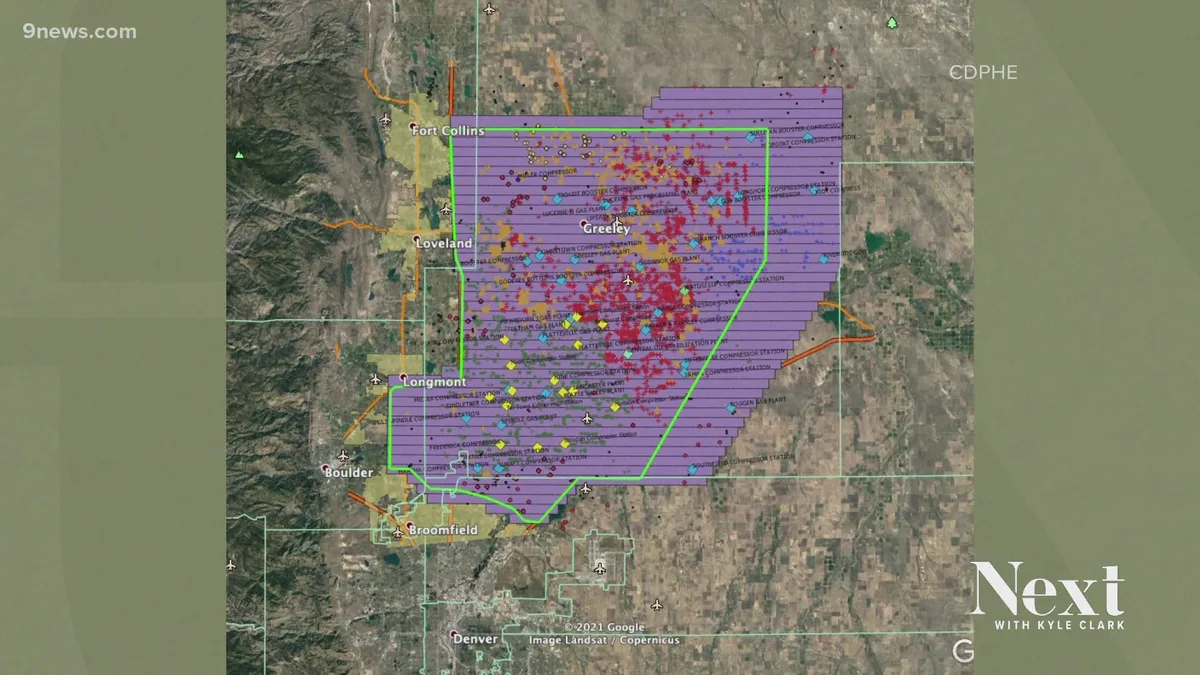
The sensors operate in these counties:
- Adams
- Arapahoe
- Boulder
- Broomfield
- Denver
- Douglas
- Jefferson
- Larimer
- Weld
- El Paso (separate but similar program)
Inside those counties, the sensors are placed on high-traffic commuter roads. Common spots include ramps and overpasses on I-25, US-36, C-470, E-470, and major arterials like Colorado Boulevard and Federal Boulevard. The sensors aren't marked with signs or warnings.
You'll never know you're being tested.
Bing (Web (fair-use with source credit))
The sensors run year-round but are more active in spring and summer. If you live in a mandatory county, assume you're being tested every time you take a main road. The official Air Care Colorado website provides general information on testing zones, though it doesn't list exact sensor locations.
El Paso County has its own testing program with both roadside sensors and station tests. If you live in Colorado Springs or nearby, check local rules. They differ slightly from the Denver metro area.
What Happens When You Pass: The Clean Screen Letter Timeline
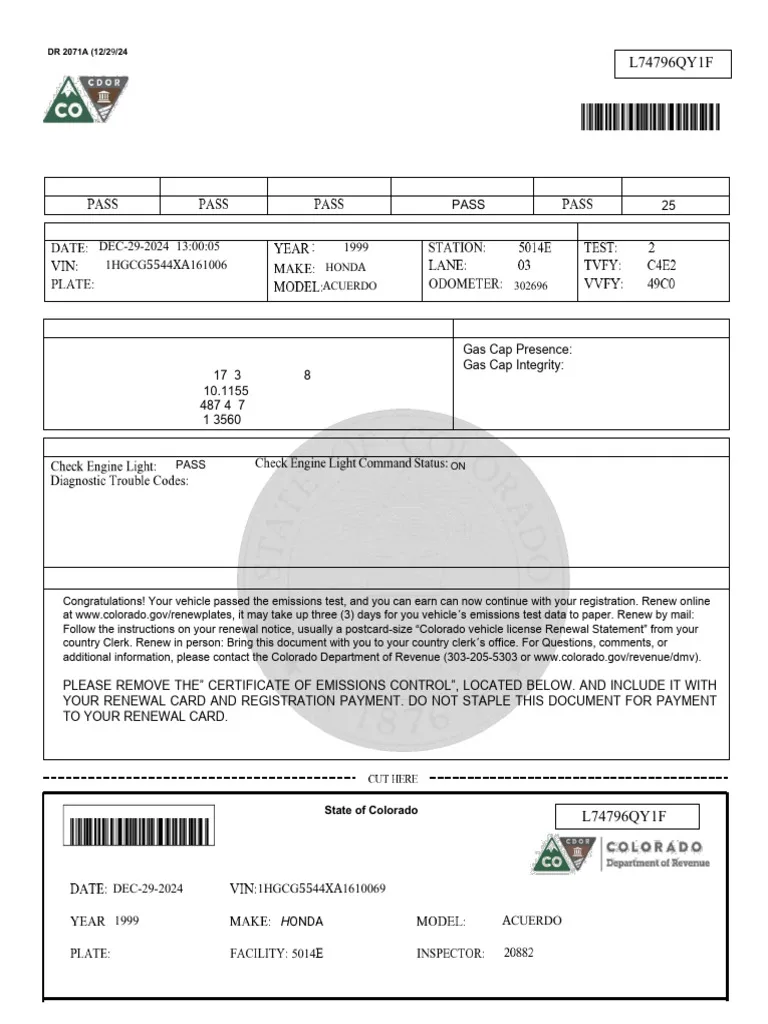
When the sensor gives you a clean bill of health, CDPHE mails a Clean Screen notice to the address on your vehicle registration. The letter arrives within two to four weeks after the test.
Bing (Web (fair-use with source credit))
The letter states that your vehicle met emissions standards. Your registration renewal goes through automatically. No station visit needed.
If your address on file with the DMV isn't current, the letter goes to the wrong place. Update your address through the Colorado DMV website. The Clean Screen result stays valid for one year.
If your registration comes up for renewal again and you haven't had another roadside test, you'll need to meet the requirement another way.
If you don't get the letter, check your emissions status online through the Air Care Colorado website or the CDPHE portal. If it's been more than a month, call the state's vehicle emissions hotline. They can confirm your result and mail a duplicate.
What Happens When You Fail: Your 90-Day Clock Starts Now
A fail notice starts a timer. You have 90 days from the date on the letter to get a passing test at a station. If you miss that window, your registration gets blocked.
The fail notice arrives by mail. It tells you which pollutant was too high and gives you a list of nearby Air Care Colorado testing stations. The result is also uploaded to the state database.
A roadside failure counts as an official test. You cannot ignore it and hope to pass another roadside sensor later. Once you fail, the only way to clear the flag is by going to a station and getting a passing result.
Common reasons for failure include:
- High carbon monoxide from a rich fuel mixture
- High hydrocarbons from incomplete combustion
- High nitrogen oxides from high engine temperatures
- A check engine light that's on (automatic fail for 2007 and newer vehicles)
Before you panic, make sure the fail letter is actually for your vehicle. If you think it's an error, call CDPHE and ask them to verify the reading. False positives happen, especially in heavy traffic or bad weather.
Your Next Steps After a Roadside Fail (Station Test Options Explained)
You need to visit an Air Care Colorado testing station. These are located across the Front Range at auto repair shops that are state-certified for emissions testing.
The type of test depends on your vehicle's model year and type:
| Vehicle Type | Model Year | Test Type |
|---|---|---|
| Gasoline car or truck | 2007 and newer | OBD-II plug-in test |
| Gasoline car or truck | 1996 to 2006 | OBD-II plug-in test |
| Gasoline car or truck | 1976 to 1995 | Two-speed idle (TSI) test |
| Diesel vehicle | 2007 and newer | OBD-II plug-in test |
| Diesel vehicle | 1997 to 2006 | Opacity (snap acceleration) test |
The OBD-II test is the easiest. The technician plugs a scanner into your car's diagnostic port under the dash. The computer reads the emissions monitors and checks for trouble codes.
If the check engine light is off and all monitors are ready, you pass. It takes about 10 minutes.
The two-speed idle test takes longer. The technician runs your engine at idle and then at a higher RPM while measuring the exhaust. Older vehicles are more likely to fail here.
The diesel opacity test is a visual measurement of smoke. The technician snaps the throttle and measures how dark the exhaust plume is.
Plan on spending $15 to $25 per test. Some shops charge more for diesel tests. If you fail at the station, you can get a retest at a reduced fee, usually around $10 to $15.
Repair Costs, Waivers, and the Low-Income Assistance Program
Fixing an emissions problem varies in cost. A simple oxygen sensor replacement runs about $150. A catalytic converter can cost $1,500 or more.
The state offers two forms of help.
The emissions repair waiver. If your vehicle fails a station test and the repair cost exceeds $750 (as of 2025), you can apply for a waiver. You need a written estimate from a licensed shop showing the cost exceeds that amount. The waiver costs a small administrative fee, around $15 to $25, and lets you renew your registration for that cycle without a passing test.
The waiver doesn't fix your car. It only gives you a pass for that year. You'll still need to address the problem before your next renewal.
The Low-Income Repair Assistance Program. If you qualify based on income, you can get up to $1,500 per vehicle in repair assistance. The program covers emissions-related repairs like catalytic converters, oxygen sensors, and exhaust systems. You apply through Air Care Colorado.
Eligibility is based on household income relative to federal poverty guidelines. As of 2025, a single person making under about $25,000 qualifies. A family of four under about $50,000 qualifies.
Check current figures on the Air Care Colorado website.
You must have a valid fail result from a station test, not just a roadside fail. Keep all receipts and estimates.
Common Mistakes That Turn a Clean Screen into a Fail
Ignoring the check engine light. This is the number one cause of station test failures. If that light is on, you will fail. Get it diagnosed and fixed before you go for a test.
Regular car maintenance helps catch these issues early.
Letting the registration expire. If your tags expire while you're dealing with a fail notice, you end up with two problems. Colorado DMV charges penalties for late renewals.
Missing the retest deadline. Remember that 90-day window. Set a calendar reminder the day you open the fail letter.
Getting a test with a cold engine. Your car's emissions control systems work best when the engine is at operating temperature. Drive for at least 15 to 20 minutes before you arrive at the station.
Not checking the OBD readiness monitors. For 2007 and newer cars, the computer needs all its emissions monitors set to "ready." If you've recently cleared a trouble code or disconnected the battery, the monitors reset. You might need to drive for a few days to complete the drive cycle.
Diesel, Check Engine Lights, and Out-of-State Vehicles: Special Cases
Diesel vehicles. Diesel vehicles from model year 1997 to 2006 get the opacity test. Newer diesels use the OBD-II plug-in test. The biggest issue with diesels is tampering.
If your truck has a deleted diesel particulate filter or a tuner that bypasses emissions controls, you will fail. Tampering is illegal under the Clean Air Act.
Vehicles with a check engine light. For 2007 and newer vehicles, a check engine light guarantees a fail at the station. Even if the engine runs fine, the computer won't let the OBD test proceed. Get a free diagnostic scan at any auto parts store.
They'll tell you the code.
Out-of-state vehicles. If you just moved to Colorado, you have 90 days to register your car here. That includes passing an emissions test if you live in a mandatory county. Your car might have passed in your previous state, but Colorado uses different standards.
Fix any issues before you register.
The Fine, the Registration Block, and How Long You Can Drive Before It Hurts
The registration block. If your vehicle fails a RapidScreen test and you don't get a passing station test within 90 days, the DMV places a hold on your registration. Driving with expired tags is a ticketable offense.
The fines. Driving with expired tags in Colorado carries a fine of $15 to $100, depending on how long they've been expired. Some counties also charge court costs.
How long can you actually drive? Legally, you can drive until your registration expires. After that, every day is a risk. Plan on getting the station test done well before your expiration date.
Questions Most Colorado Drivers Ask About RapidScreen
How do I know if I passed a RapidScreen test?
You'll get a Clean Screen letter in the mail within two to four weeks. If you don't receive it, check your emissions status online through the Air Care Colorado website or the CDPHE portal.
Can I appeal a RapidScreen fail?
Yes, but only if you have evidence of an error. If the sensor read the wrong vehicle or the weather was bad, you can request a review. False positives are rare but possible.
Does RapidScreen test motorcycles or classic cars?
Motorcycles are not tested under the RapidScreen program. Classic cars with collector plates may be exempt from emissions testing entirely. Check with the DMV for specific rules.
What if I drive a rental or a borrowed car?
If the car is registered in a Front Range county, it's subject to testing. The registered owner gets the fail notice. You won't be personally responsible.
How many times per year can I be tested?
The sensors are random. You could be tested multiple times in a month or not at all for a year. There's no limit on how often your vehicle can be checked.
The Bottom Line: What You Need to Do Today to Stay Legal
If you live or drive regularly in a Front Range county, assume you're being tested every time you hit a main road.
Check your check engine light. If it's on, get it diagnosed now. A quick scan at an auto parts store costs nothing and can save you weeks of hassle. Good overall car care habits make a difference.
Keep your address current. The Clean Screen and fail notices go to your DMV address. Update it online if you've moved.
Know your renewal date. Set a reminder a month before your tags expire. That gives you time to handle any emissions issues.
Understand the 90-day clock. If you get a fail notice, schedule a station test within the first 30 days. That leaves a buffer if repairs are needed.
Use the assistance programs if you qualify. The Low-Income Repair Assistance Program exists for a reason. If you can't afford the fix, apply.
The RapidScreen program keeps Colorado's air clean without making you wait at a testing station. Stay on top of your vehicle's condition and you'll most likely never think about it again. If something does go wrong, you now know exactly what to do.