ByMax Lee
Guide to Colorado Vehicle Registration Fee Estimator for Out of State Transfers
Moving your vehicle to Colorado comes with a surprise that catches most newcomers off guard. The Colorado vehicle registration fee estimator for out of state transfers doesn't work like the simple flat-fee systems in other states, and that's where the confusion starts. Colorado calculates your first-year cost based on the vehicle's original MSRP, not what you paid for it.
In fact, the state's Specific Ownership Tax (SOT) alone starts at 2.1% of the manufacturer's suggested retail price. A 2024 SUV with a $45,000 MSRP triggers a $945 ownership tax in its first year, even if you bought it used for far less. A few key variables determine exactly what you'll owe, and understanding them before you visit the DMV saves real money.
Wikimedia Commons / C. C. Pierce
Why Out-of-State Transfers Throw Off Your Fee Estimate
Most people assume their new registration will cost about the same as their old one. That's a mistake. Colorado uses a completely different formula that hits harder than you expect in the first few years.
The biggest culprit is the Specific Ownership Tax (SOT). This isn't a one-time sales tax. It's an annual property tax on your vehicle, calculated from the original MSRP.
The tax drops by 15% each year after the model year until it reaches a floor of 15% of the original rate.
A 2023 car registered in 2026 lands in its fourth year of SOT reduction. That means you pay 55% of the full 2.1% rate, not 70%. The math catches people off guard.
Add county-level fees on top of that. Denver County charges more than rural counties like Baca or Kit Carson. Some counties tack on road and bridge fees, transportation surcharges, and ownership tax surcharges.
The core issue is simple. Out-of-state transfers involve a title change plus a first-time Colorado registration. You pay the full SOT for the vehicle's current age bracket, plus title fees, plate fees, and any county add-ons.
As of 2026, the Colorado DMV handles this process through its online fee estimator, but you need accurate inputs to get a reliable number.
The Quick Answer: What You'll Actually Pay (Ballpark Range)
Expect to pay $300 to $800 for your first year. Newer vehicles cost more. Older vehicles cost less.
Your county adds its own fees. A 2024 SUV in Denver runs about $1,000. A 2010 sedan in a rural county runs about $200.
The Variables That Change Your Total
Three main factors determine your final cost. Change any one of them, and your estimate shifts by hundreds of dollars.
Vehicle Age and MSRP
SOT is the biggest line item. It scales directly with MSRP and inversely with age. The formula works like this:
- Current model year: 2.1% of MSRP (full rate)
- 1 year past model year: 85% of the full rate
- 2 years past: 70% of the full rate
- 3 years past: 55% of the full rate
- 4 years past: 40% of the full rate
- 5 years past: 25% of the full rate
- 6+ years past: 15% of the full rate (floor)
A $50,000 truck in its first model year costs $1,050 in SOT alone. The same truck at year 6 costs about $262.
Your Specific Colorado County
Your county sets its own registration fees on top of the state SOT. These vary considerably:
| County | Typical Annual Fee Range | Notes |
|---|---|---|
| Denver | $75–$150 | Includes road and bridge surcharge |
| Boulder | $70–$130 | Has a transportation tax |
| Jefferson | $60–$110 | Moderate fees |
| Adams | $55–$100 | Lower than metro neighbors |
| Rural (Baca, Kit Carson) | $30–$60 | Minimal add-ons |
Check your county's fee schedule before you budget. The difference between Denver and Baca County can be $100 per year.
Dealer Purchase vs Private Party Out of State
This matters for sales tax, not SOT. When you buy from an out-of-state dealer, you pay Colorado's 2.9% state sales tax on the purchase price at registration. County sales tax adds 1% to 4% on top of that.
When you buy from a private party, you pay Colorado use tax at the same 2.9% rate. You need a signed bill of sale showing the exact amount. If the DMV suspects the price is below fair market value, they can assess tax based on book value instead.
Either way, you pay tax. The difference is in the paperwork trail. Dealers often collect the tax upfront.
Private party sales require you to pay at the DMV counter.
Decision Branch 1: Newer Vehicle vs Older Vehicle
This is the most impactful fork in the road. Your vehicle's age drives the SOT calculation, and the difference between a 2-year-old car and a 10-year-old car is dramatic.
If you're transferring a vehicle that's 0, 2 model years past current:
SOT runs $600 to $1,200 or more, depending on MSRP. You're still near the top of the curve. Total first-year registration can hit $700 to $1,500.
If you're transferring a vehicle that's 3, 5 model years past current:
SOT drops to the middle range. Expect $250 to $500 for most vehicles. Total cost typically lands between $350 and $700.
If you're transferring a vehicle that's 6+ model years past current:
SOT hits the floor at 15% of the original rate. That means $50 to $200 for most vehicles. Total registration often falls between $150 and $350.
This is the sweet spot for low-cost Colorado registration.
The takeaway is simple. Bring your older vehicle. A newer one costs significantly more to register in Colorado than in most other states.
Decision Branch 2: Emissions County vs Non-Emissions County
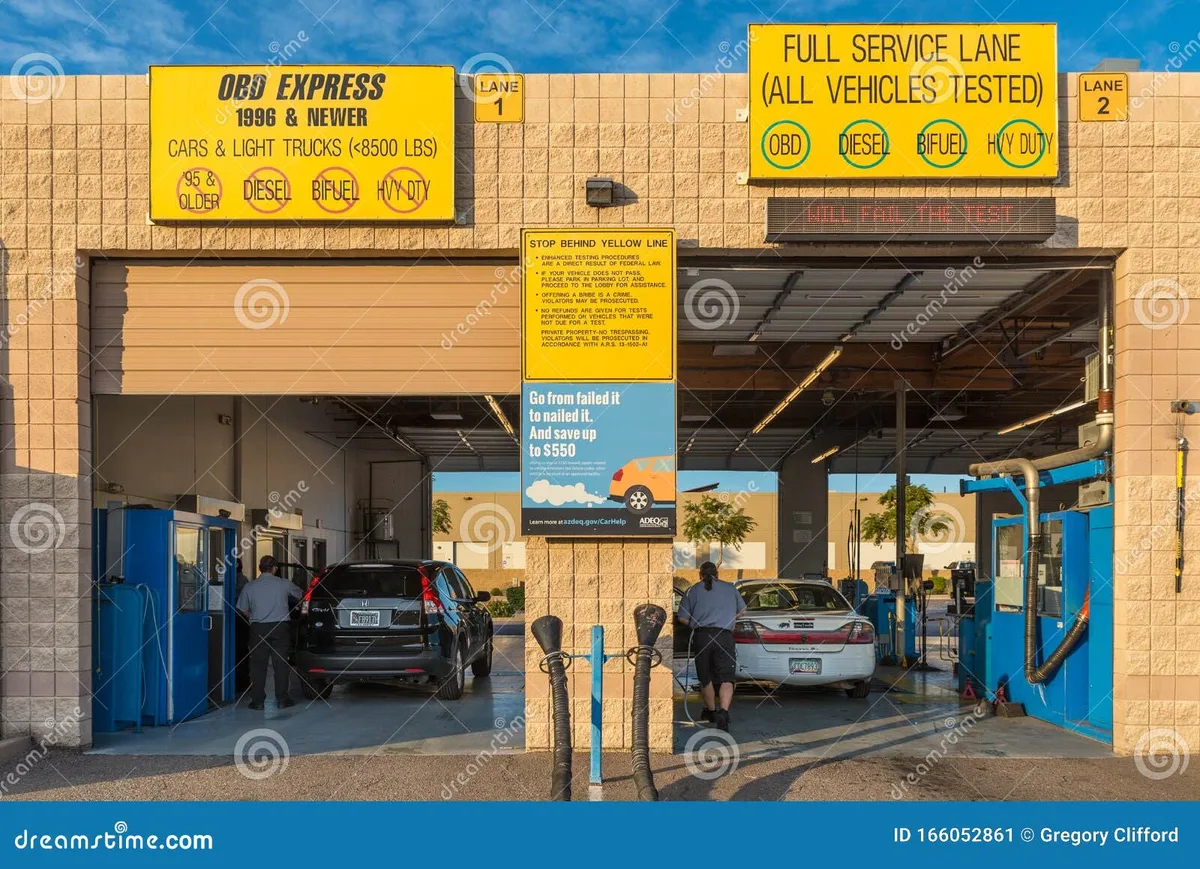
Colorado requires emissions testing in specific counties. The test costs $25 to $30, but it adds a trip to an emissions station before you can go to the DMV.
If you live in an emissions county:
The following counties require an emissions test for most gasoline vehicles from 1976 and newer:
- Denver, Adams, Arapahoe, Boulder, Broomfield, Douglas, Jefferson, Larimer, Weld
You need a passing emissions test before you complete your registration. The test must be done at an Air Care Colorado center. The certificate stays valid for 90 days.
Plan your DMV appointment accordingly.
If you live in a non-emissions county:
Most rural counties have no testing requirement. You skip this step entirely. That saves $25 to $30 and at least an hour of your time.
One more thing for out-of-state transfers: your vehicle needs a VIN verification (form DR 2698) before you can register it, regardless of which county you're in. A licensed Colorado dealer, a law enforcement officer, or an emissions station can do this. If you're in an emissions county, you can often get both done in one trip.
Bing (Web (fair-use with source credit))
Decision Branch 3: Dealer Paperwork vs Private Party Paperwork
This branch determines how much sales tax you pay and how many documents you bring to the counter.
If you bought from an out-of-state dealer:
You pay Colorado's 2.9% state sales tax on the purchase price at registration. Some counties add their own tax, typically 1% to 4%. Many out-of-state dealers collect the tax upfront.
If they did, bring the documentation. If they didn't, you pay at the DMV.
The dealer provides a Manufacturer's Certificate of Origin or a properly assigned title. You also get a bill of sale and sometimes a temporary registration. Bring all of it.
If you bought from a private party out of state:
You pay Colorado use tax at the same 2.9% rate. You must have a signed bill of sale showing the exact amount. The seller must properly assign the title to you.
No exceptions.
One common question: do you pay sales tax again if you already paid it in another state? Usually yes, but Colorado offers a credit for sales tax paid to another state. You need proof of tax paid.
The credit applies to Colorado's 2.9% rate only, not county taxes.
How to Use the Colorado DMV Fee Estimator Correctly
The Colorado DMV offers a free online fee estimator. Most people use it wrong and get inaccurate results.
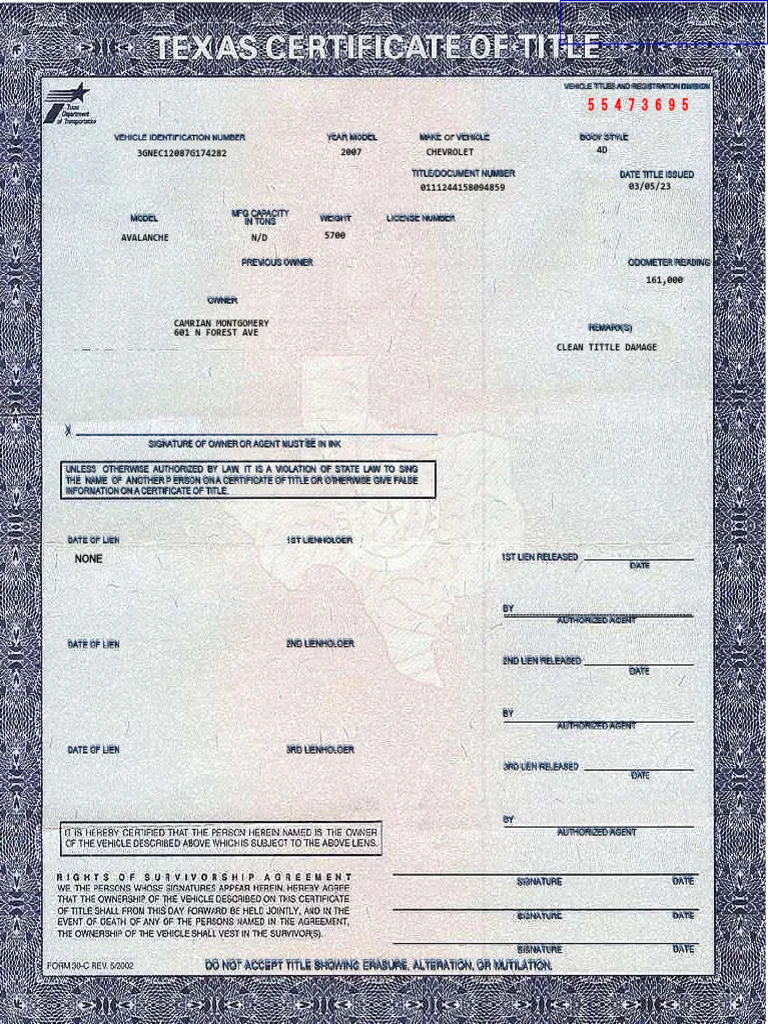
Bing (Web (fair-use with source credit))
Here's the right way to use it:
Step 1: Know your vehicle's MSRP, not what you paid.
Pull the original MSRP from the window sticker, the manufacturer's website, or a VIN decode tool. Using the sale price gives you a false low estimate.
Step 2: Enter the correct model year.
This determines how many years of SOT reduction apply. A 2022 model registered in 2026 gets a 60% reduction (4 years past model year). A 2021 model gets a 75% reduction.
Get this wrong by one year and your estimate shifts.
Step 3: Select your county from the dropdown.
The estimator includes county-specific fees. If you skip this or pick the wrong county, the estimate excludes surcharges that can add $50 to $150.
Step 4: Include emissions if applicable.
Answer honestly about whether your vehicle needs an emissions test. The tool factors in the requirement and the cost.
Step 5: Read the full breakdown.
The estimator shows SOT, registration fees, title fees, and county fees separately. Don't just look at the total. Each line item tells you where your money goes.
If the SOT figure looks high for an older vehicle, double check your MSRP entry.
The estimator gives you a number within about 5% of the actual cost. Use it before you go to the DMV. Keep a screenshot for your records.
County-by-County Fee Differences (Denver vs Rural)
Your county of residence changes your total by more than most people realize. The state SOT is fixed, but counties set their own registration fees, road and bridge surcharges, and transportation taxes.
Wikimedia Commons / Cenglish
Here's what the major counties charge on top of the state fees for a standard passenger vehicle:
| County | Base Registration | Road and Bridge | Transportation Surcharge | Estimated Annual County Total |
|---|---|---|---|---|
| Denver | $50 | $30 | $25 | $105 |
| Boulder | $50 | $25 | $20 | $95 |
| Jefferson | $50 | $20 | $15 | $85 |
| El Paso | $50 | $15 | $10 | $75 |
| Weld | $50 | $10 | $5 | $65 |
| Baca | $50 | $5 | $0 | $55 |
Heavy trucks and commercial vehicles pay higher rates. The gap between Denver and Baca County is about $50 per year. More importantly, Denver and Boulder require emissions testing while rural counties don't.
That's where the real time savings come in.
Common Mistakes That Inflate Your Estimate
People overpay on Colorado registration because they make predictable errors. Here are the six most common ones.
Mistake 1: Using the purchase price instead of MSRP.
The SOT formula uses original MSRP, not what you paid. A used car bought for $20,000 might have an MSRP of $35,000. Using your purchase price gives you an estimate that's $300 to $500 too low.
Mistake 2: Assuming all counties are the same.
First-time Colorado residents often pick a random county or assume Denver's fees are standard. They aren't. Check your specific county's fee schedule.
Mistake 3: Missing the VIN verification.
Out-of-state vehicles need form DR 2698 completed before registration. If you show up at the DMV without it, you get sent away. That costs you time and an extra trip.
Get it done at an emissions station or a licensed dealer.
Mistake 4: Forgetting the 30-day deadline.
Colorado law gives you 30 days from establishing residency to register your vehicle. After that, late fees kick in. The penalty can reach $100 or more.
Set a calendar reminder the day you move.
Mistake 5: Ignoring the temporary permit option.
If you need to drive while waiting for your out-of-state title or emissions test, get a temporary permit. It costs $5 to $20 and gives you 20 or 60 days of legal driving. Driving without valid plates invites tickets.
Mistake 6: Not checking for outstanding liens.
If your vehicle has an active loan, the lender holds the title. You need the lender's authorization to transfer the title to Colorado. Some lenders require specific forms.
Contact them before you start.
Real Scenarios: What Three Different Transfers Actually Cost
Numbers tell the story better than theory. Here are three real-world scenarios with accurate math.
Scenario A: New resident with a 2024 SUV (MSRP $48,000) in Denver
- Model year: 2024. Registered in 2026. That's 2 years past model year.
- SOT reduction: 70% of the full 2.1% rate
- SOT: 2.1% × $48,000 = $1,008. 70% of $1,008 = $706
- Registration fees: $105 (Denver county)
- Title fee: $16.20
- Emissions test: $27
- Total: $854
Scenario B: New resident with a 2018 sedan (MSRP $32,000) in El Paso County
- Model year: 2018. Registered in 2026. That's 8 years past model year.
- SOT reduction: Floor applies (15% of the full rate)
- SOT: 2.1% × $32,000 = $672. 15% of $672 = $101
- Registration fees: $75 (El Paso county)
- Title fee: $16.20
- Emissions test: not required
- Total: $192
Scenario C: New resident with a 2010 pickup truck (MSRP $40,000) in Baca County
- Model year: 2010. Registered in 2026. That's 16 years past model year.
- SOT reduction: Floor applies (15% of the full rate)
- SOT: 2.1% × $40,000 = $840. 15% of $840 = $126
- Registration fees: $55 (Baca county)
- Title fee: $16.20
- Emissions test: not required
- Total: $197
The difference between the 2024 SUV in Denver and the 2010 pickup in Baca County is about $650 per year. Vehicle age and county choice matter that much.
Your Personal Fee Calculation Checklist
Before you visit the DMV, run through this list. It saves time and prevents surprise costs.
Documents to gather:
- Out-of-state title or lender authorization for leased vehicles
- Bill of sale showing purchase price
- VIN verification form (DR 2698) completed by an authorized party
- Proof of Colorado residency (lease, utility bill, or bank statement)
- Proof of insurance meeting Colorado minimums
- Emissions test result if your county requires it
Numbers to calculate:
- Original MSRP from window sticker or VIN decode
- Years past model year for SOT reduction
- County fee schedule from your county clerk's office
- Total estimated cost using the DMV estimator
Timeline to follow:
- Day 1: Move to Colorado, gather documents
- Day 7: Complete VIN verification and emissions test
- Day 14: Visit county DMV office with all documents
- Day 21: Receive plates and registration in the mail
A well-prepared transfer takes about 3 weeks. A rushed one takes longer and costs more.
Before you visit the DMV, run through this list. It saves time and prevents surprise costs.
Documents to gather:
- Out-of-state title or lender authorization for leased vehicles
- Bill of sale showing purchase price
- VIN verification form (DR 2698) completed by an authorized party
- Proof of Colorado residency (lease, utility bill, or bank statement)
- Proof of insurance meeting Colorado minimums
- Emissions test result if your county requires it
Numbers to calculate:
- Original MSRP from window sticker or VIN decode
- Years past model year for SOT reduction
- County fee schedule from your county clerk's office
- Total estimated cost using the DMV estimator
Timeline to follow:
- Day 1: Move to Colorado, gather documents
- Day 7: Complete VIN verification and emissions test
- Day 14: Visit county DMV office with all documents
- Day 21: Receive plates and registration in the mail
A well-prepared transfer takes about 3 weeks. A rushed one takes longer and costs more.
Frequently Asked Questions
How much does it cost to register an out-of-state vehicle in Colorado?
First-year costs range from $150 to $1,500 depending on vehicle age, MSRP, and county. Older vehicles in rural counties cost less. Newer vehicles in metro counties cost more.
Use the DMV fee estimator for a personalized number.
Is Colorado vehicle registration expensive for new residents?
It can be, especially for newer cars. The Specific Ownership Tax based on MSRP catches many people off guard. A 3-year-old vehicle with a $40,000 MSRP costs roughly $500 to $800 to register in Denver.
Do I have to pay Colorado sales tax on an out-of-state vehicle?
Yes. You pay Colorado's 2.9% state sales tax or use tax at registration. If you already paid sales tax to another state, you may qualify for a credit.
Bring proof of tax paid to the DMV.
What documents do I need to register an out-of-state car in Colorado?
You need the out-of-state title, a bill of sale, VIN verification (form DR 2698), proof of residency, proof of insurance, and an emissions test if your county requires one. Having everything ready prevents return trips.
How long do I have to register my car after moving to Colorado?
Colorado law gives you 30 days from establishing residency. Late fees apply after that. Active duty military personnel have different rules and can keep out-of-state plates longer.
Can I register my car in Colorado without a Colorado driver's license?
Yes. An out-of-state license is acceptable for registration. You still need proof of Colorado residency.
The DMV handles both processes separately, so you can do registration first.