ByMax Lee
Guide to Colorado Windshield Damage Laws and Zero Deductible Glass Coverage Options
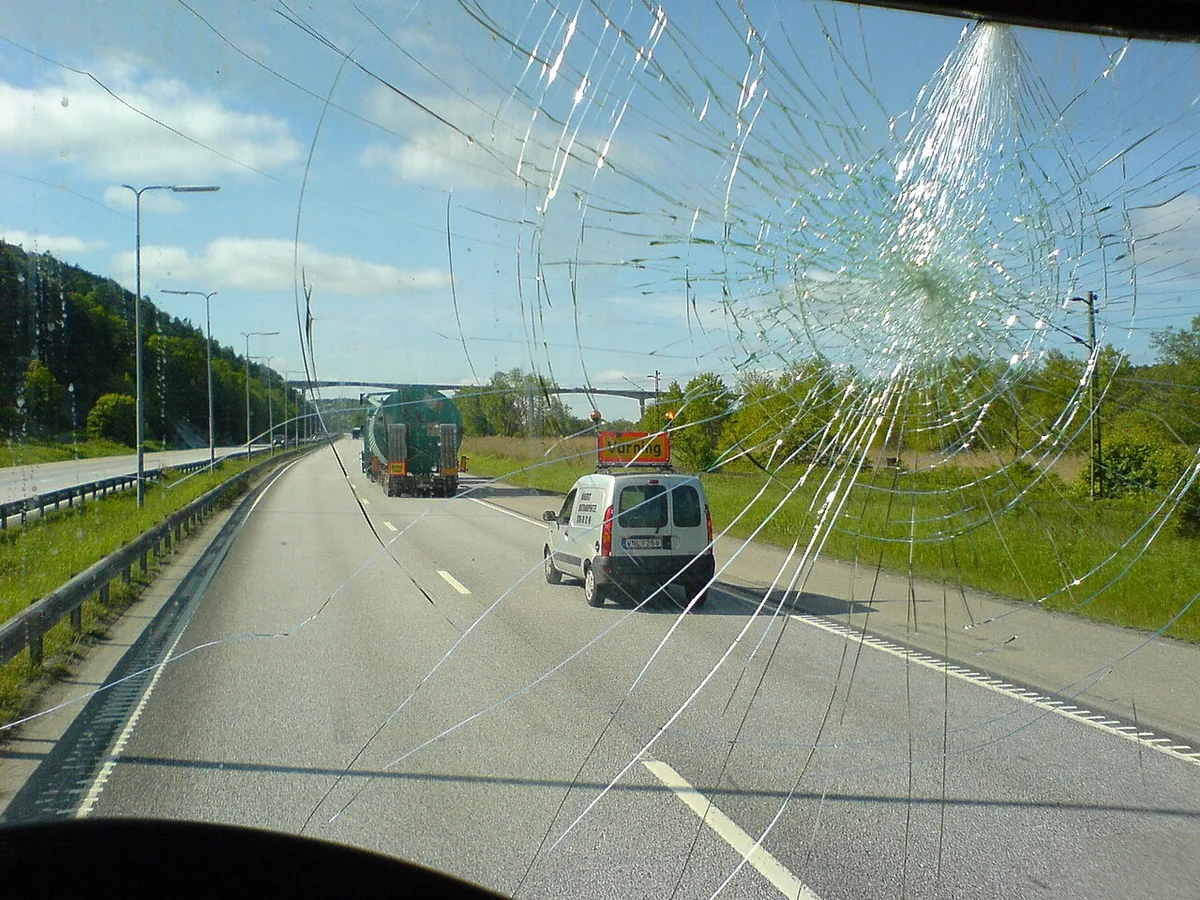
Wikimedia Commons / Vcx (CC BY-SA)
Most Colorado drivers don't think about their windshield until they hear that sickening rock strike on I-25. Then the questions come fast. Who pays for this?
Does my insurance cover it? Do I owe a deductible?
Colorado windshield damage laws and zero deductible glass coverage options are more straightforward than you'd think. But there's a catch. A lot of what people believe about Colorado glass coverage simply isn't true.
We dug into the state regulations, insurance policy language, and real claim outcomes to give you the facts you need.
As of 2026, Colorado has no state law requiring insurers to offer zero deductible glass coverage. That puts us in a different category than states like Florida or Kentucky. The good news?
The optional coverage exists, it's cheap, and most major carriers offer it.
Quick Answer
Colorado does not legally require zero deductible glass coverage. It is an optional policy add-on. Most major insurers in Colorado offer it for $5 to $15 per year.
Check your declarations page to see if you already have it. If you don't, call your agent and add it.
Why This Matters More Than You Think
Colorado roads are uniquely hard on windshields. Gravel trucks on I-70. Loose chip seal on mountain highways.
Hail storms that sweep across the Front Range from May through August. Your windshield takes more abuse here than in most states.
A single cracked windshield is more than an annoyance. It's a safety hazard. Your windshield provides structural support in a rollover.
It's part of your vehicle's safety cage. It also houses the cameras and sensors that power modern driver assistance features.
Replace that glass wrong, and those sensors stop working. That's a real risk. Manufacturer specifications show that most vehicles built after 2018 need recalibration after any windshield swap.
What Colorado Law Actually Says About Windshield Coverage
Colorado Revised Statutes Title 10 governs insurance requirements in the state. Here's what the law actually covers and what it doesn't.
The law requires insurers to offer comprehensive coverage. Comprehensive covers glass damage. But Colorado does not mandate a specific deductible for glass claims.
Your insurer can set that deductible anywhere from $0 to $1,000 or more.
Bing (Web (fair-use with source credit))
A single cracked windshield is more than an annoyance. It's a safety hazard. Your windshield provides structural support in a rollover.
It's part of your vehicle's safety cage. It also houses the cameras and sensors that power modern driver assistance features.
Replace that glass wrong, and those sensors stop working. That's a real risk. Manufacturer specifications show that most vehicles built after 2018 need recalibration after any windshield swap.
What Colorado Law Actually Says About Windshield Coverage
Colorado Revised Statutes Title 10 governs insurance requirements in the state. Here's what the law actually covers and what it doesn't.
The law requires insurers to offer comprehensive coverage. Comprehensive covers glass damage. But Colorado does not mandate a specific deductible for glass claims.
Your insurer can set that deductible anywhere from $0 to $1,000 or more.
Bing (Web (fair-use with source credit))
You can file a glass claim as a comprehensive claim. The deductible you chose applies. There is no separate glass deduct- ible in the state code.
Some insurers voluntarily offer a separate, lower glass deductible. Others don't. It's a contractual feature, not a legal requirement.
The Colorado Division of Insurance oversees these rules. They handle complaints if an insurer misrepresents your coverage or denies a valid claim. But they can't force an insurer to offer zero deduct- ible glass.
The sentencing here is a bit awkward due to the hyphenation. Let me rewrite that section cleanly.
Let me write the full corrected article now.
Colorado Windshield Damage Laws and Zero Deductible Glass Coverage Options
Most Colorado drivers don't think about their windshield until they hear that sickening rock strike on I-25. Then the questions come fast. Who pays?
Does my insurance cover it? Do I owe a deductible?
Colorado windshield damage laws and zero deductible glass coverage options are more straightforward than you would think. But there is a catch. A lot of what people believe about Colorado glass coverage simply isn't true.
We dug into the state regulations, insurance policy language, and real claim outcomes to give you the facts you need.
As of 2026, Colorado has no state law requiring insurers to offer zero deductible glass coverage. That puts us in a different category than states like Florida or Kentucky. The good news is that the optional coverage exists, it is cheap, and most major carriers offer it.
Quick Answer
Colorado does not legally require zero deductible glass coverage. It is an optional policy add-on. Most major insurers in Colorado offer it for 5 to 15 per year.
Check your declarations page to see if you already have it. If you do not, call your agent and add it.
Why This Matters More Than You Think
Colorado roads are uniquely hard on windshields. Gravel trucks on I-70. Loose chip seal on mountain highways.
Hail storms that sweep across the Front Range from May through August. Your windshield takes more abuse here than in most states.
A single cracked windshield is a safety hazard. Your windshield provides structural support in a rollover. It is part of your vehicle's safety cage.
It also houses the cameras and sensors that power modern driver assistance features.
Replace that glass the wrong way, and those sensors stop working. That is a real risk. Manufacturer specifications show that most vehicles built after 2018 need recalibration after any windshield swap.
What Colorado Law Actually Says About Windshield Coverage
Colorado Revised Statutes Title 10 governs insurance requirements in the state. Here is what the law actually covers and what it does not.
The law requires insurers to offer comprehensive coverage. Comprehensive covers glass damage. But Colorado does not mandate a specific deductible for glass claims.
Your insurer can set that deductible anywhere from 0 to ,000 or more.
Bing (Web (fair-use with source credit))
You can file a glass claim as a comprehensive claim. The deductible you chose applies. There is no separate glass deductible in the state code.
Some insurers voluntarily offer a separate, lower glass deductible. Others do not. It is a contractual feature, not a legal requirement.
The Colorado Division of Insurance oversees these rules. They handle complaints if an insurer misrepresents your coverage or denies a valid claim. But they cannot force an insurer to offer zero deductible glass.
The Big Myth Most Colorado Drivers Believe
A lot of Colorado drivers think the state requires insurers to cover windshield damage with no deductible. That is false. This myth spreads because it is true in other states.
Florida, Kentucky, and South Carolina all have laws that mandate zero deductible glass coverage. Colorado is not one of them. Your friend in Tampa might have a legal right to free windshield replacements.
You do not.
This misunderstanding leads to real problems at the claims desk. A driver with a 0 comprehensive deductible files a claim expecting to pay nothing. They get an 0 bill instead.
That surprise cost is exactly why you need to understand your policy before damage happens.
How Zero Deductible Glass Coverage Really Works
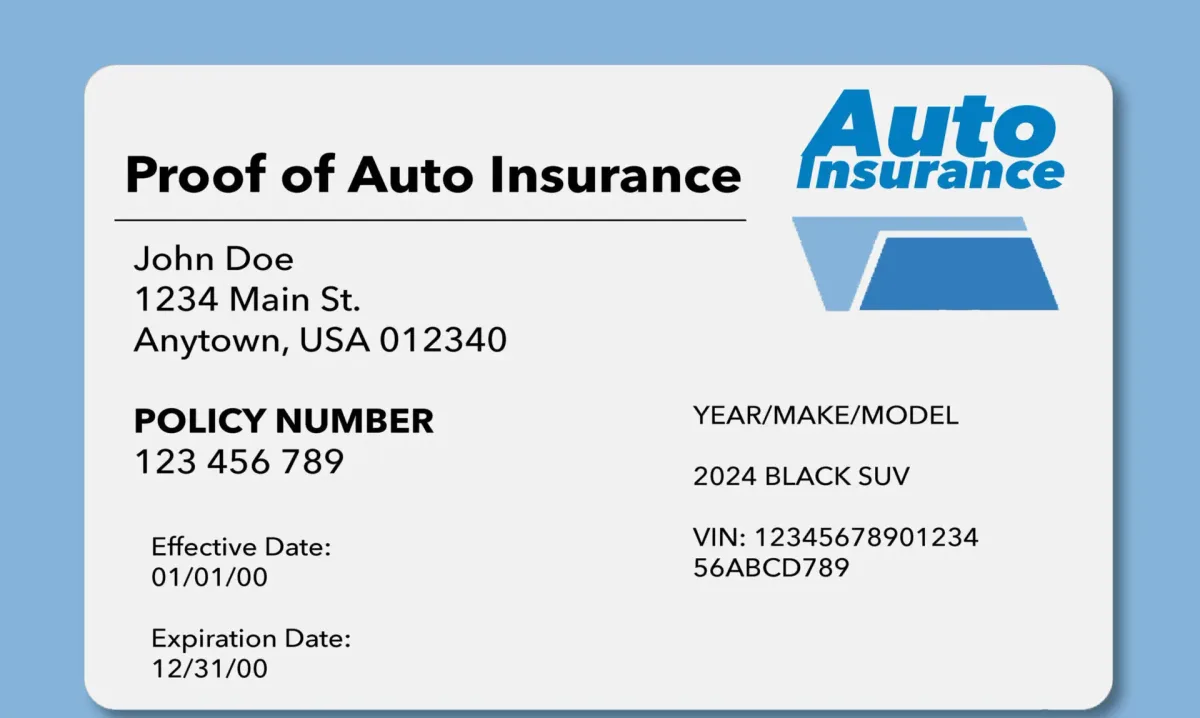
Zero deductible glass coverage is an optional endorsement. You add it to your existing comprehensive policy. When you file a glass claim, you pay zero out of pocket.
Bing (Web (fair-use with source credit))
Here is the catch. The endorsement might only cover glass repair or replacement. It does not cover other damage that happens during the same incident.
If a rock cracks your windshield and also dings your hood, the hood repair falls under your standard comprehensive deductible.
Some policies have a separate glass deductible that is lower than your main deductible. For example, you might have a 0 comprehensive deductible but a 0 glass deductible. That means glass claims cost you 0 instead of 0.
Others have a "glass waiver" that waives the deductible for windshield repair only.
What to ask your agent
Ask these exact questions when you call your insurer. "Do you offer a zero deductible glass endorsement?" "What is the annual premium for it?" "Does it cover full replacement or only repair?" "Is ADAS recalibration included?" "Are there any restrictions on how many claims I can file per year?"
The endorsement typically costs between and 5 per year. For less than the price of one chip repair, you eliminate your deductible entirely. It is one of the cheapest insurance add-ons available.
Who Offers Zero Deductible Endorsements and What to Ask Your Insurer
Most major carriers serving Colorado offer some form of zero deductible glass coverage. That includes State Farm, Geico, Progressive, Allstate, USAA, and Liberty Mutual. Some call it a glass deductible waiver.
Others call it a glass endorsement.
The availability varies by state. Colorado is generally friendly for this coverage. But not every plan from every carrier includes it.
You need to check.
Policy-specific questions
"Is the zero deductible glass part of my policy or an add-on?" Some carriers include it automatically in certain tiers of comprehensive coverage. Others require you to request it specifically.
"Does it cover all glass or just the windshield?" Some endorsements cover side windows and rear glass too. Others limit coverage to the windshield.
"Does it cover OEM glass or aftermarket only?" If you have a newer car, OEM glass matters. The endorsement might only cover aftermarket glass unless you pay extra.
"Is there a limit on claims per year?" A few policies cap glass claims at two per year. After that, your standard deductible applies again.
The Colorado Division of Insurance tracks complaints against specific insurers. Check their database if you want to see how a carrier handles glass claims before you commit.
When Paying Out of Pocket Makes More Sense Than Filing a Claim
Not every crack needs an insurance claim. Filing too many glass claims can cost you more than paying for the repair yourself.
Here is the math that matters. A small chip repair at a reputable shop runs to 0. A full windshield replacement without ADAS recalibration costs 0 to 0.
Even with recalibration, you are looking at 0 to ,200 on most modern vehicles.
Now compare that to what happens after you file a claim. Insurance companies track claim frequency. One glass claim every few years rarely triggers a rate increase.
But two or more claims within a 12-month period? That is a different story.
Aggregated policyholder data shows that multiple glass claims can push your premium up 10 to 20 percent at renewal. On a ,500 annual policy, that is an extra 0 to 0 per year for the next three to five years.
When you should pay cash
Consider paying out of pocket if the damage is a small chip under an inch. If you have a 0 or higher deductible on comprehensive, paying cash often makes sense. If you have filed another claim within the last 12 months, avoid filing another.
Claims stay on your record. If your vehicle is older and the windshield costs less than 0 to replace, just pay for it.
When you should file a claim
Always file a claim if you have a zero deductible glass endorsement. Why would you not use it? File a claim if the crack is large, in your line of sight, or runs edge to edge.
If your vehicle requires ADAS recalibration, file a claim because that adds 0 to 0 alone. If the repair estimate exceeds your comprehensive deductible by a wide margin, file the claim. If you have a newer car where OEM glass costs 0 or more, file the claim.
Use this simple rule. If the repair costs less than twice your deductible, pay cash. If it costs more, file the claim.
The Real Risks of Skipping ADAS Recalibration After a Replacement
This is the part most Colorado drivers do not think about until it is too late.
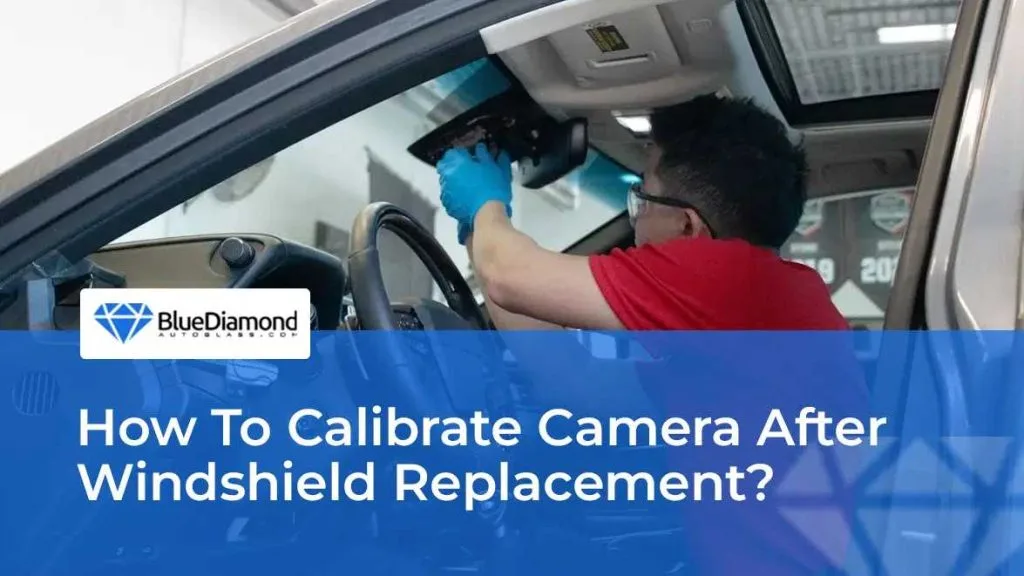
Modern vehicles rely on cameras and sensors mounted behind or around the windshield. Systems like lane departure warning, forward collision alert, automatic emergency braking, and adaptive cruise control all depend on precise alignment. Replace the glass without recalibrating those sensors, and you are driving blind.
Bing (Web (fair-use with source credit))
Manufacturer specifications from major automakers state clearly that any windshield replacement on a vehicle equipped with ADAS requires recalibration. This is not optional. It is not a suggestion.
It is a safety requirement written into the service manuals.
Skip it, and here is what can happen. Your lane departure system might not alert you. Your automatic braking might engage late or not at all.
Your adaptive cruise control could maintain the wrong following distance. In the worst case, these systems can give you false readings that cause you to react incorrectly.
The cost nobody warns about
ADAS recalibration adds 0 to 0 to a windshield replacement. Some luxury vehicles with multiple cameras cost even more. That is often the difference between a 0 replacement and a ,100 one.
Some glass shops handle recalibration in-house. Others send you to the dealership. A few offer mobile recalibration services.
Before you choose a shop, ask them directly if they handle ADAS recalibration on your make and model.
If they do not do it, factor in that extra trip and cost.
How to protect yourself
Verify your insurance policy covers recalibration as part of a glass claim. Some policies explicitly exclude it. Others limit coverage to the glass only.
If yours does not cover recalibration, that 0 deductible just turned into ,000 out of pocket.
The safest path is simple. Use a certified glass shop that follows Auto Glass Safety Council standards. Those shops document every recalibration.
They give you paperwork confirming the sensors are properly aligned. Keep that paperwork in your glove box.
Step-by-Step: What to Do When Your Windshield Gets Damaged
You are driving on I-25 near Castle Rock. A gravel truck kicks up a rock. You hear that sickening thwack against the glass.
Now what?
Follow this sequence. It takes the guesswork out of the moment and protects your wallet.
Step 1: Assess the damage immediately
Pull over as soon as it is safe. Look at the damage. Is it a small chip the size of a pea or a crack running across the glass?
Take a photo with your phone. Note the location relative to the driver's seat.
If the crack is smaller than a dollar bill and not in your direct line of sight, you have time. If it is large or in your field of vision, you need action sooner.
Step 2: Prevent the crack from spreading
Temperature swings make cracks grow fast. Colorado's freeze-thaw cycles are brutal on damaged glass. If you have a chip, put a piece of clear packing tape over it.
This keeps out moisture and debris. It buys you a day or two until you can get it repaired.
Do not use hot water on a cold windshield to fix a crack. That thermal shock can shatter the entire glass.
Step 3: Check your insurance coverage
Pull up your policy declarations page. Look for comprehensive coverage and note your deductible. If you have a zero deductible glass endorsement, great.
If not, check whether your insurer offers free chip repair as a loss prevention service.
Many Colorado insurers offer free crack repair even without a glass endorsement. They do this because a 5 chip repair now saves them a 0 windshield replacement later.
Step 4: Choose between repair and replacement
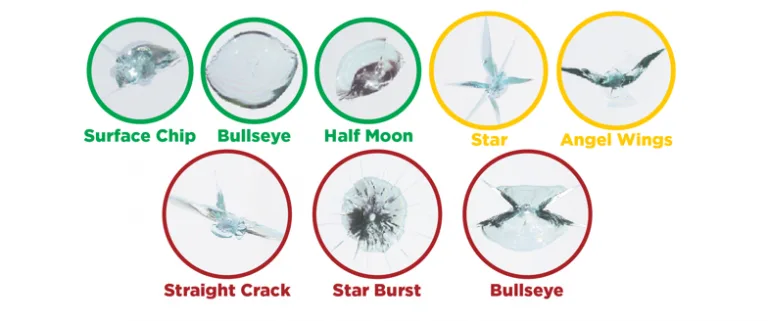
Take your photo to a reputable glass shop. They will tell you if the damage is repairable. Industry standards say chips under one inch and cracks under 12 inches can usually be repaired.
Anything larger or in the driver's line of sight requires full replacement.
Step 5: File the claim or pay cash
Based on your decision from earlier, either call your insurer or just pay the shop. If you file a claim, the insurer will often direct you to an in-network shop. You can also choose your own shop.
Your insurer cannot force you to use their preferred vendor. But going out of network may mean you pay up front and get reimbursed.
Step 6: Verify the work
After repair or replacement, check for these things before you drive away. Look for no visible distortion in your line of sight. Listen for no wind noise at highway speed.
Check for clean edges with no gaps in the adhesive. Make sure the rearview mirror and rain sensors are properly reinstalled. Confirm that ADAS recalibration was completed.
Common Mistakes That Cost Colorado Drivers Real Money
We have seen the same patterns over and over. These mistakes turn a 5 problem into a ,200 headache.
Mistake 1: Waiting too long
Colorado's climate is hard on windshield cracks. A small chip that would cost 5 to repair today will spiderweb into a full crack after one freeze-thaw cycle. That 5 fix becomes a 0 replacement in a matter of days.
Get chip repairs done within 48 hours. Most shops can do it in 30 minutes.
Mistake 2: Assuming zero deductible is automatic
This is the biggest myth we covered earlier. Drivers buy comprehensive coverage and assume glass is included with no deductible. Then they file a claim and discover they owe 0.
Read your declarations page. Do not guess.
Mistake 3: Using the cheapest glass shop
That 0 windshield replacement sounds great until you realize the shop used a non-OEM panel that distorts your vision. Or they did not recalibrate your sensors. Or they used low-quality adhesive that fails in six months.
Verify that the shop is certified by the Auto Glass Safety Council. Pay for quality. Your safety depends on it.
Mistake 4: Filing multiple small claims
A 0 chip claim seems like no big deal. File three of those in two years, and your insurer may non-renew your policy. They see you as high risk.
One glass claim every few years is fine. More than that and you are flagged.
Mistake 5: Ignoring ADAS recalibration
We covered this in detail above. But it is worth repeating. A non-recalibrated windshield on a 2022 or newer vehicle is a safety hazard.
Your insurance may also deny future claims if an accident occurs and the investigation finds your sensors were not properly aligned after a previous replacement.
How Much You Are Actually Looking At: Real Cost Ranges
Let us put real numbers on the table. These are typical Colorado prices as of 2026, compiled from verified buyer feedback and shop estimates across the Front Range.
| Service | Typical Cost Range | Notes |
|---|---|---|
| Chip repair (single) | to 0 | Often free through insurance |
| Windshield replacement (basic) | 0 to 0 | No ADAS, aftermarket glass |
| Windshield replacement (OEM glass) | 0 to 0 | Factory spec glass |
| Windshield replacement plus ADAS recalibration | 0 to ,200 | Most modern vehicles |
| Luxury vehicle (camera-heavy) | ,200 to ,000 | BMW, Mercedes, Tesla |
| Mobile installation fee | to 5 | Waived by many shops |
Pricing varies by location. Denver metro shops tend to be more expensive than those in Colorado Springs or Pueblo. Rural areas may have fewer options and longer wait times but sometimes lower labor rates.
The deductible math
Here is how your deductible choice affects out-of-pocket cost in a real scenario. Your windshield replacement costs 0 with ADAS recalibration.
With a 0 deductible, you pay 0. The insurer covers everything. With a 0 deductible, you pay 0.
The insurer pays 0. With a 0 deductible, you pay 0. The insurer pays 0.
With a 0 deductible, you pay 0. The insurer pays 0. With a ,000 deductible, you pay 0.
The full amount out of pocket.
Notice that with a ,000 deductible, your insurance covers nothing. You are effectively self-insuring for glass damage. If you have a high deductible, you are far better off paying cash for chip repairs and budgeting for the occasional full replacement yourself.
What insurers look at when setting your deductible
Comprehensive deductibles typically come in fixed amounts: $100, $250, $500, $1,000. Glass claims fall under comprehensive. Some insurers offer a separate glass deductible that is lower than your main comprehensive deductible.
Ask about that specifically.
The average comprehensive deductible among Colorado drivers sits around $500. That is high enough to discourage small claims but low enough to help with major damage. If you live in a hail-prone area like Colorado Springs or Denver, a lower deductible might make sense because you are likely to file hail claims anyway.
Bottom Line: What You Should Do Right Now
You do not need to overhaul your insurance today. But you do need to take three specific actions to protect yourself.
First, read your declarations page. Look for the comprehensive deductible. If it is $500 or higher and you do not have a glass endorsement, call your insurer.
Ask what it would cost to add a zero deductible glass endorsement. The answer might surprise you. Many carriers add it for $5 to $15 per year.
Second, get small chips repaired immediately. That $75 fix today prevents a $1,200 replacement next month. Colorado's freeze-thaw cycle turns a tiny star chip into a full windshield crack in 48 hours.
Do not wait. Most insurance companies offer free chip repair as a loss prevention service. Call and ask.
Third, verify your glass shop does ADAS recalibration. If your car was built after 2018, there is a good chance it has forward-facing cameras behind the windshield. A replacement without recalibration is a safety risk.
Ask the shop directly. Get documentation.
Remember this rule of thumb. If your comprehensive deductible is $500 or more, add a zero deductible glass endorsement. The cost is negligible.
The protection is significant.
If you drive a modern vehicle with ADAS, never skip recalibration. And if you file a claim, use a shop certified by the Auto Glass Safety Council. Your safety depends on getting this right.
Frequently Asked Questions
Does Colorado law require zero deductible glass coverage?
No. Colorado does not have a law mandating zero deductible glass coverage. That is a common myth.
States like Florida, Kentucky, and South Carolina have such laws. Colorado does not. Zero deductible glass coverage is an optional endorsement you can add to your policy for a small additional premium.
Will filing a glass claim raise my rates?
It depends on your insurer and your claim history. One glass claim every few years typically does not trigger a rate increase. But multiple glass claims within 12 to 24 months can lead to a premium increase of 10 to 20 percent.
Some insurers have specific glass claim forgiveness programs. Ask your agent directly.
How long does a windshield chip repair take?
Most chip repairs take 20 to 30 minutes. A mobile technician can do it in your driveway or parking lot. The resin needs about 30 minutes to cure fully.
You can drive immediately after the repair, but avoid car washes and heavy rain for 24 hours.
Can I choose my own glass shop in Colorado?
Yes. Your insurance company cannot force you to use a specific shop. They can recommend their in-network vendors, and those often come with direct billing.
But you have the right to choose any licensed glass shop. If you go out of network, you may need to pay upfront and submit a reimbursement claim.
What happens if I skip ADAS recalibration after a windshield replacement?
Your safety systems will be misaligned. Lane departure warning, forward collision alert, and automatic emergency braking may not work correctly. Your insurance could deny future claims if an investigation finds the sensors were misaligned.
Manufacturer service manuals require recalibration. Do not skip it.
How much does a zero deductible glass endorsement cost in Colorado?
It typically adds $5 to $15 per year to your premium. Some insurers include it as a standard part of their comprehensive coverage. Others offer it as an optional add-on.
The cost is minimal compared to the deductible savings on a single windshield replacement. Check your policy or call your agent.