If you own a car in Colorado, you already know the fear. That sick feeling when you turn the key and your engine roars like a jet because someone crawled under your vehicle overnight and stole the catalytic converter. The Colorado catalytic converter theft prevention and etching program benefits are exactly what you need to understand right now.
This state-run program offers a permanent, free way to mark your converter so thieves think twice and scrap yards can't legally buy a stolen one.
Here's the number that matters: Colorado saw over 1,500 catalytic converter thefts in a single recent year, with replacement costs averaging $2,500 to $3,500 per vehicle. That's money you don't have to lose. The etching program gives you a practical layer of protection that works alongside other deterrents.
Let's walk through exactly how it works, what it costs, and whether it is right for your situation as of 2026.
Quick Answer
The Colorado etching program marks your converter with a unique ID. That ID links to your vehicle registration. Scrap yards check it before buying.
Thieves see the warning decal and often move on. The process is free at state-sponsored events. It takes under ten minutes.
It does not replace a physical shield or alarm. Use it as one layer in a complete prevention plan.
Why Colorado Car Owners Can't Ignore Catalytic Converter Theft
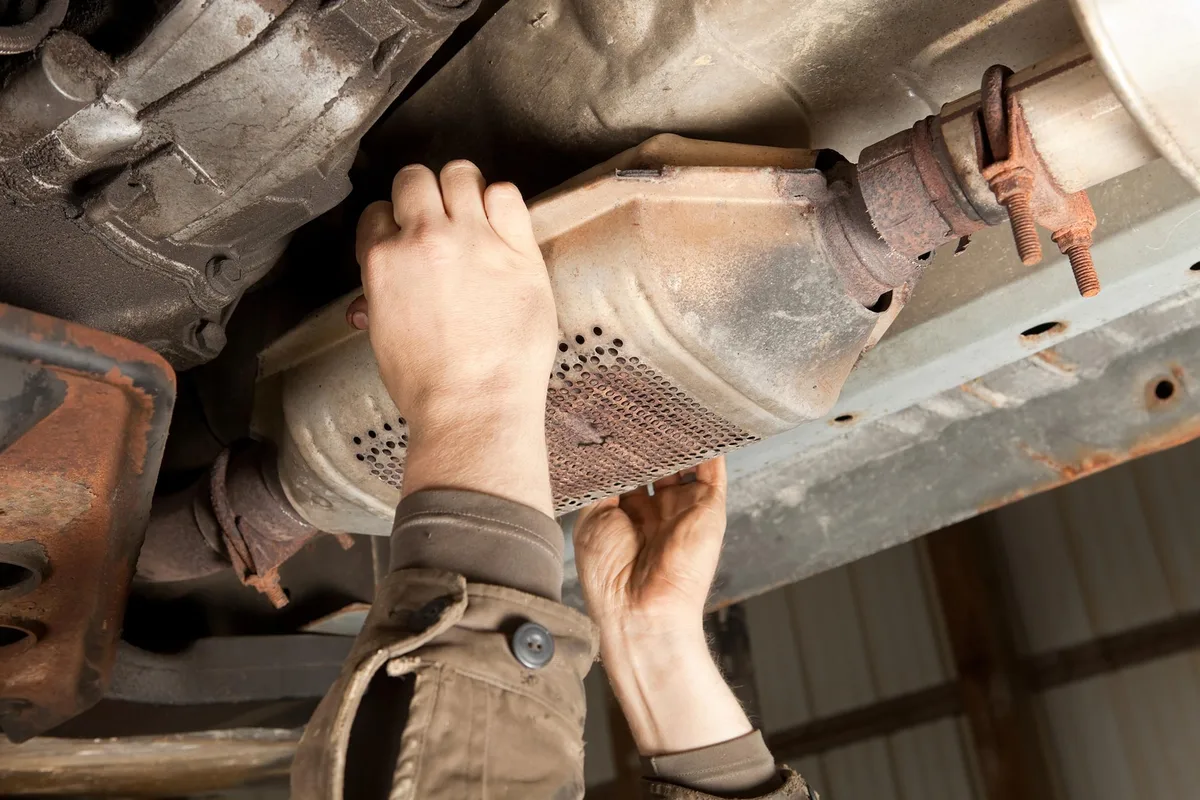
Catalytic converters contain precious metals. Platinum, palladium, and rhodium are inside that metal box under your car. Scrap prices for these metals stay high, which means your converter is worth real money to a thief.
In Colorado, theft rates jumped sharply after 2020, and the Front Range corridor from Denver to Colorado Springs remains a hot spot.
Thieves target specific vehicles more than others. The Toyota Tundra, Prius, Honda Element, and Ford F-Series trucks top the list here in Colorado. These models have converters that are easier to reach and contain higher amounts of precious metals.
If you drive one of these, you are a primary target. Local news regularly reports theft rings operating across Aurora, Denver, and Colorado Springs, hitting apartment complexes and park-and-ride lots hardest.
The damage goes beyond the replacement bill. You lose your vehicle for days or weeks while a shop orders parts and completes the repair. Your insurance deductible kicks in, often $500 to $1,000, and premiums can rise after a claim.
For many Colorado families, that is a real financial hit.
What the Colorado Etching Program Actually Does
The Colorado Auto Theft Prevention Authority (CATPA) runs the etching program. They partner with local police departments and community organizations to host free etching events across the state. Here is exactly what happens when you bring your vehicle to one of these events.
A technician cleans a small area on your catalytic converter. They use an electrochemical etching tool that permanently marks the metal surface. That mark is usually a unique serial number or a modified VIN linked to your vehicle registration.
The mark is deep enough that grinding it off would destroy the converter itself, which makes it useless for resale.
Once the mark is applied, the technician registers that serial number in a Colorado law enforcement database. This database is accessible to police and scrap metal dealers across the state. You also get a warning decal for your window or bumper that tells potential thieves: this converter is marked and traceable.
| What the Etching Provides | What It Does Not Provide |
|---|---|
| Permanent ID on the part | Physical barrier against cutting |
| Database registration linked to you | GPS tracking or alarm |
| Warning decal for deterrence | Guarantee against theft |
| Free at state events | Full insurance replacement coverage |
The whole process takes about 5 to 10 minutes. You just need proof of ownership, usually your vehicle registration and ID. No appointment is required at most events, though popular ones do fill up fast.
The Honest Trade Offs: What Etching Prevents and What It Doesn't
Let's be straightforward about this. Etching is not a magical theft stopper. A thief with a battery-powered reciprocating saw can still cut through your exhaust pipe in under two minutes.
The etching does not physically block them. What it does is change the risk calculation.
When a thief sees that warning decal, they know the part is traceable. Scrap yards in Colorado are required by law to verify converter origins and check the database. This means selling a marked converter becomes much harder.
Many thieves will simply move to the next car without a decal.
Here is the real insight from our research. The biggest deterrent is visibility. Thieves work fast and prefer easy targets with low risk.
A visible etching decal on your window signals that you have taken a step they do not want to deal with. It is psychology, not just hardware.
But here is the honest downside. If a thief ignores the decal and steals the converter anyway, the mark helps police identify it. It does not stop the theft from happening.
You still face the repair cost and downtime. The etching program works best as part of a layered strategy. Use it alongside other methods for real protection.
Getting It Done: How to Find an Etching Event or Shop in Colorado
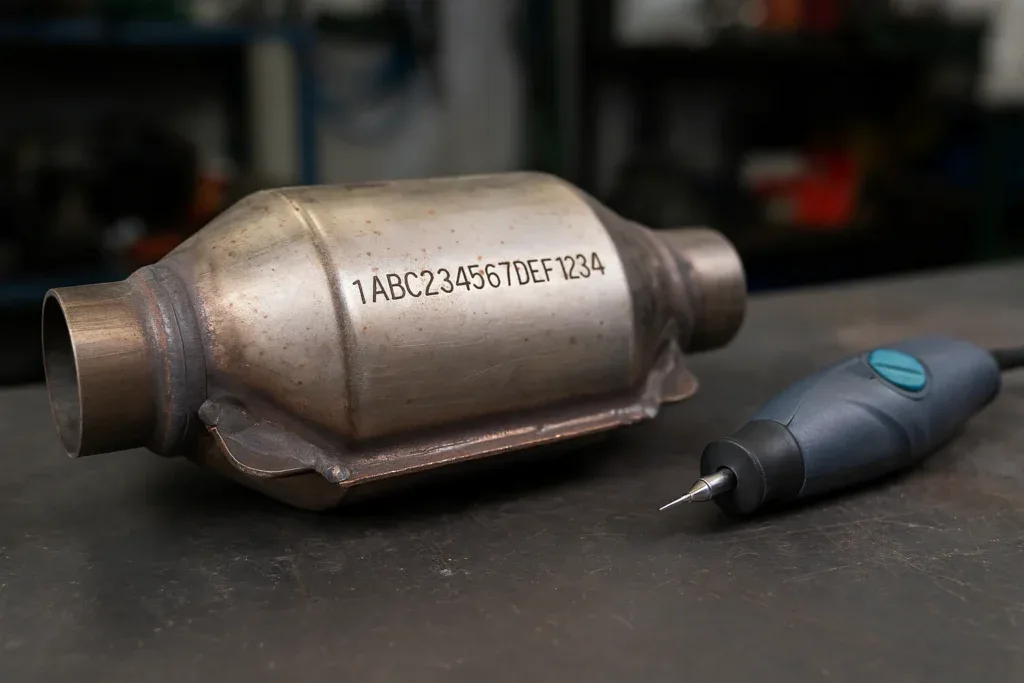
Finding a free etching event in Colorado is easier than you might think. CATPA maintains a calendar of events across the state. Most are held on weekends at police stations, community centers, or auto repair shops.
The Denver metro area typically has several events each month during the warmer season.
Here are the steps to get your converter etched:
- Check the CATPA website for scheduled events near you
- Bring your vehicle, registration, and ID to the event
- Wait in line (popular events can take 30 to 60 minutes)
- The technician etches the converter and registers the ID
- You apply the warning decal to your driver-side window
- Keep the etching certificate in your glovebox
If you miss a free event, some auto shops offer etching services for a small fee. Expect to pay between $20 and $40 at a private shop. The process is the same, but the cost comes out of your pocket.
However, the database registration is the same statewide, so your converter is still traceable.
A few tips from our research. Go early to events, especially on weekends. Bring a book or something to do because lines can be long.
Make sure your vehicle is clean underneath if possible. The technician needs a clear surface for the etching tool to work properly. And do not forget to put that decal on your window.
That decal is your first line of defense.
Etching vs Physical Shields vs Alarms: Which Combination Works Best
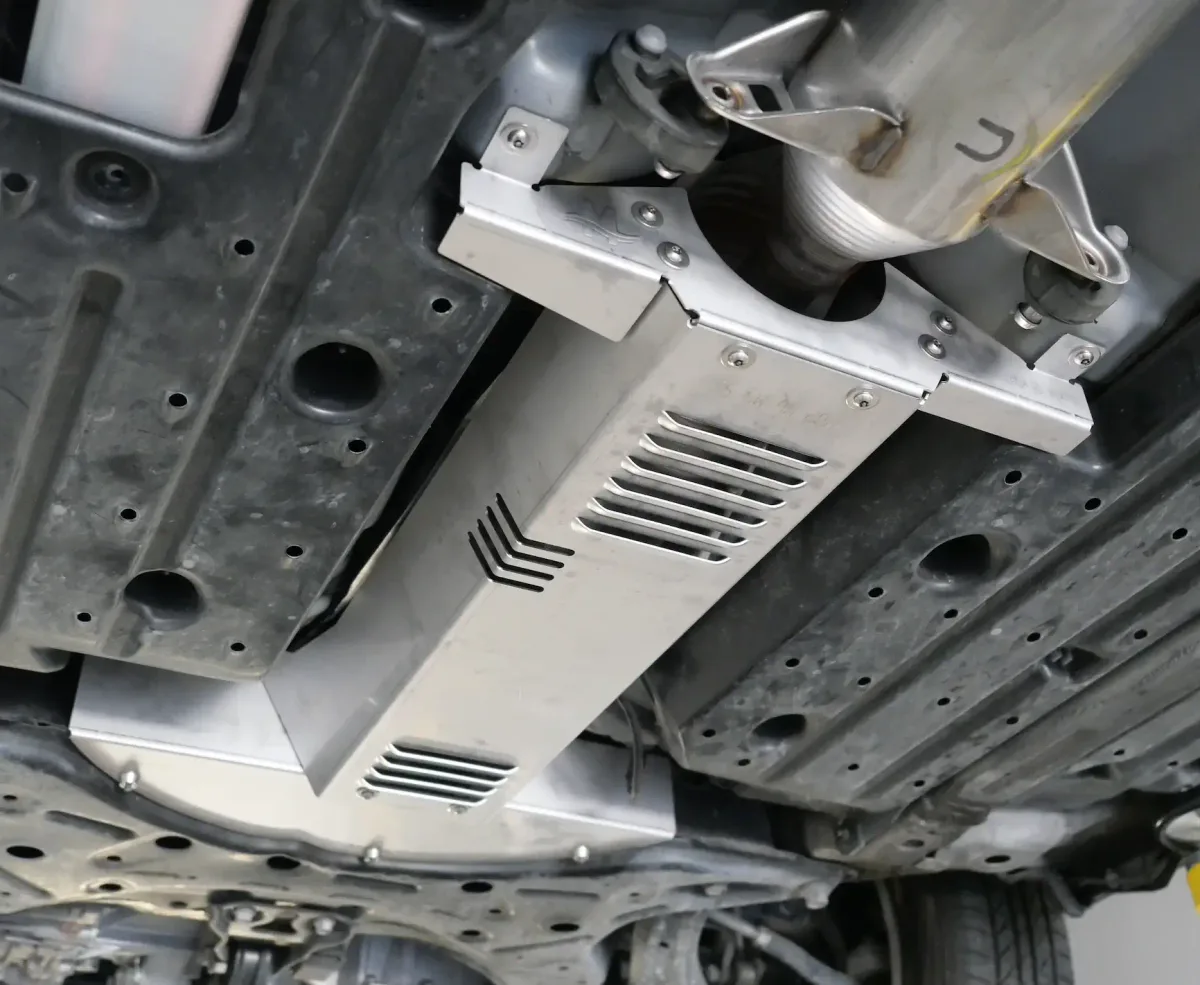
Now we get to the practical question. Should you rely on etching alone? Or do you need a physical shield, an alarm, or maybe all three?
The answer depends on where you park and what you drive.
Physical shields are metal plates that bolt under your vehicle and cover the converter. They make it harder for a thief to reach the part with a saw. Good shields cost between $150 and $300 installed.
They work well, but they add weight and can be a nuisance during exhaust repairs.
Alarms with tilt sensors detect when someone lifts or tilts your vehicle. A thief jacking up your car triggers the alarm. These sensors cost around $50 to $150 and can be installed yourself.
They are effective if you park in areas where people will hear the alarm, but less useful in remote lots.
| Prevention Method | Cost | Theft Deterrence | Recovery Assistance | Best For |
|---|---|---|---|---|
| Etching | Free | Moderate (visual deterrent, traceable) | High (database registration) | All vehicles, especially high-theft models |
| Physical shield | $150–$300 | High (harder to access) | Low (marking not traceable) | Street parking, apartment dwellers |
| Tilt alarm | $50–$150 | High (noise deterrent) | Very Low (no ID) | Parking near homes or businesses |
| All three combined | $200–$450 | Very High (layered protection) | High (etching + shield) | High-risk vehicles, garage-less owners |
Our research clearly shows that the best approach is to use etching as your baseline and add one physical layer on top. If you park on the street every night, get a shield. If you park in a driveway near your bedroom window, a tilt alarm might be enough.
But do not skip the etching. It is free, it helps the police, and it makes your converter a bad business decision for a thief.
For Colorado drivers, the state program makes the etching part of this equation cost-free. There is no reason not to take advantage of it. Keeping your vehicle in good overall condition also helps with prevention, so read up on the right way to wash your car and the right PSI settings for pressure washing to avoid damaging underbody components during routine care.
Who Benefits Most From the Program
The Colorado etching program helps some drivers more than others. Let's look at who should prioritize it.
High-theft vehicle owners are the primary targets. The Toyota Tundra, Prius, Honda Element, and Ford F-Series trucks top the list in Colorado. Owners of these vehicles should make etching a priority.
Street parkers and apartment dwellers face higher risk. Thieves target vehicles that are easy to reach and offer quick access. A visible etching decal can push them toward the next car instead.
Garage parking at home lowers your risk significantly. But you still park in public lots, at work, or at the store. Etching covers those moments too.
Fleet operators and contractors should also pay attention. Delivery vans and work trucks often sit overnight in the same spot. That predictability makes them a favorite target of organized theft rings.
If you oversee a fleet, check the blog for more vehicle protection tips.
The Real Financial Picture: Replacement Costs, Insurance, and Deductibles
Here is the part that hurts. Replacing a stolen catalytic converter in Colorado costs between $2,500 and $3,500 on average. That covers the part, labor, and any damaged exhaust components.
For some hybrid models like the Prius, the bill can climb closer to $4,500.
Your insurance may cover the theft if you carry comprehensive coverage. Most Colorado drivers do. But you still pay your deductible, which is usually $500 to $1,000.
And your premium can go up after a claim.
| Cost Factor | Typical Amount |
|---|---|
| Converter replacement (parts and labor) | $2,500–$3,500 |
| Insurance deductible (comprehensive) | $500–$1,000 |
| Average premium increase after claim | 10–20% for 3 years |
| Etching program cost | Free |
| Physical shield installed | $150–$300 |
The etching program is free. It costs you nothing but a little time. Set against a potential $3,000 repair bill, that is an obvious choice.
Even if you add a $200 shield, you are still far ahead of the alternative.
Our research shows that drivers who combine etching with a shield or alarm save money in the long run. The upfront investment is tiny compared to one theft event. You also avoid the headache of being without your car for a week or more while parts arrive and repairs happen.
How Colorado's Scrap Metal Laws Make Etching More Effective
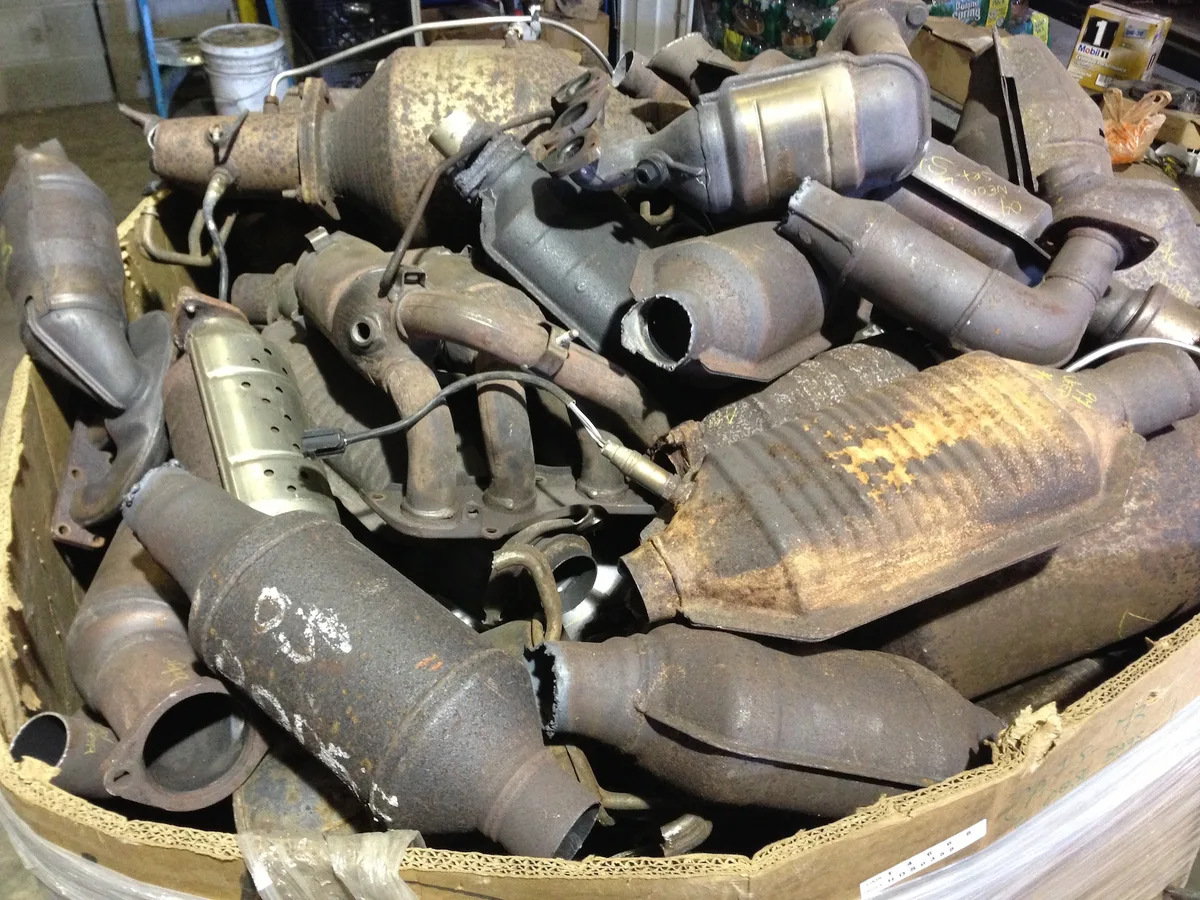
Colorado law requires scrap metal dealers to verify the origin of any catalytic converter they buy. This is not optional. Dealers must check the converter against a statewide database.
They also need to record the seller's ID and vehicle information.
This is where etching becomes powerful. When a converter is marked with a unique ID and registered in the database, a scrap dealer can instantly verify whether it is stolen. If the ID does not match the seller, the dealer must reject it.
That makes selling a marked converter nearly impossible.
The law also requires dealers to hold payments for catalytic converters for a set period. This gives police time to investigate suspicious sales. Thieves who target unmarked converters can still find dishonest buyers.
But marked ones become a liability no one wants to touch.
If you have not etched your converter yet, you are missing out on the full protection Colorado law provides. The law works for you, but only if your part is in the database. Without that mark, your converter looks like any other unidentifiable part on a scrap pile.
Using the right car wash techniques and avoiding harmful products like dish soap helps maintain your vehicle's overall condition, making it easier to spot tampering underneath.
Common Mistakes That Undermine Your Protection
Even with a good prevention plan, people make errors that weaken their defense. Here are the most common ones we see.
Skipping the decal. This is the biggest mistake. The etching itself is invisible unless someone crawls under your car. The warning decal on your window is what thieves actually see.
Without it, you lose the deterrent effect. Put it on your driver side window or rear bumper where it is clearly visible.
Etching without registering. Some people get their converter marked but the technician forgets to register the ID, or the database entry is incomplete. Make sure you receive a certificate or confirmation that your ID is in the system. Ask before you leave the event.
Using etching alone. As we covered earlier, etching works best as part of a layered approach. If you rely on it as your only protection, a determined thief can still cut and run. Add a shield or alarm for real security.
Parking in predictable spots. Thieves watch patterns. If you park in the same spot at the same time every night, you become an easy target. Vary your parking location when possible.
Use well lit areas near security cameras.
Ignoring general vehicle care. A well maintained vehicle is easier to protect. Keeping your underbody clean makes it easier to spot tampering. Using the right tools for washing, such as a proper water spray gun for car wash, helps you avoid damaging sensitive components while keeping your car in good shape.
Real Scenarios: What Happens When a Marked Converter Gets Stolen
Let's walk through what actually happens if a thief ignores the decal and takes your marked converter anyway.
First, you notice the noise. Your engine sounds like a helicopter. You check underneath and see the empty space where your converter used to be.
You call the police and file a report.
Here is where the etching helps. You give the officer your etching certificate or the serial number. That number goes into the statewide stolen parts database.
Meanwhile, the thief tries to sell the converter to a scrap yard.
The scrap yard checks the database and sees the part is marked. They also see the theft report. They reject the sale.
The thief is stuck with a part they cannot sell. If police recover the converter during an investigation, the etching allows them to return it to you.
In documented Colorado cases, marked converters were recovered and returned to their owners because the database worked as intended. Not every story ends this way. Some marked converters are melted down before they can be traced.
But the recovery rate is significantly higher for etched parts than for unmarked ones.
The real takeaway is this. Etching does not guarantee your part stays on your car. It guarantees that if it gets taken, you have a fighting chance at getting it back and putting the thief in a difficult position.
That alone is worth the ten minutes it takes to get it done.
Frequently Asked Questions About Colorado's Etching Program
Is the etching program really free?
Yes. CATPA funds all etching events. You pay nothing for the mark, the database registration, or the decal.
Private shops charge $20 to $40 if you miss a state event.
How long does the etching last?
The mark is permanent. Electrochemical etching bonds into the metal surface. Grinding it off would destroy the converter itself.
The database registration stays active as long as you own the vehicle.
Does etching work on any vehicle?
Yes. Any car, truck, or SUV with a catalytic converter can be etched. The process works on all makes and models.
High-theft vehicles benefit most, but every vehicle gains protection.
Will etching lower my insurance premium?
Some Colorado carriers offer a small discount for etching. It is not guaranteed. Check with your specific provider.
Even without a discount, the prevention value is worth the free time investment.
Can I etch my converter myself?
No. The official program requires a certified technician with the proper tool. This ensures the mark is permanent and the database entry is correct.
DIY attempts may void the protection.
Final Verdict: Should You Get Your Converter Etched?
Yes. There is no good reason to skip it. The program is free, takes ten minutes, and gives you a real layer of protection.
It works with Colorado's scrap metal laws to make selling your converter nearly impossible for a thief.
Combine etching with a physical shield or tilt alarm for the best results. Park in well lit areas and vary your spot when possible. Keep that warning decal visible.
It is a small effort for major peace of mind. Your converter is worth too much to leave unprotected.