ByMax Lee
Guide to Colorado Blue Light Prohibition for Non-emergency Private Vehicles
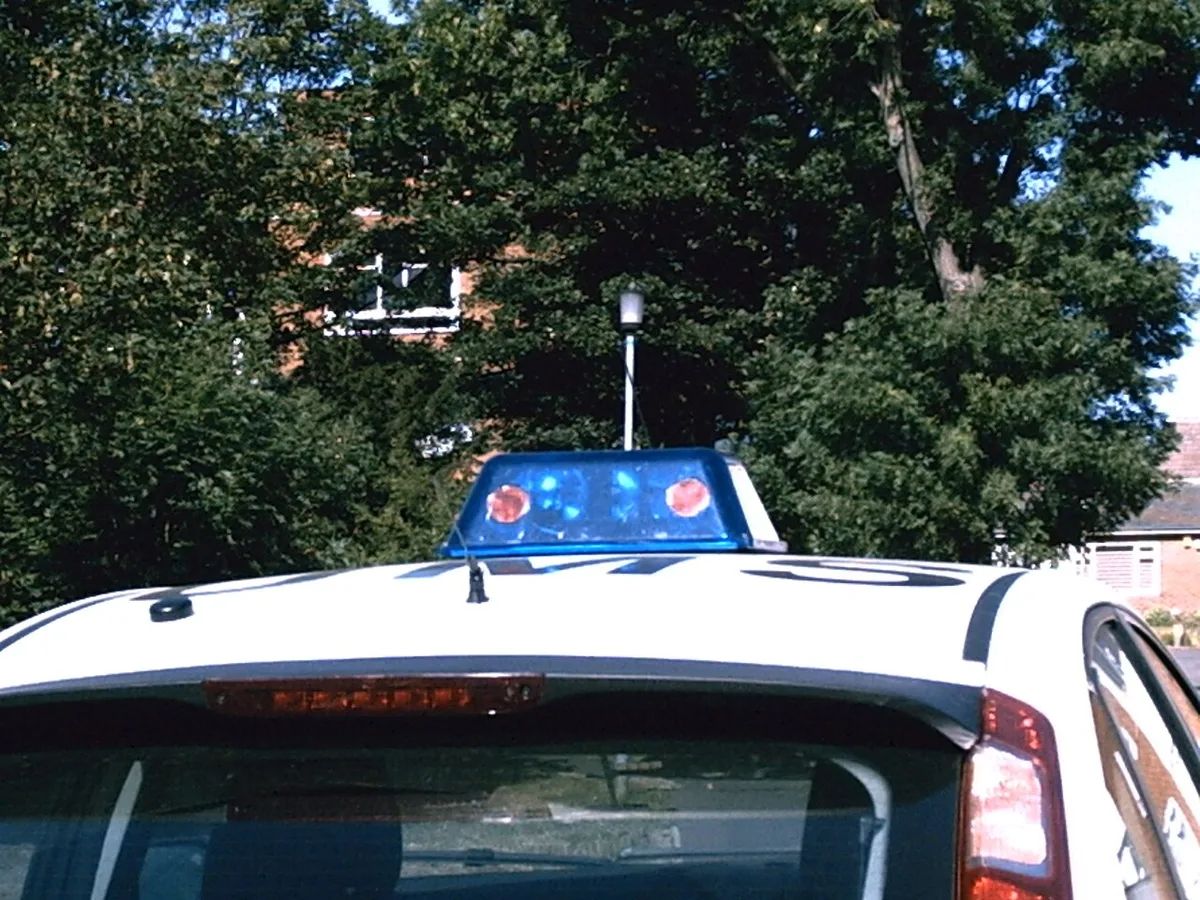
Wikimedia Commons / Tellyaddict at English Wikipedia
If you've ever wondered whether you can put blue lights on your personal truck or car in Colorado, the short answer is almost always no. The Colorado blue light prohibition for non-emergency private vehicles is one of the strictest in the country, and breaking it can land you with a ticket, a criminal charge, or worse. Colorado treats unauthorized blue lights as impersonating emergency personnel, and the state takes that seriously.
Colorado Revised Statutes Section 42-4-215 spells it out clearly: only authorized emergency vehicles can display blue lights. As of 2026, the penalties haven't softened. If you're a volunteer firefighter or work security, there are narrow exceptions, but they come with strict paperwork and equipment rules.
Most drivers need to know what's legal and what's not before they buy any lighting upgrades. Let's walk through exactly what the law says and how to stay on the right side of it.
Quick Answer
Colorado law prohibits blue lights on non-emergency private vehicles. Only authorized emergency vehicles may display them. Violations carry fines and possible jail time.
Exceptions exist for volunteer firefighters with written authorization from their fire chief. Security vehicles may use blue lights only under specific conditions. Always check with your local Colorado State Patrol office before installing any auxiliary lighting.
What Exactly the Law Says (C.R.S. 42-4-215)
Colorado Revised Statutes Section 42-4-215 is the governing law on emergency vehicle lighting. It defines which vehicles can display blue lights and under what circumstances. The law distinguishes between "authorized emergency vehicles" and everything else.
Authorized emergency vehicles include:
- Police cars
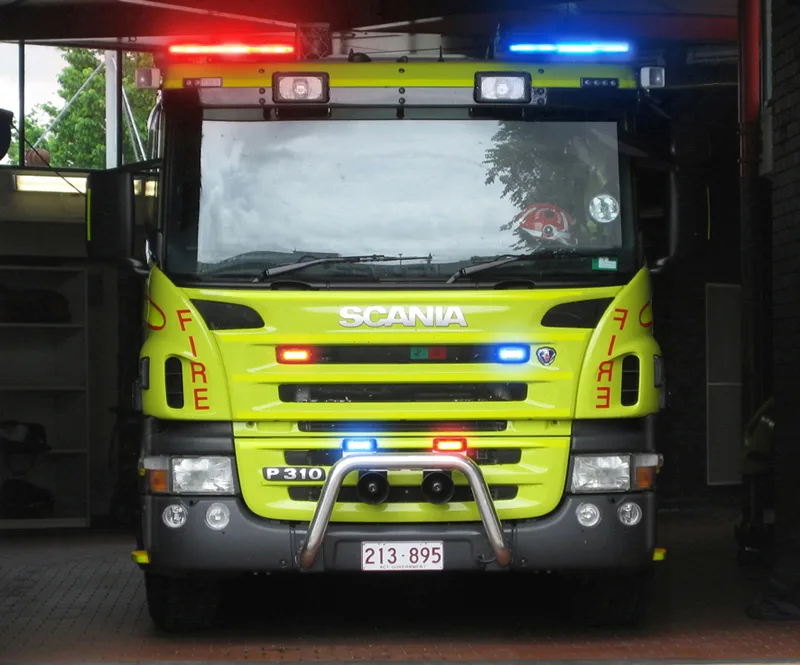
- Fire trucks and other fire department vehicles
- Ambulances
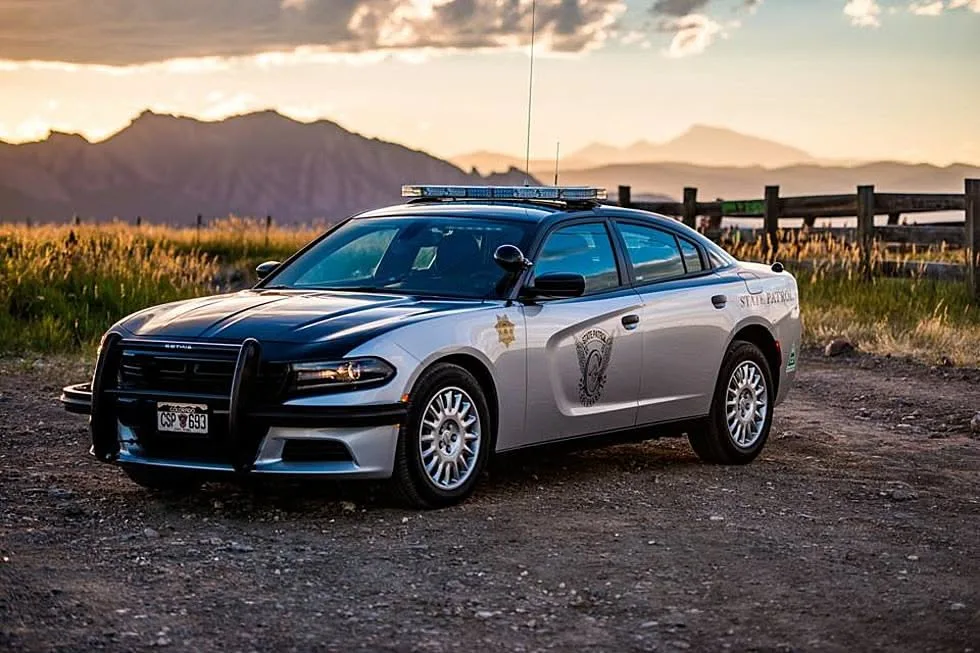
- Colorado State Patrol vehicles
- Vehicles operated by federal law enforcement
Bing (Web (fair-use with source credit))
The statute specifically states that no vehicle other than an authorized emergency vehicle may display a blue light visible from the front. That means even a small blue LED on your dashboard or a blue light bar on your pickup is illegal if it can be seen from the front of your vehicle.
The law covers all shades of blue. It doesn't matter if it's pale blue, navy blue, or flashing versus steady. If a reasonable person would identify it as blue, it counts.
Colorado courts don't accept the "aqua" or "teal" defense.
What About Red Lights?
Red lights are also restricted but with slightly different rules. Authorized emergency vehicles can display red lights to the front. Non-emergency vehicles can have red lights only to the rear.
Federal regulations under FMVSS 108 govern rear red lighting on all vehicles. You can use red taillights and brake lights, but you cannot have flashing red lights aimed forward on a private vehicle.
Who Gets an Exception: The Exempt Vehicles and People
Colorado does allow some non-emergency vehicles to use blue lights, but the exceptions are narrow and heavily regulated. Here's who qualifies and what they need.
Volunteer Firefighters
Volunteer firefighters in Colorado can equip their personal vehicles with blue lights, but only with written authorization from their fire chief. The vehicle must be registered with the fire department, and the authorization letter must be in the vehicle at all times. The blue light can only be used when responding to an emergency call.
You cannot drive around with it on for general visibility.
Key requirements for volunteer firefighters:
- Written authorization from the fire chief
- Vehicle registration tied to the fire department
- Authorization letter present in the vehicle at all times
- Light used only during active emergency response
- Light must meet specific brightness and placement standards
Security Vehicles
Licensed security companies in Colorado may use blue lights under certain conditions. The security guard must be on duty, and the vehicle must be clearly marked with the company name. The blue light can only be used at the location the security company is contracted to protect.
You cannot drive a security vehicle with blue lights on public roads unless you're actively responding to an incident at the protected location.
Armored Car Personnel
Armored car drivers and guards transporting valuables may use blue lights during active operations. This exception is limited to vehicles actively moving cash, precious metals, or other high-value assets. The vehicle must be owned by a licensed armored car company, and the lights must be installed per company protocol.
Military and Government Vehicles
Military police and certain government vehicles can use blue lights while on official duty. This includes vehicles operated by the Colorado National Guard, federal law enforcement, and some state agencies. These vehicles must be clearly marked and operated by authorized personnel.
Wikimedia Commons / Angelo Tsirekas (CC BY)
Utility and Roadside Service Workers
Colorado allows utility vehicles and some roadside service trucks to use amber lights, not blue. Blue remains strictly reserved for emergency and law enforcement use. If you work for a towing company or utility company, you need amber or white lights.
This is a common point of confusion among drivers who see utility trucks with flashing lights and assume blue is acceptable.
The Risks and Penalties You Don't Want to Ignore
Violating Colorado's blue light law carries real consequences. This isn't a fix-it ticket. It's treated as a traffic violation at minimum, and it can escalate to criminal charges depending on the circumstances.
Traffic Violation Penalties
If you're caught with unauthorized blue lights, you face a class A traffic infraction. Fines can reach several hundred dollars plus court costs. The officer can also impound your vehicle if they determine the lights are being used to impersonate emergency personnel.
Criminal Charges
Using blue lights to pull someone over or get through traffic is a class 1 misdemeanor. That can mean up to 18 months in jail and a fine of up to $5,000. Colorado doesn't mess around with impersonating an officer.
Even if you didn't intend to deceive anyone, having the lights visible from the front can still get you charged.
Insurance and License Points
A conviction adds points to your driving record. For a class A infraction, that's usually 4 points. Accumulate 12 points in 12 months and your license gets suspended.
Your insurance rates will go up too. Some insurance companies may drop you entirely for having illegal emergency equipment on your vehicle.
Impoundment and Forfeiture
In some cases, law enforcement can impound your vehicle if they believe it's equipped for emergency use illegally. Getting it back means paying impound fees and proving you've removed the lights. If you're caught multiple times, the state can seek forfeiture of the vehicle.
Common Misunderstandings and Mistakes Drivers Make
Most violations happen because drivers don't realize what the law actually says. Here are the most common mistakes Colorado drivers make.
Thinking a Single Blue Bulb Is Okay
Some drivers install a single blue LED inside their cabin or on the grille. They think because it's small, it doesn't count. The law doesn't distinguish by size or brightness.
Any blue light visible from the front of the vehicle is illegal. That includes interior lights that shine through the windshield.
Confusing Blue with Other Colors
Blue is the most restricted color in Colorado. Red has some limited allowances to the rear. Amber and white are generally okay for auxiliary lighting, but only if they're not used to impersonate emergency vehicles.
Some drivers buy "blue-ish" LED bulbs and argue they're actually white. If a police officer sees blue, you're getting a ticket.
Misreading the "Emergency Vehicle" Definition
Just because you have a volunteer firefighter sticker on your truck doesn't make it an emergency vehicle. You need the written authorization letter and you can only use the blue light when responding to a call. Driving with it on during the day "just in case" is illegal.
Installing Lights After Market Without Checking
Many aftermarket lighting kits sold online claim to be "legal for off-road use only." If you install them on a street-driven vehicle and they're blue, you're breaking the law. Colorado officers know exactly what to look for. They can spot illegal emergency lighting during a traffic stop or even while you're parked.
Assuming Out-of-State Vehicles Are Exempt
If you drive into Colorado from another state with blue lights legally installed there, you're still subject to Colorado law while on Colorado roads. The state doesn't honor out-of-state exemptions for emergency lighting. You need to remove or cover the blue lights before entering Colorado.
Step-by-Step: How to Stay Legal with Lighting on Your Vehicle
If you're a volunteer firefighter, security guard, or just someone who wants auxiliary lighting for safety, here's how to stay compliant.
Step 1: Confirm Your Eligibility
Only volunteer firefighters with written authorization, licensed security guards on duty, and armored car personnel qualify for any blue light exception. If you don't fit one of these categories, you cannot have blue lights. Period.
Step 2: Get Written Authorization
Volunteer firefighters need a letter from their fire chief on department letterhead. The letter must include your name, vehicle description, and the authorization date. Keep the original in your glovebox.
A photocopy or digital photo may not be accepted by an officer.
Step 3: Install Approved Lighting
If you are authorized, use only lights that meet SAE standards for emergency vehicles. Do not modify household or off-road lights for this purpose. Have your installation checked by a licensed mechanic if you're unsure.
The light must be mounted securely and wired correctly.
Step 4: Register Your Vehicle with the Department
Your fire department should keep a record of authorized vehicles. If you change vehicles, you need a new authorization letter. The old letter for your previous truck doesn't apply.
Step 5: Use Lights Only During Active Response
Even with authorization, you cannot use blue lights for general driving. They are for emergency response only. Turn them off once you arrive at the scene or if you're not actively responding to a call.
Step 6: Remove Unauthorized Lights Immediately
If you have any blue lights and you're not authorized, remove them today. Unplug them, take them off the vehicle, and dispose of them properly. Do not leave them installed but disconnected.
An officer can still cite you for having the equipment on the vehicle.
Legal Alternatives: What Colors and Lights You Can Use
If you want auxiliary lighting for safety, visibility, or off-road use, here are the legal options in Colorado.
Wikimedia Commons / Pedro Ribeiro Simões from Lisboa, Portugal (CC BY)
| Light Color | Front of Vehicle | Rear of Vehicle | Notes |
|---|---|---|---|
| Blue | Illegal for non-emergency | Illegal for non-emergency | Strictly reserved for authorized emergency vehicles |
| Red | Illegal for non-emergency | Legal for taillights and brake lights | Flashing red to the front is banned |
| Amber | Generally legal | Generally legal | Best for hazard and warning use |
| White | Legal with restrictions | Legal | Must not blind oncoming traffic |
| Green | Legal for volunteer use | Legal for volunteer use | Some emergency services use green, check local rules |
Amber Lights
Amber or yellow lights are generally allowed on non-emergency vehicles in Colorado. You can use them for hazard warning, construction, or agricultural purposes. Tow trucks, utility vehicles, and farm equipment commonly use amber lights.
They must not be flashing or rotating in a way that mimics emergency vehicle patterns. Steady amber lights are safest for legal compliance.
White Lights
White auxiliary lights like fog lights, driving lights, and light bars are legal as long as they're aimed correctly. They must not blind oncoming traffic. Colorado law requires auxiliary lights to be mounted no higher than the headlights and aimed so they don't cause glare.
Off-road light bars must be covered or disconnected when driving on public roads in some jurisdictions.
Red Lights to the Rear
You may have red lights on the rear of your vehicle for tail, brake, and turn signal functions. Flashing red lights to the rear are allowed only if they meet FMVSS 108 requirements for stop lamps. You cannot add extra red lights aimed forward.
Underground Lights and Underglow
Colored underglow lights are not specifically prohibited by state law, but they can get you a citation if they are blue or red. Many local ordinances in Colorado cities ban any colored underglow. If you want underglow, use white or amber, and check your city's rules before installing.
Off-Road Only Lighting
Light bars and pods intended for off-road use are legal to drive with on public roads only if they are covered or turned off. You cannot use them on the road. Some counties require a cover that completely blocks the light output.
Check your local sheriff's office for specific requirements.
What to Do If You're Pulled Over or Questioned About Your Lights
If you're stopped and the officer asks about your lighting, stay calm and follow these steps.
For Authorized Users
If you have a valid authorization letter, tell the officer immediately. Hand over the letter with your license and registration. Explain that you are a volunteer firefighter or security guard and that you are responding to a call.
Do not argue or try to explain the law yourself. Let the officer read the authorization.
For Unauthorized Users
If you have blue lights and no authorization, do not lie about it. Officers can verify your status through dispatch. Be honest that you didn't know the law.
You may still get a ticket, but honesty can reduce the chance of criminal charges. Remove the lights on the spot if possible.
What Not to Do
Do not argue with the officer about the color of your lights. Do not claim your lights are "aqua" or "teal." Do not suggest the officer is wrong about the law. Colorado courts defer to law enforcement's judgment on lighting color.
You can contest the ticket in court later, but being respectful at the scene is always better.
Where to Get Official Information and Professional Legal Help
For the most accurate and current information, always refer to primary sources. The Colorado General Assembly website maintains the full text of C.R.S. 42-4-215. You can search it directly for the exact wording of the law.
Your local fire chief can provide guidance on volunteer firefighter authorization. Your security company's compliance officer should know the regulations for security vehicles. If you're unsure, call the Colorado State Patrol non-emergency line and ask.
They can explain the law without citing you.
For legal advice specific to your situation, consult a Colorado traffic attorney. An attorney can review your vehicle setup and advise on any risk. If you've already been cited, an attorney can help you fight the ticket or negotiate a plea.
For more tips on keeping your vehicle legal and well-maintained, check out our general vehicle care blog for Colorado-specific advice on everything from lighting to winter driving prep.
Frequently Asked Questions
Can I use blue LED lights inside my car if they don't face forward?
Any blue light visible from outside the vehicle through the windshield or windows can get you cited. If the interior lights are dim and not easily seen from outside, you're probably fine. But if an officer sees blue light emanating from your cabin, they can stop you and check.
Are blue license plate frames illegal in Colorado?
Blue license plate frames are not illegal by themselves. But if the frame includes blue LED lights that shine on the plate or outward, those lights could be considered illegal auxiliary lighting. Stick with non-illuminated frames to stay safe.
What if my vehicle already came with blue lights from the factory?
Factory-installed blue lights on non-emergency vehicles are extremely rare. Most vehicles with blue lighting are police package cars sold to law enforcement. If you bought a former police vehicle at auction, you must remove all blue lights before driving it on Colorado roads.
Can I use a blue light for off-road driving only?
Off-road use alone does not exempt you from Colorado's blue light restrictions. If you're driving on public roads to reach the trail, you can be cited. Install amber or white off-road lights instead of blue to avoid this issue entirely.
Do Colorado's blue light laws apply to bicyclists and motorcycles?
Yes. Colorado law applies to all motor vehicles, including motorcycles. Bicycles are not motor vehicles, but local ordinances may restrict blue lights on bikes as well.
If you ride a motorcycle, treat it the same as your car.
Can a private security company use blue lights on multiple vehicles?
Each vehicle needs its own authorization and must be registered with the company. The vehicles must be clearly marked with the company name. You cannot share authorization between vehicles.
Each driver also needs individual authorization.
Final Word: The Bottom Line for Colorado Drivers
The Colorado blue light prohibition is straightforward. If you're not a volunteer firefighter with written authorization, a licensed security guard on duty, or operating an authorized emergency vehicle, you cannot have blue lights. Period.
The penalties are serious, and the exceptions are narrow.
If you already have blue lights on your vehicle, remove them today. If you're considering adding emergency lighting for a volunteer role, get the proper authorization first. And if you're in doubt about any lighting setup, check with the Colorado State Patrol or a traffic attorney before you install anything.
Your safest bet for auxiliary lighting is amber or white. They give you visibility without the legal risk. And they'll keep you on the right side of a law that Colorado enforces strictly.