ByMax Lee
How Colorado Reporting a Traffic Accident to State Patrol or Local Police
Bing (Web (fair-use with source credit))
Quick Answer
Call 911 if anyone is hurt or if a car can’t be moved. For a minor crash on a state highway, contact Colorado State Patrol. On a city street, call the local police department.
No one responds within an hour? Use the CDOT DRIVE online system within 10 days. That’s the safest route for your insurance claim and your driving record.
The First 60 Seconds: Injuries, Danger, and When to Dial 911
Your first job after a collision is simple: make sure everyone’s safe. Check yourself and your passengers. Check the other driver.
If you see blood, broken bones, or anyone unconscious, call 911 immediately. That’s not a suggestion. It’s the law under CRS 42‑4‑1603.
Even if the injuries look minor, err on the side of caution. A complaint of neck pain at the scene can turn into a serious whiplash diagnosis later. Colorado State Patrol dispatchers are trained to triage, so let them decide the response level.
If the cars are blocking traffic and no one is hurt, still call 911 to get a trooper or officer to direct traffic. But if you’re on a quiet side street with no injuries and both cars can move, you have more options. The key: never leave the scene without exchanging info (name, insurance, license plate).
That’s required by CRS 42‑4‑1604.
Jurisdiction Check: State Highway vs. City Street vs. County Road
Here’s where most Colorado drivers get confused. The agency you call depends on who owns the road. Not what’s painted on the patrol car.
Actual jurisdiction.
Wikimedia Commons / Jeffrey Beall (CC BY)
- State highways, interstates, and US highways, Colorado State Patrol has primary authority. Think I‑25, I‑70, US‑285, CO‑470. Even if you’re inside a city limit, if it’s a state‑maintained road, CSP handles it.
- City streets, Your local police department. Denver PD, Colorado Springs PD, Aurora PD. These agencies patrol streets like Colfax Avenue, Broadway, Academy Boulevard.
- County roads, The sheriff’s office. Unincorporated areas like Weld County Road 49 or El Paso County Road 5 fall under the sheriff’s jurisdiction.
What if you’re not sure? Call 911. The dispatcher will route you to the right agency. Don’t worry about getting it wrong.
They’ll transfer you. The danger is not calling at all because you’re trying to figure out jurisdiction. You can check the official Colorado State Patrol website for a list of roadways they cover.
Decision Branch 1: Did an Officer Respond at the Scene?
Once you’ve called the right agency, one of two things happens. An officer shows up, or they don’t.
If an officer responds: They’ll take a formal crash report (the “CAR” report). This becomes your official record. Great news.
You don’t need to file anything else. The officer submits the report to CDOT, and you can request a copy later (usually $7, $12). Your insurance company will ask for the report number.
Write it down.
If no officer responds: This is common for minor crashes with no injuries and no blocking traffic. Colorado State Patrol and local PDs have limited resources. A fender bender on a side street might not trigger a response.
In that case, the responsibility shifts to you.
You need to file a self‑report within 10 days. That’s where Decision Branch 2 kicks in.
Decision Branch 2: No Officer Came — You Need to Self-Report
If you didn’t get an officer at the scene, Colorado law requires you to submit a written report. You have two main options:
- Use the CDOT DRIVE online system, This is the easiest and fastest method. We’ll walk through it in the next section.
- Go to a local police station or CSP office in person, You fill out a paper form (CDOT 1040B). They’ll process it and send it to CDOT.
Either way, the clock is ticking. The 10‑day window starts the day of the accident. Miss it, and you risk a license suspension.
The Colorado DMV can suspend your driving privileges for failing to report, even if the crash wasn’t your fault.
We’ll cover the exact steps for the online system next, but first, a quick note: don’t assume your insurance company will handle the reporting. They might, but many policies require you to file the official crash report yourself. Check your policy or better yet, just file it.
It takes 10 minutes online.
Pro tip: Take photos of the scene, the other car’s license plate, and any damage. These help when you fill out the report. A clean car makes spotting damage easier.
If you need to wash off mud after a ditch incident, check our guide on hard water softeners for washing cars. The official CDOT DRIVE portal is where you’ll submit your report.
Using the CDOT DRIVE Online System: Step by Step
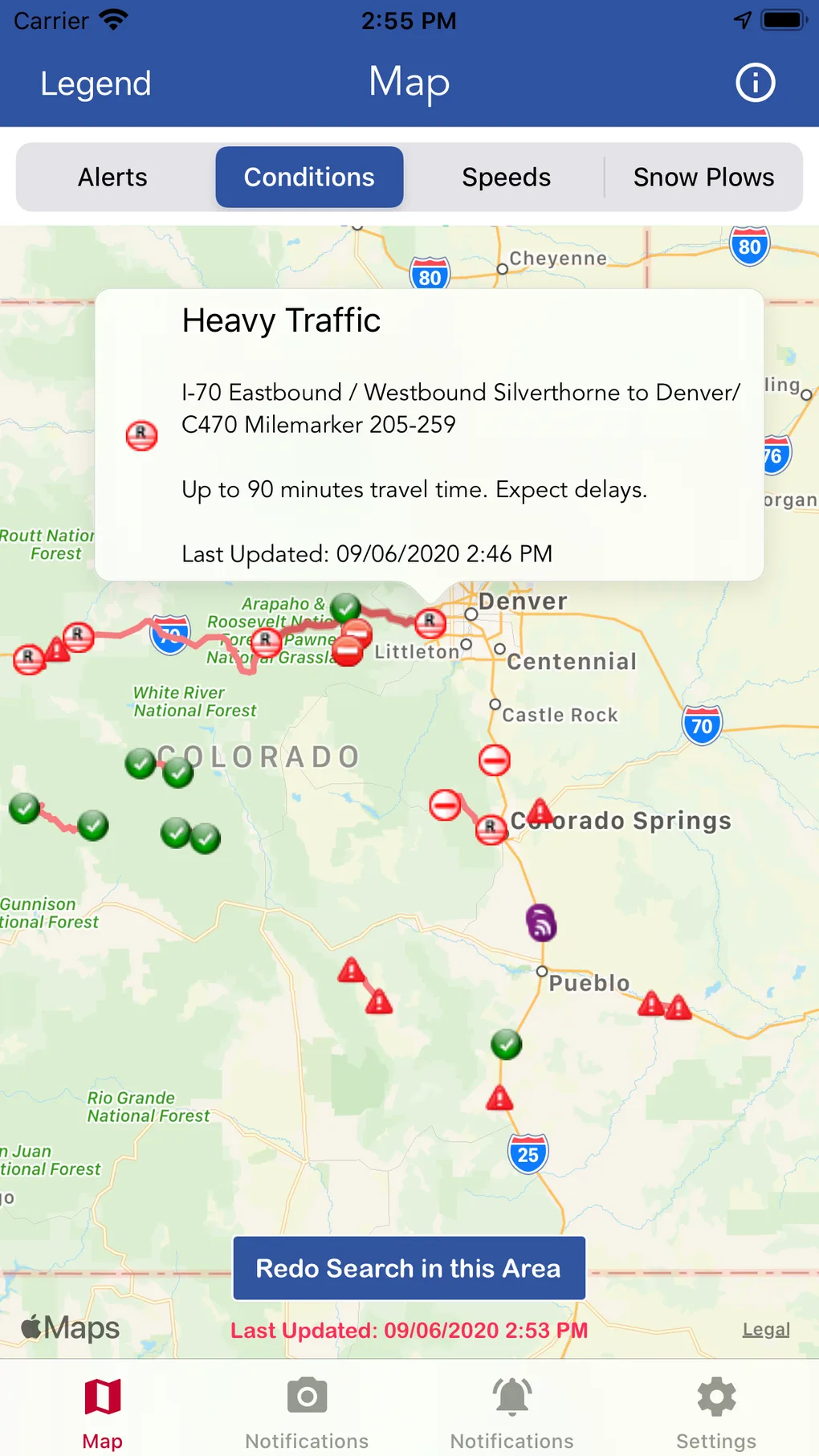
The CDOT DRIVE portal is the fastest way to file your self-report. You do not need an account. You just need the accident details.
Bing (Web (fair-use with source credit))
| Step | What to do |
|---|---|
| 1 | Go to drive.codot.gov. Click “File a Crash Report.” |
| 2 | Enter the date, time, and location of the crash. Be precise. Use the nearest cross street or mile marker. |
| 3 | Provide your driver’s license number, insurance info, and vehicle details. |
| 4 | Describe the crash in a few sentences. Include the other driver’s info if you have it. |
| 5 | Submit. You get a confirmation number. Save it. |
The system takes about 10 minutes. Your report is sent to CDOT and becomes part of the state database. Your insurance company can pull it later.
Heads up: If the other driver doesn’t have insurance, you still file. Colorado law requires your report regardless of fault. That report helps your uninsured motorist claim.
Filing a Report at a Local Police Station or Colorado State Patrol Office
Prefer paper? You can walk into any Colorado State Patrol office or local police station. Ask for the CDOT 1040B form.
Fill it out there or take it home and return it within the 10-day window.
What to bring: Your driver’s license, registration, insurance card, and a written description of the crash. If you have photos, bring printed copies.
The officer on duty will review your form. They may ask questions to clarify details. Once approved, they submit it to CDOT.
You get a receipt. Keep it.
Downside: Not all stations are open 24/7. Check hours before you go. The online system is faster, but some drivers prefer the assurance of handing the form to a person.
The 10-Day Deadline (CRS 42-4-1606): Why It Matters and What Happens If You Miss It
Colorado law gives you exactly 10 calendar days to file a written report if no officer responded at the scene. The clock starts the day of the crash. Day 10 includes weekends and holidays.
Miss the deadline? The Colorado DMV can suspend your driver’s license. They can also impose a fine of up to $1,000. Even if the crash wasn’t your fault, failure to report is a separate violation.
Worse: Your insurance company may deny your claim if you have no official report. They rely on that document to process liability and damages.
Exception: If an officer responded and filed a report, you are exempt from the 10-day requirement. The officer’s report fulfills the obligation. But if you’re unsure whether the officer filed it, follow up with the agency within a week.
Practical advice: File as soon as you can. Don’t wait until day 9. The DRIVE system takes minutes.
Do it the same day or the next morning while details are fresh. A quick car wash might seem important after an accident, but filing the report is far more critical.
Common Mistakes That Cost Colorado Drivers Time and Money
- Not calling the right agency. You call CSP for a state highway, but you call local PD for a city street. Call the wrong one, and they might redirect you. Meanwhile, you’re on hold while witnesses drive away.
- Leaving the scene without exchanging info. Even a minor tap in a parking lot requires name, insurance, and plate number. CRS 42-4-1604 requires it. Failure is a misdemeanor.
- Assuming your insurance will file the report. Most insurers recommend you file, but they don’t do it for you. Some do, but you shouldn’t gamble. File yourself.
- Waiting too long. Day 9 rolls around. You think you have time. Then life gets busy. Then your license gets suspended.
- Forgetting to get a confirmation number. After using DRIVE, write down the number. Without it, proving you filed is harder.
Real Scenarios: Rural Highway Fender Bender vs. Denver City Street Collision
Scenario A: Rural highway fender bender. You’re on CO-119 near Boulder. Minor rear-end. No injuries.
Both cars drivable. You call Colorado State Patrol. They say no one is available.
You exchange info and drive home. You file a report on DRIVE the next morning. Done.
Scenario B: Denver city street collision. You’re on Colfax Avenue. A car runs a red light. Moderate damage.
Airbags didn’t deploy. You call Denver PD. An officer responds in 15 minutes.
They take a report and give you a case number. You follow up with your insurance. No self-report needed.
The difference? Jurisdiction drives the response. An officer is more likely to come on a busy city street than a rural highway.
In either case, knowing who to call and when to self-report keeps you legal and protected.
If you need to clean your car after a muddy accident, use a proper car wash shampoo like the one in our foaming gun guide. But that can wait. First, file the report.
Costs: Report Fees, Insurance Impacts, and Potential Penalties
Getting a copy of your crash report costs $7 to $12. Prices vary by agency. Colorado State Patrol charges $10.
Denver PD charges $7.50. Pay online or at the station.
Insurance impacts matter more. A report on your record can raise your rates. But failing to report is worse. Insurers may deny your claim without an official document.
The penalty for missing the 10-day deadline includes a fine up to $1,000 and possible license suspension.
Pro tip: Request your report as soon as it’s available. It helps you spot errors before your insurance uses it. A clean report makes a smoother claim.
If you need to clean your car after an accident, use the right tools. Our guide on recommended PSI for washing cars helps avoid paint damage.
Expert Tips: What to Do at the Scene to Make Reporting Easier
- Use your phone’s notes app to record the other driver’s name, insurance company, policy number, and license plate. Write down the exact time and location.
- Take photos from multiple angles. Get the damage, the other car’s plate, the road condition, and nearby signs. These help the report and your insurance claim.
- Get witness contact info if anyone stopped. Witnesses can confirm your version if the other driver disputes fault.
- Do not admit fault. Colorado is a comparative fault state. Even saying “I’m sorry” can be used against you later. Stick to facts.
- Call your insurance from the scene if you can. They can guide you on what to say to the dispatcher.
Frequently Asked Questions
Do I have to call the police for a minor accident in Colorado?
Not always. If no one is hurt and both cars are drivable, you can exchange info and self-report within 10 days. But if the damage exceeds $1,000 or you can’t move the cars, call 911.
When in doubt, call.
Can I file a Colorado accident report online?
Yes. Use the CDOT DRIVE portal at drive.codot.gov. It takes about 10 minutes.
You need your driver’s license, insurance info, and accident details. The system is free to use.
What happens if I miss the 10-day reporting deadline?
The Colorado DMV can suspend your driver’s license. You may also face a fine of up to $1,000. Your insurance company might deny your claim.
File as soon as possible, even if you’re late. Late is better than never.
Do I need a police report for an insurance claim in Colorado?
Most insurers require an official crash report to process claims involving another driver. Without one, proving fault and damages is harder. The report number speeds up your claim.
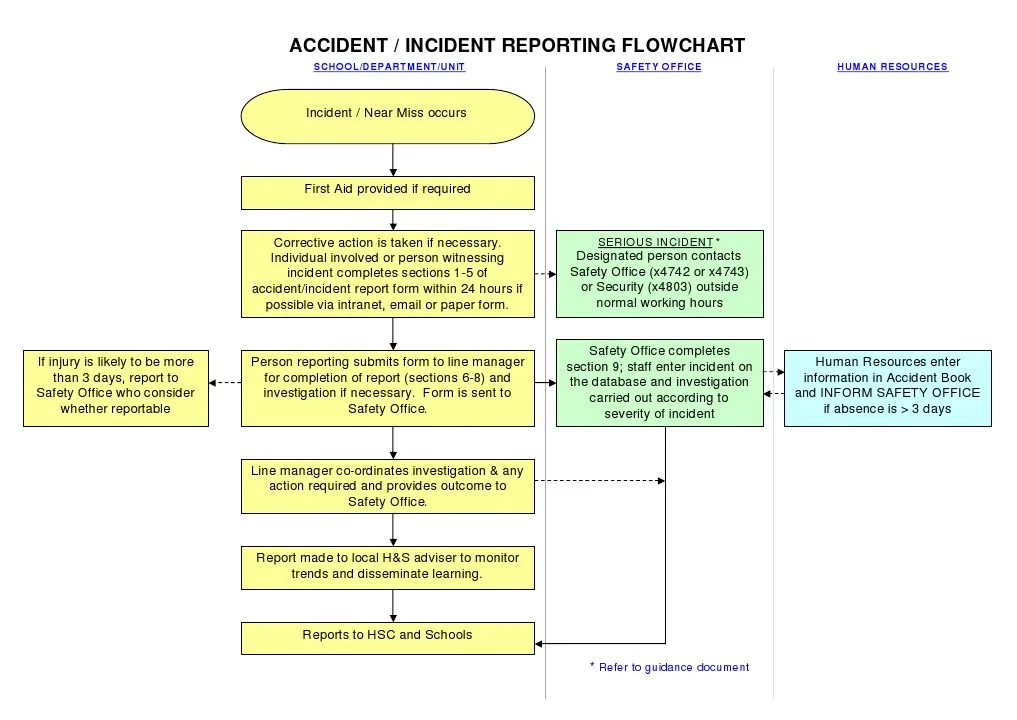
Final Decision Guide: A Simple Flowchart for Your Situation
Bing (Web (fair-use with source credit))
Use this quick mental checklist after any accident:
Step 1: Are there injuries or blocked traffic? Yes? Call 911.
No? Move to Step 2.
Step 2: What road are you on? State highway? Call Colorado State Patrol.
City street? Call local police. County road?
Call sheriff. Not sure? Call 911 and let them route you.
Step 3: Did an officer respond? Yes? Get their report number.
You’re done. No? Move to Step 4.
Step 4: File a self-report within 10 days. Use CDOT DRIVE online or visit a station. Save your confirmation number.
That’s it. Follow these branches and you stay legal, insured, and stress free. Keep a copy of this guide in your glovebox.
You never know when you’ll need it.