If you own a classic car in Colorado, you have probably wondered about the Colorado historic vehicle and collector plate eligibility and usage rules. The choice is not just about saving money on registration. It is about what you can legally do with your vehicle.
Pick the wrong plate and you could face a ticket, fines, or even lose your registration privileges.
Colorado law sets two age thresholds: 25 years for historic plates and 40 years for collector plates. That sounds straightforward. But the details around original condition, mileage limits, and how you actually use the car are where most people get tripped up.
Let us walk through exactly how to decide which plate fits your situation and how to apply without running into problems.
Quick Answer
Historic plates are for vehicles 25 years or older. You pay a one-time fee, but you can only drive 4,500 miles per year. Collector plates are for vehicles 40 years or older.
They have no mileage cap, but you must own another daily driver. Both require the vehicle to be in original or period-correct condition. Misuse of either can result in a citation up to $500.
When You Need to Decide: Historic or Collector Plate in Colorado?
Most people start this process when they buy a classic car or when their daily driver turns 25 and they think about switching to save money. This is not a simple "which one is cheaper" decision. The real question is how you plan to drive the car.
If you only take it to car shows, parades, and the occasional Sunday cruise, a historic plate could be your best bet. But if you want to drive it more often on weekend trips or errands, you want a collector plate. Get this wrong and you could be pulled over for illegal use of a historic plate.
It happens more often than you would think.
The state tracks usage through mileage logs required for historic plates and through common sense enforcement. If a cop sees a 1967 Mustang with historic plates in a grocery store parking lot every Tuesday, that is a red flag. The best way to avoid that headache is to choose the plate that honestly matches your driving habits.
First, Does Your Vehicle Qualify? The Age Check
Colorado uses the vehicle's model year, not the actual manufacturing date, to determine age. A 2000 model year car qualifies for a historic plate in 2025, which is 25 years later. A 1985 model qualifies for a collector plate in 2025, which is 40 years later.
Here is the breakdown:
- Historic plate: Vehicle is 25 years or older based on model year. Must weigh under 16,000 lbs GVWR. No commercial use allowed.
- Collector plate: Vehicle is 40 years or older based on model year. Must weigh under 16,000 lbs GVWR. You must also own or lease another vehicle for daily transportation.
What if your car is between 25 and 39 years old? You only have one plate option: historic. You cannot get a collector plate until it turns 40.
That might push you toward a historic plate even if your driving habits lean toward occasional commuting. If that is the case, you need to decide if the 4,500-mile annual limit is enough.
One more thing: the DMV considers the model year as the year listed on the title, not the year it was built. If your car is a 1995 model but was physically assembled in 1994, it still qualifies for historic in 2020. Always go by the title.
The "Original Condition" Trap: What Counts and What Doesn't
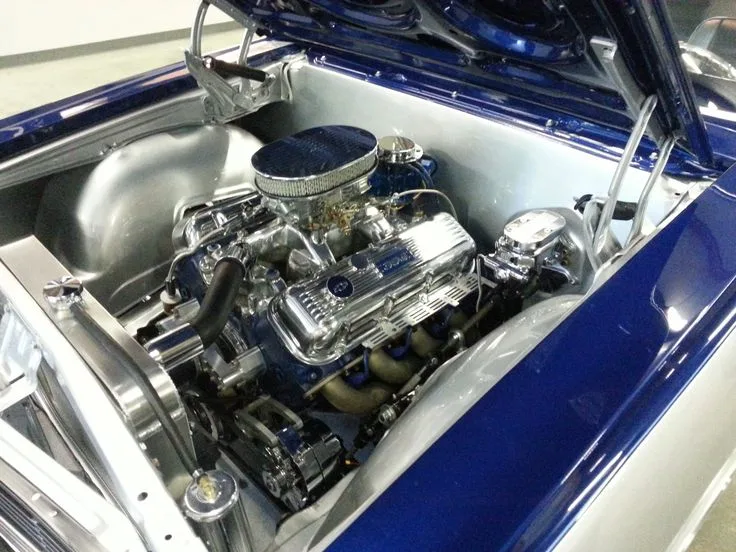
Both historic and collector plates require the vehicle to be maintained in original or restored condition. That sounds vague, but the Colorado DMV has a clear definition. Your car must be substantially unmodified from its original factory configuration.
That means:
- Original engine block and drivetrain, or period-correct replacements
- Original body style and paint. Custom flames or a modern color shift wrap will disqualify you
- Original interior or period-appropriate materials
- No modern aftermarket suspension or brake upgrades that change the vehicle's character
What about minor upgrades? A modern alternator, electronic ignition, or radial tires are usually fine. They count as routine maintenance or safety improvements.
But swapping a 427 V8 into a car that came with a straight-six is a no-go unless you can prove it was a factory option.
If your car has been heavily modified with a custom chassis, a modern LS engine swap, or a chopped roof, you will not qualify for either plate. In that case, you would need to look into Colorado's street rod or custom vehicle plates, which have different rules.
Pro tip: If you are unsure, bring good photos of your engine bay and interior to your local county DMV before applying. The clerk can give you a quick yes or no. It beats filling out forms only to get denied.
Keeping your car's paint and interior in top shape is easier with the right car wash fragrance and a water spray gun for car wash that will not damage delicate finishes.
Collector vs. Historic: Side-by-Side Comparison
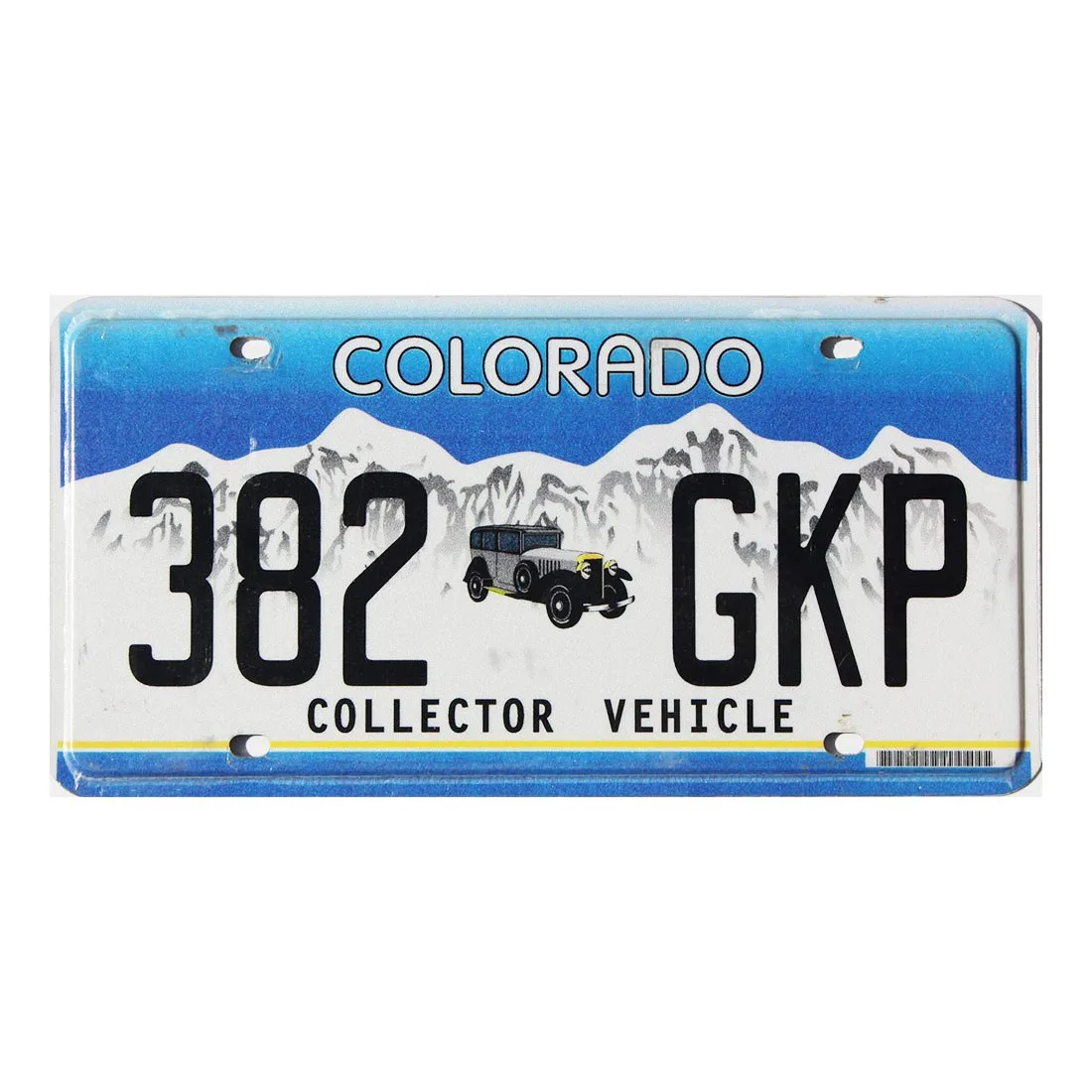
| Feature | Historic Plate | Collector Plate |
|---|---|---|
| Age requirement | 25+ years (model year) | 40+ years (model year) |
| Annual mileage limit | 4,500 miles | No cap (occasional use only) |
| Allowed use | Exhibitions, parades, club events, occasional pleasure drives | Same as historic, plus more frequent pleasure driving |
| Primary daily driver? | No | No (must own another vehicle) |
| Registration fee | One-time $25-$50 | $25-$50 initial + renewal every 5 years |
| Emissions test | Exempt (25+ years) | Exempt (40+ years) |
| Property tax | Some counties exempt | Some counties exempt |
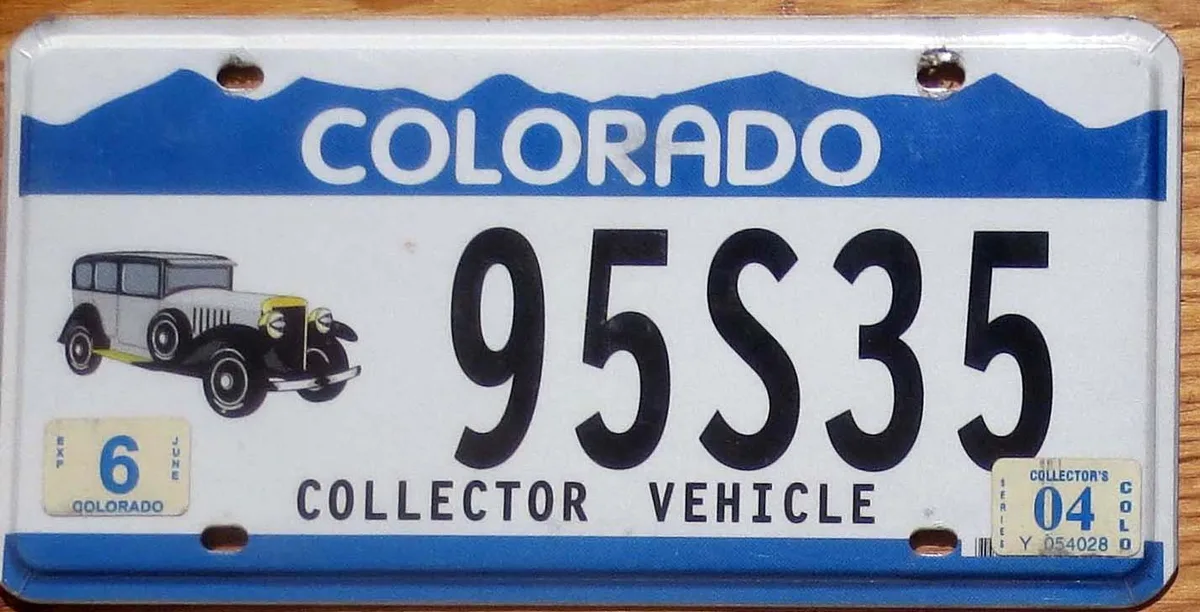
| Plate type | Denver blue and white standard plate or original year plate | Collector plate with a "COL" designation |
| Enforcement risk | High if used for commuting | Moderate if used excessively |
Which one saves you more? For a car you drive only to shows and the occasional Sunday morning coffee run, the historic plate is cheaper because it is a one-time fee. But if you want to drive it 6,000 miles a year above the historic limit, you have no choice but the collector plate.
That extra $50 every five years is a small price for peace of mind.
One more difference: with a historic plate, you can display an original Colorado plate from the vehicle's model year if you apply for the year-of-manufacture program. Collector plates do not have that option. You must use the current collector plate design.
Which Plate Fits Your Lifestyle? Decision Tree Flowchart
Here is how to decide in plain English. Answer these yes/no questions in order.
1. Is your vehicle at least 25 years old?
Yes, go to step 2.
No, you cannot get either plate. Stick with standard registration.
2. Is your vehicle in original or restored condition with no major modern modifications?
Yes, go to step 3.
No, you do not qualify for historic or collector. Consider a street rod or custom plate.
3. Do you own another vehicle you use for daily commuting?
Yes, you are eligible for either plate. Go to step 4.
No, you can still get a historic plate, but you cannot use the historic vehicle as your daily driver. If you need a daily driver, you cannot get a collector plate either. Keep standard registration.
4. How many miles do you realistically drive this car per year?
- Less than 4,500 miles per year and only to shows, parades, or occasional pleasure drives: historic plate is best.
- More than 4,500 miles per year but still not daily commuting: collector plate is required.
- You plan to use it as your primary transportation: neither plate is allowed. Keep standard registration.
Let us make it concrete with two examples.
Example 1: A 1969 Charger that sits in a garage all winter and comes out for three or four shows and a handful of weekend drives, under 3,000 miles a year. The owner also has a pickup truck for daily use. Historic plate is the smart choice.
Example 2: A 1978 Corvette that the owner takes out every nice weekend, drives to work once a week, and uses for a month-long road trip to the Rockies each summer. That is about 6,000 miles a year. The owner has a daily driver sedan.
Collector plate is the only option that will not put them at risk.
If your driving falls in between, err on the side of the collector plate. The extra $50 every five years is cheap insurance against a ticket. When cleaning your collector car after a long drive, using a pressure washer at the recommended psi and a good car wash shampoo will keep that original paint looking its best.
Step-by-Step: How to Apply for a Historic Plate (DR 2172)
Applying for a historic plate is a one-time deal. You fill out Form DR 2172, gather your documents, and visit your county DMV office. Here is what you need:
- A completed Application for Historic Plate (DR 2172)
- The vehicle's title in your name
- Proof of ownership and previous registration if any
- An emissions exemption letter. 21-year-old vehicles are automatically exempt in Colorado
- A VIN inspection if the vehicle was last registered out of state
Take all of that to your county DMV. They will verify the vehicle age and condition using the model year on the title. The clerk may ask to inspect the vehicle to confirm it is in original condition.
If everything checks out, you pay the one-time fee around $25 to $50 depending on the county and receive your historic plate on the spot.
After that, your registration never expires. You will not get a renewal notice again. Just remember you are still responsible for keeping the vehicle insured and following the 4,500-mile annual limit.
Many owners keep a simple mileage log in the glove box to stay safe.
Step-by-Step: How to Apply for a Collector Plate (DR 2171)
The collector plate application using Form DR 2171 is similar but has one extra requirement. You must prove you own or lease another vehicle for daily transportation. That can be a car, truck, or motorcycle registered in your name at the same address.
Here is what you need for a collector plate:
- The vehicle must be at least 40 model years old, not 25
- Form DR 2171 completed and signed
- The vehicle title and proof of ownership
- Proof of another vehicle, either registration or lease agreement
- VIN inspection if the vehicle is new to Colorado
- Payment for the initial fee, roughly $25-$50 plus a $5 plate production fee
Take the paperwork to your county DMV. The clerk will verify the age and condition. They may also ask to see the other vehicle's registration to confirm you have a daily driver.
Once approved, you receive a collector plate with a "COL" designation.
Unlike historic plates, collector plates are not lifetime. They must be renewed every 5 years. The renewal fee is usually around $25.
Set a reminder for that year because the DMV will send a notice, but it can get lost.
Common Mistakes That Get You a Ticket or a Denial
Mistakes with these plates are not rare. Our research shows that misuse is one of the top reasons Colorado drivers get pulled over in classic cars. Here are the most common errors and how to avoid them.
Using a historic plate for daily commuting. This is the biggest violation. Cops know the rules. If you park at the same office building every weekday with historic plates, it is only a matter of time before you get a citation.
The fine is up to $500 per occurrence.
Applying for a collector plate without owning another vehicle. The DMV checks this. If you sell your daily driver and forget to update your information, your collector plate becomes invalid. You must maintain ownership of another vehicle the entire time the collector plate is active.
Modifying the vehicle after you get the plate. The car must stay in original condition. Swapping in a modern engine, adding a custom paint job, or installing a non-period interior can void the plate. The DMV can revoke your registration during a renewal or even during a roadside inspection.
Forgetting to display the correct plate for the year-of-manufacture program. If you are using an original 1970 plate on your 1970 car, you must get it approved through the YOM program. Slapping any old plate on your bumper is illegal. The DMV will check the plate number against the vehicle's title.
Not carrying proof of insurance. Even with a historic plate, you need liability insurance. A cop can ask for it. If you cannot show it, you face a ticket and a possible registration suspension.
Usage Rules: What You Can and Can't Do With Each Plate
Both plates restrict how you can drive the vehicle. The rules come from Colorado Revised Statutes § 42-3-301 through 42-3-306.
Historic plate usage:
- You can drive to and from exhibitions, parades, club events, and tours
- You can take the car for occasional pleasure driving
- You cannot use it for routine errands, commuting, or commercial work
- You cannot exceed 4,500 miles in a 12-month period
What counts as occasional pleasure driving? The DMV defines it as driving that is not part of a regular pattern. A Sunday drive to a scenic overlook is fine.
Driving to the grocery store every Saturday is not.
Collector plate usage:
- Same allowances as historic: shows, parades, club events, and occasional pleasure driving
- No hard mileage cap, but the vehicle still cannot be your daily driver
- You can use it for weekend trips and longer pleasure drives
- You must still maintain a separate daily driver
The key difference: a collector plate gives you more freedom in how much you drive, but the law still says you cannot use it as your primary transportation. If you drive it to work every day, you are violating the rules regardless of the mileage.
Costs, Fees, and What You Save
The financial difference between these plates and standard registration is significant. Here is a breakdown.
| Fee | Historic Plate | Collector Plate | Standard Registration |
|---|---|---|---|
| Initial fee | $25-$50 one-time | $25-$50 + $5 production | $100-$200 annual |
| Renewal fee | None | ~$25 every 5 years | $100-$200 per year |
| Emissions test | Exempt | Exempt | $25-$50 every 2 years in Denver area |
| Property tax | Some counties exempt | Some counties exempt | Full property tax |
| 10-year cost | $25-$50 | $50-$75 | $1,500-$2,500+ |
The biggest savings come from avoiding annual registration fees and emissions tests. In the Denver metro area, a standard registration for a 1999 car can cost $150 per year plus an emissions test every two years. With a historic plate, you pay $40 once and never again.
One more thing: if you live in a county that exempts historic vehicles from property tax, you could save hundreds of dollars each year. Check with your county assessor because rules vary. Some counties offer a flat collector vehicle exemption, while others only exempt vehicles over a certain age.
It pays to call your county clerk and ask.
Real-World Examples: How Two Owners Made the Right Choice
Example 1: 1968 Mustang, club show car. The owner drives it to four car shows a year and the occasional Sunday morning cruise. Mileage runs about 1,200 miles annually. He also owns a daily driver sedan.
Historic plate was the obvious call. He paid $35 once and his only ongoing cost is insurance.
Example 2: 1978 Corvette, weekend cruiser. The owner takes it out every nice weekend, drives it to work occasionally, and logs about 5,500 miles a year. He has a pickup for daily use. Collector plate gives him the freedom to drive that much without worrying about a mileage cap.
His initial fee was $45, and he renews every five years for $25.
Quick Decision Guide (At-a-Glance Table)
| Your Situation | Best Plate | Why |
|---|---|---|
| Car 25-39 years old, original condition, under 4,500 miles/year | Historic | Cheapest, lifetime registration |
| Car 40+ years old, original condition, under 4,500 miles/year | Historic or Collector | Historic saves money. Collector gives flexibility |
| Car 40+ years old, original condition, over 4,500 miles/year | Collector | No mileage cap, but you need another daily driver |
| Car modified or used as a daily driver | Standard | Neither historic nor collector applies |
Frequently Asked Questions
Can I use an original 1969 plate instead of a historic plate?
Yes, if you apply for the year-of-manufacture program. You must provide proof the plate is original and matches your vehicle's model year. The DMV will approve it and let you display it instead of a modern historic plate.
Do I need to keep a mileage log for a historic plate?
The law says you must be able to prove you stayed under 4,500 miles. A simple notebook log with date, destination, and odometer reading works. Many owners also save repair receipts that show the mileage at service.
What happens if I move out of state with a Colorado historic plate?
The plate is non-transferable to another owner but you can keep it as a souvenir. You must register the vehicle in your new state under its rules. Colorado will not refund your one-time fee.
Can I sell my car with the plate still on it?
No. Historic and collector plates stay with you, not the vehicle. Remove the plate before selling.
The buyer will need to apply for their own plates.
What happens if I get pulled over for misuse?
You can receive a citation with a fine up to $500 per violation under CRS 42-3-303. Repeat offenses can lead to registration suspension. Always carry proof of insurance and your registration documents.
Final Verdict: Which Plate Should You Choose?
If your car is 25 to 39 years old and you drive it less than 4,500 miles a year, go historic. If your car is 40 or older and you plan to drive it more regularly, go collector. In either case, keep it original, own a daily driver, and never use the classic for commuting.
That simple rule will keep you legal and save you money for years.