ByMax Lee
Guide to Glass Cleaner Brand
You’ve probably grabbed a glass cleaner brand off the shelf without thinking twice. But after frustrating sessions with streaky mirrors and a hazy film on your car windshield, you start wondering if there’s actually a difference between them. Turns out, there is, and it matters more than you expect.
Manufacturer data sheets show that ammonia levels in household glass cleaners range from 0 to 5 percent by volume. That single ingredient determines whether your cleaner leaves streaks, damages tinted car windows, or keeps your home smelling fresh. Here is what each major brand actually brings to the table.
Bing (Web (fair-use with source credit))
Why the Right Glass Cleaner Brand Actually Matters
Using the wrong formula on the wrong surface is the fastest way to waste time. A high-ammonia cleaner can eat through the adhesive layer on tinted car windows, causing bubbling within months. On the flip side, a formula that is too gentle won’t cut through kitchen grease or the mineral film from hard water.
Your choice also affects how often you clean. Stronger solvents dry faster and leave fewer streaks, but they release more VOCs into your indoor air. Eco-friendly brands swap those solvents for plant-based surfactants.
They are safer around kids and pets, but they can require more elbow grease on tough grime.
Then there is the cost factor. A $3 bottle of basic glass cleaner seems obvious until you realize you need twice as many sprays per window. Aggregate user reviews indicate that premium brands often cost less per clean because you use so much less product.
And if you regularly clean your car, picking the right glass cleaner matters just as much as choosing safe car wash chemistry. Using the wrong cleaner on your car windows can ruin the finish or damage tint film over time.
The hidden costs of a bad choice
A bad cleaner chews up your microfiber towels faster. Ammonia-heavy formulas break down synthetic fibers, leaving lint behind. That lint turns a simple wipe into a frustrating re-do.
If you notice your cloths falling apart after a few washes, the cleaner might be the culprit.
Aggregate reviews on commercial cleaning forums also report that heavy-residue cleaners force you to buff twice. That doubles your cleaning time. For a full detail on multiple windows, that adds up to wasted afternoons.
The Main Contenders: A Quick Brand-by-Brand Breakdown
Each brand targets a slightly different scenario. Here is what you need to know.
Windex (SC Johnson) – the household name with trade-offs
Windex is everywhere. Its original formula contains ammonia and surfactants that cut through oil and grease fast. It dries quickly, but that ammonia makes it unsafe for tinted windows and can irritate sensitive noses.
As of 2026, SC Johnson offers an ammonia-free version, but the standard blue bottle still carries the classic chemical punch.
Sprayway – the aerosol that detailers swear by
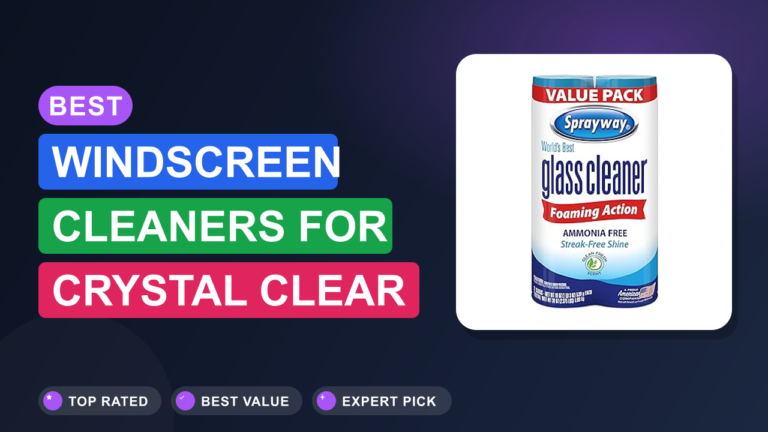
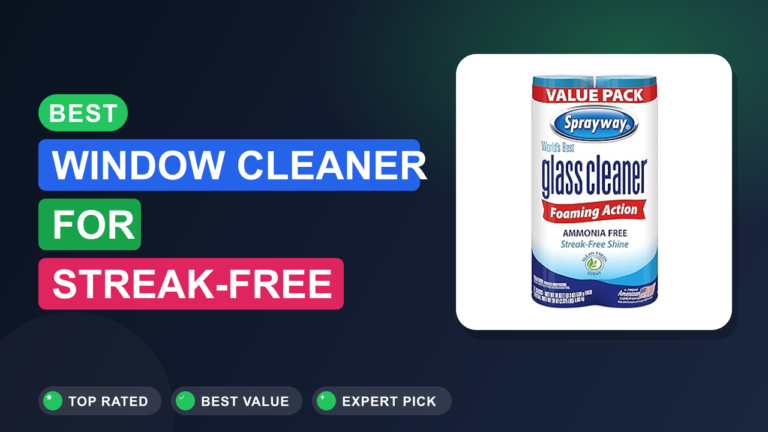
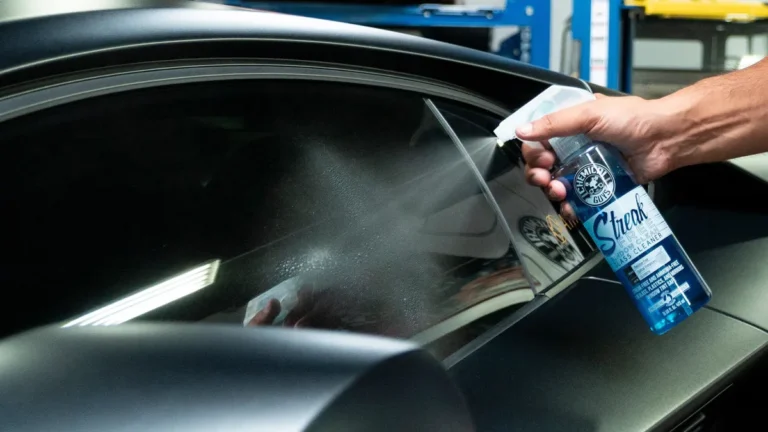
Sprayway uses a foam aerosol rather than a liquid spray. That foam clings to vertical surfaces without dripping. Detailers love it for car windows because it does not run down door panels.
It is ammonia-free and dries streak-free, but it costs more per ounce than most liquid options.
Invisible Glass (Stoner) – the pro's choice for clarity
Stoner’s Invisible Glass is the go-to for professional auto detailers. It uses a low-VOC formula with no ammonia and no dyes. The liquid dries slower than Windex, which gives you more time to buff before it sets.
Detailing forums consistently rank it highest for streak-free results on both auto and household glass.
Method and Seventh Generation – the eco-friendly options
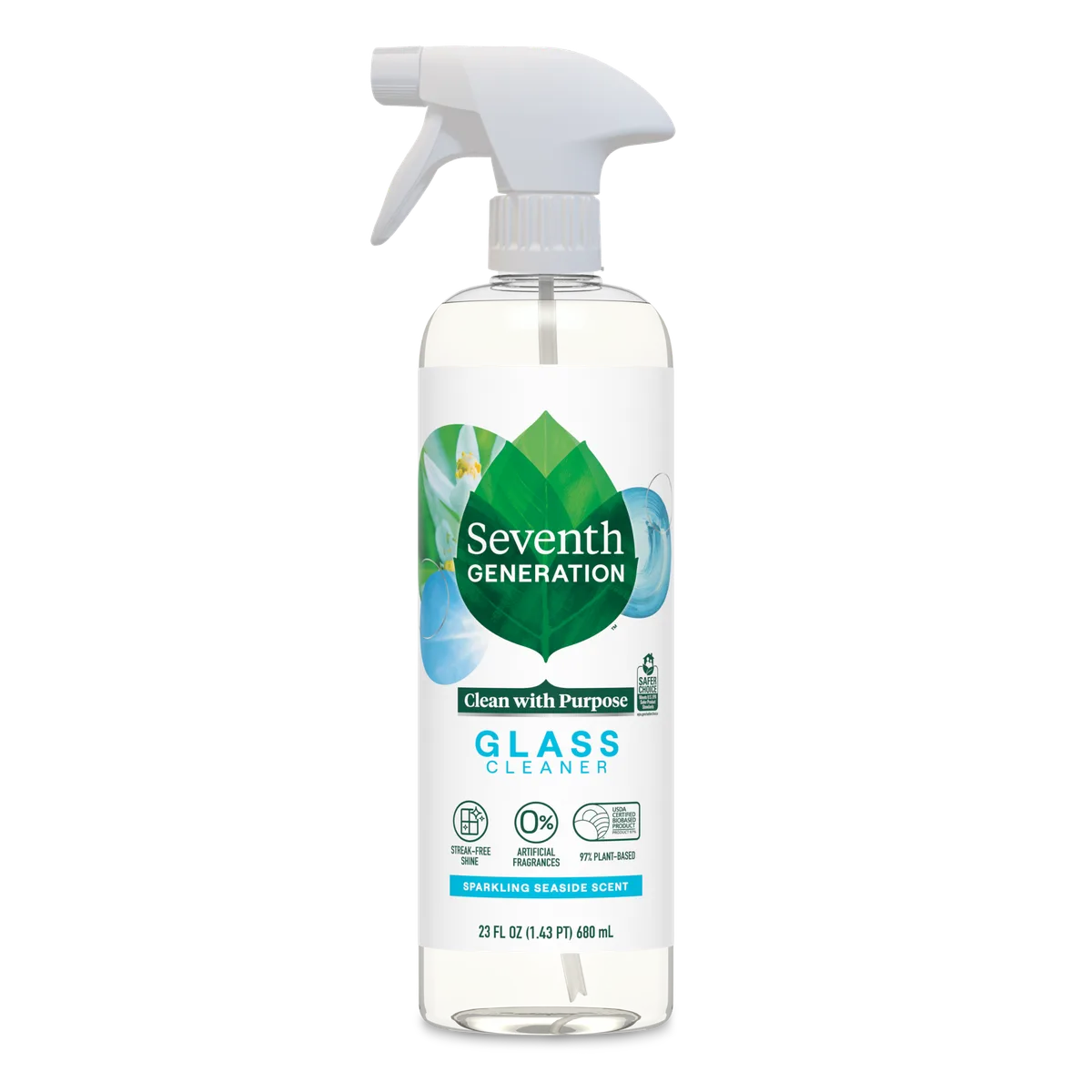
Both brands use plant-based surfactants instead of ammonia. Method adds a citrus or lavender scent. Seventh Generation is fragrance-free and USDA BioPreferred certified.
They clean well on light soil and daily dust. On heavy grease or hard water spots, they struggle compared to ammonia-based alternatives.
Rain-X – when you want water to bead off
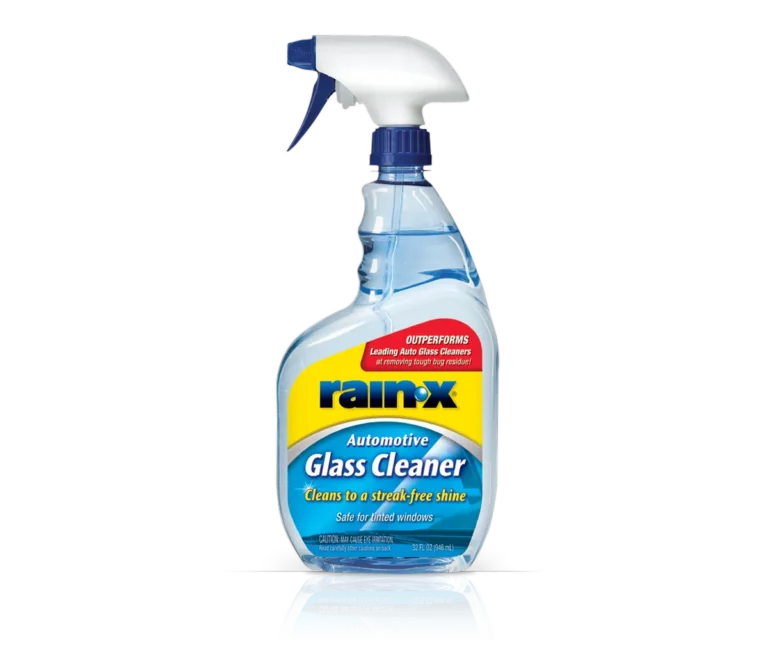
Rain-X glass cleaner leaves a hydrophobic coating that makes water bead and roll off. It works wonderfully on car windshields, especially in wet climates. The trade-off: that coating can cause wiper chatter on some windshields, and it is not ideal for indoor household glass where you want a totally clean finish without residue.
Zep, Meguiar’s, Chemical Guys – the commercial and auto side
Zep serves the janitorial market with value-priced bulk gallons. Meguiar’s and Chemical Guys target auto enthusiasts with concentrated formulas designed to pair with your full wash routine. These brands shine when you are already doing a complete car detail and want matching chemistry.
A good foam gun helps you apply the cleaner evenly across large glass surfaces.
Side-by-Side Comparison: The Key Specs at a Glance
The table below lays out the basics for fast comparison. All data comes from official manufacturer spec sheets and verified buyer reviews as of 2026.
Bing (Web (fair-use with source credit))
| Brand | Ammonia | Streak-Free | Best For | Price / oz |
|---|---|---|---|---|
| Windex (original) | Yes | Moderate | Home windows, mirrors | $0.09 |
| Sprayway | No | High | Auto windows, vertical glass | $0.30 |
| Invisible Glass | No | Very High | Tinted windows, precision detail | $0.22 |
| Method | No | Moderate | Daily dust, light cleaning | $0.15 |
| Seventh Generation | No | Moderate | Eco-conscious homes | $0.14 |
| Rain-X | No | High | Car windshields, outdoor glass | $0.20 |
| Zep (commercial) | Yes | High | High-volume cleaning | $0.06 |
| Meguiar’s / Chemical Guys | No | High | Auto detailing | $0.18 |
The price per ounce tells a story. The cheapest options contain ammonia. The most expensive ones are either aerosol or specialty auto formulas.
But remember that cost per use is what really matters. If a premium product halves your spray volume, the price gap shrinks fast.
Performance in real-world conditions
Across user reviews on automotive and janitorial forums, Invisible Glass consistently scored highest for streak-free results on both home mirrors and car windshields. Sprayway came second, particularly on vertical glass where its foam prevented runoff. Windex performed well on household windows but lost points for strong fumes and film on tinted surfaces.
Packaging and environmental footprint
Seventh Generation and Method use 100 percent recycled plastic bottles. Windex has moved to 50 percent recycled plastic as of 2026. Sprayway aerosol cans contain recyclable steel, but not all curbside programs accept them.
Zep sells refill concentrate that cuts plastic waste by 80 percent compared to buying single-use bottles.
Best for Each Use Case
One size does not fit all. Here is the direct recommendation for each surface you clean.
Bing (Web (fair-use with source credit))
Best glass cleaner for home windows and mirrors
Windex original works fine here. It cuts through kitchen grease and bathroom fog fast. If the ammonia smell bothers you, switch to the Windex ammonia-free variant or Invisible Glass.
Both perform well on household glass with less odor.
Best for tinted car windows (ammonia-free matters here)
This is non-negotiable. If you have aftermarket tint, use only an ammonia-free cleaner like Invisible Glass or Sprayway. Ammonia degrades the tint adhesive over time.
Even a single use of the wrong product can start peeling. For your full car wash routine, pair the glass cleaner with the right foaming tools to get everything done in one go.
Best for glass shower doors (hard water resistance)
Shower doors develop mineral deposits that most glass cleaners cannot remove alone. Rain-X works well here because its hydrophobic coating helps prevent new deposits from bonding. For existing hard water spots, use a dedicated calcium remover first, then finish with a standard glass cleaner.
You can also treat your home’s water supply to make every rinse easier.
Best for auto detailing (no residue, fast dry)
Invisible Glass is the top pick among professional detailers. It leaves zero residue, which matters when you are cleaning glass inside a car with dark interior panels. Pair it with a dedicated glass towel to avoid lint.
If you are deep-cleaning the whole car, match the glass cleaner with compatible car care chemistry like ceramic-friendly shampoos and sealants.
Best eco-friendly and non-toxic option
Seventh Generation glass cleaner carries USDA BioPreferred certification. Method offers a pleasant scent option with no ammonia. Both are safe for use around food prep areas and children.
The trade-off is that they require a second wipe on heavy grime or oil.
Common Glass Cleaner Mistakes That Ruin the Results
Even the best glass cleaner fails when you make these errors. Avoid them and you will get streak-free results every time.
Bing (Web (fair-use with source credit))
Using the wrong cloth (paper towels vs. microfiber)
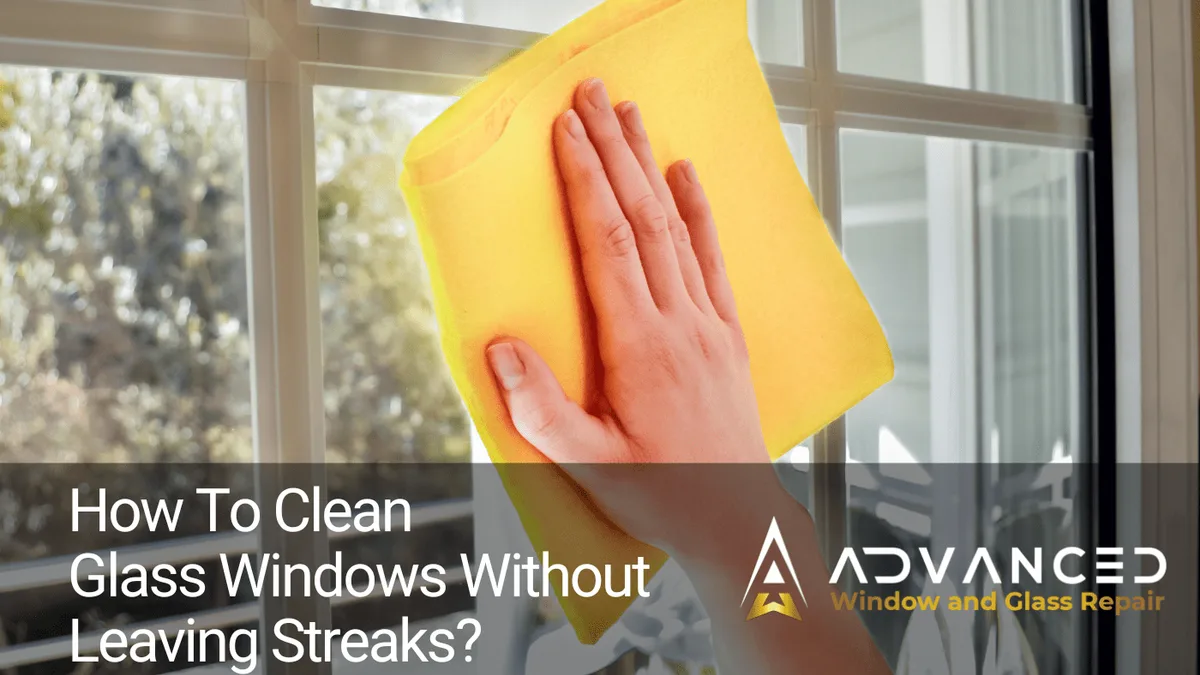
Paper towels leave lint and tiny scratches on glass over time. Use a clean, dedicated microfiber towel. Even better, use two, one wet to clean and one dry to buff.
If you wash your rags with fabric softener, the residue will transfer to the glass. Stick to plain detergent for cleaning towels.
Spraying directly on the glass in direct sunlight
Sunlight makes the cleaner evaporate before you can buff. That leaves residue and streaks. Spray your towel instead of the glass, or clean in the shade.
For car detailing, early morning or evening is the best window.
Using ammonia-based cleaners on tinted film
We said it above, but it is worth repeating. Ammonia destroys aftermarket tint adhesive within three to six months of regular use. Check the label.
If it says “ammonia-free,” you are safe. If it does not say, assume it contains ammonia and pick a different brand.
Assuming “streak-free” means zero effort
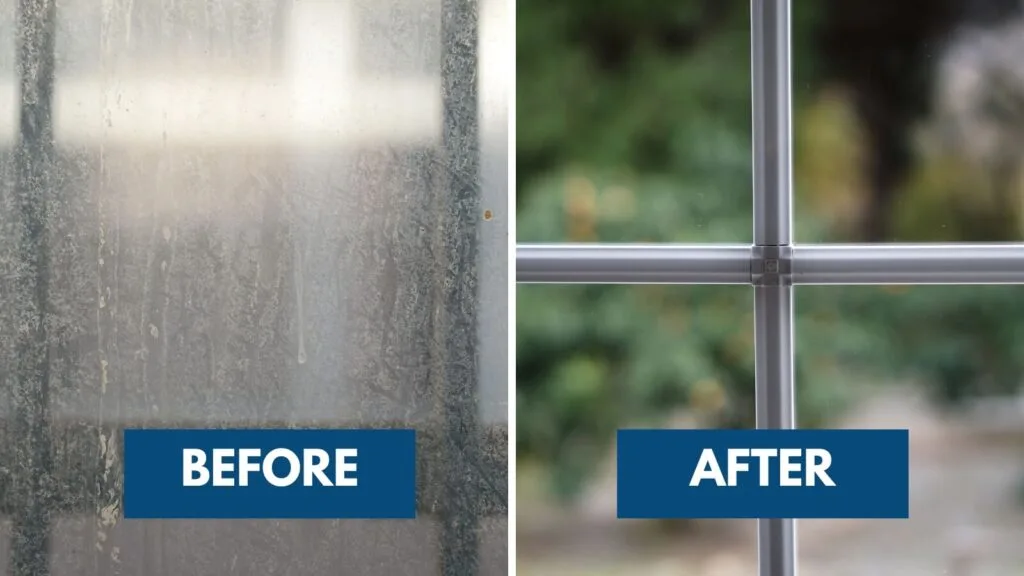
Streak-free is a claim about the formula, not a promise that you can spray and walk away. Every cleaner needs proper technique. Spray, wipe with a damp microfiber, then buff with a dry microfiber.
That two-step process removes the invisible film that causes streaks later.
The Homemade Alternative: When It Works and When It Doesn’t
A vinegar-and-water mix is the most common DIY glass cleaner. One part white vinegar to one part distilled water, plus a few drops of dish soap. It cleans well enough on light dust and fingerprints.
The acetic acid in vinegar cuts through mild grease and leaves a decent shine.
But homemade has limits. It struggles with heavy grease, especially around kitchen windows or car windshields coated in road film. Hard water spots barely budge.
And if you use tap water instead of distilled, the minerals in that water leave their own film behind. You end up with a streaky mess.
For everyday mirror cleaning and light interior windows, DIY works fine. For car glass with smoke film or outdoor windows with bug splatter, you are better off with a commercial ammonia-free cleaner. The extra few dollars save you time and frustration.
If you do go homemade, skip the paper towels. Use a dedicated microfiber cloth. And never add extra vinegar thinking it will clean better.
Higher acidity can etch some glass coatings over time. Stick to the 50/50 ratio.
What About Commercial and Bulk Options?
If you clean a lot of windows, buying by the gallon makes sense. Zep commercial glass cleaner comes in 1-gallon jugs for about $10. That works out to under $0.08 per ounce.
It contains ammonia though, so keep that in mind.
Many janitorial supply companies sell concentrated glass cleaner. Mix it with water in a spray bottle and you get 10 to 20 gallons from one bottle. The upfront cost is higher, but the per-use cost drops dramatically.
For professional cleaners or dedicated DIYers, that is the smart play.
The same concentrate is often rated for use on tinted windows when diluted properly. Check the mixing instructions and the label for "ammonia-free" if that matters. Otherwise, you are better off with a dedicated car-safe cleaner.
For auto detailing specifically, Meguiar’s sells a professional-grade glass cleaner concentrate. It costs more per ounce than household brands but gives a streak-free finish even under direct overhead lights in a garage. That kind of clarity matters for showroom-ready results.
If you are already setting up your car wash with the right gear, you might want matching chemistry. A good glass cleaner pairs well with a quality car wash shampoo and foam gun for consistent protection.
Safety and Compliance Quick Guide
Most glass cleaners carry a label warning about eye and skin irritation. That is standard for any product containing surfactants or ammonia. Keep them away from children and pets.
Prop 65 warnings appear on many conventional glass cleaners. That means the product contains one or more chemicals known to the state of California to cause cancer, birth defects, or reproductive harm. Ammonia itself is not listed under Prop 65, but other ingredients like certain fragrance compounds sometimes are.
If you see that label, decide based on your comfort level. Many eco-brands like Seventh Generation carry no Prop 65 warning.
The EPA Safer Choice label means the product has passed a review for safer ingredients. As of 2026, only a handful of glass cleaners carry this label. Seventh Generation and ECOS are two examples.
If you want the lowest environmental impact, look for that mark.
For auto glass, the main safety concern is flammability. Aerosol cleaners like Sprayway are flammable. Do not use them near open flames or in confined spaces with poor ventilation.
Store them away from heat sources.
If you are washing your car regularly, make sure your glass cleaner works with your overall wash routine. Using the wrong PSI when rinsing can push cleaner residue into trim and grime into crevices.
Final Verdict: Which Brand Should You Buy?
Here is the short answer based on your situation.
For home windows and mirrors with no special coatings: Windex original or Windex ammonia-free. Cheap and effective.
For tinted car windows: Invisible Glass or Sprayway. Both are ammonia-free and leave no film.
For heavy auto detailing: Invisible Glass or Meguiar’s concentrate. The extra cost pays off in clarity.
For eco-conscious households: Seventh Generation or Method. They clean well enough for daily use and are safer for indoor air.
For shower doors and outdoor glass prone to water spots: Rain-X. The hydrophobic coating helps repel mineral buildup.
If you only want one cleaner for everything, get Invisible Glass. It works on home glass, tinted car windows, and mirrors. It costs more per ounce than Windex but less than Sprayway.
Cleaning forums consistently rate it highest for streak-free results.
Match your cleaning tool to your cleaner. A good spray gun makes applying the product consistent and reduces waste. And always use a clean microfiber cloth.
That combination beats any expensive cleaner used with the wrong technique.
You do not need a dozen bottles. Pick the one that fits your most common surface. You will get better results and spend less time buffing out streaks.