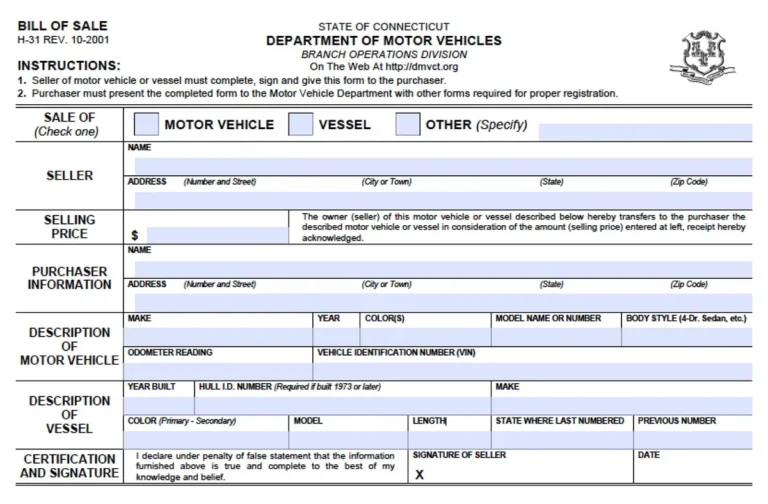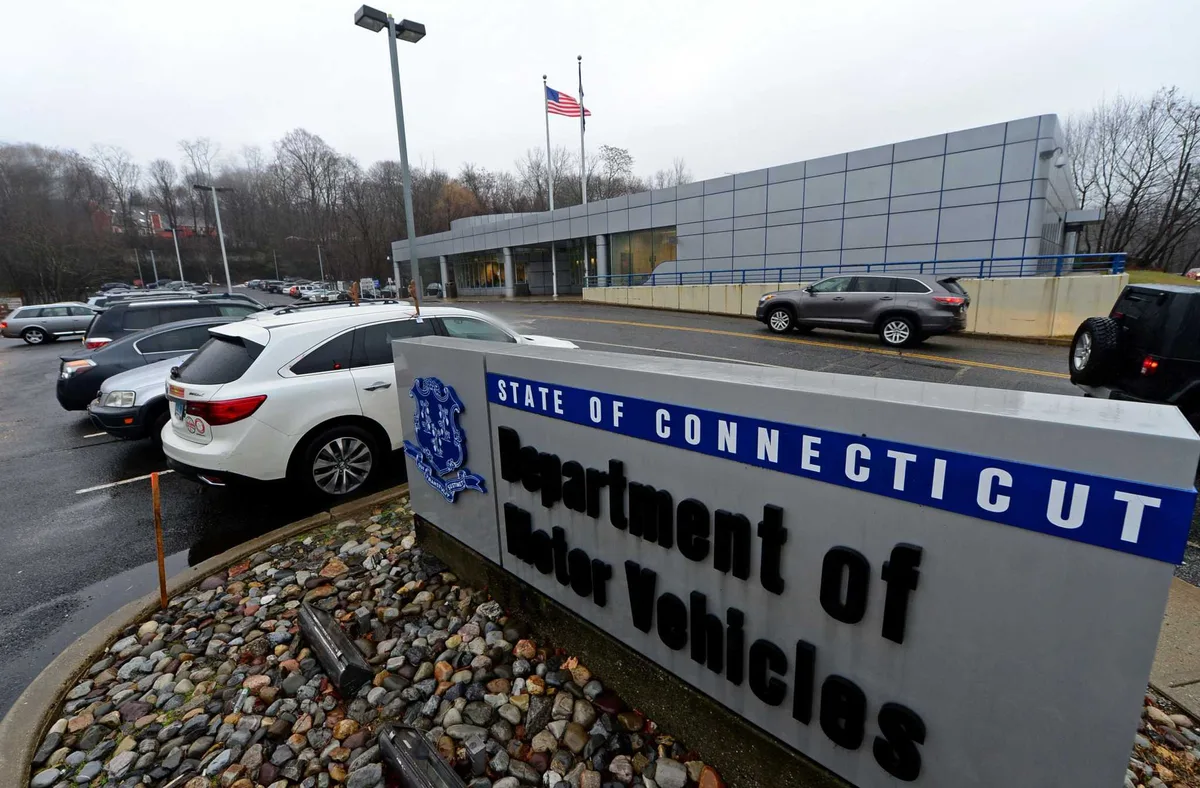
If you own an older car in Connecticut, you might be wondering whether it still needs an emissions test. The good news is that Connecticut emissions testing exemptions for model year 2001 and older mean many vehicles are off the hook. This rule saves time, money, and hassle for drivers of qualifying cars.
The cutoff is clear: as of 2026, any gasoline-powered vehicle from 2001 or earlier is exempt from Connecticut’s biennial emissions testing. That’s a hard line drawn by the state, so if your car predates 2002, you’re likely in the clear.
Quick Answer
Connecticut emissions testing exemptions for model year 2001 and older apply to all gasoline vehicles from that year or earlier. Diesel vehicles have a different cutoff, typically pre-1997. The rule is enforced by the Connecticut Department of Motor Vehicles.
No emissions test is required for registration.
Quick Answer: The 2001 Model Year Cutoff Rule
The exemption is simple: if your car is a 2001 model or older, it doesn’t need an emissions test in Connecticut. This applies to gasoline-powered vehicles only. Diesel vehicles follow a separate rule, usually exempt if they’re pre-1997.
The cutoff is based on the model year, not the manufacturing date. So even if your car was built in late 2001, it’s still exempt. The Connecticut DMV uses the model year listed on your title or registration.
This rule is part of the state’s biennial emissions testing program, which requires most newer vehicles to pass an inspection every two years. Older cars get a pass because they’re less likely to meet modern emissions standards, and the state has chosen not to require testing for them.
How Connecticut’s Emissions Exemption Actually Works
Connecticut’s emissions testing program is run by the Department of Motor Vehicles (DMV) in partnership with the Department of Energy and Environmental Protection (DEEP). The goal is to reduce air pollution by ensuring vehicles meet certain emissions standards.
For most vehicles, testing is required every two years. But the state has carved out exemptions for older cars, recognizing that the cost and effort of testing may not justify the environmental benefit for vehicles of a certain age.
The exemption is automatic. You don’t need to apply for it or provide any special documentation. When you register your vehicle, the DMV’s system will check the model year.
If it’s 2001 or older, the emissions test requirement is waived.
Which Vehicles Qualify for the Exemption?
Not all older vehicles are exempt. Here’s the breakdown:
- Gasoline-powered cars and trucks: Exempt if model year 2001 or older
- Diesel-powered vehicles: Exempt if model year 1996 or older
- Motorcycles: Exempt from emissions testing entirely in Connecticut
- Hybrid and electric vehicles: Typically exempt, but check with the DMV as rules can vary
The exemption is based on the model year, not the vehicle’s age. So a 2001 car is exempt even if it’s only a few months old, while a 2002 car requires testing regardless of its condition.
Some modified or custom vehicles may have different rules. If your car has been significantly altered, it’s best to confirm with the Connecticut DMV before assuming it’s exempt.
What About Diesel, Hybrids, or Modified Cars?
Diesel vehicles have their own exemption cutoff. In Connecticut, diesel-powered cars and trucks from 1996 and older are exempt from emissions testing. This is stricter than the gasoline rule because diesel engines produce different types of emissions.
Hybrid and electric vehicles are generally exempt from emissions testing in Connecticut. Since they produce fewer or no tailpipe emissions, the state doesn’t require them to undergo the same testing as gasoline or diesel vehicles. However, it’s always a good idea to confirm with the DMV, as rules can change.
Modified cars can be a gray area. If your vehicle has been altered in a way that affects its emissions systems, the DMV may require additional inspections or documentation. This is especially true for vehicles with aftermarket engine swaps or significant modifications.
When in doubt, reach out to the DMV or visit a local emissions testing station for guidance.
Step-by-Step: How to Confirm Your Car Is Exempt
First, check your vehicle’s model year on the title or registration. If it’s 2001 or older, you’re exempt from emissions testing in Connecticut.
Next, verify the fuel type. Gasoline vehicles follow the 2001 cutoff, while diesel vehicles must be 1996 or older to qualify. Motorcycles and electric vehicles are exempt regardless of age.
If you’re still unsure, the Connecticut DMV’s website has a vehicle lookup tool that confirms exemption status. You can also call or visit a local DMV office for clarification.
What Happens If You Skip the Test by Mistake?
If your car is exempt but you accidentally get it tested, nothing bad happens. The test will simply be unnecessary, and you’ll have paid the fee for no reason.
However, if your car isn’t exempt and you skip the test, you won’t be able to renew your registration. The DMV will flag your vehicle as non-compliant, and you’ll need to pass the emissions test before you can legally drive it again.
In some cases, you might receive a notice from the DMV reminding you to complete the test. Ignoring this can lead to late fees or even a registration suspension.
Common Missteps That Get Owners in Trouble
Assuming all older cars are exempt is a common mistake. Some drivers think any car over 20 years old is automatically off the hook, but Connecticut’s rule is strictly based on the model year.
Another error is confusing the emissions test with the safety inspection. Connecticut requires a separate safety inspection for all vehicles, regardless of age. Even if your car is exempt from emissions testing, it still needs to pass the safety check.
Some owners also forget that the exemption applies only to gasoline and diesel vehicles. If you drive a hybrid or electric car, the rules may differ, so it’s best to confirm with the DMV.
How to Register an Exempt Vehicle in Connecticut
Registering an exempt vehicle is straightforward. When you submit your registration paperwork, the DMV’s system will automatically check your car’s model year. If it’s 2001 or older, the emissions test requirement is waived.
You’ll still need to provide proof of insurance and pay any applicable registration fees. The process is the same as for non-exempt vehicles, just without the emissions test step.
If you’re registering a vehicle from out of state, bring your title and any other required documents. The DMV will verify your car’s model year and confirm whether it’s exempt.
Costs, Fees, and What You’ll Save
The emissions test in Connecticut typically costs around $20. If your car is exempt, you’ll save that fee every two years.
You’ll also save time. Emissions testing requires scheduling an appointment and visiting a testing station. Exempt vehicles skip this step entirely, making registration faster and easier.
Keep in mind that you’ll still need to pay standard registration fees, which vary based on your vehicle type and other factors. The exemption only applies to the emissions test itself.
Official Sources & Where to Double-Check
The Connecticut DMV is the primary authority on emissions exemptions. Their official website lists the current rules, including the 2001 cutoff for gasoline vehicles.
The Connecticut DEEP also provides guidance on emissions testing. They oversee the environmental side of the program and can clarify any questions about exemptions or requirements.
For the most up to date information, check the DMV’s vehicle services page. Rules can change, and the state updates its resources as needed.
FAQs About Connecticut’s Older Car Emissions Rules
Does a 2001 car need an emissions test in Connecticut?
No. Any gasoline powered vehicle from 2001 or older is exempt from Connecticut’s emissions testing requirement.
What about a 2002 car?
A 2002 model year vehicle does require emissions testing. The cutoff is strict: 2001 and older are exempt, 2002 and newer are not.
Are diesel trucks exempt?
Diesel vehicles have a different cutoff. In Connecticut, diesel cars and trucks from 1996 and older are exempt from emissions testing.
Do I need to do anything to claim the exemption?
No. The exemption is automatic. When you register your vehicle, the DMV’s system checks the model year and waives the emissions test requirement if applicable.
Can I still get my exempt car tested?
Yes, but it’s not required. Some owners choose to test their older vehicles voluntarily, though it’s unnecessary for registration purposes.