You’re running 98-octane pump gas in your drag car and need more power without switching to expensive race fuel. The best additive to 98 for drag race setups depends on your engine’s compression and tuning, but the right choice can unlock serious gains.
Manufacturer specs confirm that 98 RON is often the highest pump gas available, but it’s not always enough for high-compression or forced-induction builds. That’s where additives come in.
Quick Answer
The best additive to 98 for drag race use is a high-quality octane booster for most setups. Methanol or ethanol blends work better for forced induction. Detergents help only if your fuel system is dirty.
Always match the additive to your engine’s needs.
Why Adding to 98 Octane Matters in Drag Racing
Drag racing pushes engines to their limits, and fuel quality is the difference between a clean pass and a blown motor. 98-octane gasoline is a solid base, but it often lacks the detonation resistance needed for high-compression or boosted applications.
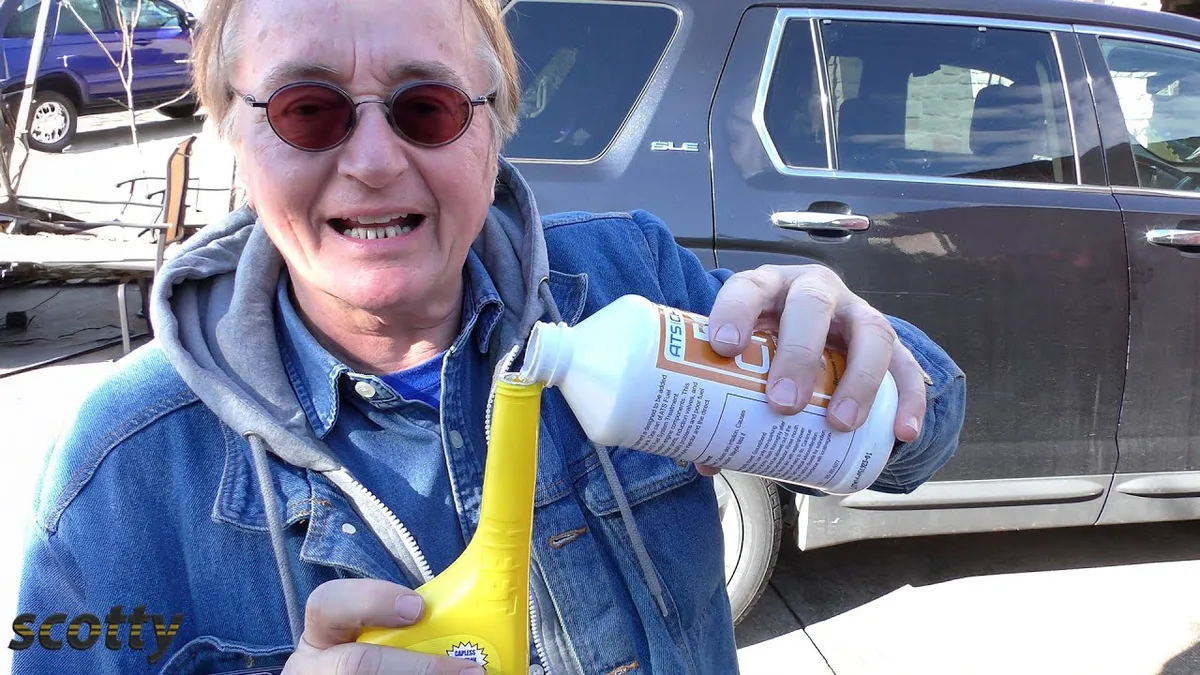
Octane boosters raise the fuel’s resistance to knocking, while oxygenated additives like methanol cool the intake charge and increase power. Without the right additive, you risk pre-ignition, which can destroy pistons or rods in seconds.
How Fuel Additives Work in a Drag Engine
Fuel additives modify the chemical properties of gasoline to improve performance. Octane boosters, typically containing MMT or other compounds, increase the fuel’s resistance to detonation. This lets you run more timing or boost without knocking.
Oxygenated additives like methanol or ethanol add oxygen to the combustion process, which can increase power but also requires tuning adjustments. Detergents clean fuel injectors and carburetors, but they don’t directly improve performance.
Octane Boosters vs. Oxygenated Additives vs. Detergents

Octane boosters are the go-to for most drag racers using 98-octane fuel. They’re easy to use, compatible with most fuel systems, and provide a measurable increase in knock resistance. Brands like VP Racing and Torco offer boosters that can add 2-4 octane points, depending on the mix ratio.
Oxygenated additives, such as methanol or ethanol, are better for forced-induction setups. They cool the intake charge and allow for more aggressive tuning, but they require careful mixing and often a dedicated injection system. Detergents are useful for maintenance but won’t give you a performance edge on race day.
| Additive Type | Best For | Power Gain | Cost | Ease of Use |
|---|---|---|---|---|
| Octane Booster | High-compression NA, mild boost | Moderate | $$ | Very Easy |
| Methanol | Turbo/supercharged | High | $ | Moderate |
| Ethanol | Turbo/supercharged | High | $$ | Moderate |
| Detergent | Fuel system cleaning | None | $ | Very Easy |
Best Additives for 98 Octane (Ranked by Use Case)
For high-compression naturally aspirated engines, an octane booster is the simplest and most effective choice. VP Racing’s C16 or Torco’s Accelerator are popular options that can push your effective octane into the 100+ range, giving you the knock resistance needed for aggressive timing.
Forced-induction setups benefit more from methanol or ethanol. Methanol is cheaper and provides a significant cooling effect, which helps prevent detonation under high boost. Ethanol offers similar benefits but with a higher energy content, though it’s more expensive.
Both require tuning adjustments to account for the added oxygen.
If you’re running a street-legal drag car and want to stick with pump gas, a high-quality octane booster is your best bet. It’s affordable, easy to mix, and won’t void your warranty or cause emissions issues. Just be sure to follow the manufacturer’s recommended mix ratios to avoid over-octaning, which can actually reduce power.
Side-by-Side Comparison: Performance, Cost, and Mix Ratios
Octane boosters typically cost $15, $30 per quart and raise octane by 2, 4 points at a 1:10 mix ratio. They’re the simplest option for naturally aspirated engines but offer diminishing returns beyond mild boost levels.
Methanol costs $5, $10 per gallon and requires a 10, 20% mix for noticeable gains. It cools intake temps by up to 50°F, which is critical for turbo setups. Ethanol is pricier at $8, $12 per gallon but packs more energy per volume.
| Additive | Cost per Gallon | Octane Boost | Cooling Effect | Mix Ratio | Best For |
|---|---|---|---|---|---|
| Octane Booster | $60–$120 | +2–4 RON | None | 1:10 | NA, mild boost |
| Methanol | $5–$10 | +3–5 RON | High | 10–20% | Turbo/supercharged |
| Ethanol | $8–$12 | +2–4 RON | Moderate | 10–30% | Turbo/supercharged |
| Detergent | $10–$20 | None | None | Per bottle | Maintenance |
When to Use Methanol or Ethanol Instead of Octane Boosters
Methanol is the top choice for high-boost applications because it resists detonation and cools the charge. It’s also cheaper than ethanol but more corrosive, so you’ll need compatible fuel lines and injectors.
Ethanol works well if you want a balance of power and cost. It has a higher energy content than methanol but absorbs less heat. Both require retuning your ECU or carburetor to account for the extra oxygen.
How to Mix and Tune for Maximum Power
Start with a 10% methanol mix for forced induction and adjust based on dyno results. Always use a dedicated methanol injection kit for precise delivery. For octane boosters, follow the bottle’s instructions, overdoing it can cause fuel system issues.

After mixing, run a baseline dyno pull to measure power and AFR. If you’re running lean, increase fuel delivery. If you’re running rich, reduce the additive percentage.
Small changes make a big difference at the strip.
Common Mistakes That Kill Performance (or Your Engine)
Using methanol in a system not designed for it will corrode rubber lines and seals. Always upgrade to alcohol-compatible components before mixing.
Over-octaning with boosters can reduce power and foul spark plugs. Stick to the recommended ratios. Ignoring AFR adjustments after adding oxygenated additives can lead to lean conditions and engine damage.
Safety, Legality, and Track Rules You Can’t Ignore
NHRA and IHRA have strict rules on fuel additives for certain classes. Bracket racing often allows octane boosters, but alcohol blends may require a fuel system inspection. Always check your sanctioning body’s rulebook before race day.
Methanol and ethanol are flammable and require proper storage in sealed, vented containers. Keep them away from open flames and static electricity sources. If you’re running a street-legal car, some additives may not be emissions-compliant.
Real-World Results: What Racers See at the Strip
Dyno tests show octane boosters can add 5, 15 HP in high-compression NA engines. The gains come from running more aggressive timing without detonation.
Forced induction setups see bigger jumps with methanol. A 20% mix can net 20, 40 HP in turbo applications by cooling the intake charge and allowing higher boost levels.
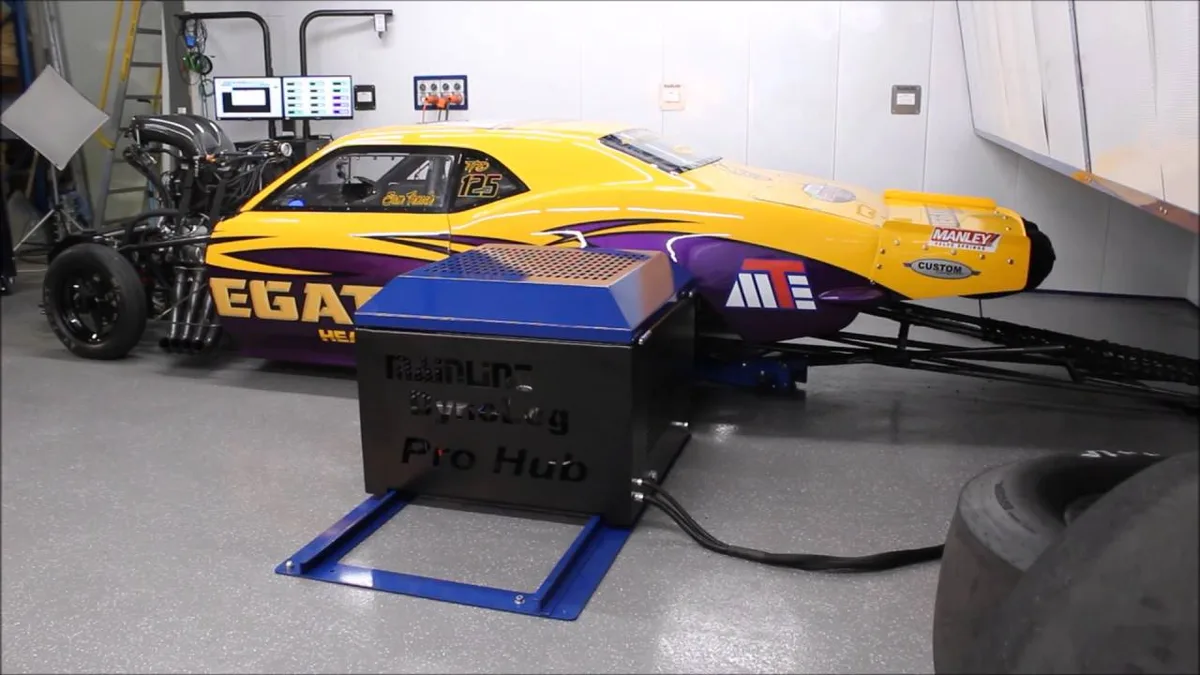
Track data confirms these numbers. Racers report consistent ET improvements of 0.1, 0.3 seconds with proper tuning.
FAQs About 98 Octane + Additives for Drag Racing
Can I mix methanol with 98 octane pump gas
Yes, but limit it to 10, 20% for most setups. Higher concentrations require fuel system upgrades and ECU tuning. Always test on a dyno first.
How much octane booster should I use
Follow the manufacturer’s instructions. Most recommend 1 part booster to 10 parts fuel for a 2, 4 octane point increase. Overdoing it can cause fuel system issues.
Will additives void my warranty
Aftermarket additives typically don’t void warranties unless they cause direct damage. Check your manufacturer’s policy, as some OEMs discourage certain additives.
Are alcohol-based additives street legal
Methanol and ethanol blends are street legal in most areas but may fail emissions tests. Some states restrict alcohol percentages in pump fuel.
What’s the best additive for a turbo drag car
Methanol is the top choice for turbo applications. It cools the intake charge and resists detonation under high boost. Ethanol is a good alternative if methanol isn’t available.
Final Verdict: What to Use Based on Your Setup
For naturally aspirated engines, an octane booster is the simplest and most effective choice. It’s easy to use and provides a measurable increase in knock resistance.
For forced induction, methanol or ethanol will give you the best results. They cool the intake charge and allow for more aggressive tuning. Just be sure to upgrade your fuel system and retune your ECU.
If you’re running a street-legal drag car, stick with an octane booster. It’s affordable, easy to mix, and won’t cause emissions issues. Always follow the manufacturer’s recommended ratios to avoid over-octaning.