ByMax Lee
Guide to California Organ Donor Designation and Pink Dot on Driver License
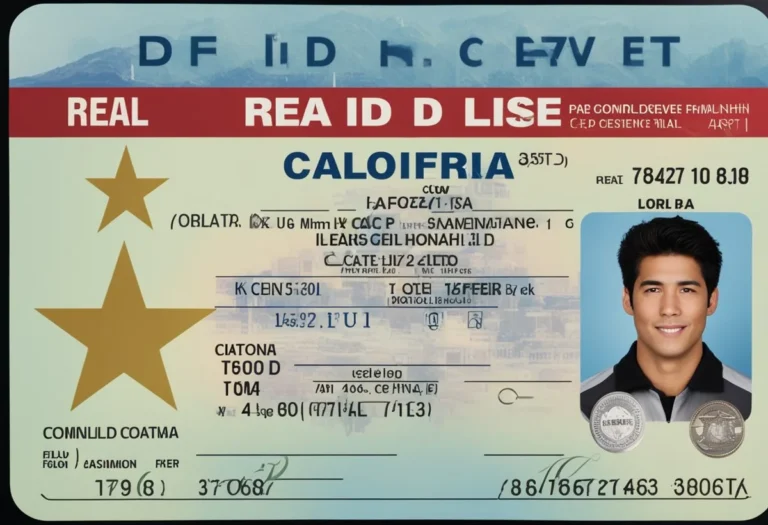
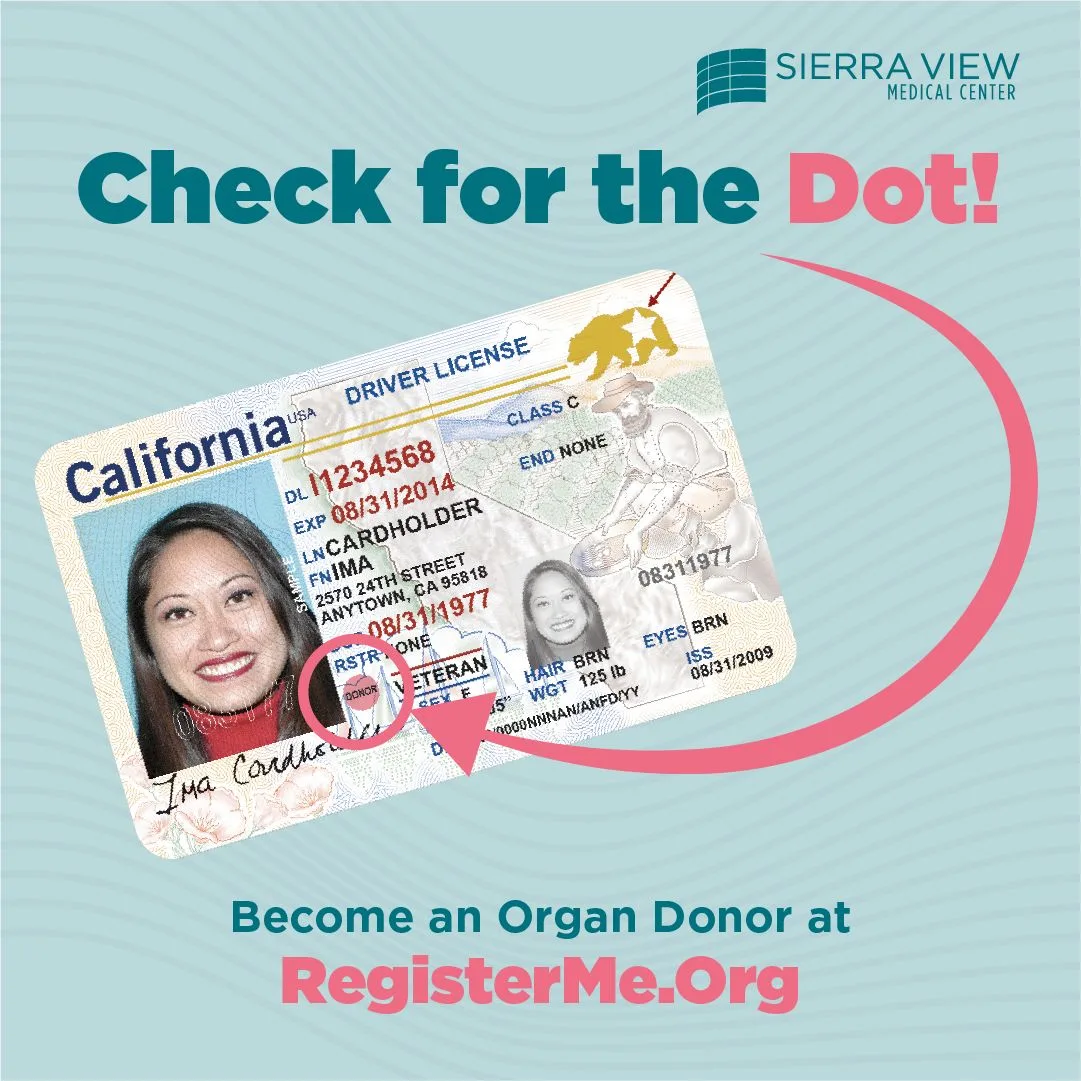
The pink dot on your California driver license is more than a design quirk. It's a legal symbol that tells medical staff and your family one thing: you've made your wishes about organ donation clear. That small pink dot represents your official California organ donor designation, and it carries real weight when it matters most.
In our research, the Donate Life California registry shows that over 18 million Californians are registered as organ donors as of 2026. That's a significant number, but many drivers don't fully understand what their pink dot actually means or how it interacts with the state's donor registry. Let's walk through what you need to know.
Why the Pink Dot Matters More Than You Think
That little pink dot isn't just a sticker. It's a legal designation that ties directly into the state's official Organ Donation Registry. When you check that box on your DMV application, your name gets added to the Donate Life California database, and that information stays available to organ procurement organizations (OPOs) 24/7.
What makes this important is the legal weight behind it. California operates under a first-person consent law. If you're registered as a donor, your decision is legally binding after you pass away.
Your family doesn't get a vote. No one can override your choice. The pink dot is your final word on the matter.
What the Pink Dot Doesn't Mean
Here's where a lot of California drivers get confused. The pink dot on your physical license is just a visual indicator. It's not the registry itself.
Think of it as a shortcut for medical staff, when they see that pink dot, they know to check the Donate Life California database for your full donor details. But if your registry information isn't current, that pink dot could lead to confusion.
Quick Answer
The California organ donor designation is a legal consent you provide through the DMV or Donate Life California. The pink dot on your driver license signals this consent to medical staff. It's a first-person authorization that cannot be overridden by family.
You can add or remove it anytime online. Registration costs nothing beyond your standard DMV fees.
Donate Life California Registry vs. DMV Pink Dot – What's the Real Connection?
This is where the details matter. The DMV and Donate Life California are two separate systems, but they work together seamlessly.
When you apply for or renew your California driver license, the DMV offers you the option to become an organ donor. If you say yes, the DMV sends your information to the Donate Life California registry, that's the official state database. The DMV then prints that pink dot on your license as a visual indicator.
How the Registry Works
Donate Life California isn't a single website. It's a nonprofit organization that manages the state's official donor registry. Hospitals and organ procurement organizations access this database to verify your donor status.
The pink dot on your license is just the physical reminder, the real legal authority lives in the electronic registry.
This is why simply having a pink dot on your old license isn't enough. If you renew your license and don't re-register as a donor, your name stays in the registry, but only if you don't remove it. The DMV doesn't automatically transfer your donor status from one license to the next.
You have to re-register each time you get a new license.
What Happens When You Don't Re-Register
Let's say you've been a donor for years. You get your license renewed, but you forget to check the donor box on the new application. Your old donor designation might still be active in the Donate Life California registry, but your new license won't have the pink dot.
If a hospital checks your license and sees no pink dot, they might assume you're not a donor, even if you are.
That's a real-world scenario that trips up many California drivers. The solution is simple. Always re-register when you renew your license, and keep your online donor profile current.
Can Your Family Override Your Pink Dot? (California's First-Person Consent Law)
This question comes up constantly, and the answer is clear: no.
California's first-person consent law means your donor designation is legally binding after death. Your family cannot override it. They cannot refuse the donation.
They cannot change your decision.
What This Means for Your Family
If you're a registered donor in California, your family's role changes. Instead of making the decision, they provide medical history and support the process. The organ procurement organization (OPO) handles everything based on your donor record.
This is actually a good thing for many families. It removes the burden of making a difficult decision during a tragic moment. Your choice is already made, and it's respected.
The One Exception
There is one situation where family involvement matters. If you're under 18, your parent or guardian must consent when you register. Once you turn 18, your designation becomes your own.
You can update or remove it without parental involvement.
What About Minors
If you're between 15 and 17, you can register as an organ donor in California, but only with your parent or guardian's permission. The pink dot on your license still applies, but the legal authority rests with your parent until you turn 18. At that point, your donor designation becomes fully your own.
Step-by-Step: How to Add or Remove the Pink Dot on Your License
The process is straightforward, but there are a few key steps to get right.
Adding Your Donor Designation
- Apply for a new or renewed license. You can do this at any DMV field office or online through the DMV website.
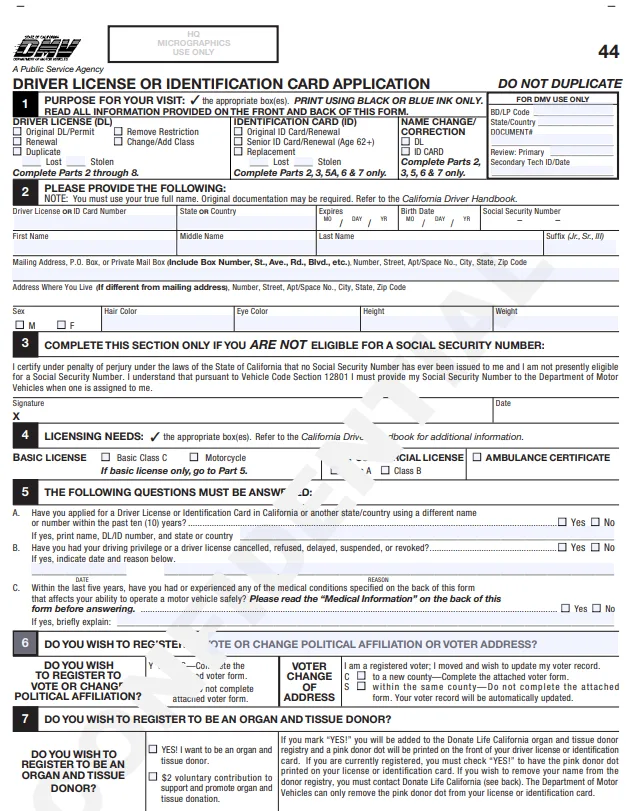
- Check the donor box. On the application form (DL 44), you'll see a section asking about organ donation. Check "yes" to register.
- Provide your information. The DMV will ask for basic details, including your name, address, and date of birth.
- Complete the process. Pay the standard DMV fee (currently $41 for a standard license renewal as of 2026). There's no additional cost for the donor designation.
- Receive your new license. Your new license will arrive with the pink dot in the upper left corner.
Removing Your Donor Designation
You can remove your donor designation at any time. Here's how:
- Go to Donate Life California. Visit their official website and log into your account.
- Select the option to remove. Follow the prompts to revoke your donor designation.
- Confirm. You'll receive a confirmation email once the change is processed.
- Update your DMV record. If you want the pink dot removed from your physical license, you'll need to update your DMV record separately, either online or at a field office.
What Happens After You Remove It
Once you remove your donor designation, your name is no longer in the Donate Life California registry. Your license will still have the pink dot if you don't update your DMV record separately. That's a potential problem, because the pink dot tells medical staff to check the registry, and if your name isn't there, they may assume you're still a donor when you aren't.
The smart move is to remove your designation both at Donate Life California and at the DMV. That way, your records are fully consistent.
Common Mistakes Californians Make About Their Donor Status
Even well-intentioned drivers make errors. Here are the most common ones and what to do instead.
Mistake 1: Assuming the Pink Dot Auto-Renews
This is the biggest one. Many drivers assume that because they checked the donor box once, their status carries over to every future license. It doesn't.
Each time you renew, you must re-register as a donor. If you don't, your new license won't have the pink dot, and your old donor status might still be active in the registry, creating confusion.
Mistake 2: Not Updating Your Online Profile
Your DMV record and your Donate Life California registry are separate. If you update your donor status at the DMV but don't log into Donate Life California to confirm, you might have an outdated record. Always check both systems after making a change.
Mistake 3: Thinking Family Can Override
As we've covered, California's first-person consent law means family cannot override your donor designation. Some drivers still believe their family can refuse the donation after they pass away. They can't.
The legal consent is already given.
Mistake 4: Registering Without Telling Your Family
This is a practical one. If you're a registered donor but your family doesn't know, they might be confused when the time comes. The best approach is to have the conversation.
Tell your family your wishes. Show them where your donor card is. It saves confusion and heartache later.
Mistake 5: Forgetting to Register at All
Some drivers think the pink dot on their license is automatic. It's not. You must actively check the donor box on your DMV application.
If you don't, you won't be registered. The pink dot only appears if you've given your consent.
What Happens at the Hospital When the Pink Dot Is Seen
This is where the system really matters. When you're in a trauma center or emergency room, medical staff are trained to look for that pink dot.
The Immediate Response
Doctors and nurses check two things. First, your driver license for the pink dot. Second, your medical records for any existing directives.
If they see the pink dot, they contact the local organ procurement organization (OPO) right away.
The OPO then checks the Donate Life California registry to confirm your donor status. This verification step is critical. The pink dot signals the possibility, but the registry confirms the legal authority.
What Happens If You're Not in the Registry
Here's the risk. If your license has the pink dot but your name isn't in the Donate Life California database, the OPO can't proceed. The family might be left guessing.
That's why keeping your registration current matters more than the dot itself.
Organ vs. Whole Body Donation – What the Pink Dot Covers
The pink dot on your California license covers organ and tissue donation specifically. It doesn't cover whole body donation.
What's Included
- Organs: Heart, kidneys, liver, lungs, pancreas, intestines
- Tissues: Corneas, skin, bone, heart valves
What's Separate
Whole body donation goes to medical schools or research facilities. If that's your goal, you need a separate arrangement through a medical institution. The Donate Life California registry only handles organs and tissues for transplant.
Making Both Work
You can register for both. Just make sure your family knows the difference. The pink dot covers transplant donation.
A separate agreement covers whole body donation.
How to Verify and Update Your Donor Designation Online
Checking your status takes less than five minutes.
Step-by-Step
- Go to donatelifecalifornia.org
- Click "Check Your Registration"
- Enter your name, date of birth, and driver license number
- Review your status
What the Page Shows
The system tells you:
- Whether you're currently registered
- When you registered
- Any restrictions on your file
How to Update
You can change your contact information, remove your designation, or add a note. The process is instant. Your update takes effect immediately.
Why This Matters
If you move, change your name, or update your license, your donor registry needs to match. An outdated record can slow things down. A quick annual check keeps everything current.
Expert Tips for California Car Owners on Keeping Designations Current
If you drive a car in California, your license is your primary ID. Here's how to keep your donor status active.
Tip 1: Re-Register at Every Renewal
Don't assume your status carries over. Each new license requires a fresh donor check.
Tip 2: Sync Your DMV and Online Registry
If you update one, update the other. Mismatched records cause confusion.
Tip 3: Carry a Donor Card
The DMV issues a donor card when you register. Keep it in your wallet with your license.
Tip 4: Talk to Your Family
A simple conversation prevents surprises. Let them know your wishes and where your card is.
Tip 5: Check Online Annually
Set a calendar reminder. Log into Donate Life California once a year and confirm your status.
Safety, Legal Compliance, and What to Tell Your Family
California's organ donation laws are straightforward, but they have real implications.
Legal Compliance
Your donor designation is a first-person consent. It's legally binding after death. You can change it at any time, but once it's done, it's final.
What to Tell Your Family
- Your wishes: Be clear about your decision
- Your donor card: Show them where it is
- Your contact information: Make sure they know how to reach you
When to Seek Help
If you have questions about your donor status, contact the California DMV or Donate Life California directly. They can help with specifics.
Frequently Asked Questions
How do I know if I'm registered as an organ donor in California?
Check your driver license for the pink dot. You can also log into Donate Life California online to confirm.
Can I remove my organ donor designation?
Yes. You can remove it at any time through Donate Life California or the DMV.
What happens if my family doesn't want me to be a donor?
In California, your family cannot override your donor designation. Your consent is legally binding.
Is there a fee for the organ donor designation?
No. There's no additional cost. The standard DMV renewal fee still applies.
Can I donate my whole body instead of organs?
The pink dot covers organ and tissue donation only. For whole body donation, you need a separate arrangement with a medical school or research institution.
Do I need to re-register every time I renew my license?
Yes. Each renewal requires you to re-register as a donor. The DMV does not auto-transfer your status.
The Bottom Line on Your Pink Dot
Your California organ donor designation and the pink dot on your license work together. The dot signals your intent. The registry confirms your legal consent.
Keep both current, and your wishes will be honored.