Finding a car parked on your land without permission is frustrating, and the laws for when someone leaves a vehicle on your property vary by state. You can’t just tow it away, most places require a legal process to avoid liability.
In many states, a vehicle left for 24 to 72 hours can be considered abandoned, but the exact rules depend on local ordinances. Here’s how to handle it without breaking the law.
Quick Answer
The laws for when someone leaves a vehicle on your property let you remove it after a set period. Most states require a notice before towing. Private property rights allow removal, but you must follow local abandonment laws.
Always document the vehicle first.
Why This Happens and When It’s a Problem
People leave cars on private property for all kinds of reasons. Sometimes it’s an honest mistake, like a visitor forgetting to move their vehicle. Other times, it’s intentional, neighbors using your driveway as extra parking or strangers dumping an old car.
The problem starts when the vehicle blocks your access, lowers your property value, or becomes an eyesore. As of 2026, most states consider a car abandoned after 48 to 72 hours, but some cities have stricter rules. If you don’t act, you could end up responsible for damage or even fines in some areas.
The Legal Difference: Trespassing vs. Abandonment
Trespassing means the vehicle is there without permission, but the owner might still return. Abandonment means the owner has given up all rights to it. The distinction matters because the process changes.
For trespassing, you can often call a tow truck immediately if the car is blocking access. For abandonment, you usually need to wait a set period and post a notice. Some states, like California, require a 72-hour wait before towing an abandoned vehicle.
If the car has no plates or the registration is expired, it’s more likely to be considered abandoned. Always check your local DMV guidelines for specifics.
Step 1: Confirm It’s Actually Unauthorized
Before taking any action, make sure the vehicle doesn’t belong to a guest, tenant, or family member. A quick check with neighbors can save you from an awkward situation.
If the car is unfamiliar, look for signs it’s been there a while: dust, flat tires, or expired tags. Take note of the make, model, and license plate number. This information will be critical if you need to report it.
Step 2: Check Your State and Local Laws
Abandonment laws vary widely. In Texas, a vehicle left for more than 48 hours can be towed. In New York, it’s 96 hours.
Some cities have even stricter rules.
Here’s a quick reference for common time limits:
| State | Abandonment Period | Notice Required |
|---|---|---|
| California | 72 hours | Yes |
| Texas | 48 hours | Yes |
| Florida | 30 days | Yes |
| New York | 96 hours | Yes |
| Illinois | 7 days | Yes |
Always verify with your city or county, as local ordinances can override state laws. For example, some HOAs have their own rules about unauthorized vehicles.
Step 3: Document the Vehicle Properly
Take clear photos of the vehicle from multiple angles. Note the license plate, VIN, make, model, and any visible damage. This protects you if the owner later claims harm.

Write down the exact location and time you first noticed it. Some states require this documentation before towing.
Step 4: Post a Legal Notice (If Required)
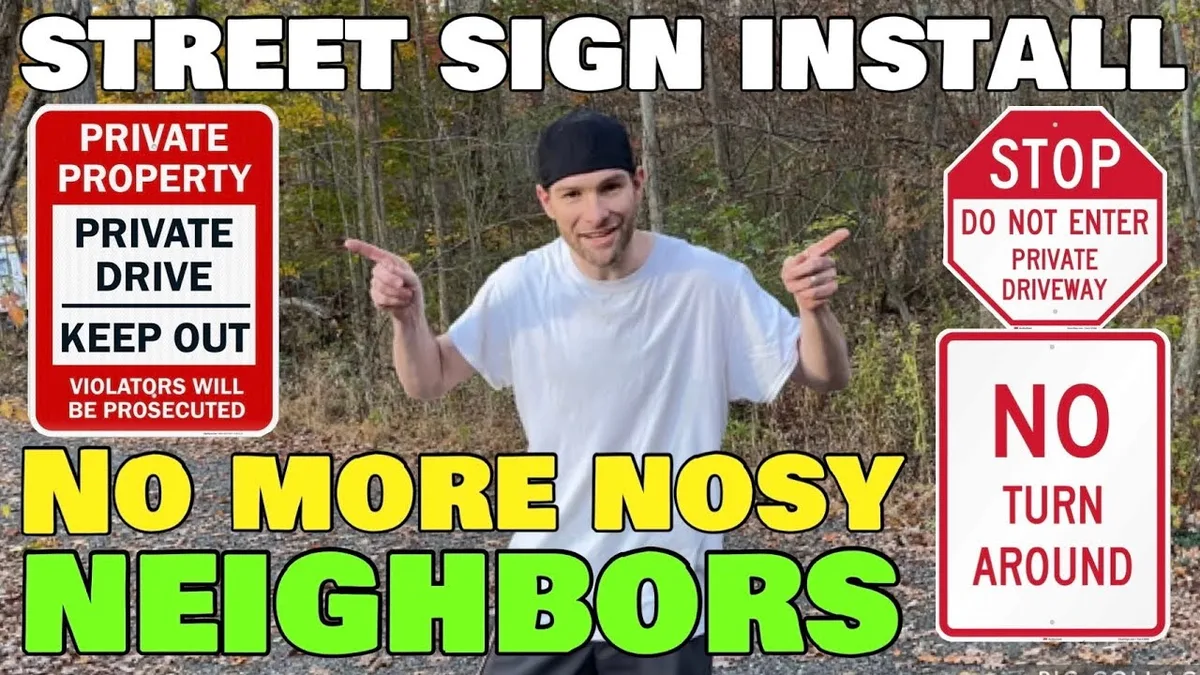
Not all states require a notice, but many do. If yours does, post it visibly on the vehicle. Include the date, your contact info, and the deadline for removal.
Use certified mail if the owner’s address is known. This creates a paper trail. Check your state DMV for notice templates.
Step 5: Wait the Required Time Period
Most states mandate a waiting period before towing. California requires 72 hours. Texas allows towing after 48 hours.
Florida gives 30 days.
Count the hours carefully. Towing too soon can lead to legal trouble. If the vehicle moves during this time, the clock resets.
Step 6: Contact the Right Authority or Tower
Call local law enforcement if the car is blocking access or seems abandoned. They can verify if it’s stolen or involved in a crime.
For private towing, use a licensed company. Unlicensed towers can create liability for you. Always get a receipt.
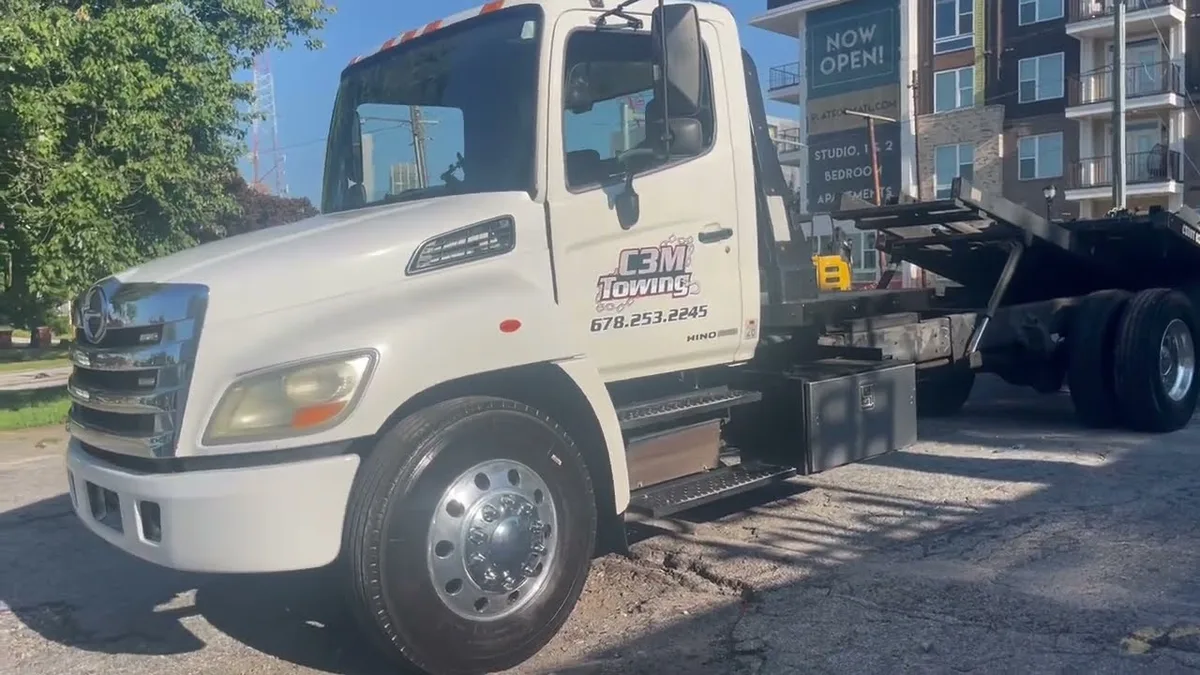
Some cities require police approval before towing. Check local rules first.
What Happens If the Owner Shows Up?
If the owner appears before towing, you can’t remove the vehicle. They have the right to reclaim it, even if it was trespassing.
If towing has already started, the owner may need to pay fees to get it back. Document any interactions in case of disputes.
Common Mistakes That Get You in Legal Trouble
Towing without proper notice is the most common error. Even if the car is clearly abandoned, skipping the legal steps can lead to a lawsuit.
Another mistake is using an unlicensed towing company. Some states require towers to have specific permits for private property towing. Always verify their credentials.
Ignoring local ordinances can also backfire. Some cities have stricter rules than the state. Check both before taking action.
State-by-State Abandonment Time Limits
Here are the typical waiting periods for some key states:
| State | Abandonment Period | Notice Required |
|---|---|---|
| Arizona | 48 hours | Yes |
| Georgia | 30 days | Yes |
| Michigan | 48 hours | Yes |
| Ohio | 72 hours | Yes |
| Pennsylvania | 48 hours | Yes |
These are general guidelines. Always confirm with your local DMV or city hall.
Costs: Who Pays for Towing and Storage?
The vehicle owner is usually responsible for towing and storage fees. If they don’t claim the car, the tower may sell it to cover costs.
In some cases, you might have to pay upfront and then seek reimbursement. Keep all receipts and documentation.
Storage fees can add up quickly. Some states cap these fees, while others don’t. Check your local laws.
What If the Vehicle Has No Plates or VIN?
A car without plates or a visible VIN is trickier to handle. You’ll need to involve law enforcement to identify it.
Police can run the VIN through their database to find the owner. If the VIN is missing or altered, they may treat it as a stolen vehicle.
Never attempt to remove or alter a VIN yourself. This is illegal and can lead to serious charges.
FAQs About Removing a Vehicle from Your Property
Can I tow a car parked on my property immediately?
No. Most states require a waiting period and proper notice before towing. Towing too soon can result in legal consequences.
How do I find the owner of an abandoned vehicle?
Check the license plate with your local DMV. If the plates are missing, call the police to run the VIN.
What if the owner refuses to move the vehicle?
After the required waiting period, you can have it towed. The owner will be responsible for the fees.
Can I charge the owner for the time the car was on my property?
Some states allow you to charge storage fees. Check your local laws for specifics.
What if the vehicle is damaged during towing?
The towing company is usually liable for any damage. Always use a licensed and insured tower.
Final Decision Guide: What to Do Next
If the car is clearly trespassing
Call a licensed tow company immediately if your state allows it. Some areas let you tow right away for active trespassing.
If the car might be abandoned
Post a notice and wait the required period. Document everything before taking action.
If you’re unsure about local laws
Contact your city’s non-emergency police line or DMV. They can clarify the exact steps for your area.
If the vehicle has no plates or VIN
Involve law enforcement. They have the tools to identify it and determine next steps.
If the owner shows up
Stop the towing process. They have the right to reclaim their vehicle unless it’s already been removed.