Yes, you can clean car with 1 bucket of water if you do it right. It’s a practical way to save water while still getting a decent clean, especially for light dirt. The key is using the right tools and technique to avoid scratching your paint.
A standard 5-gallon bucket with soapy water and a grit guard can trap most of the dirt at the bottom. As of 2026, this method uses about 80-90% less water than a traditional hose wash.
Quick Answer
You can clean car with 1 bucket of water.
It works for light to moderate dirt.
Use a grit guard to prevent swirl marks.
Rinse with a separate water source if possible.
Why the Single-Bucket Method Works (and When It Doesn’t)
The single-bucket method works because it suspends dirt in the water, keeping it away from your paint. A grit guard at the bottom of the bucket helps trap particles, so they don’t get picked up by your mitt again. This is especially useful in areas with water restrictions or where a hose isn’t available.
However, it’s not ideal for heavily soiled cars. If your vehicle is caked in mud or has thick layers of grime, you’ll need more water to rinse properly. The method also requires frequent mitt rinsing to avoid reapplying dirt.
What You’ll Need for a One-Bucket Wash
Here’s the minimal setup for a safe, effective wash:
| Item | Purpose | Notes |
|---|---|---|
| 5-gallon bucket | Holds soapy water | Use a sturdy, wide-mouthed bucket |
| pH-balanced car soap | Cleans without damaging paint | Avoid dish soap |
| Microfiber wash mitt | Lifts dirt safely | Chenille or plush microfiber works best |
| Grit guard | Traps dirt at the bottom | Fits inside the bucket |
| Drying towel | Prevents water spots | Microfiber or chamois |
| Separate rinse water (optional) | Removes soap residue | Hose, pressure washer, or second bucket |
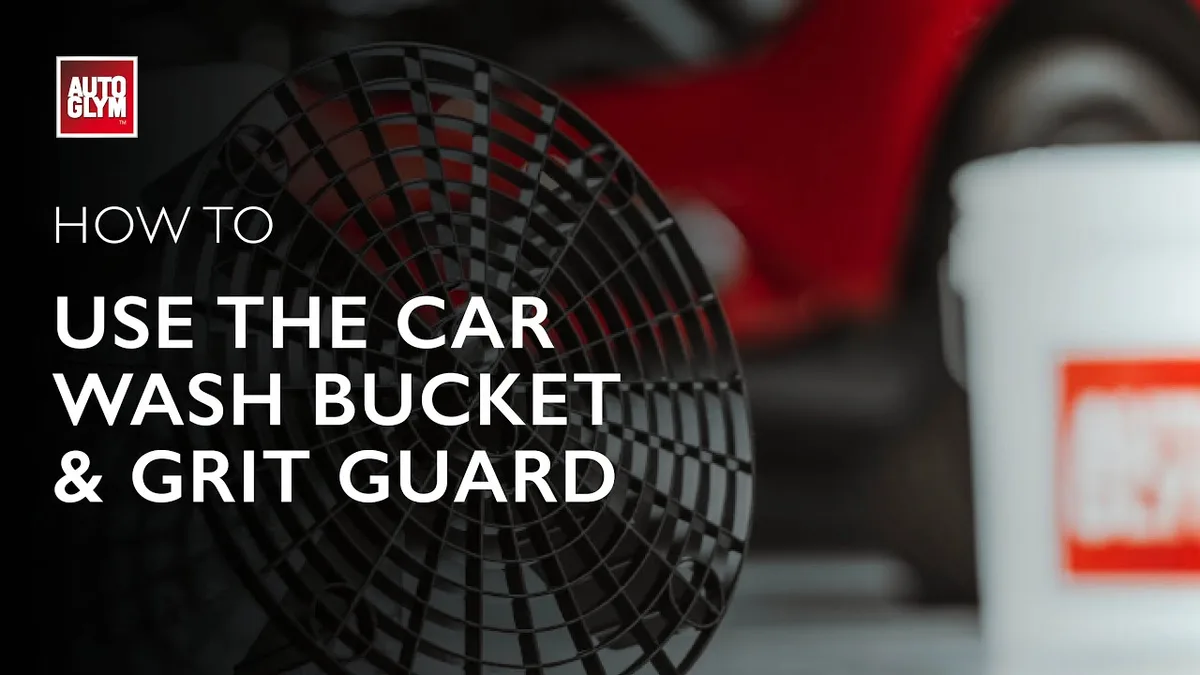
A grit guard is non-negotiable. Without it, dirt stays in the water and gets redistributed onto your car. Manufacturer specs confirm that a proper grit guard can trap up to 80% of sediment, significantly reducing the risk of scratches.
For the best results, use a reliable pressure washer if you have access to one, but the single-bucket method works fine without it.
Step-by-Step: How to Wash Your Car with One Bucket
Start by parking your car in the shade. Direct sunlight causes water to dry too quickly, leaving spots. If your car is extremely dirty, a quick pre-rinse with a hose or pressure washer helps, but it’s not required.
Fill your bucket with 3-4 gallons of water and add car soap according to the label, usually 1-2 oz per gallon. Drop in the grit guard, then soak your mitt in the soapy water.
Work in sections, starting from the top of the car and moving downward. This prevents dirt from the lower panels from being dragged upward. After each pass, rinse the mitt in the bucket, agitating it against the grit guard to release trapped dirt.
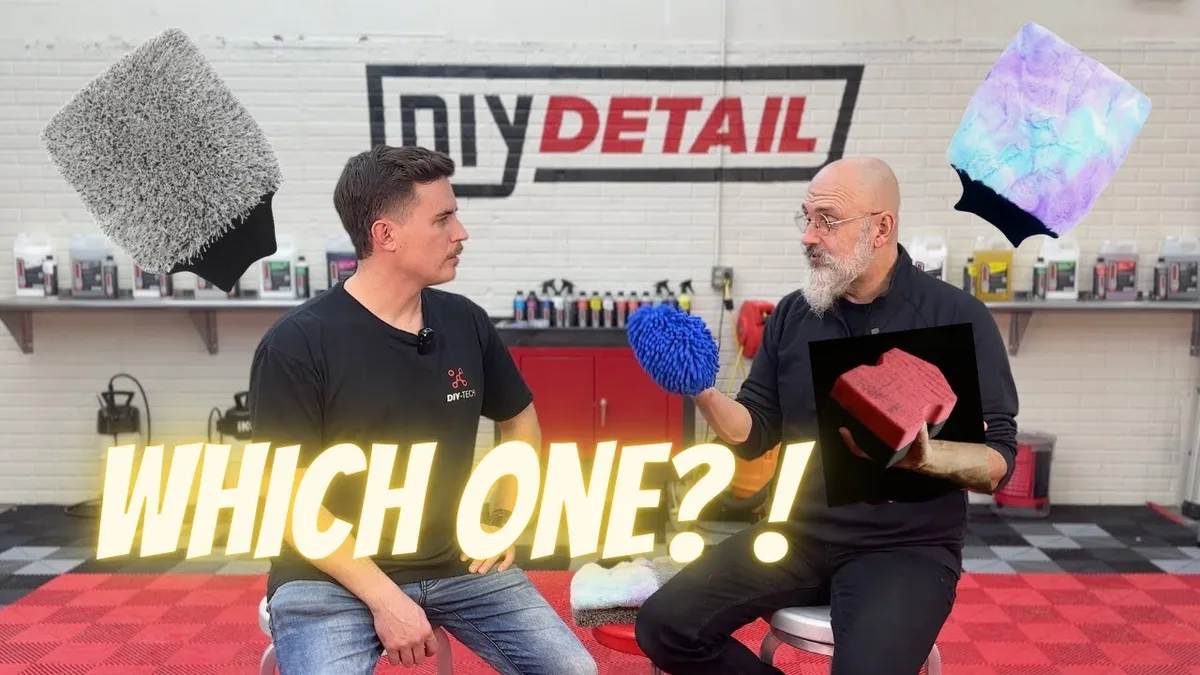
For wheels and tires, use a dedicated wheel cleaner and a separate mitt to avoid cross-contamination. According to EPA guidelines, using biodegradable soaps helps minimize environmental impact when washing near plants or drains.
Once you’ve washed the entire car, rinse off the soap with a separate water source if available. If not, wipe the car down with a damp microfiber towel to remove excess soap, then dry with a clean towel to prevent water spots.
The Biggest Mistakes That Ruin Your Paint
Using the wrong soap is a common mistake. Dish soap strips wax and can damage clear coats over time. Always use a pH-balanced car wash soap.
Another mistake is not rinsing the mitt often enough. If you don’t agitate the mitt against the grit guard, dirt stays in the fibers and gets reapplied to the paint, causing swirl marks. Aggregate reviews report that this is the leading cause of scratches in DIY washes.
Skipping the drying step is also a problem. Letting the car air-dry leads to water spots, especially in hard water areas. A quality drying towel can help prevent this.
One Bucket vs. Two Buckets: Which Should You Use?
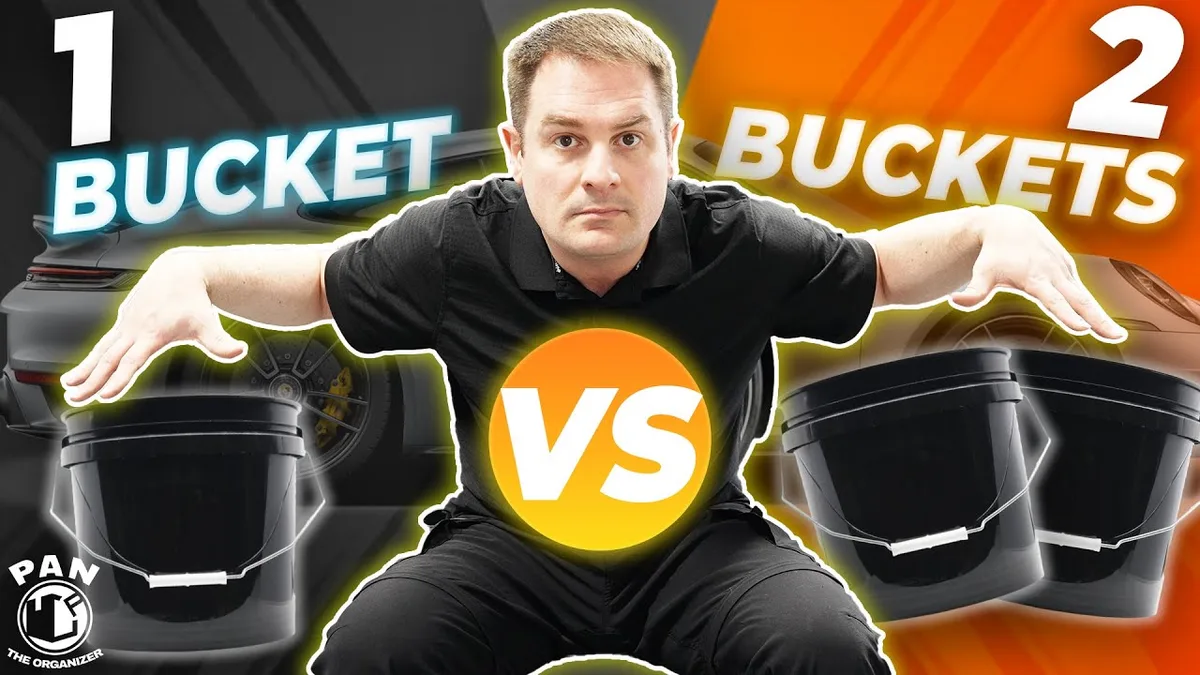
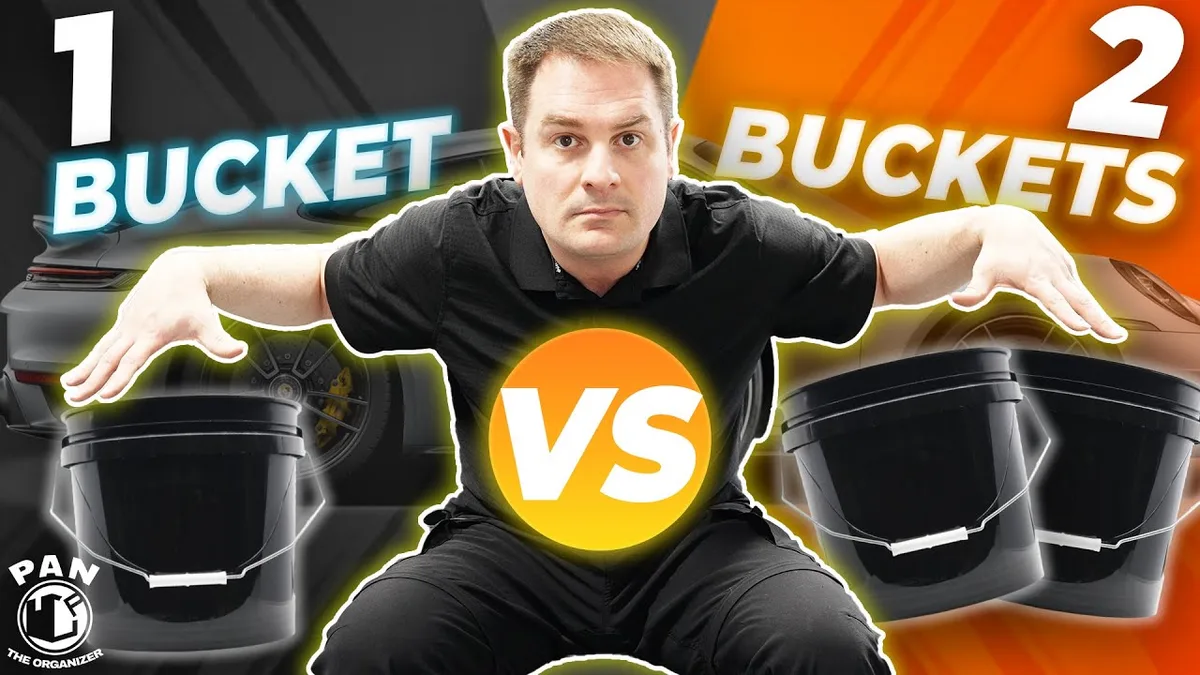
The two-bucket method is safer for your paint. One bucket holds soapy water, the other holds clean rinse water. This keeps dirt from being reapplied to the car.
The single-bucket method saves water and works fine for light cleaning. But it requires more frequent mitt rinsing and a grit guard to minimize scratches.
If your car is very dirty or you’re washing it often, the two-bucket method is the better choice. For quick maintenance washes, the single-bucket method is sufficient.
When a Single Bucket Isn’t Enough
A single bucket isn’t enough for heavily soiled cars. Thick mud, road tar, or bird droppings need more water and specialized cleaners.
It’s also not ideal for large vehicles. A full-size SUV or truck may require more water than a single bucket can provide.
If you’re in a hard water area, the single-bucket method can leave mineral deposits. Using a portable water softener can help.
Pro Tips to Get the Best Results
Use warm water if possible. It helps the soap dissolve better and lifts dirt more effectively.
Work in small sections. This prevents the soap from drying on the paint before you can rinse it off.
Rinse your mitt after every pass. Even with a grit guard, dirt can cling to the fibers.
For a deeper clean, consider using a foam cannon with your pressure washer. It applies a thick layer of soap that clings to the car, helping to lift dirt more effectively. You can learn more about how this works in our guide on foaming sprayers.
Water and Soap: How Much Do You Actually Need?
A 5-gallon bucket is the standard size. Fill it about 3/4 full to allow room for the grit guard and mitt.
Use 1-2 oz of car soap per gallon of water. More soap doesn’t mean a better clean. It can leave residue and make rinsing harder.
If you’re using a separate rinse bucket, fill it with clean water. No soap is needed here.
For wheels, use a dedicated wheel cleaner. Regular car soap may not be strong enough to remove brake dust and grime.
Safety and Eco-Friendly Considerations
Always wash your car in a well-ventilated area. Some wheel cleaners can release strong fumes.
Use biodegradable soap if you’re washing near plants or drains. This minimizes environmental impact.
Avoid washing in direct sunlight. The heat can cause water to evaporate quickly, leaving spots.
If you’re washing a wrapped car, be extra gentle. Some wraps can be damaged by harsh chemicals or aggressive scrubbing. For more details, check out our guide on washing wrapped cars.
Frequently Asked Questions
Can you really get a clean car with just one bucket?
Yes, but it depends on how dirty your car is. For light dust and dirt, one bucket with a grit guard works fine. Heavier grime needs more water or a two-bucket setup.
How often should you wash your car with this method?
Once every two weeks is ideal for maintenance. If your car gets dirty faster, you may need to wash it weekly. Always use fresh, clean water and soap each time.
What’s the best soap for a single-bucket wash?
A pH-balanced car wash soap is best. It cleans effectively without stripping wax or damaging paint. Avoid dish soap or household cleaners.
Do you need a grit guard?
Yes. A grit guard traps dirt at the bottom of the bucket, preventing it from being picked up by your mitt. Without one, you risk scratching your paint.
Can you use this method on a black car?
Yes, but be extra careful. Black paint shows swirl marks and scratches more easily. Use a high-quality mitt and rinse it often.
For more tips, check out our guide on washing black cars.